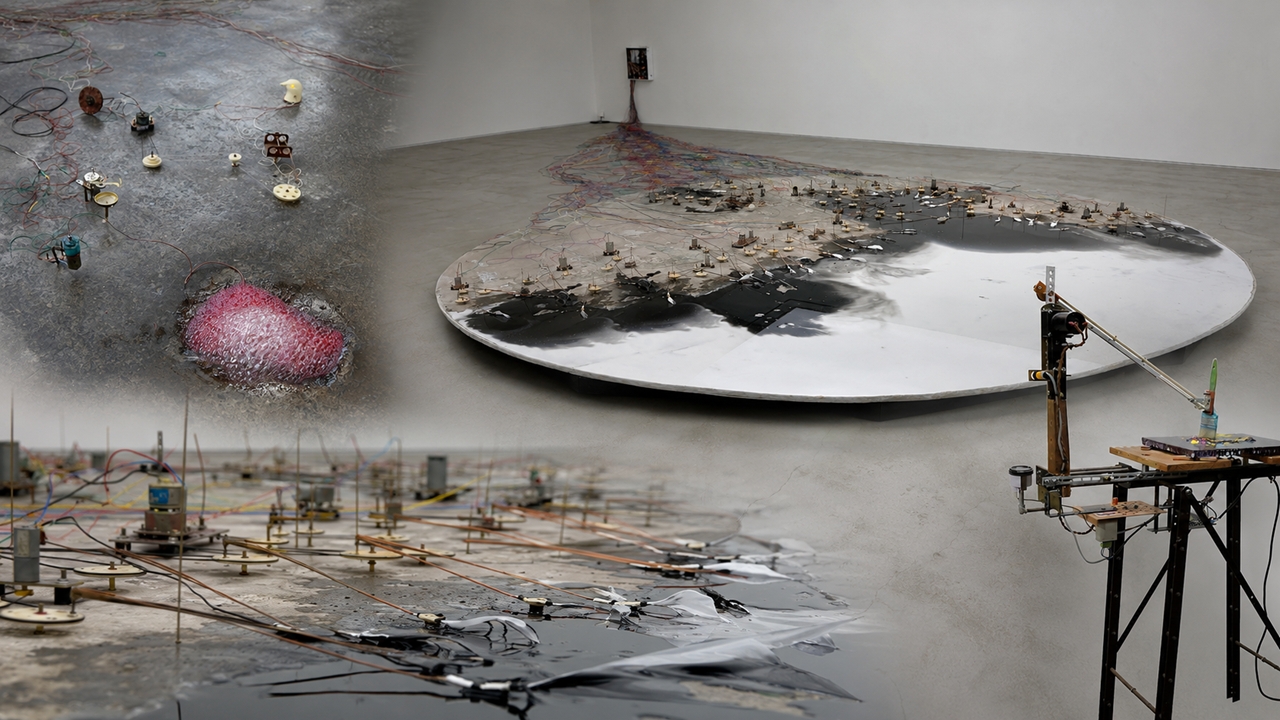



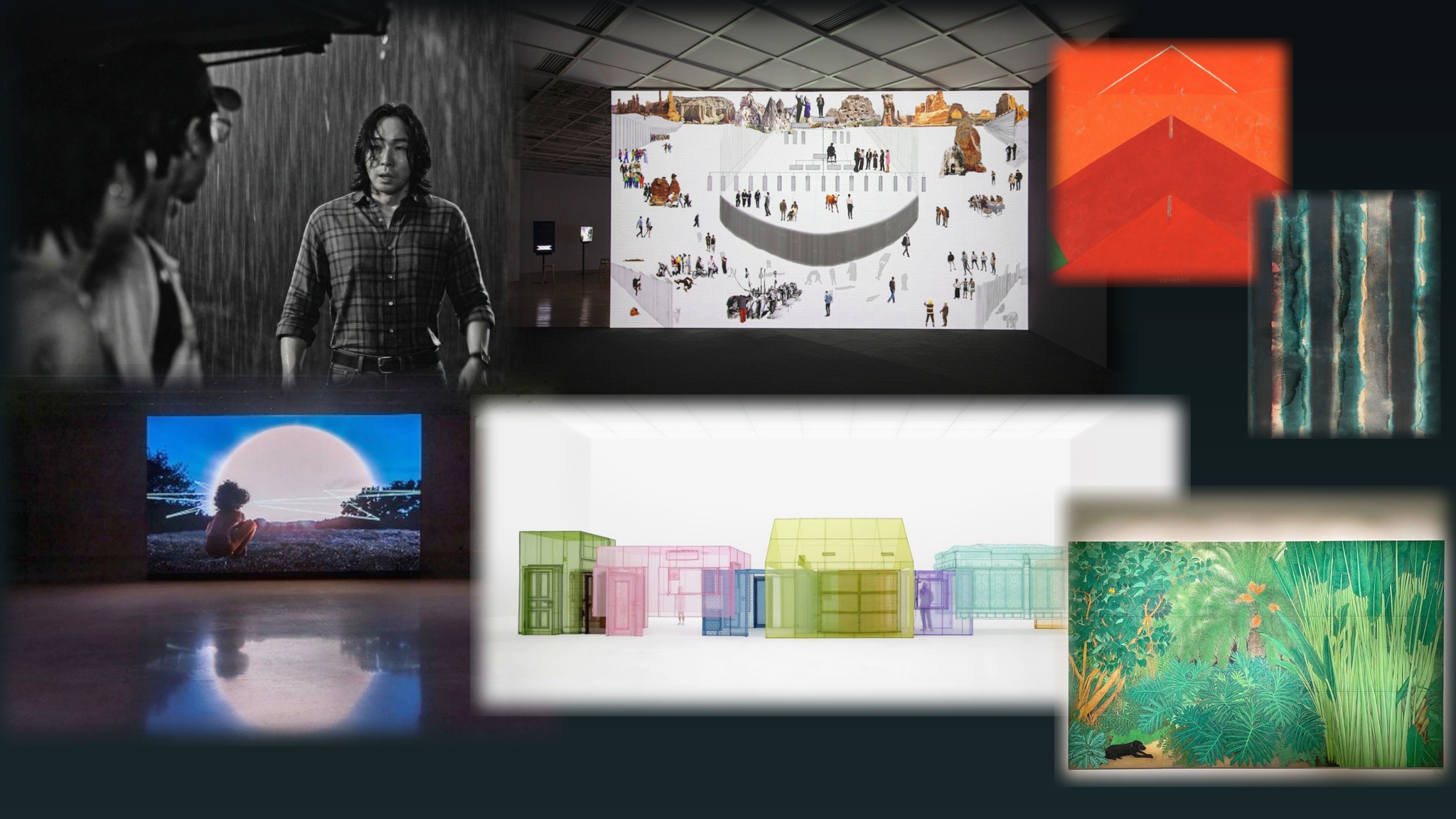








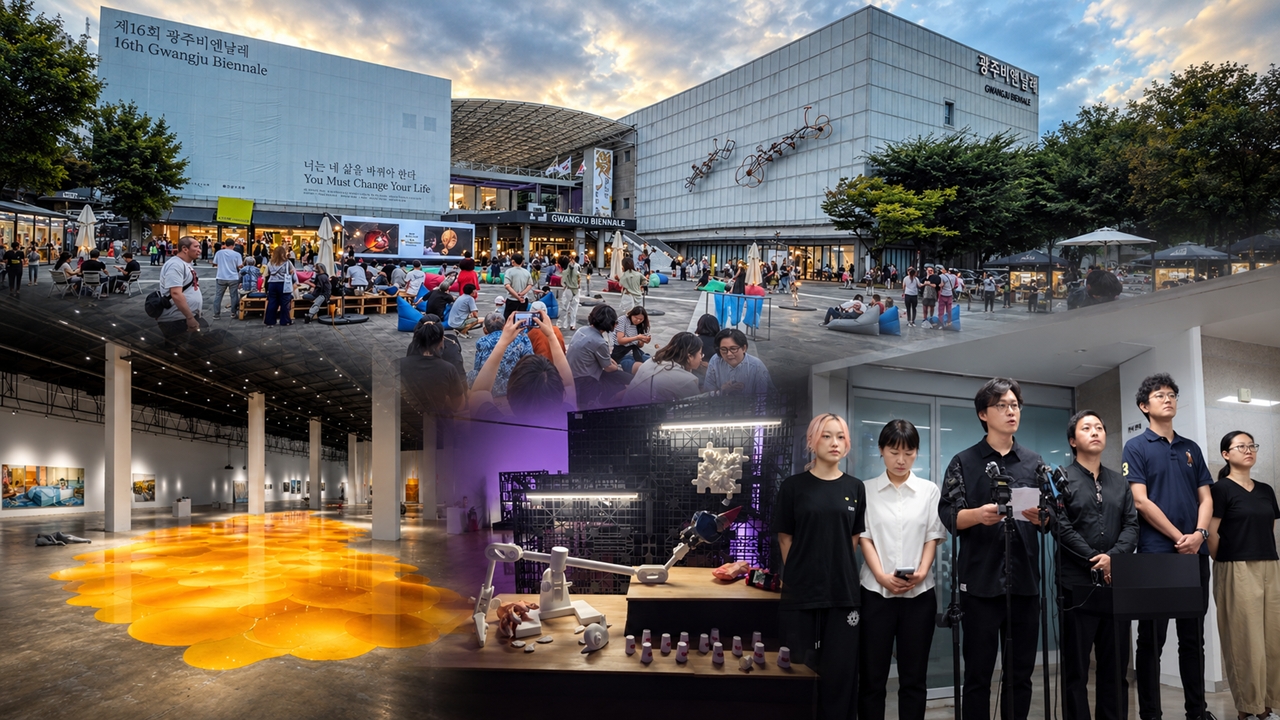
The 16th Gwangju Biennale opened on September 5, 2026. Titled 《You Must Change Your Life》, the biennale presents its main exhibition and pavilion projects through November 15.
2026.09.08
On July 1, the Ministry of Personnel Management opened a public recruitment process for a new director of the National Museum of Modern and Contemporary Art, Korea (MMCA). The term of current director Kim Sung-hee expires this September. As the search began, the names of several potential candidates quickly started circulating within the Korean art world.
2026.08.18
On July 26, 2026, the Art Services Business Registration System came into effect under the Art Promotion Act. Businesses operating in six categories—galleries, art auctions, art advisory services, art rental and sales, art appraisal, and art exhibitions—are now required to register with the relevant local authority.
2026.08.04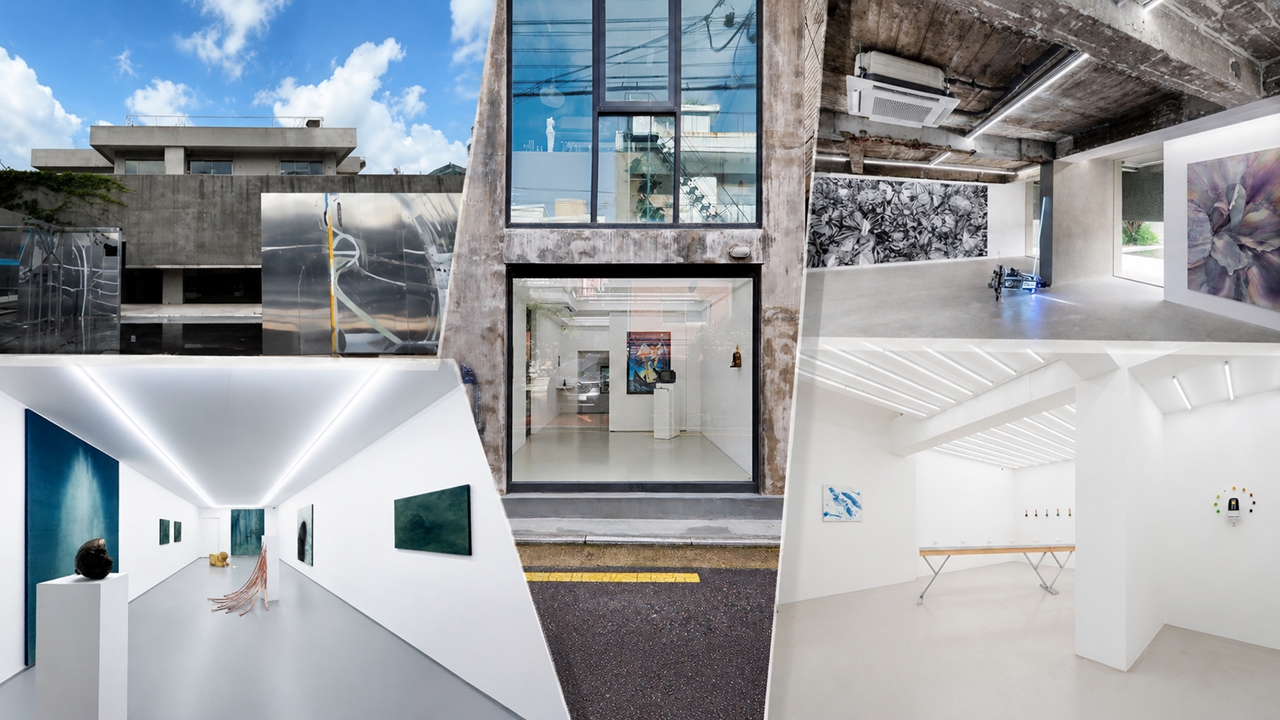
Art spaces are more than venues for exhibiting works of art. They serve as vital intermediaries that discover new artists, generate critical discourse, and connect audiences, markets, and institutions. Changes in these spaces, therefore, are not simply matters of individual organizations adopting different modes of operation. They are important indicators of how the contemporary art ecosystem has evolved and the direction in which it is moving.
2026.07.21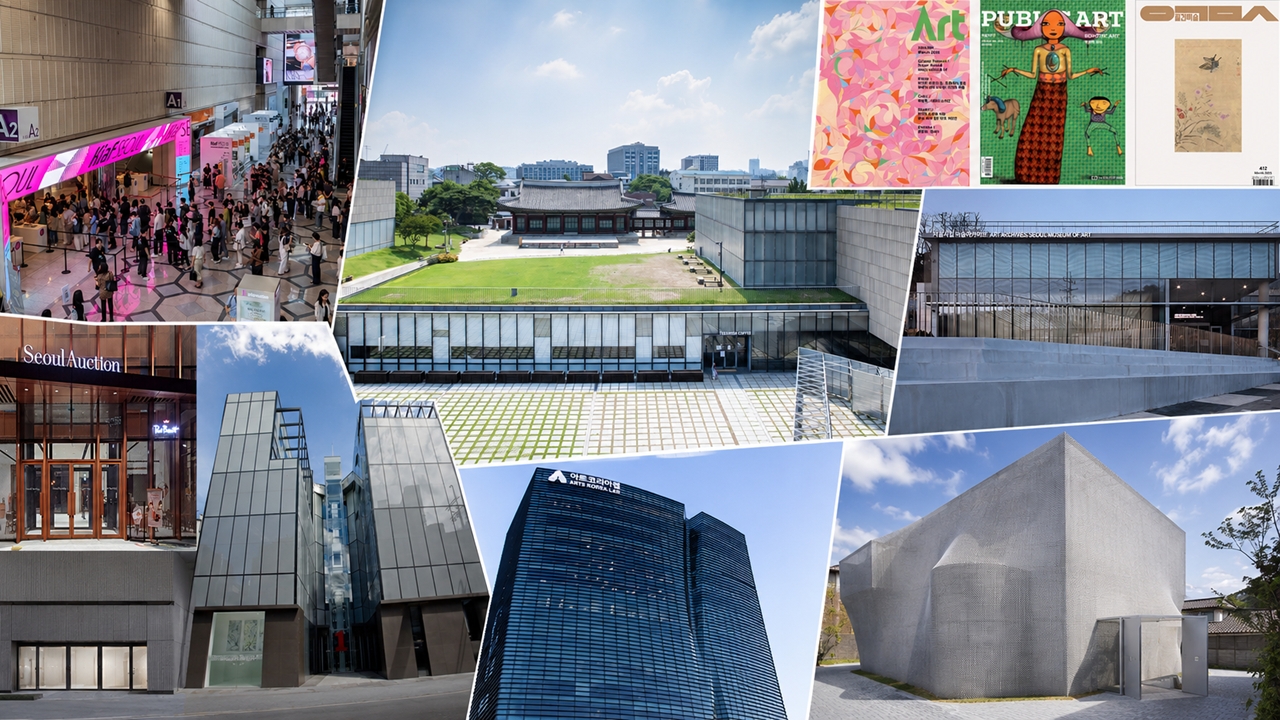
In Korean society, internationalization and globalization emerged as major national agendas between the late 1980s and the mid-1990s. The 1988 Seoul Olympics was a symbolic event through which Korea began to present itself to the international community in a more visible and active way. In the 1990s, Korea rapidly entered the global order through democratization, market liberalization, cultural exchange, and participation in international organizations.
2026.07.07
One of the most significant stories in the global art world recently has been Pace Gallery’s large-scale staff reductions and restructuring of its artist roster. Across the international art community, the news was widely interpreted as a sign of crisis within the mega-gallery model.
2026.06.23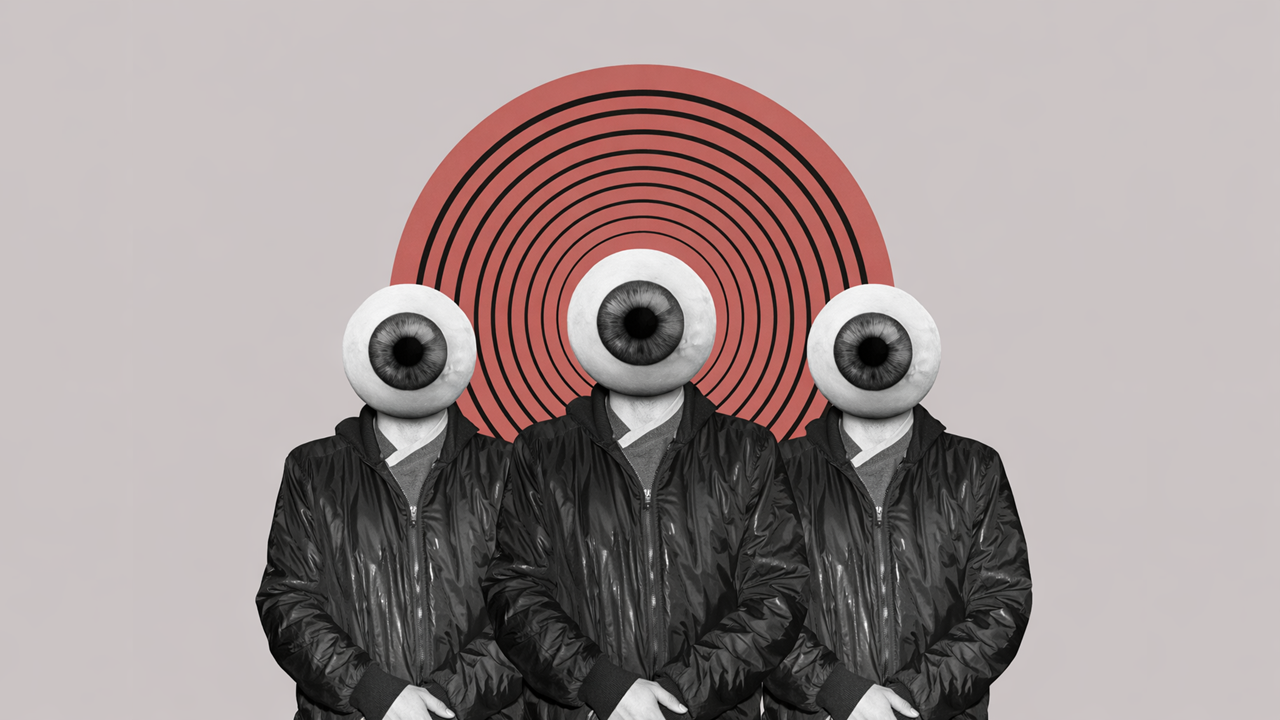
If modernism grounded art in formal innovation and historical progress, and postmodernism dismantled that narrative by foregrounding difference and the relativization of meaning, contemporary art today no longer functions as a framework capable of articulating new aesthetic principles or a coherent historical direction.
2025.12.30
Today’s art market operates on a vast speculative structure camouflaged by the language of “investment.” Artworks are no longer read as products of emotion or thought; instead, they are interpreted as indicators of price volatility.
2025.12.09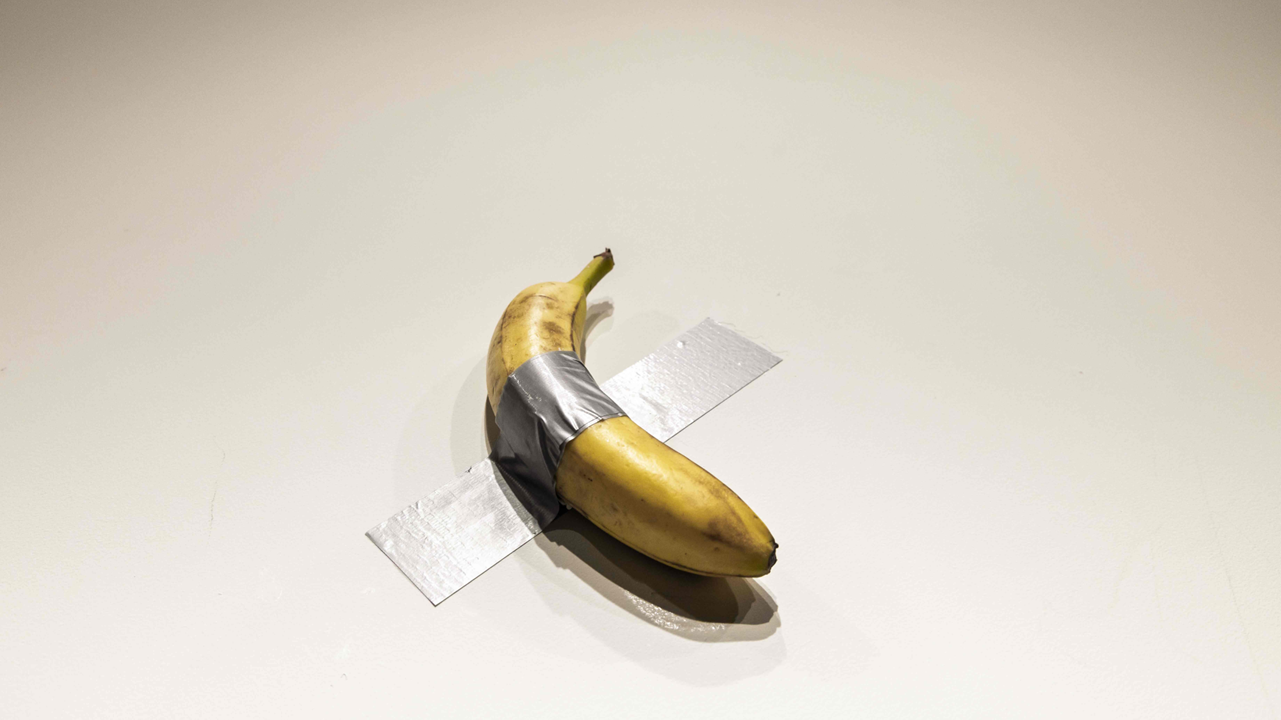
Today’s contemporary art scene has been rewritten in the language of capital. Artworks have become units of transaction rather than outcomes of thought, and the artist’s creative act is adjusted somewhere between private desire and market demand. The spiritual value of art—the inner form where human perception meets reflection—is gradually losing its ground.
2025.11.11
In the previous essay, “The Age of Role Reversal,” we examined how essence is obscured by the non-essential. This chapter turns to the loss of value—a deeper layer of that same inversion. Here, “value” does not refer to market price. It signifies the belief in authenticity, autonomy, and inner necessity that once made art possible as art—a shared yet invisible agreement that sustained the meaning of artistic creation.
2025.10.21
Today, contemporary art appears more dazzling than ever. Art fairs around the world draw hundreds of thousands of visitors, and record-breaking prices are set at auctions. In Korea as well, Frieze Seoul has become a focal point for the Asian art market, while regional fairs such as Art Busan and Art Gwangju continue to expand. Social media feeds are flooded with exhibition snapshots, and blockbuster shows draw long lines of eager visitors.
2025.09.23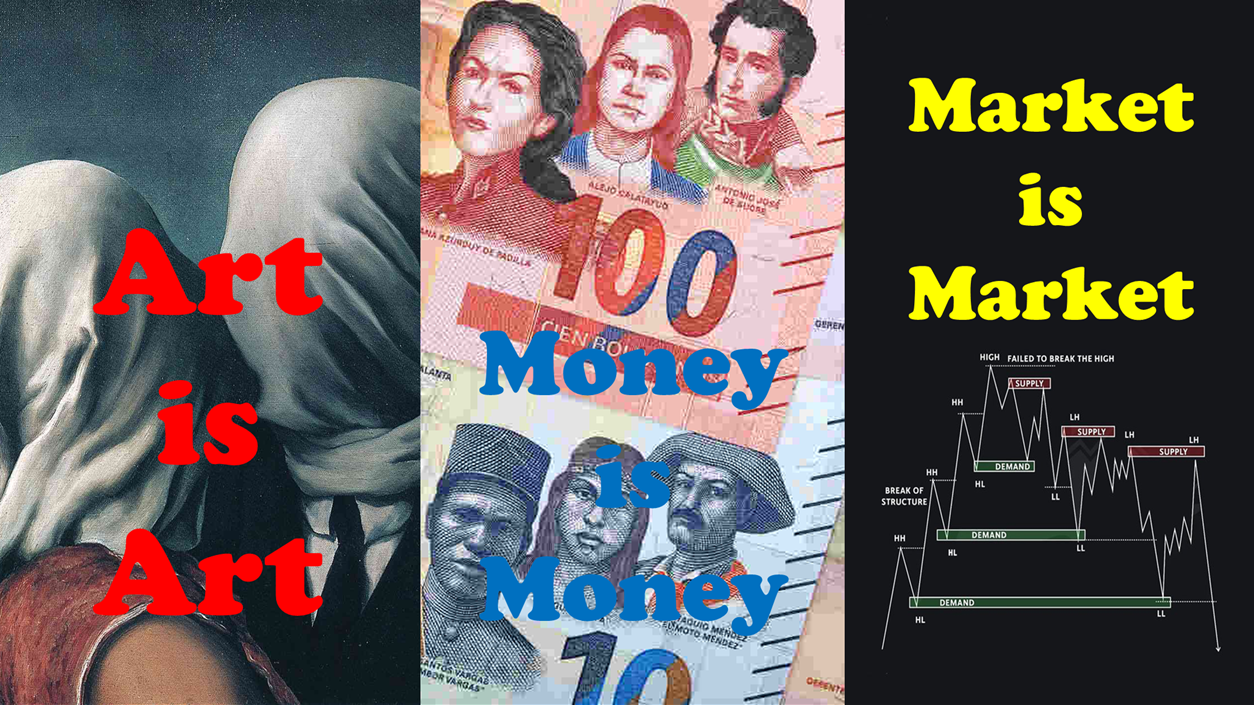
In capitalist society, art can no longer remain solely in an independent and autonomous realm. Today, artworks are reduced to prices within the market’s evaluative systems; their lifespan is extended or erased depending on their investment potential.
2025.08.12