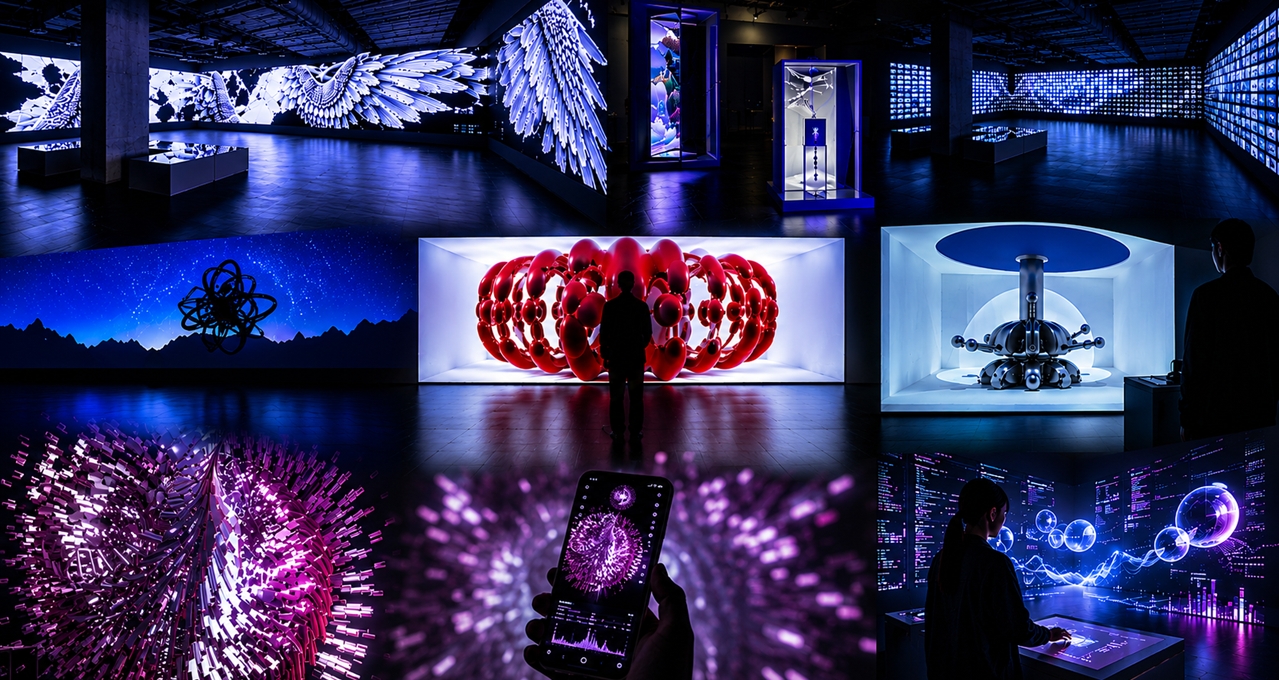










On April 24, 2025, the Ministry of Culture, Sports and Tourism hosted "Art Policy Talk at 3PM" at Art Korea Lab in Seoul under the theme of "Art in the Age of AI." Despite its promising topic, the event ultimately fell short of presenting a deep critical engagement or offering concrete alternatives.
2025.04.29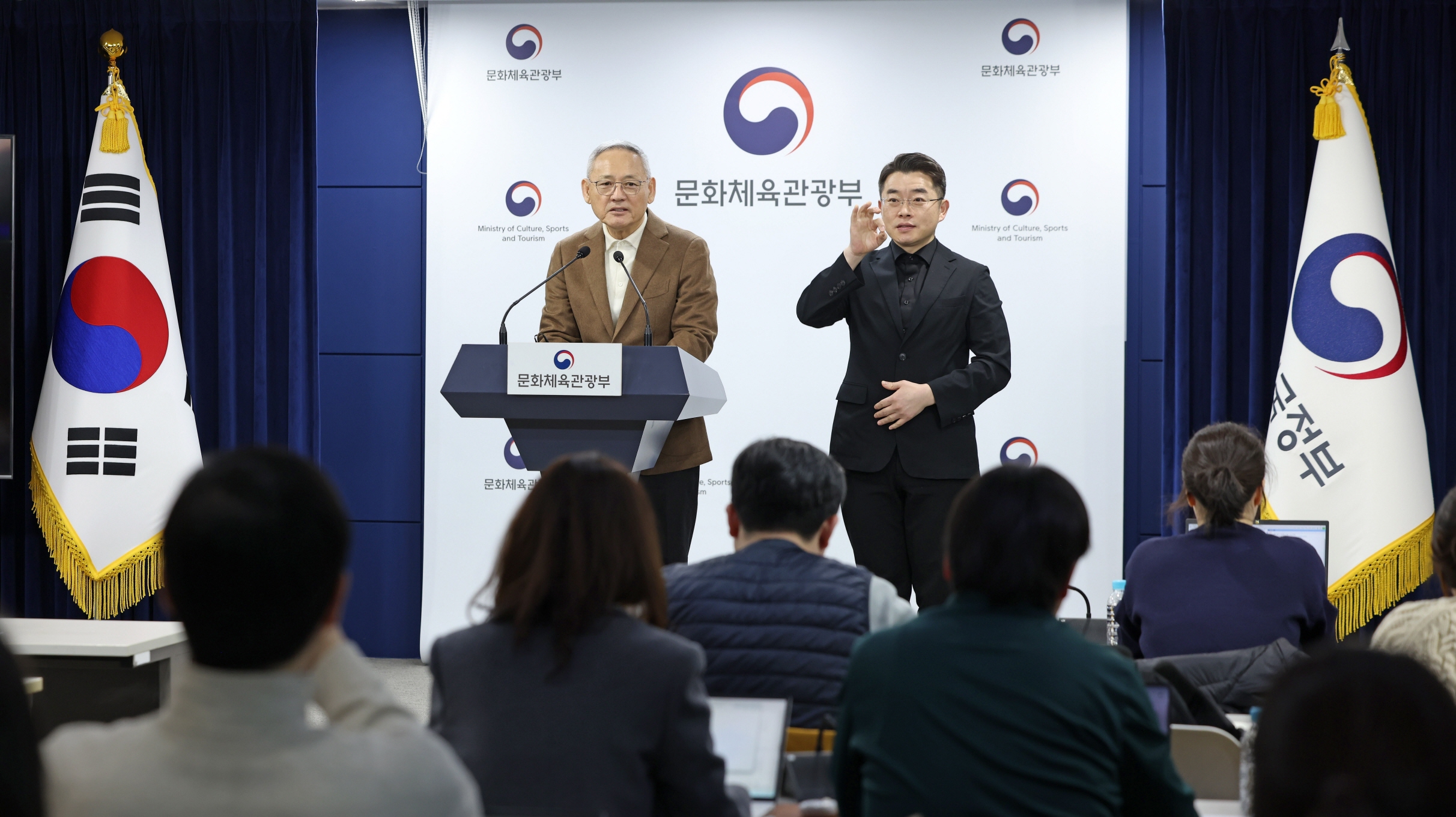
According to the recently released 2024 Artist Status Survey, 75.7% of artists earn less than 12 million KRW annually, while 31% report having no income at all. The average household income of artists is over 20 million KRW lower than the national average, with severe income disparities particularly evident in photography, literature, and fine arts.
2025.03.11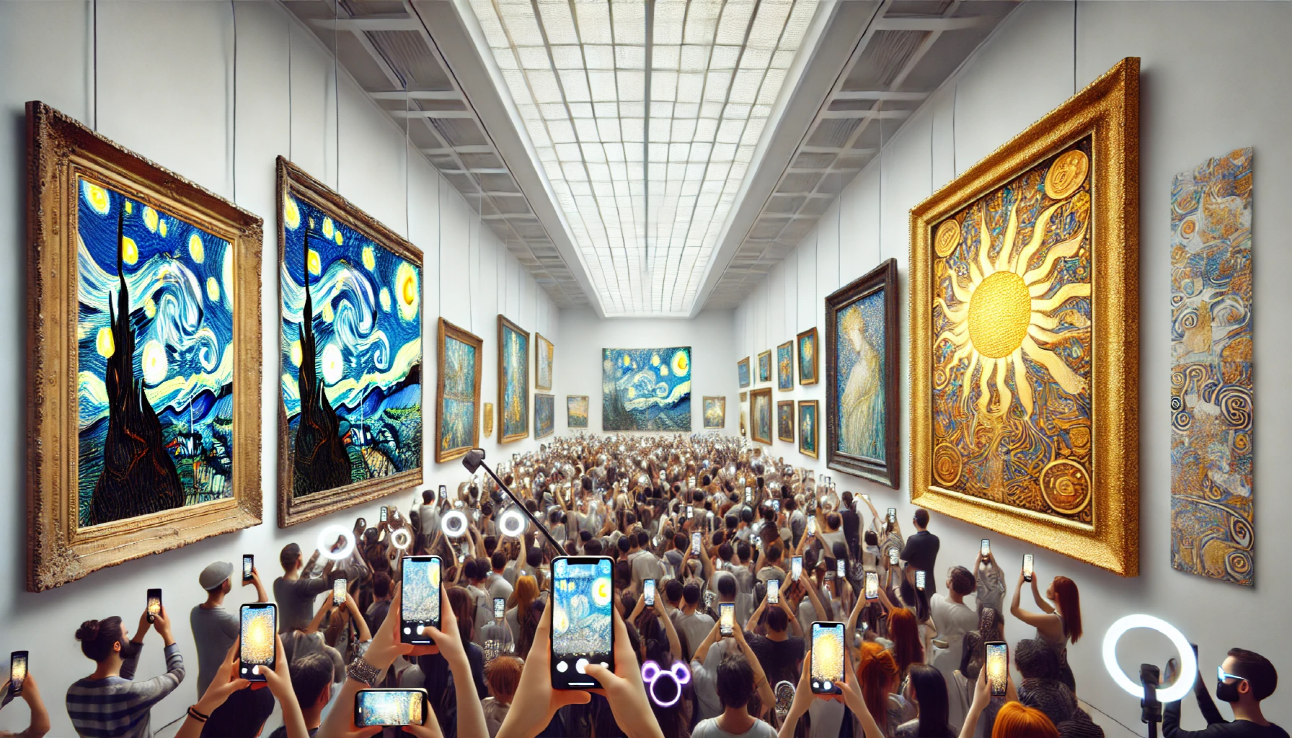
The Korean art scene is experiencing what can truly be called a "blockbuster boom." One after another, exhibitions of internationally renowned artists—Van Gogh, Hopper, Munch, Basquiat—are being held in Korea, resembling the global tours of pop stars.
2025.02.25
Since the 2000s, the Korean art world and art market have undergone remarkable expansion, growing significantly in scale. This growth is reflected in the dramatic rise of the domestic art auction market over the past 24 years. According to research conducted by the Korea Art Price Appraisal Association (Chairman Kim Young-Seok) and Art Price (CEO Ko Yoon-Jeong), the market has expanded 1,830 times during this period.
2025.02.11
In the 21st century, South Korea has solidified its position as a global cultural powerhouse. K-pop dominates the global music industry, and K-dramas and K-literature have seamlessly entered people's daily lives worldwide, bridging popular culture and fine arts.
2024.12.17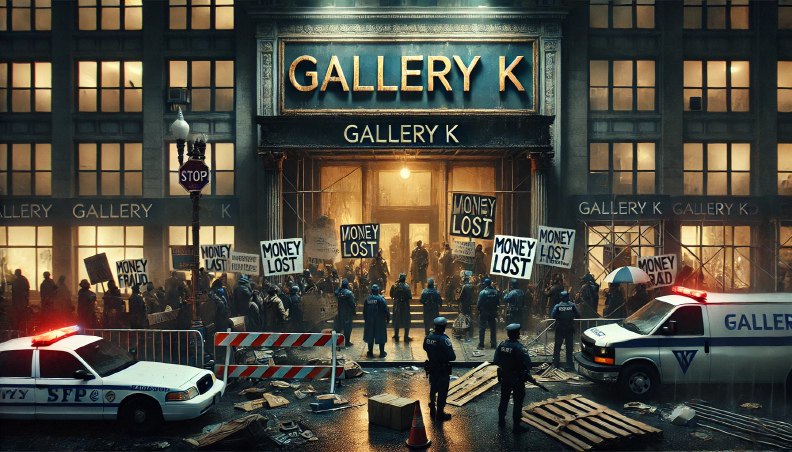
In 2024, a massive financial scandal rocked the South Korean art market. An art trading company called GALLERY K attracted large sums of money by promising investors a 7-9% annualized return and guaranteed principal, but recently, a class-action lawsuit by customers has revealed the full story.
2024.11.19
Moving beyond Orientalism entails more than shifting the center from the West to Asia. It requires transforming the structure through which particular actors have classified and evaluated the art of other regions, while developing new values and criteria grounded in diverse histories and experiences. What is needed is a new system of knowledge—one that recognizes the achievements of Western art history as a shared global legacy without treating them as the sole standard of judgment.
2026.09.08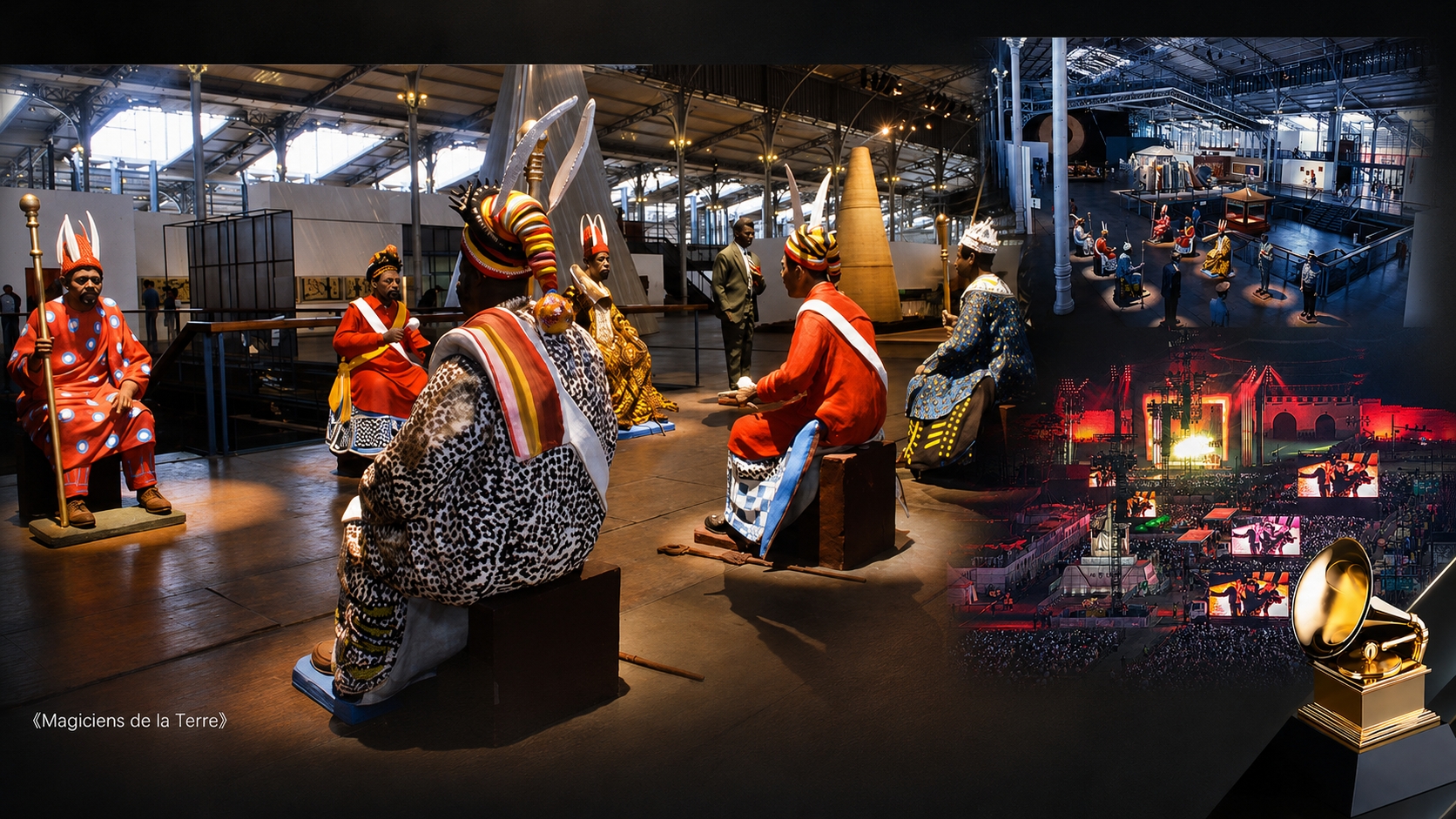
BTS emerged in Korea and developed within the cultural and industrial framework of K-pop. Yet the market in which its music is produced and consumed, as well as its audience and influence, moved beyond Korea’s geographical boundaries long ago.
2026.08.25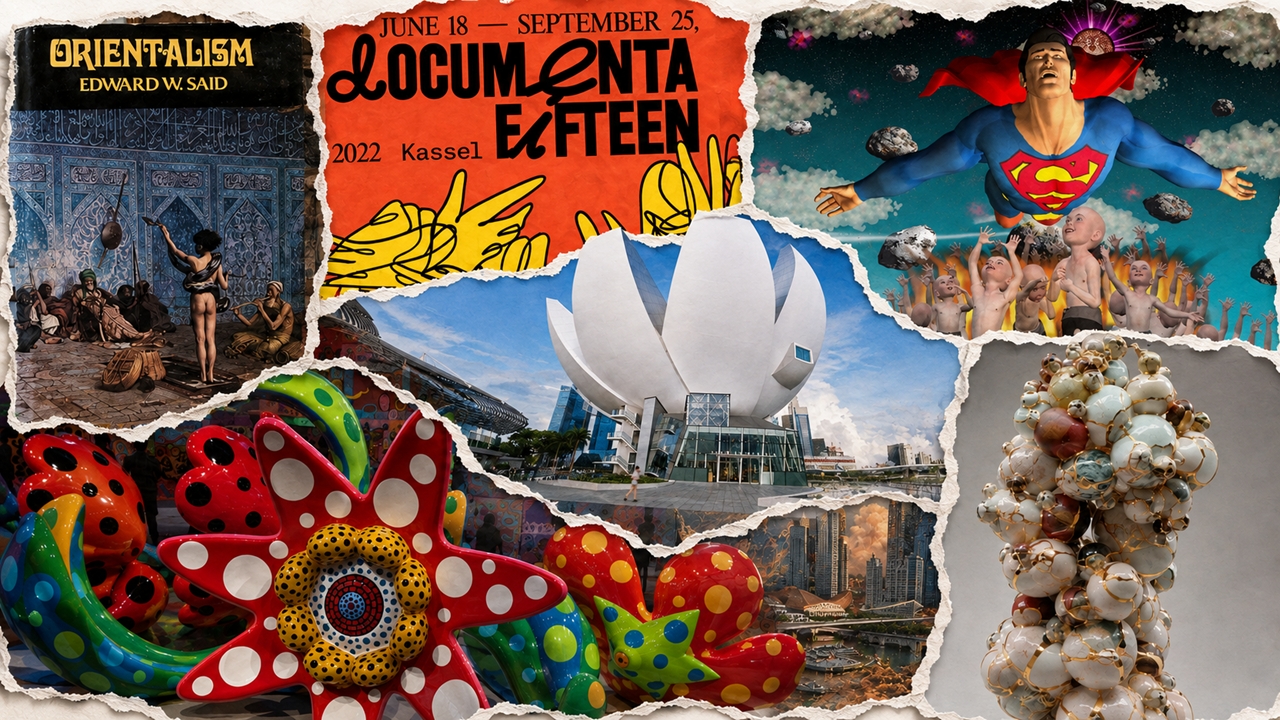
“Asian contemporary art” does not refer to a single shared style or aesthetic. Korea, China, Japan, and the countries of Southeast Asia each have distinct histories, political and social conditions, art institutions, and markets.
2026.08.11
The Anachronism series began by examining how Korean art has continued to understand and organize itself under changing conditions through languages, institutions, and models of success inherited from the past. It considered the recurring tendency to reproduce earlier
2026.07.28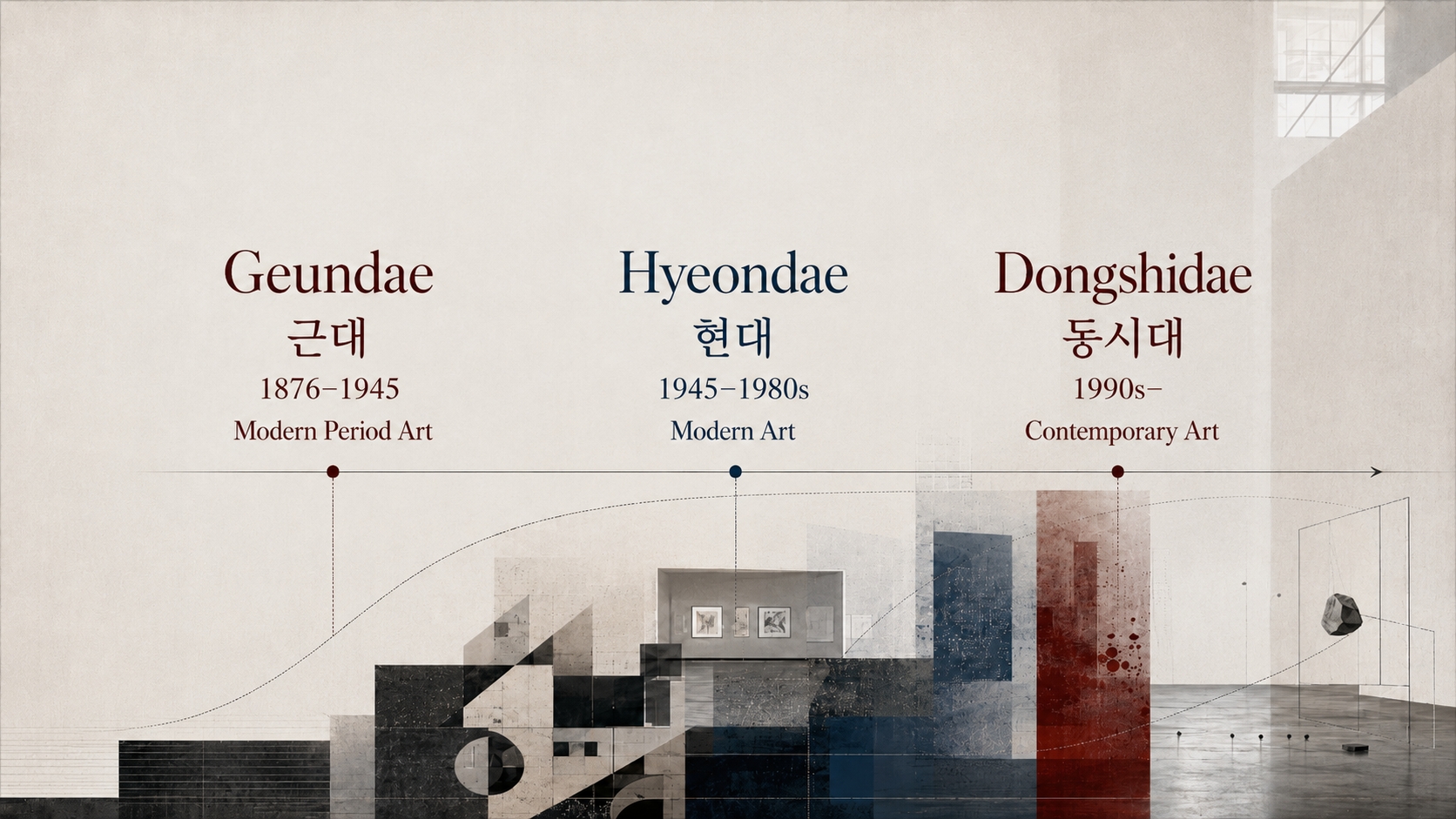
A fundamental problem in Korean art history remains insufficiently resolved: the criteria by which its historical periods are distinguished. When did Korea’s modern period in art begin? What does hyeondae misul—the category conventionally called “modern art” or “contemporary art” in Korean—actually signify, and where does it begin? And from what
2026.07.14
The previous two essays examined the anachronism of Korean contemporary art. The first identified the problem of explaining the present through the languages of the past. The second examined the structure through which past models of success continue to be repeated as strategies for the future.
2026.06.30