








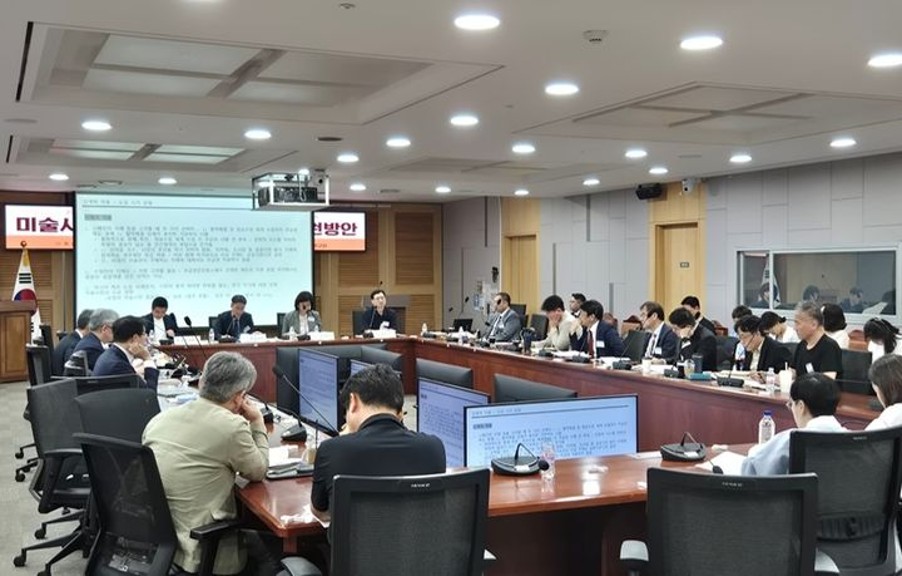
On August 8, Seoul’s National Assembly Members’ Office Building played host to a marathon policy seminar, ambitiously titled “Legal Support Measures for Art Market Revitalization.”
2025.08.12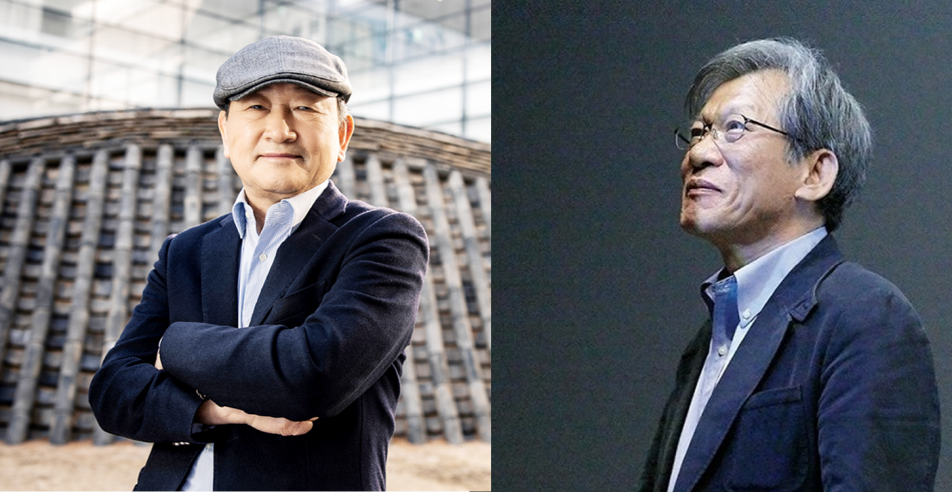
In 2025, two of Korea’s most prominent art figures have returned to lead major cultural institutions. Yoo Hong-jun, former Administrator of the Cultural Heritage Administration, has been appointed Director of the National Museum of Korea, while Yoon Bum-mo, former Director of the National Museum of Modern and Contemporary Art (MMCA), has taken the helm as the new CEO of the Gwangju Biennale. Both are respected art historians, critics, and curators with long careers in the field. Their return has inspired expectations of “stability” and “experience.”
2025.07.29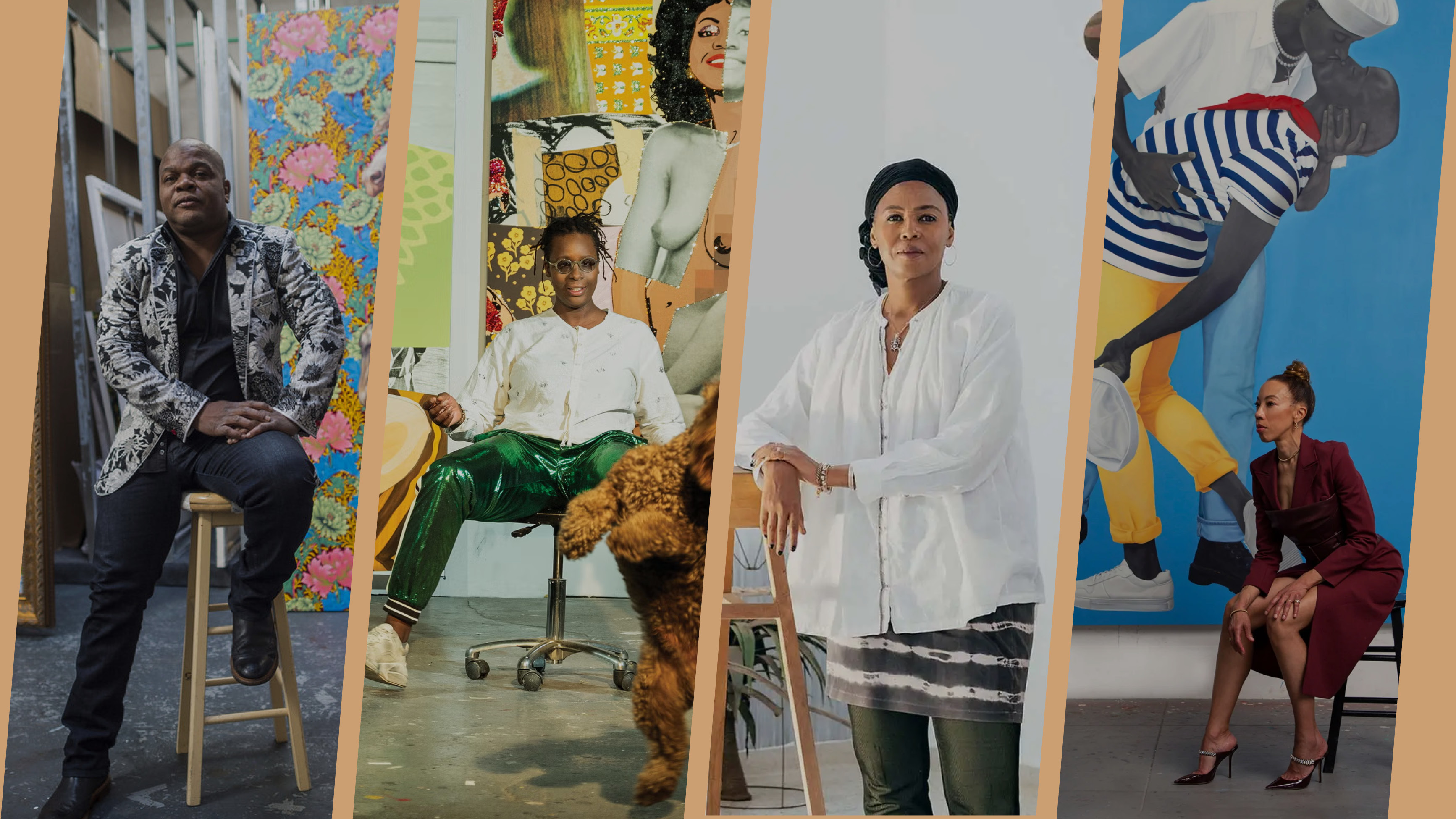
Since the early 2020s, the global art world has undergone a rapid reconfiguration. At the heart of this transformation is an unprecedented focus on Black artists. From major museum exhibitions to art fair demand and collector interest, the entire ecosystem reflects this shift. Yet this isn't merely a passing trend. Rather, it is the visible outcome of two converging cultural forces: Postcolonialism and Political Correctness (PC).
2025.07.22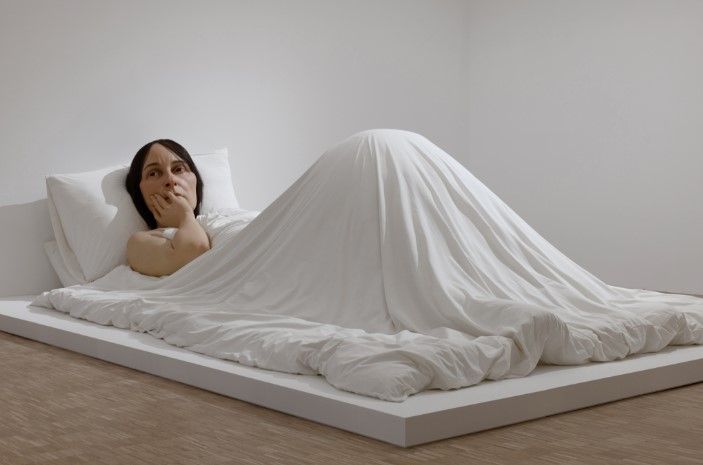
The solo exhibition of Australian hyperrealist sculptor Ron Mueck, currently being held at the National Museum of Modern and Contemporary Art (MMCA) in Seoul, is drawing more than 5,000 visitors per day and is expected to surpass 500,000 visitors within two months.
2025.07.08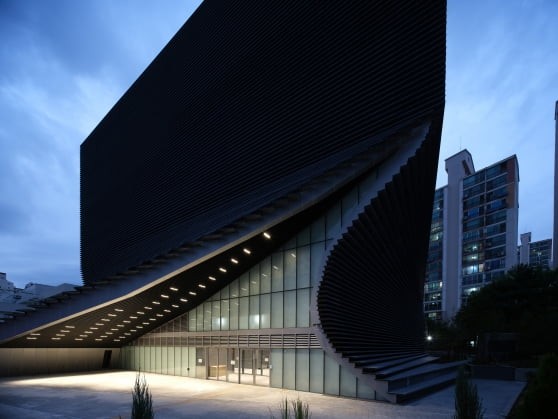
On May 29, 2025, the Seoul Museum of Photography (Photography Seoul Museum of Art) opens its doors in Chang-dong, Dobong-gu, Seoul. As the first public art museum in Korea dedicated entirely to the photographic medium, this institution is not merely another museum opening—it is a historic milestone.
2025.05.27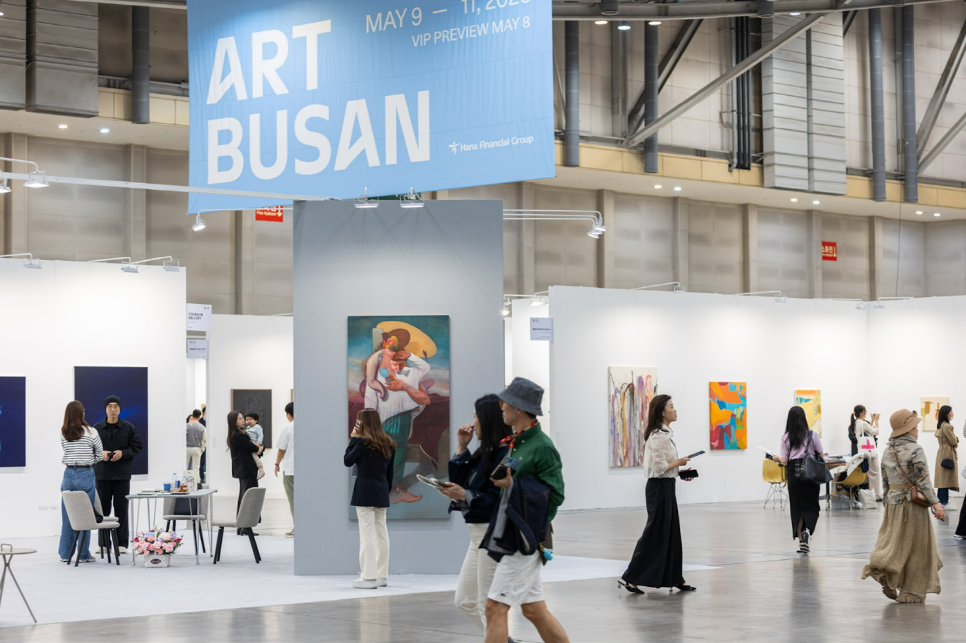
Art Busan 2025 concluded its four-day run on May 11 at BEXCO in Haeundae, Busan. Now in its 14th edition, the fair brought together 109 galleries from 17 countries in an effort to reinforce Busan’s position as a hub of contemporary art in East Asia. However, the outcome reflected more of the current art market realities than a major shift.
2025.05.13
Moving beyond Orientalism entails more than shifting the center from the West to Asia. It requires transforming the structure through which particular actors have classified and evaluated the art of other regions, while developing new values and criteria grounded in diverse histories and experiences. What is needed is a new system of knowledge—one that recognizes the achievements of Western art history as a shared global legacy without treating them as the sole standard of judgment.
2026.09.08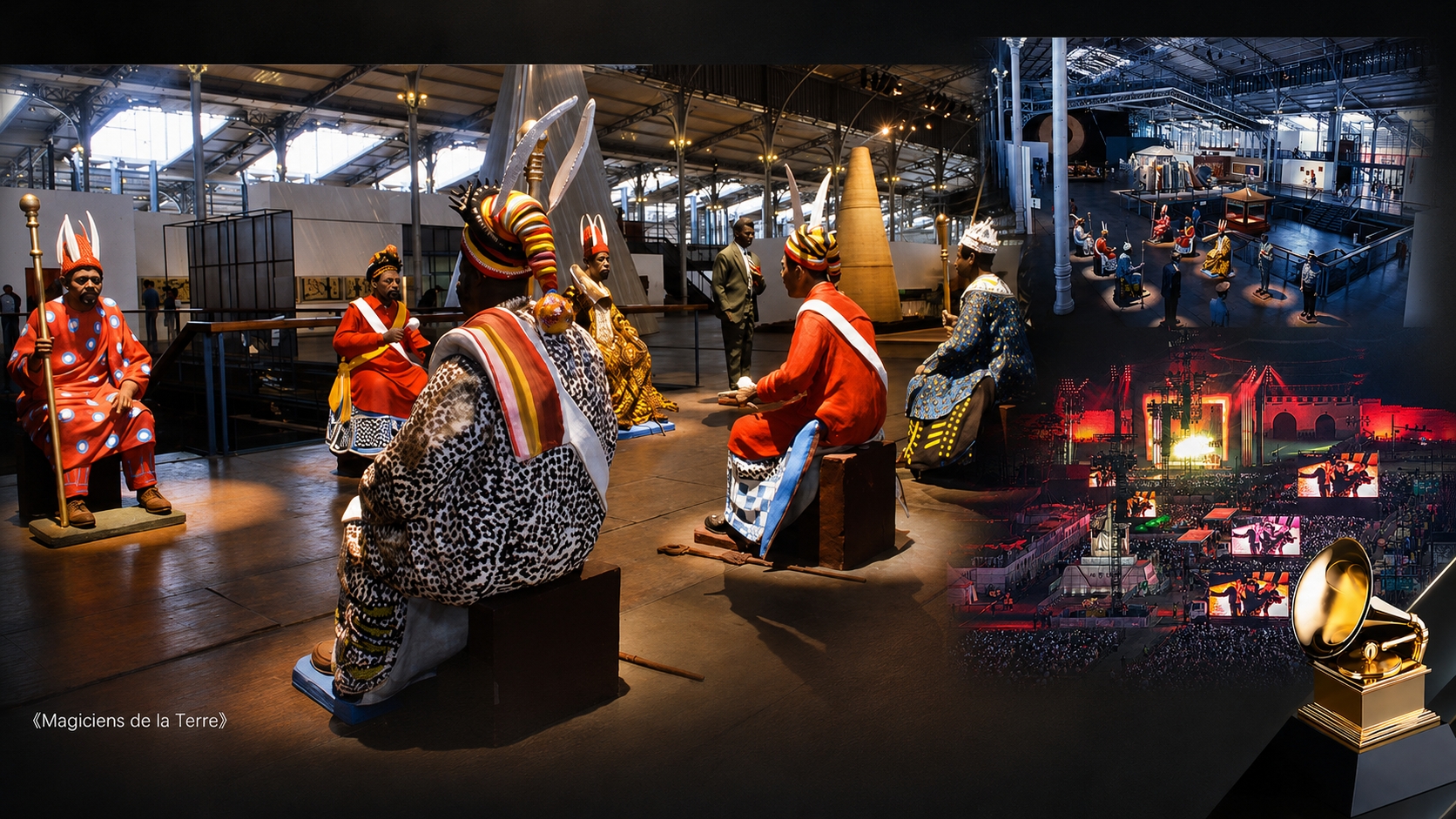
BTS emerged in Korea and developed within the cultural and industrial framework of K-pop. Yet the market in which its music is produced and consumed, as well as its audience and influence, moved beyond Korea’s geographical boundaries long ago.
2026.08.25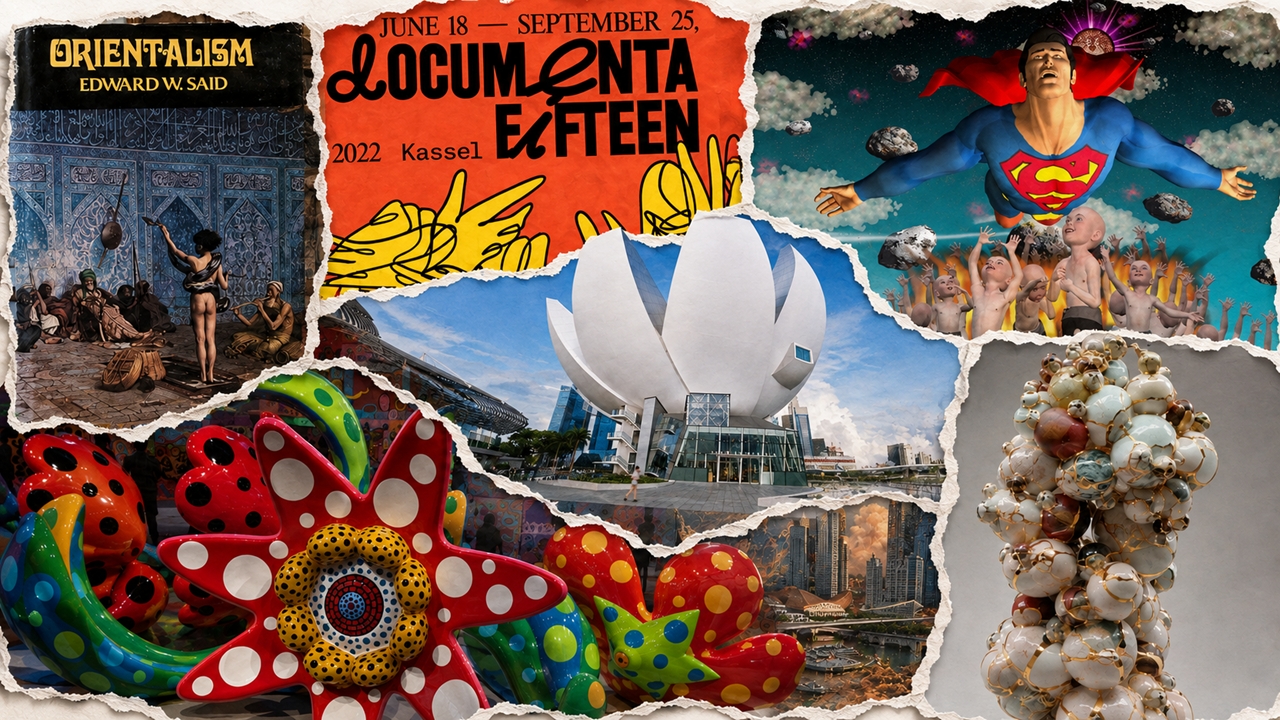
“Asian contemporary art” does not refer to a single shared style or aesthetic. Korea, China, Japan, and the countries of Southeast Asia each have distinct histories, political and social conditions, art institutions, and markets.
2026.08.11
The Anachronism series began by examining how Korean art has continued to understand and organize itself under changing conditions through languages, institutions, and models of success inherited from the past. It considered the recurring tendency to reproduce earlier
2026.07.28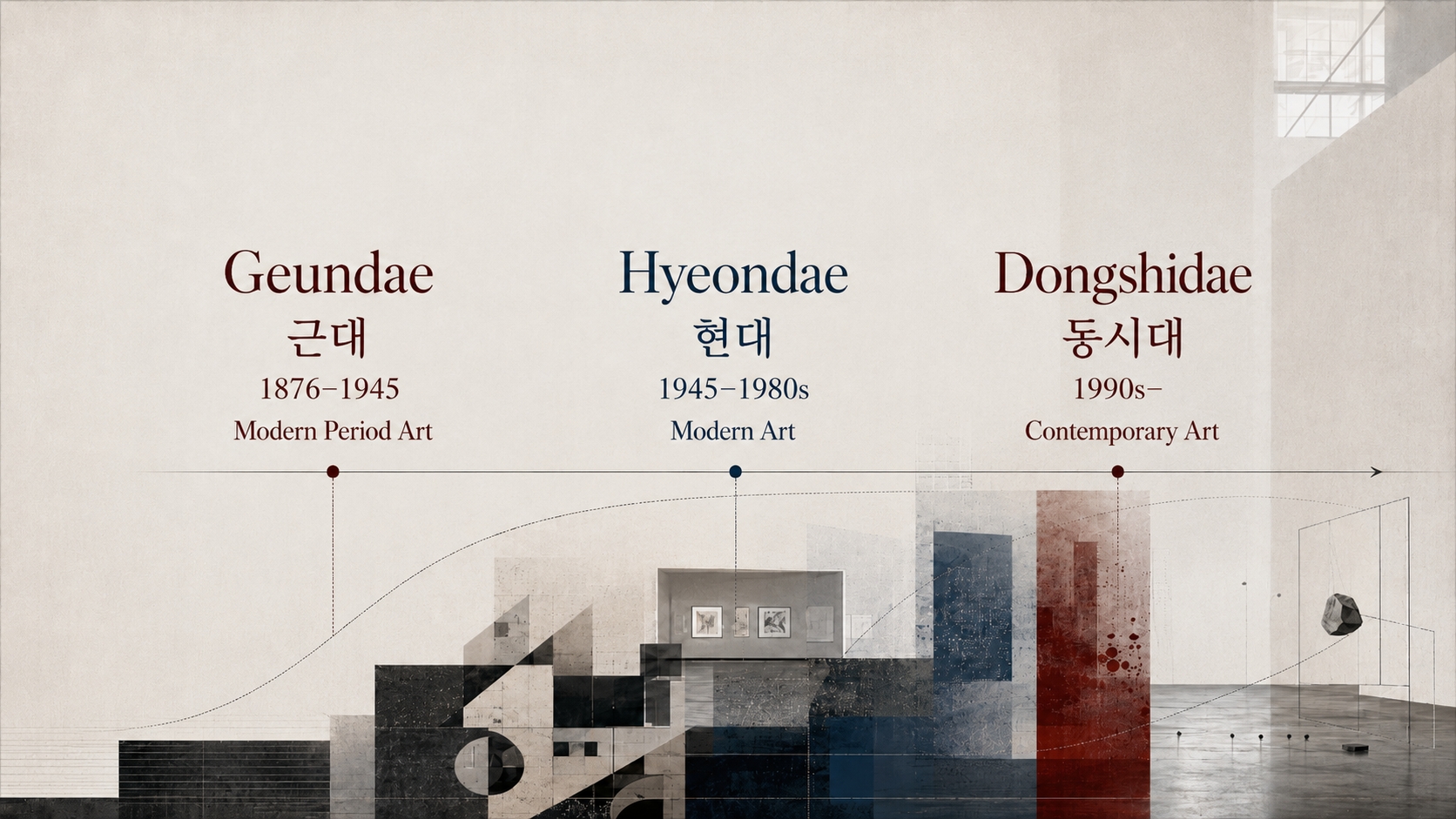
A fundamental problem in Korean art history remains insufficiently resolved: the criteria by which its historical periods are distinguished. When did Korea’s modern period in art begin? What does hyeondae misul—the category conventionally called “modern art” or “contemporary art” in Korean—actually signify, and where does it begin? And from what
2026.07.14
The previous two essays examined the anachronism of Korean contemporary art. The first identified the problem of explaining the present through the languages of the past. The second examined the structure through which past models of success continue to be repeated as strategies for the future.
2026.06.30