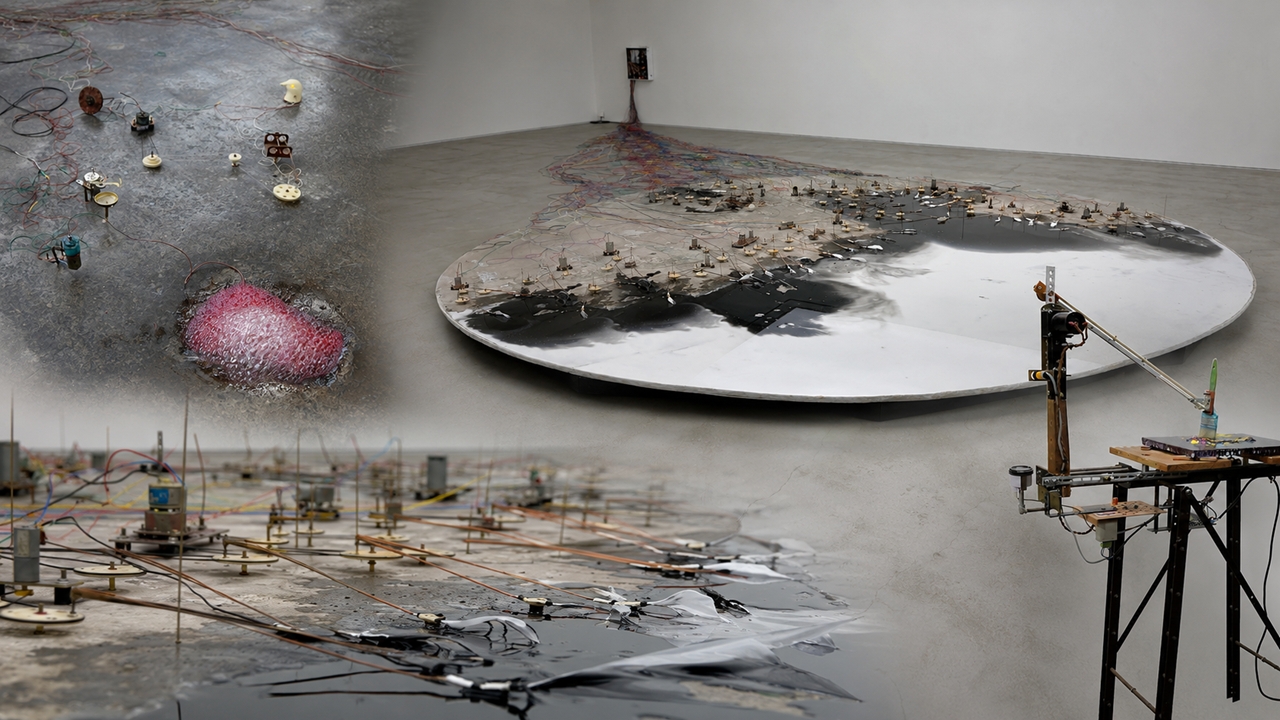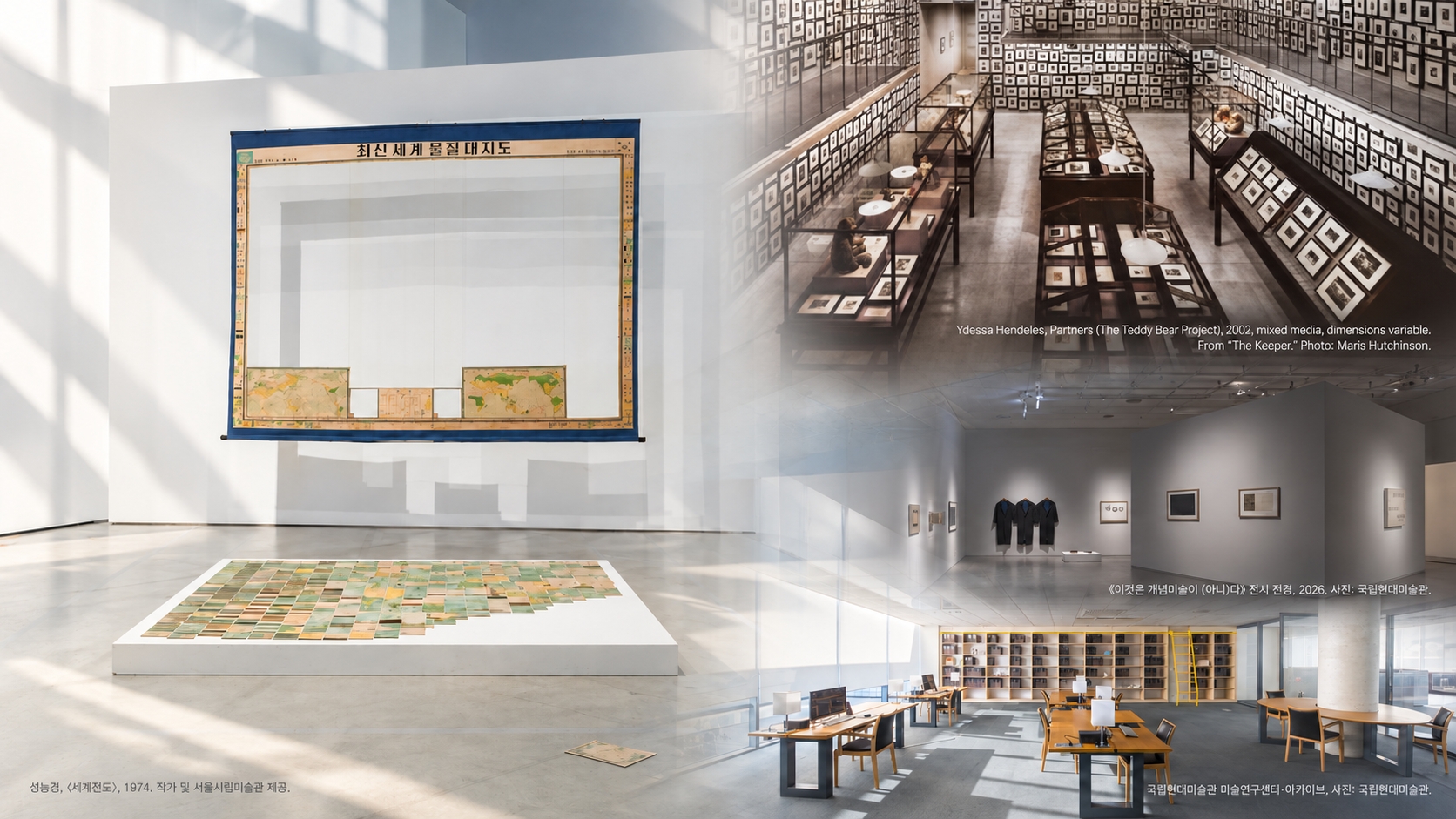


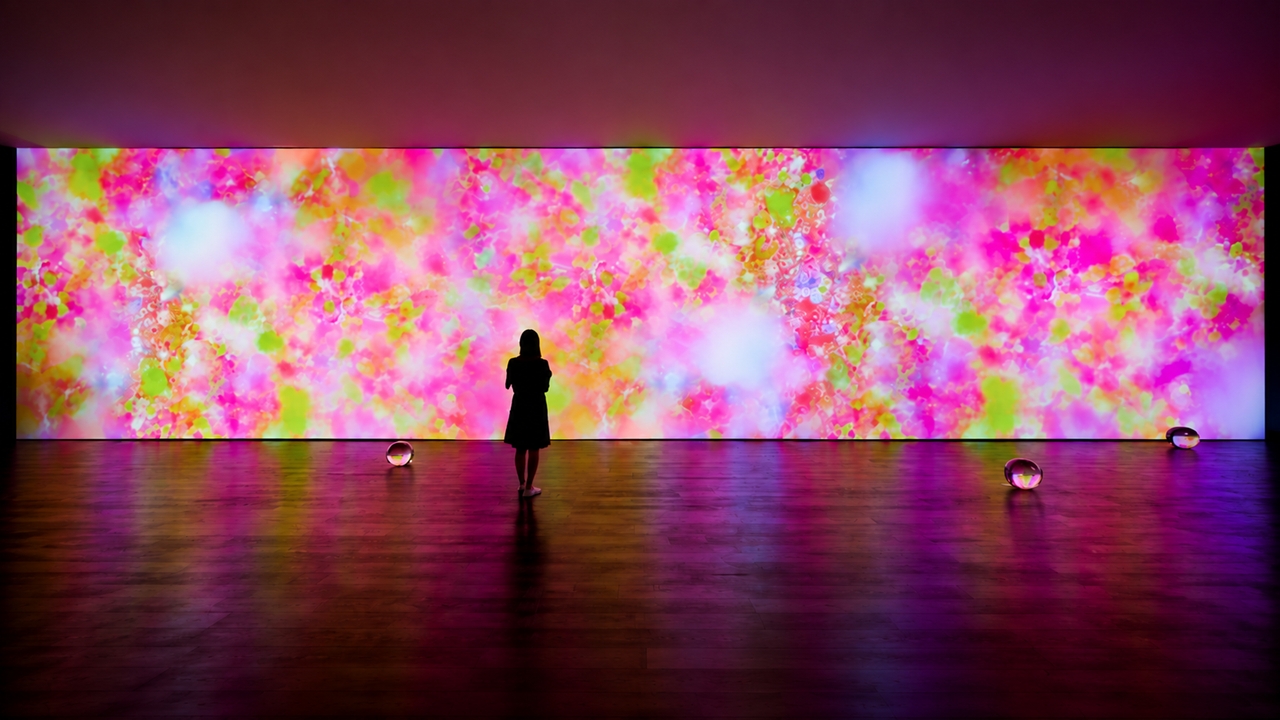



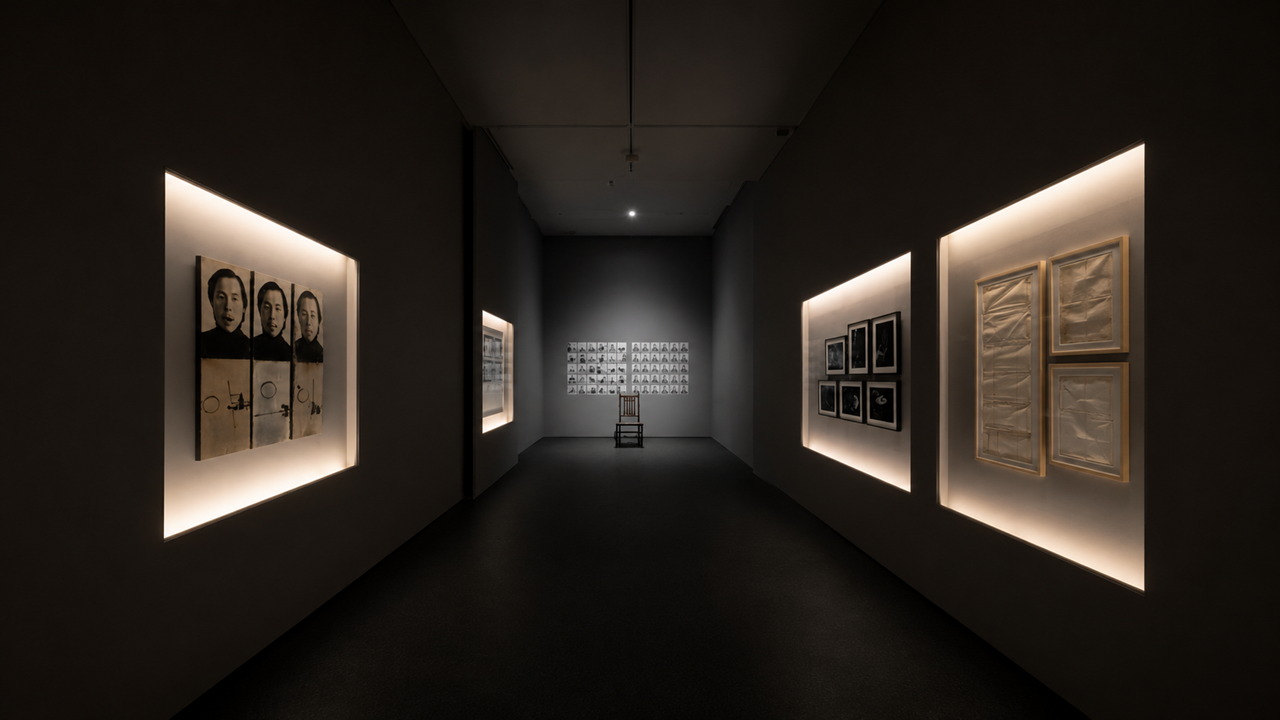




The Damien Hirst exhibition held at the National Museum of Modern and Contemporary Art carries a meaning that goes beyond that of a typical exhibition of a famous overseas artist. It is an event that introduces a single artist, but at the same time it serves as an occasion to reconsider how the system of contemporary art operates today and what role a national museum should play within that structure
2026.03.17
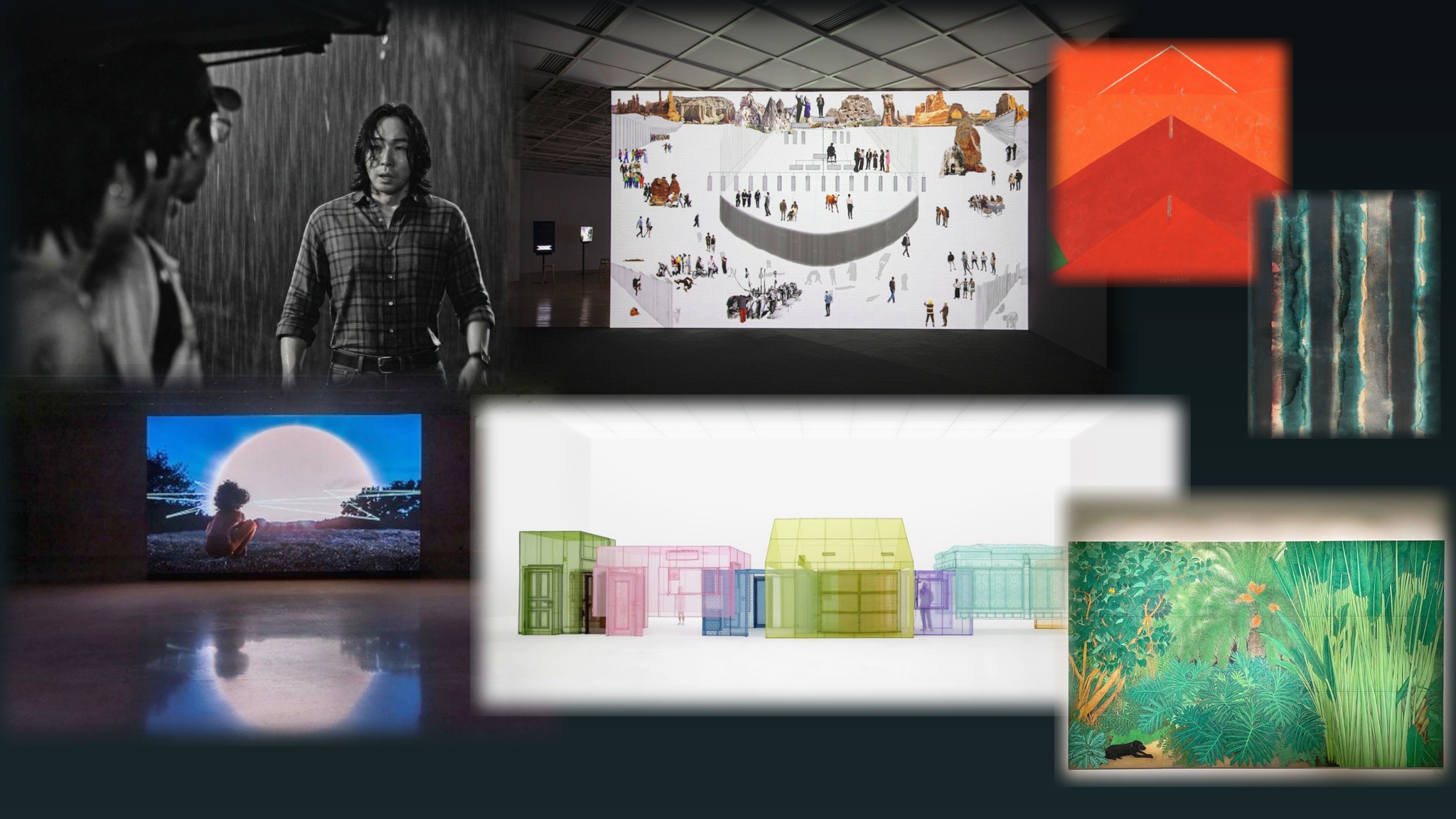
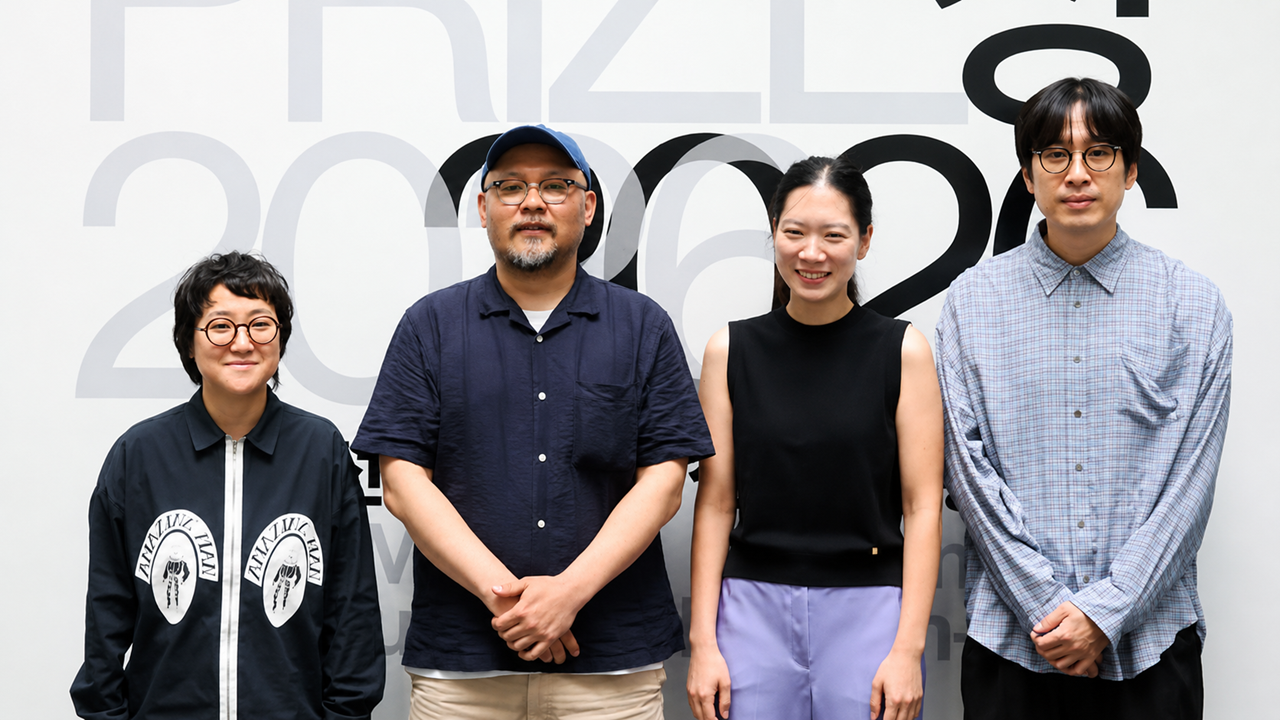
The National Museum of Modern and Contemporary Art, Korea (MMCA), in partnership with the SBS Foundation, has announced the shortlisted artists for the “Korea Artist Prize 2026”
2026.02.24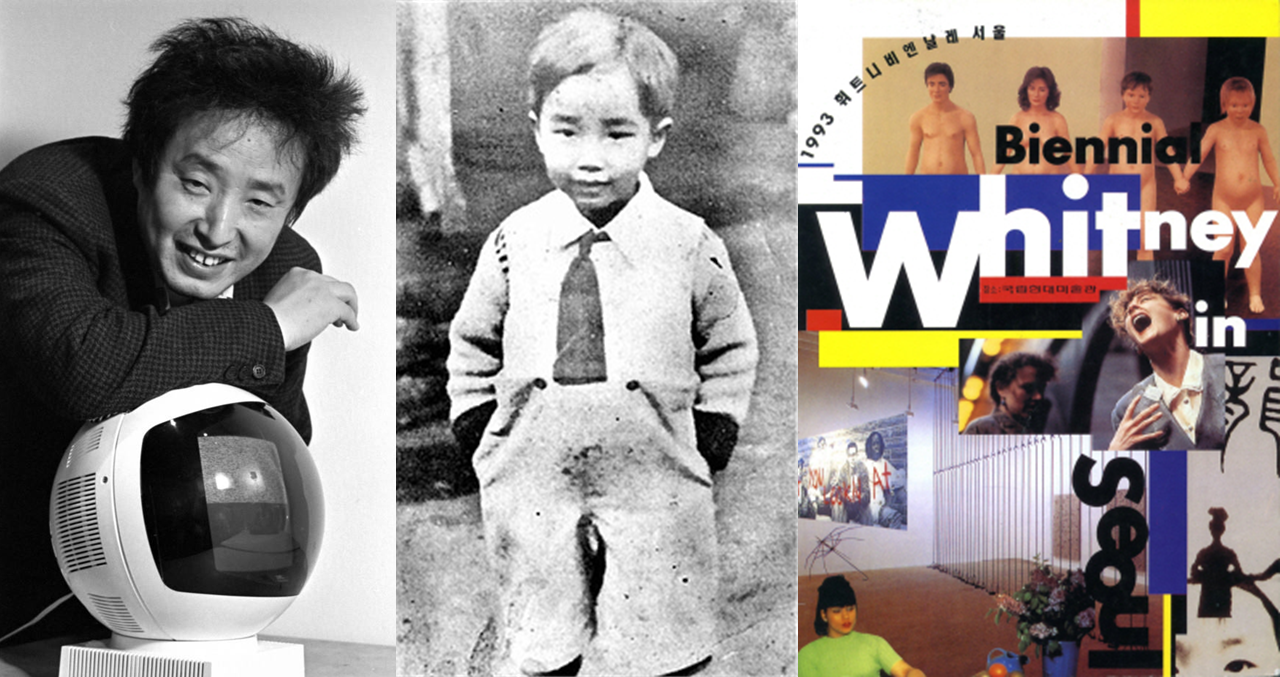
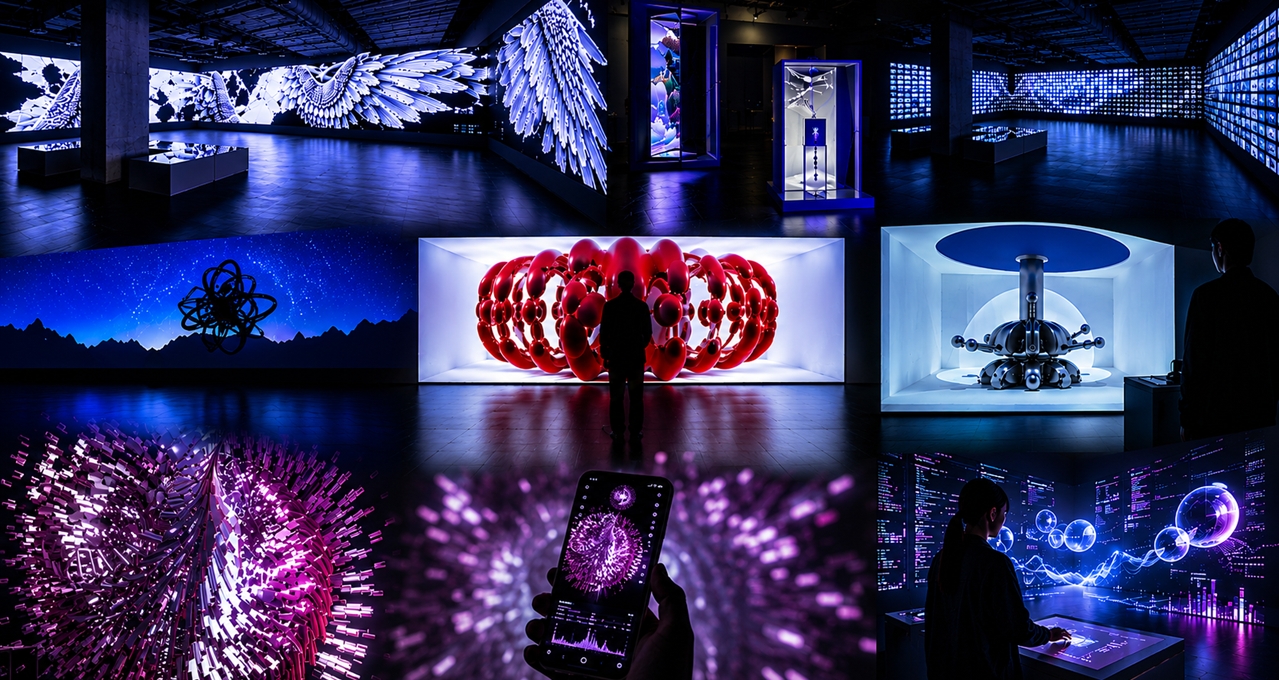
The year 2026 marks the 20th anniversary of the passing of Nam June Paik (1932–2006). Long before the emergence of the World Wide Web, Paik envisioned a globally networked society. In 1974, he began conceptualizing Electronic Superhighway, anticipating the cultural and social transformations that digital networks would bring. As early as 1964, he introduced Robot K-456, bringing the relationship between humans and machines into the realm of artistic experimentation.
2026.01.27
President Lee Jae-myung recently emphasized that “in the international society of the 21st century, culture is at the core of national prestige and national power,” adding that “even an additional supplementary budget should be arranged if necessary to restore and strengthen the foundations of culture and the arts.”
2026.01.20
In recent years, Korean contemporary art has no longer remained on the periphery of the global art world. Korean artists are continuously invited to major biennials and international museums, and in terms of both form and subject matter, Korean contemporary art has increasingly demonstrated the ability to respond to global artistic standards.
2026.01.06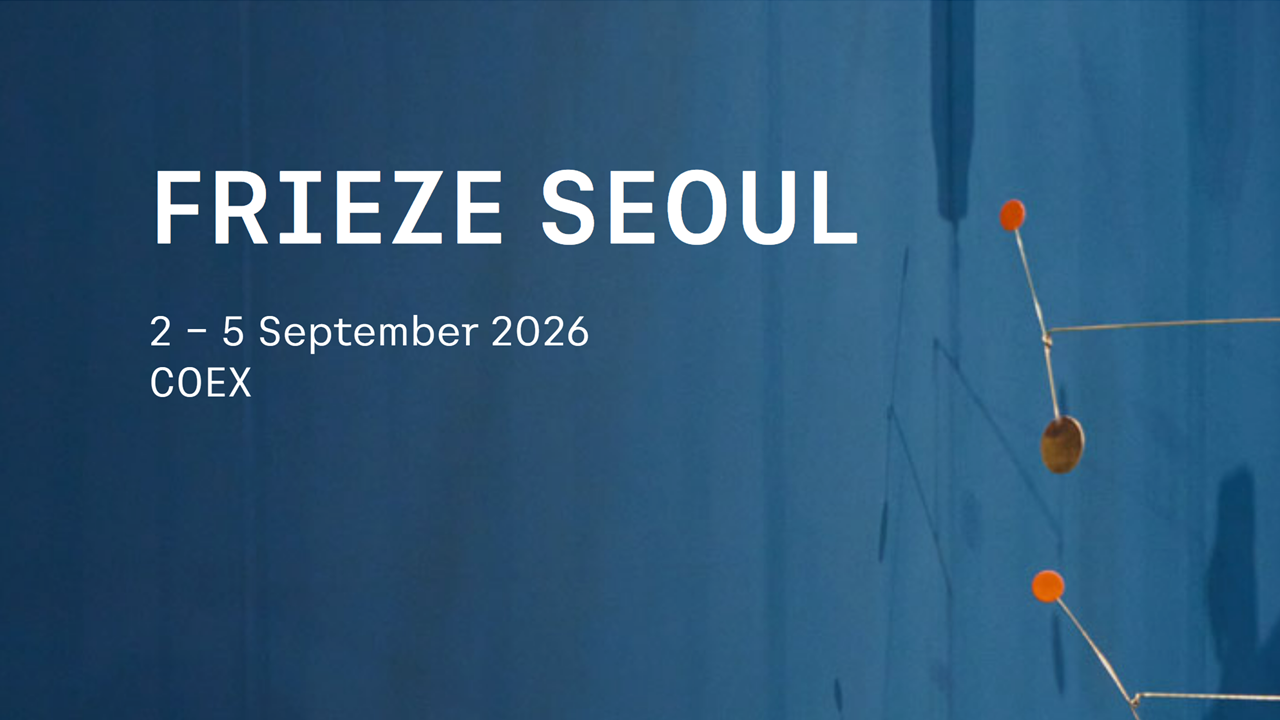
The partnership between Frieze Seoul and Kiaf SEOUL has been extended for an additional five years. Approved with near-unanimous support at an extraordinary general meeting of the Galleries Association of Korea, the decision represents more than a simple contract renewal. It signals how the association—which oversees and operates Kiaf—currently understands and positions the structure of the art fair within Korea’s art ecosystem.
2025.12.23
Moving beyond Orientalism entails more than shifting the center from the West to Asia. It requires transforming the structure through which particular actors have classified and evaluated the art of other regions, while developing new values and criteria grounded in diverse histories and experiences. What is needed is a new system of knowledge—one that recognizes the achievements of Western art history as a shared global legacy without treating them as the sole standard of judgment.
2026.09.08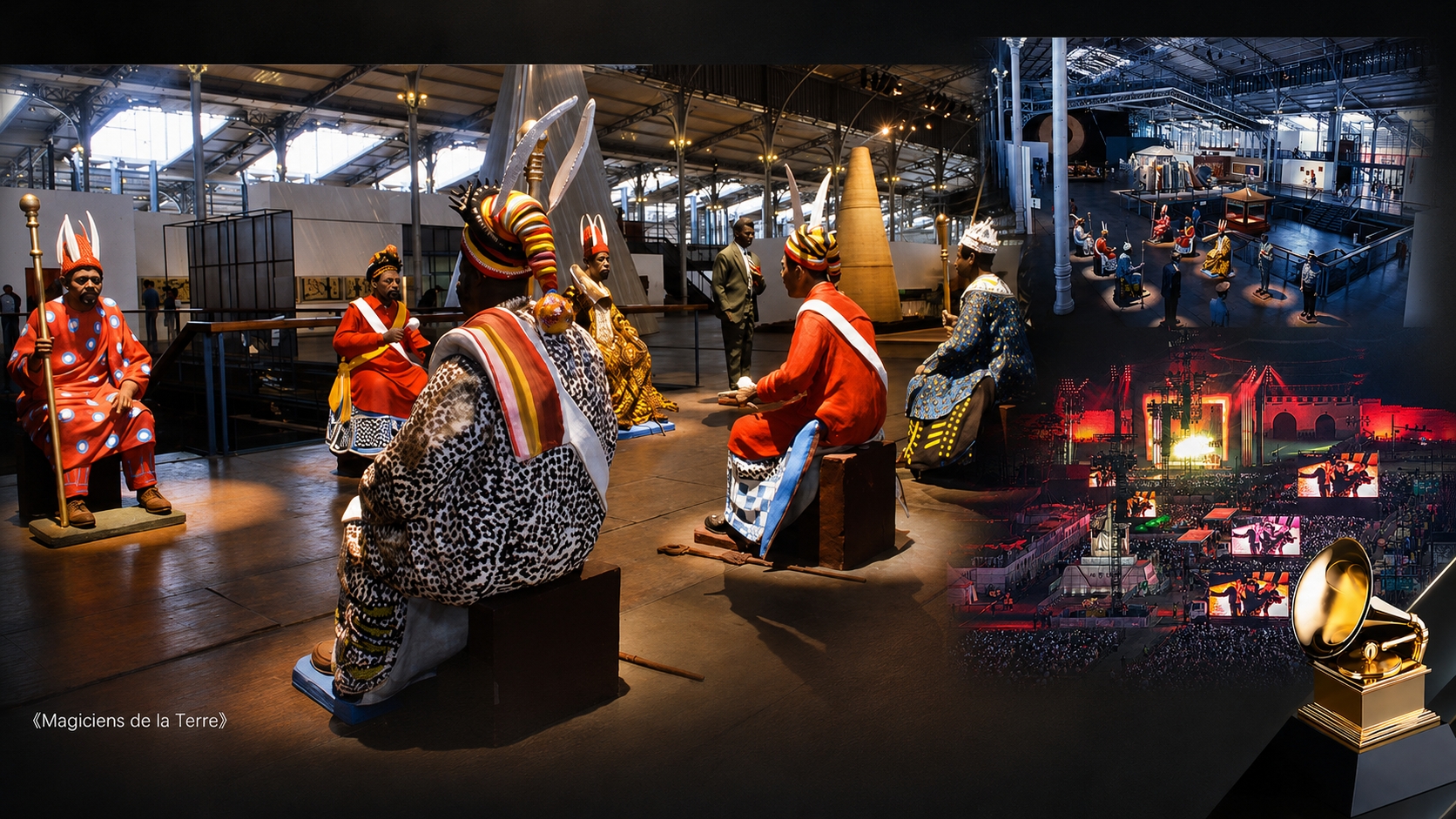
BTS emerged in Korea and developed within the cultural and industrial framework of K-pop. Yet the market in which its music is produced and consumed, as well as its audience and influence, moved beyond Korea’s geographical boundaries long ago.
2026.08.25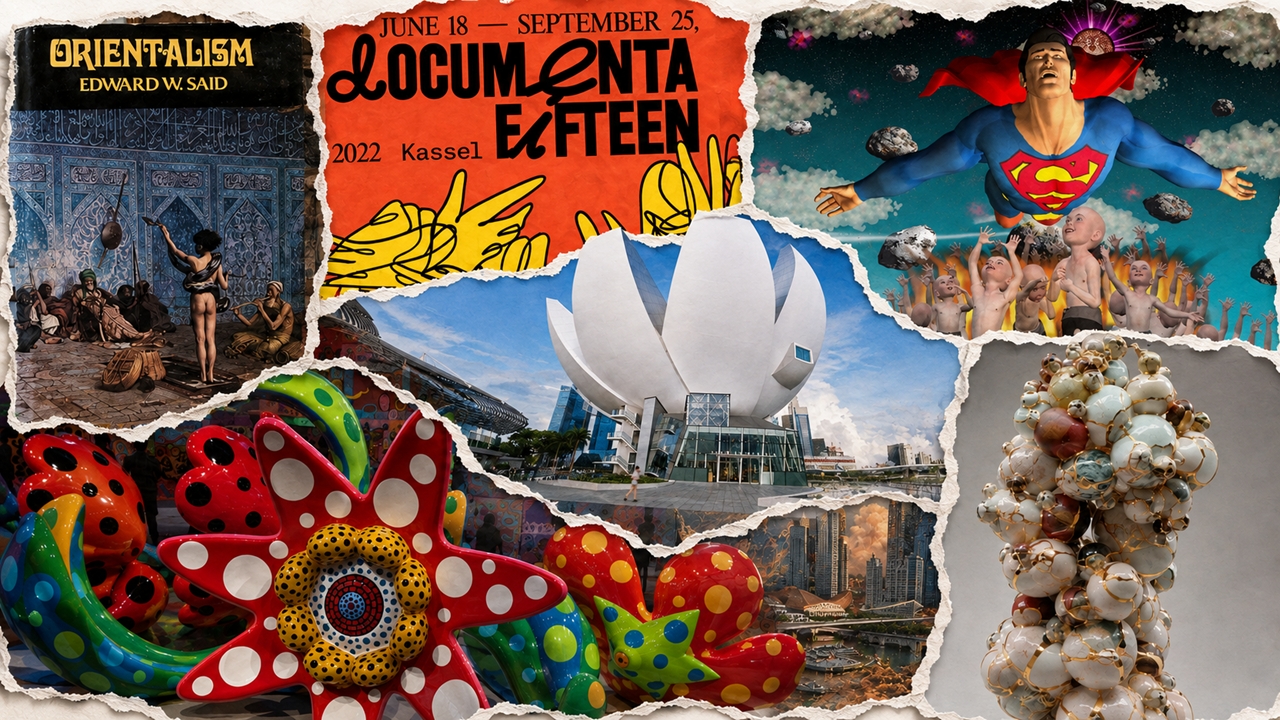
“Asian contemporary art” does not refer to a single shared style or aesthetic. Korea, China, Japan, and the countries of Southeast Asia each have distinct histories, political and social conditions, art institutions, and markets.
2026.08.11
The Anachronism series began by examining how Korean art has continued to understand and organize itself under changing conditions through languages, institutions, and models of success inherited from the past. It considered the recurring tendency to reproduce earlier
2026.07.28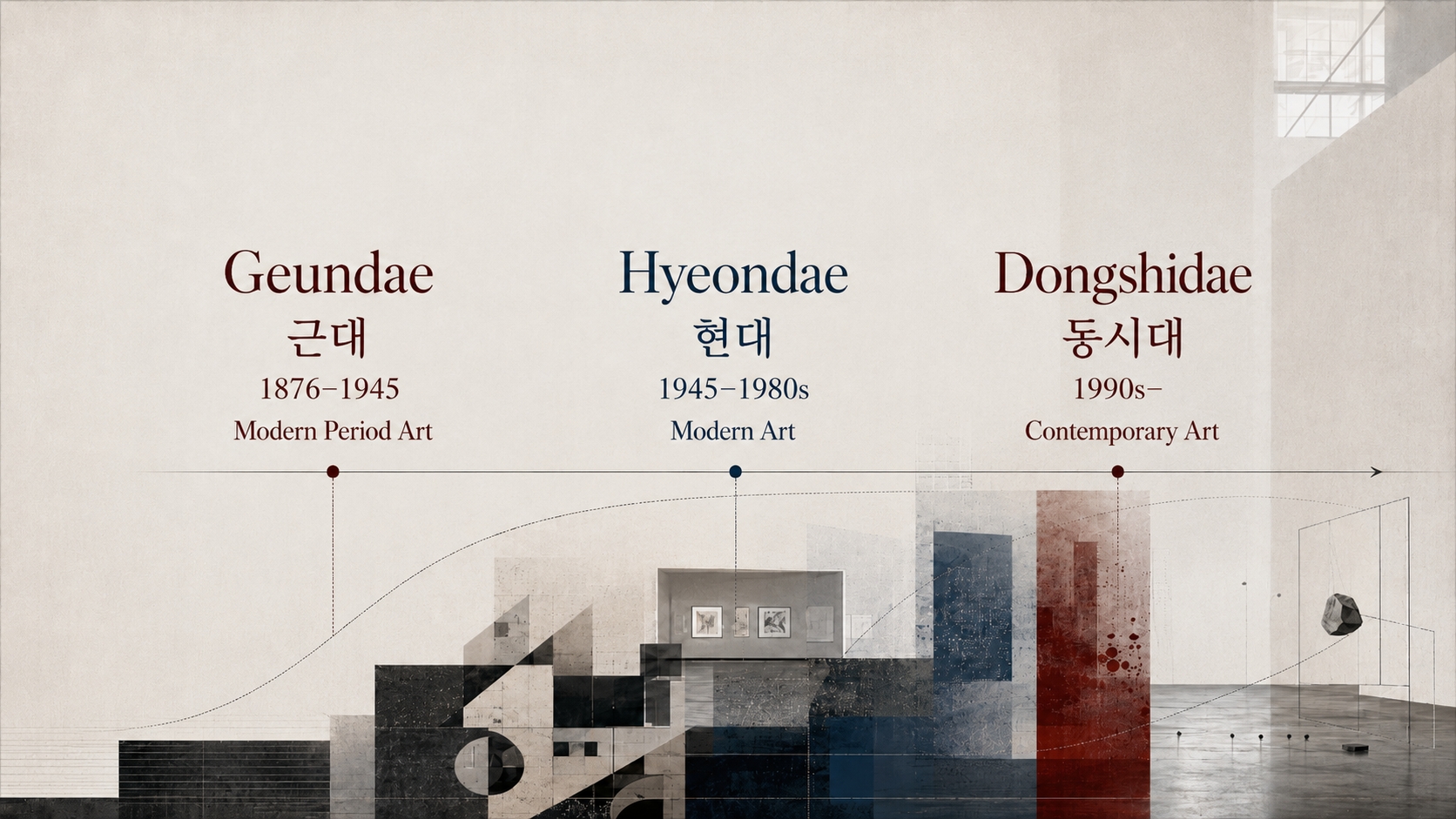
A fundamental problem in Korean art history remains insufficiently resolved: the criteria by which its historical periods are distinguished. When did Korea’s modern period in art begin? What does hyeondae misul—the category conventionally called “modern art” or “contemporary art” in Korean—actually signify, and where does it begin? And from what
2026.07.14
The previous two essays examined the anachronism of Korean contemporary art. The first identified the problem of explaining the present through the languages of the past. The second examined the structure through which past models of success continue to be repeated as strategies for the future.
2026.06.30