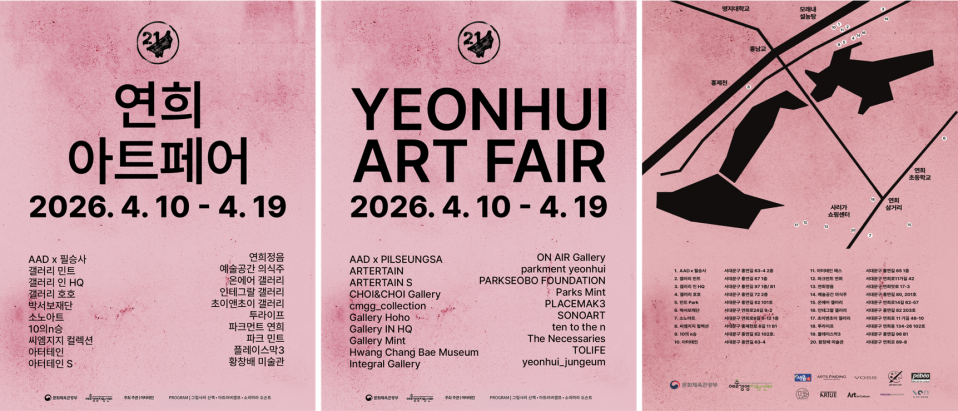
Yeonhui Art Fair 2026 Official Poster / Photo: Yeonhui Art Fair
The 2026 Yeonhui
Art Fair will take place from April 10 to 19 across the Yeonhui-dong
neighborhood in Seoul.
This event goes
beyond a simple platform for selling artworks. It brings together a wide
spectrum of practices—from emerging artists just entering the art market to
those already actively engaged—while aiming to create an environment in which
visitors can comfortably experience artworks and, ultimately, extend that
experience into collecting.
Participated in
by a total of 21 galleries and independent spaces, the fair adopts a
decentralized structure, connecting existing venues rather than concentrating
booths within a single exhibition hall.
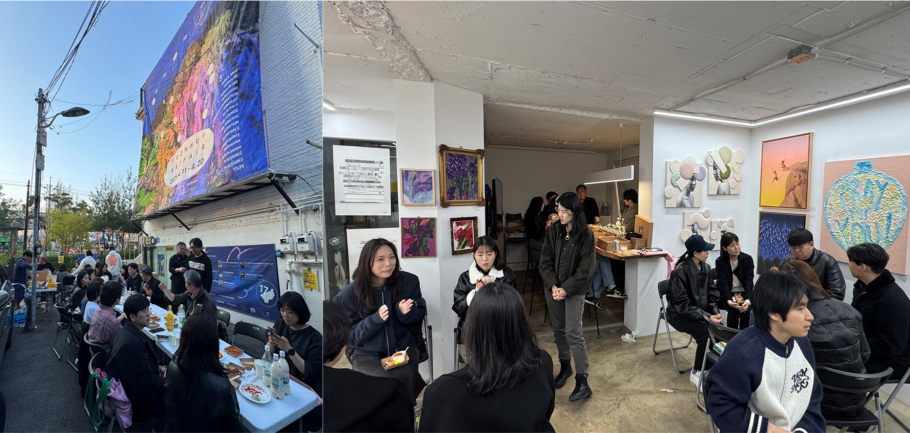
Opening View of the 2025 Yeonhui Art Fair / Photo: Yeonhui Art Fair
As a result,
visitors do not circulate within a fixed venue but instead move through the
streets and spaces of Yeonhui-dong, encountering exhibitions in varied
contexts. This structure shifts art away from being a singular object of
consumption, transforming it into an experience shaped through movement and
duration, and suggests an alternative approach to how art is produced and
circulated.
A Structural
Model for a Local Cultural Ecosystem
The core of the
Yeonhui Art Fair lies not in sales, but in its operational structure.
The fair was
formed through a collaborative network of galleries based in Yeonhui-dong, each
of which has continuously engaged in exhibitions, artist discovery, and
audience development. In this sense, the fair functions as an expanded field of
their ongoing activities.
While large-scale
art fairs tend to concentrate artworks and accelerate transactions through
capital and global networks, the Yeonhui Art Fair distinguishes itself by
building upon an already existing local gallery ecosystem and extending its
connections.
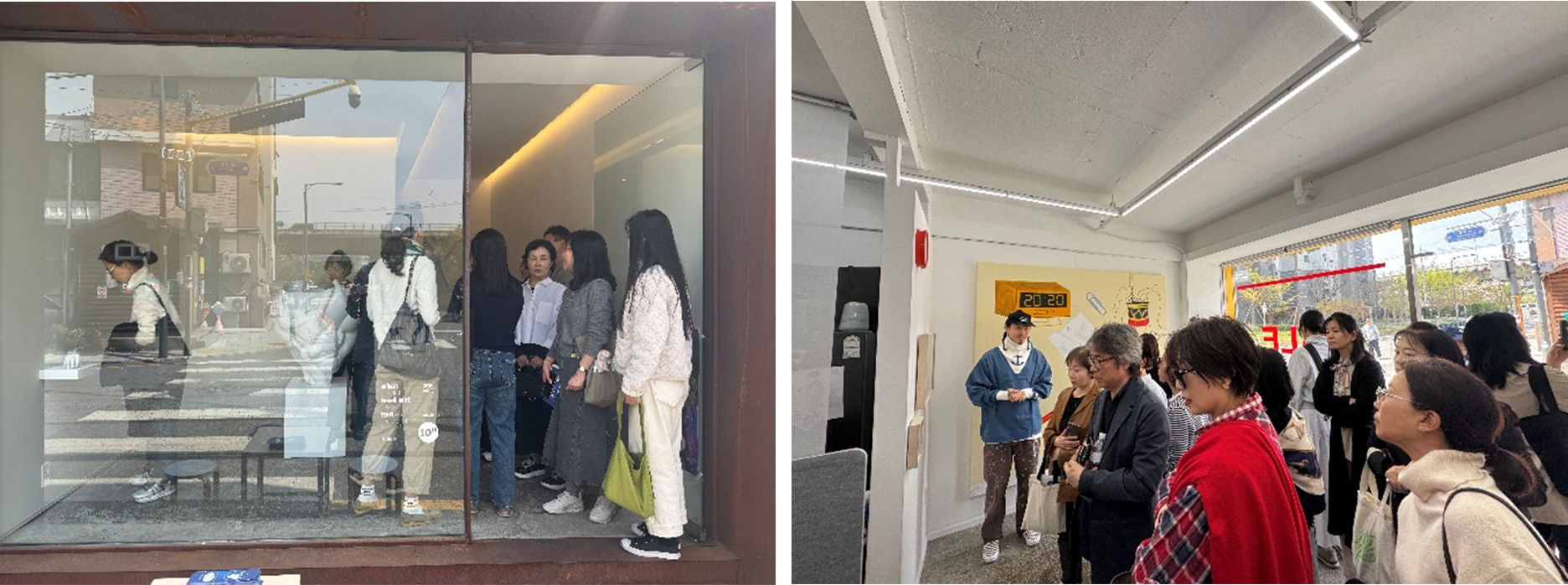
Installation View of Gallery Mint at the 2025 Yeonhui Art Fair / Photo: Yeonhui Art Fair
This structure
goes beyond the simple circulation of artworks, forming a system in which art
is produced and recirculated within the local context. It also suggests the
possibility that the art market may be reconfigured not as a centralized
platform, but as a network of multiple local nodes.
Furthermore, the
interaction among locally based exhibition spaces naturally facilitates the
influx of artists, contributing to a more stable and trustworthy operational
foundation within the Korean art market.
Programs
Expanding Modes of Engagement
This year’s
Yeonhui Art Fair presents a range of programs designed to complement its mode
of viewing.
The “Art Lover
Camp” invites professionals from various fields to guide participants through
the process of viewing and purchasing artworks, while also addressing broader
topics such as market trends, artist writing, and branding. The program is
structured to lower the barriers for emerging collectors entering the art
market.
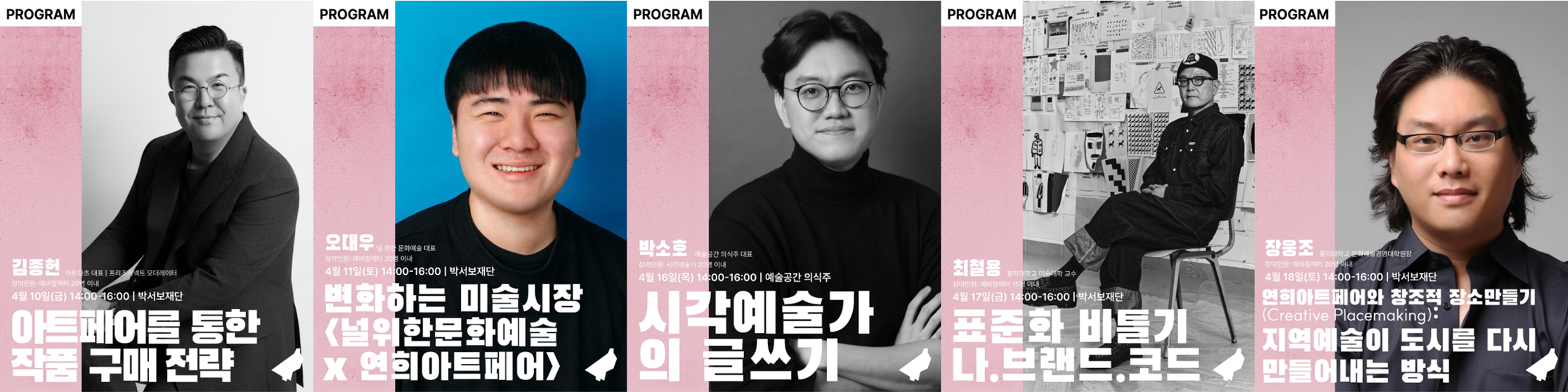
“Art Lover Camp” Program, Yeonhui Art Fair 2026 / Photo: Yeonhui Art Fair
The “Gallery Walk
for Collecting” is a docent-led program that guides visitors through the
galleries of Yeonhui-dong in a walking format. It goes beyond conventional
exhibition commentary, connecting the experience of viewing with an
understanding of acquisition and the broader art market.
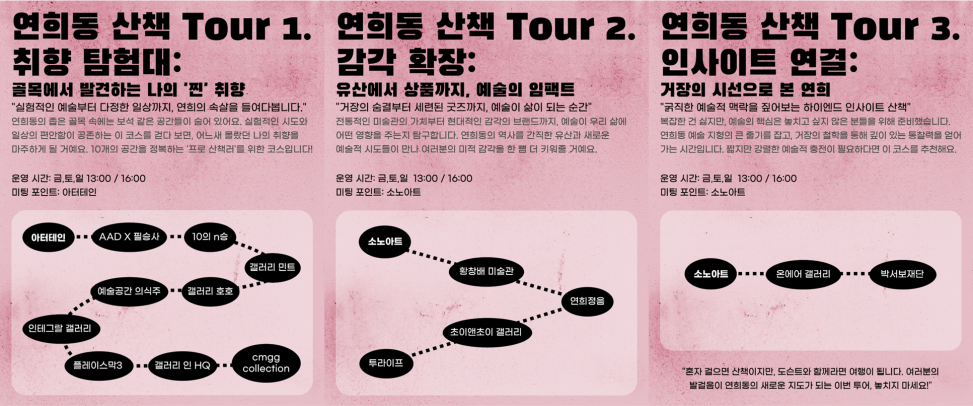
“Gallery Walk for Collecting” Program, Yeonhui Art Fair 2026 / Photo: Yeonhui Art Fair
Additionally, the
“Sound-guided Docent” program integrates exhibition viewing with live
performance. Featuring a procession-style performance by the traditional music
group Noreum Machi, it creates a new mode of engagement that combines visual
and auditory experience.
Collectively,
these programs lower the threshold of participation and expand art beyond the
consumption of a specific audience, repositioning it as part of everyday
cultural experience.
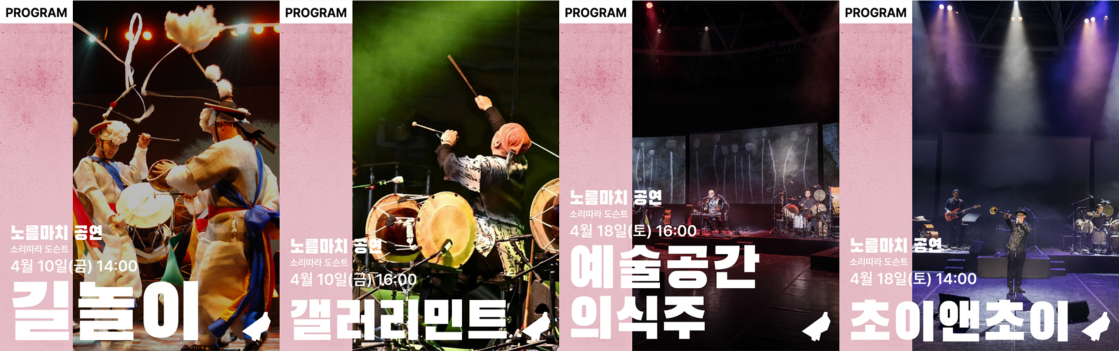
“Sound-Guided Docent” Program, Yeonhui Art Fair 2026 / Photo: Yeonhui Art Fair
Questions
After Gentrification
Local cultural
initiatives have often been entangled with processes of gentrification.
The influx of
artists and galleries can elevate the cultural value of a neighborhood, but it
frequently leads to rising rents and increased commercialization.
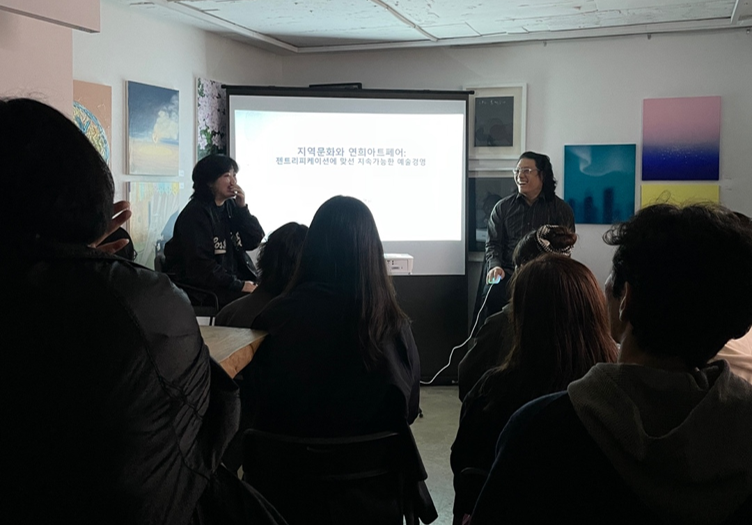
Art Talk Session at the 2025 Yeonhui Art Fair on “Sustainable Art Management Against Gentrification” / Photo: Yeonhui Art Fair
In this context,
the Yeonhui Art Fair raises a different set of questions.
Can a locally
rooted art ecosystem be sustained over time? And can art remain an autonomous
mode of production rather than becoming an instrument of capital?
Yeonhui-dong,
with its relatively moderate pace of commercialization and a dense presence of
small-scale galleries, has managed to preserve certain conditions for such
possibilities. The Yeonhui Art Fair can be understood as an experimental model
operating within this context.
Conditions for
a Self-Sustaining Ecosystem and New Discourse
Today, the art
market is increasingly being reorganized around capital-driven structures. Large-scale
art fairs, global gallery networks, and high-value artworks dominate this
landscape.
In contrast, the
Yeonhui Art Fair operates in a more open and accessible manner. Multiple spaces
participate independently, each shaping its own exhibition, while visitors
experience the fair by walking through the neighborhood rather than circulating
within a single venue.
Although the fair
does not yet hold the scale or influence of major international art fairs, its
significance lies not in its size but in its direction. It demonstrates the
possibility that art, originating from a local context, can be produced,
circulated, and connected with audiences through its own structural logic.
Ultimately, the
Yeonhui Art Fair repositions art not as an object of consumption, but as a
cultural practice accumulated within a specific locality, presenting a viable
model for the sustainability of a local art ecosystem.
Hwang
Hee-seung and Artertain Gallery
The Yeonhui Art
Fair is organized and led by Hwang Hee-seung, co-director of Artertain Gallery.
Based in Yeonhui-dong, Artertain has been actively engaged in the local art
scene, initiating the Yeonhui Art Fair in 2020 in collaboration with
neighboring galleries and continuing its development to the present.
Initially launched without a dedicated budget, the fair has since expanded its structure through support from the Ministry of Culture, Sports and Tourism and the Korea Arts Management Service.
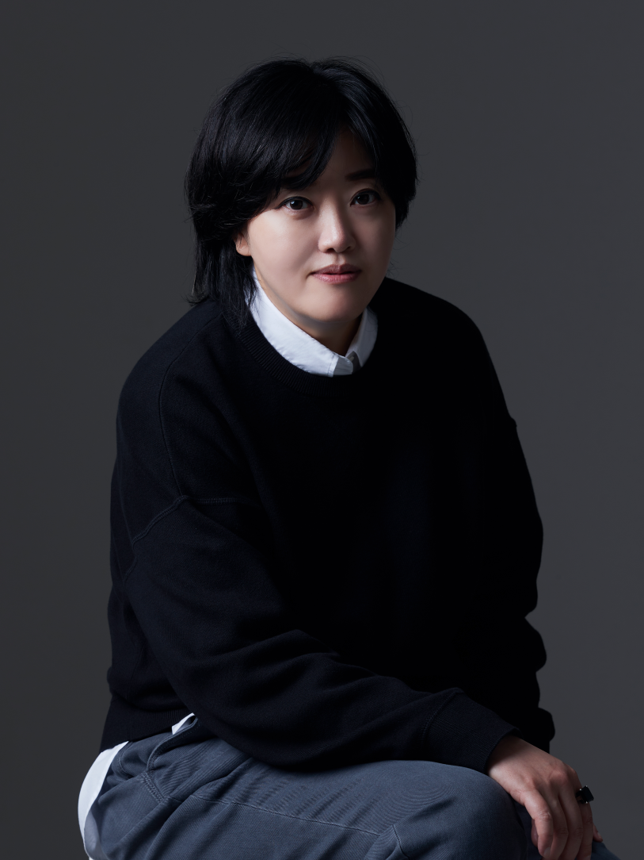
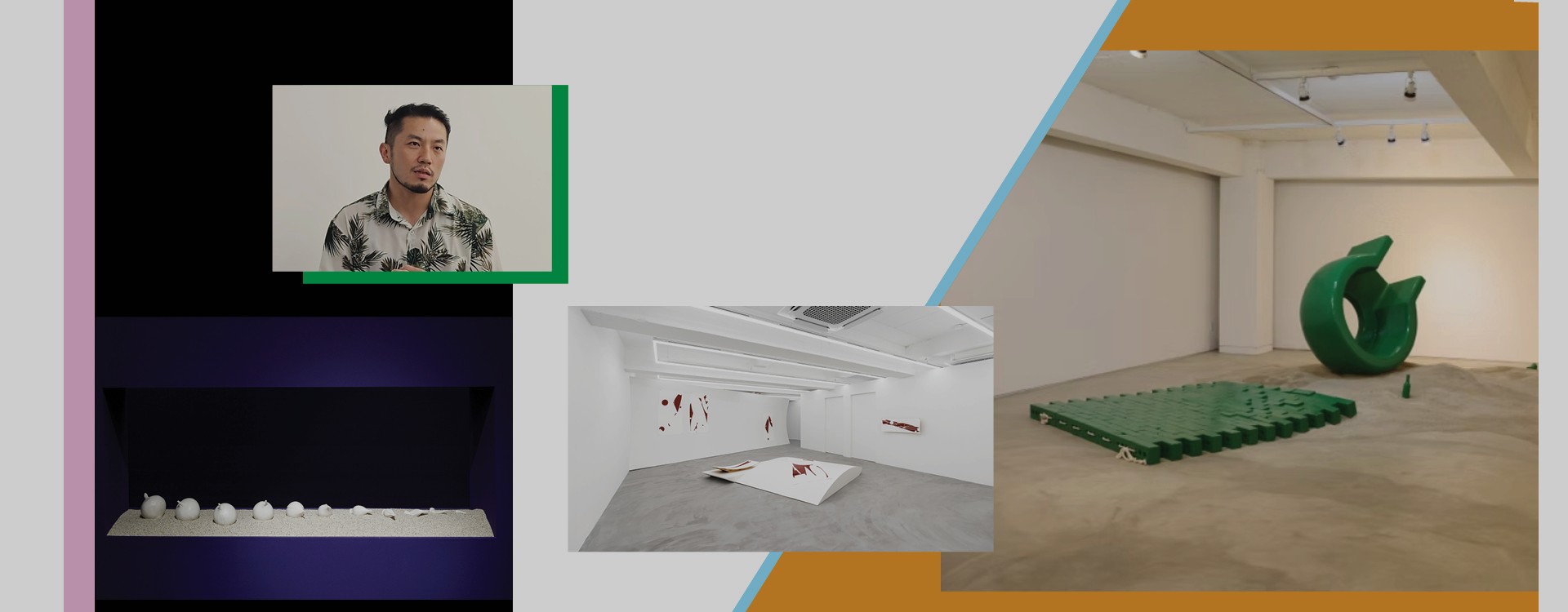
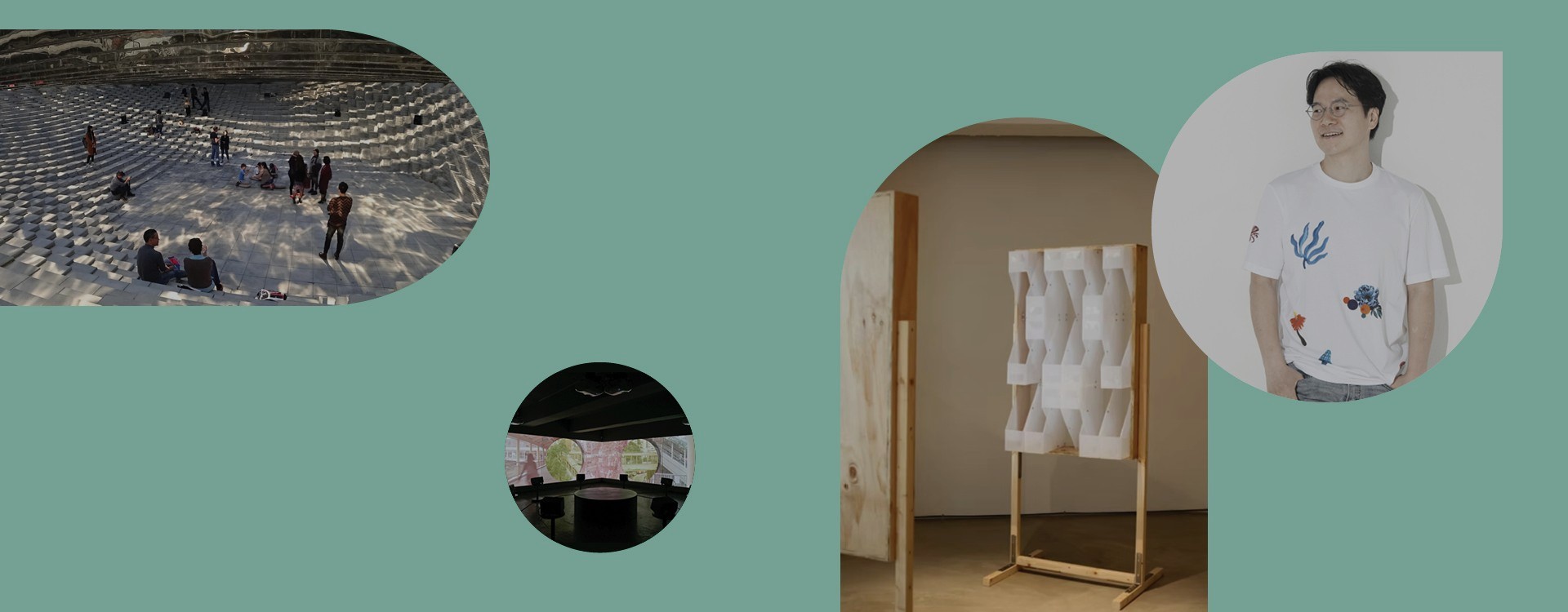
Hwang Hee-seung, Co-Director of Artertain and Founder of the Yeonhui Art Fair / Photo: Artertain
Hwang Hee-seung
has focused on establishing the fair not as a one-time event, but as a
sustainable cultural process rooted in the pace and structure of the
Yeonhui-dong area.
In this sense,
the Yeonhui Art Fair can be understood not simply as an event, but as an
accumulated structure of relationships and activities—an ongoing process of
experimentation and expansion.
Event
Information
• Title: Yeonhui
Art Fair 2026 “Call for Collectors”
• Dates: April 10 – April 19, 2026
• Hours: 13:00–18:00
• Venue: 21 galleries across Yeonhui-dong, Seoul
• Organizer: Artertain
• Contact: Hwang Hee-seung
• Tel: +82-2-6160-8445 / +82-10-9059-4233