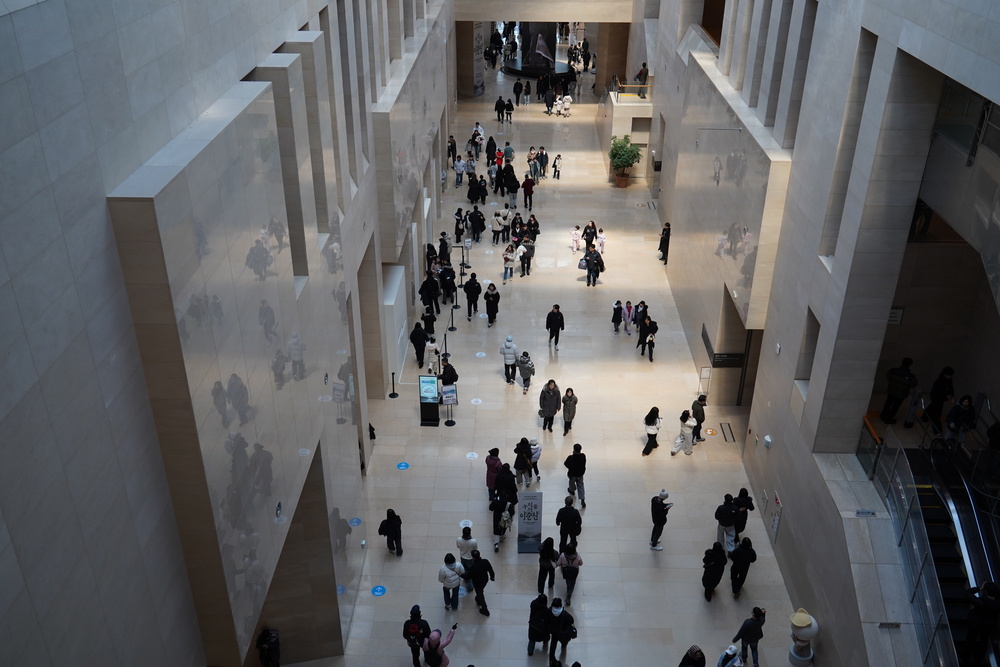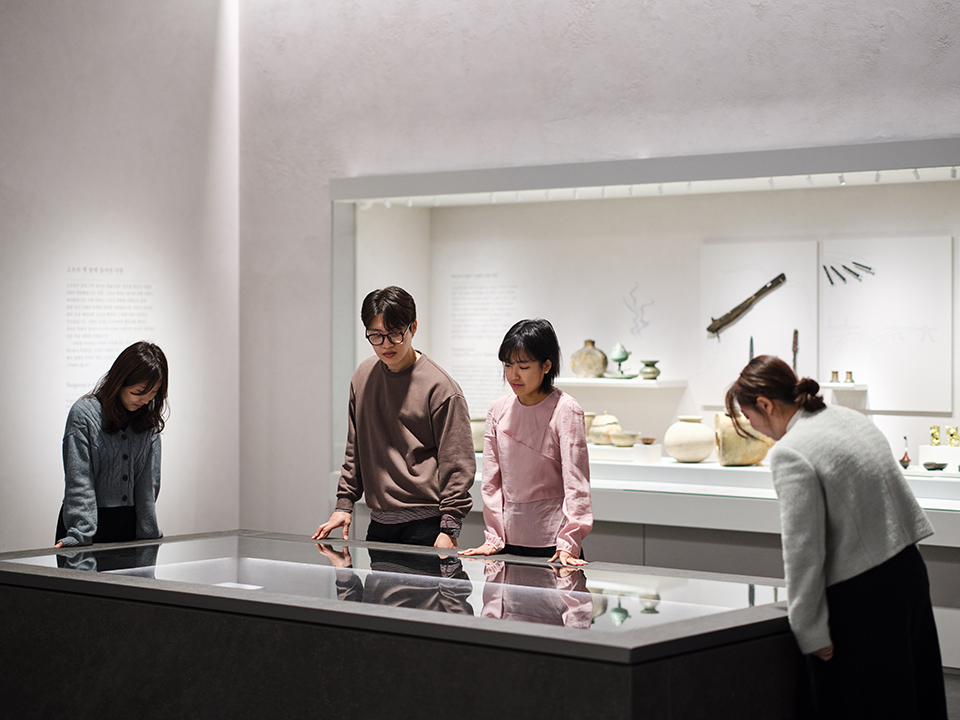

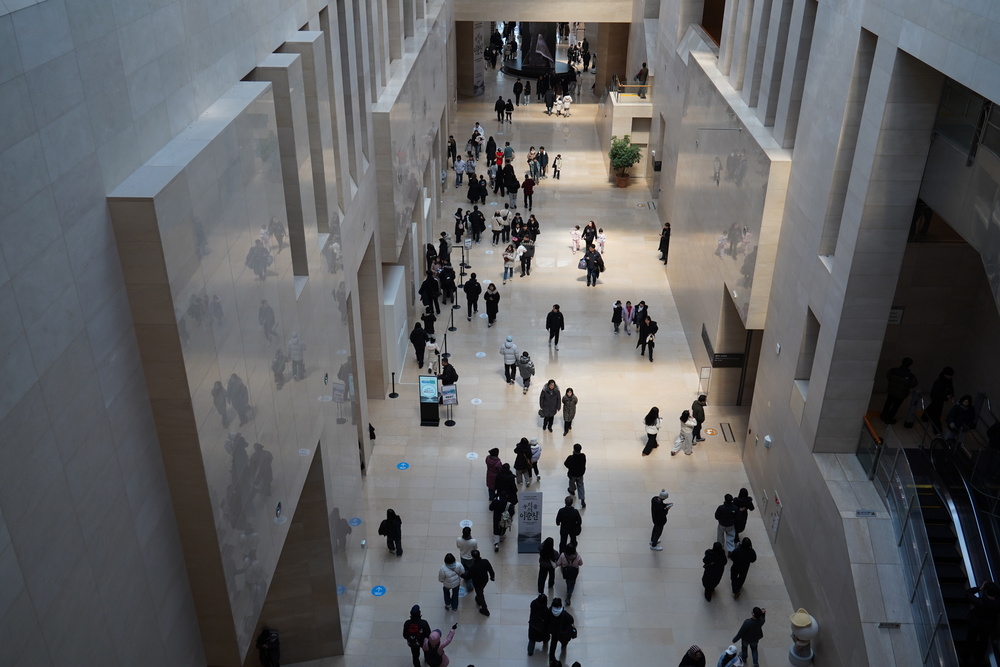
View of visitors in the National Museum of Korea ⓒ National Museum of Korea
On March 31, The Art Newspaper, an international
art journal, released its report, “The World’s 100 Most Visited Art Museums in
2025,” in which several major national museums and art institutions in Korea
were included.
Among them, the National Museum of Korea
ranked third in the world in terms of annual visitors, underscoring its strong
presence among leading museums globally. Other major Korean institutions that
made it into the global top 100 include the National Museum of Modern and
Contemporary Art, Korea (35th), Gyeongju National Museum (39th), Buyeo National
Museum (78th), and Gongju National Museum (89th).
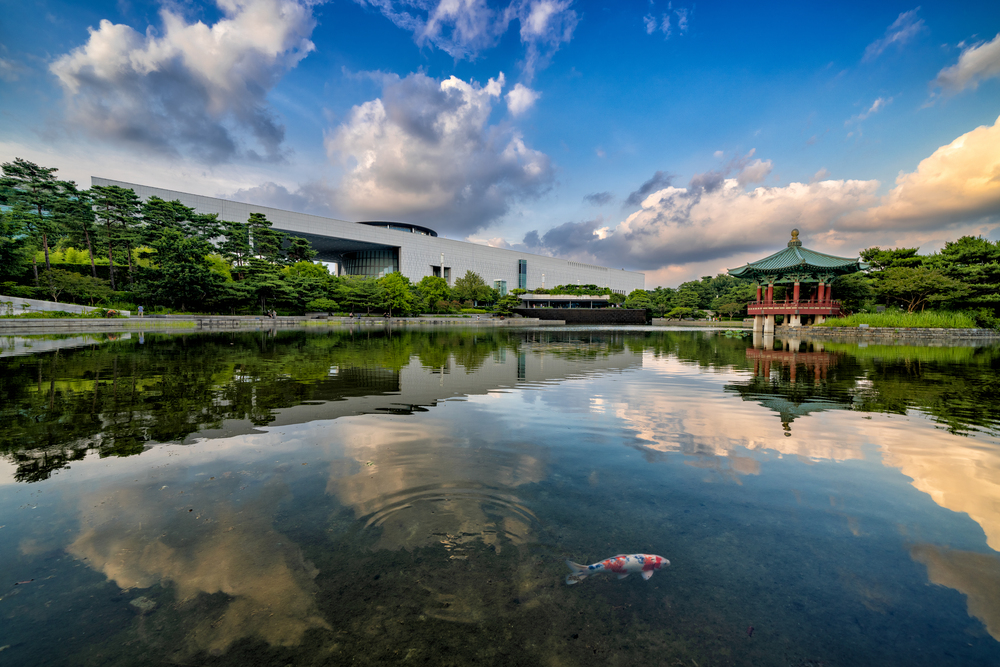
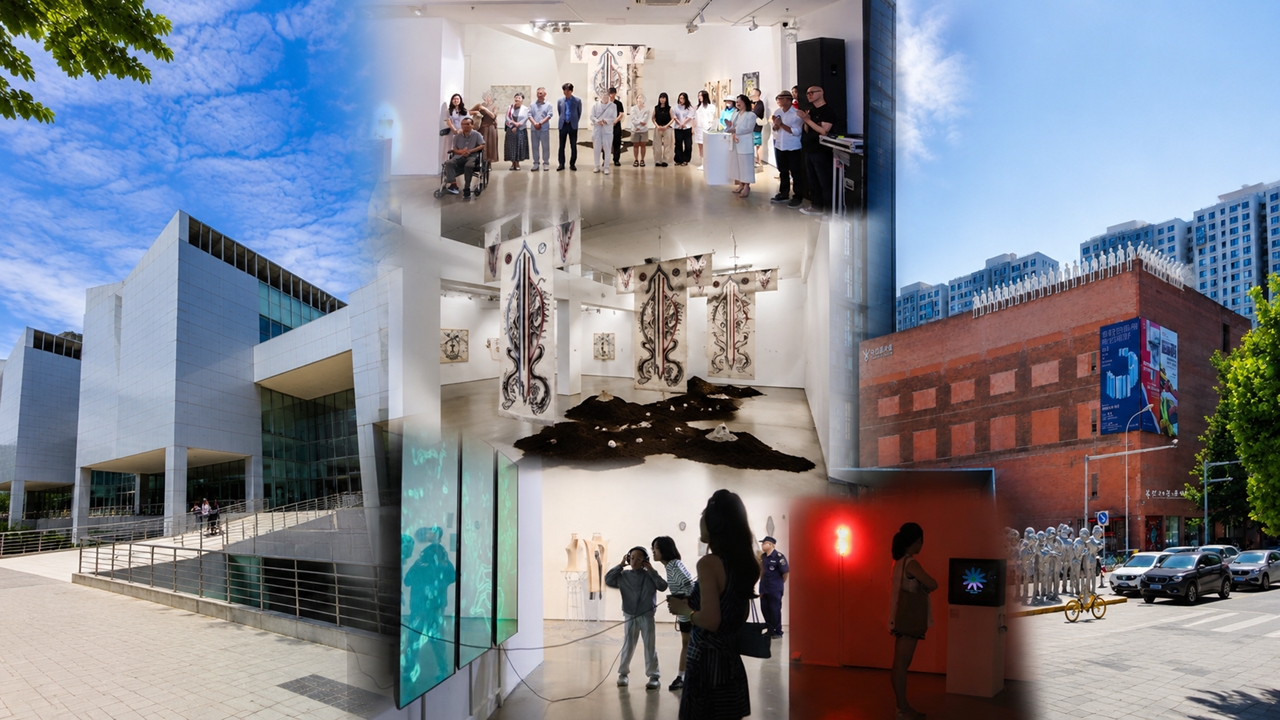
Exterior view of National Museum of Korea ⓒ National Museum of Korea
The National Museum of Korea recorded
6,507,483 visitors in 2025, making it the third most visited museum in the
world, following the Louvre Museum (9,046,000) and the Vatican Museums
(6,933,822). Notably, it surpassed leading global institutions such as the
British Museum (6,440,120) and the Metropolitan Museum of Art in New York
(5,984,091), highlighting the growing international and domestic interest in
Korea’s cultural heritage and its elevated global standing.
This upward trajectory is seen not as a
temporary surge in popularity, but as the result of a combination of factors,
including strong curatorial planning across both permanent and special
exhibitions, the expansion of visitor experience through exhibition innovation,
and the activation of cultural programs and merchandise.
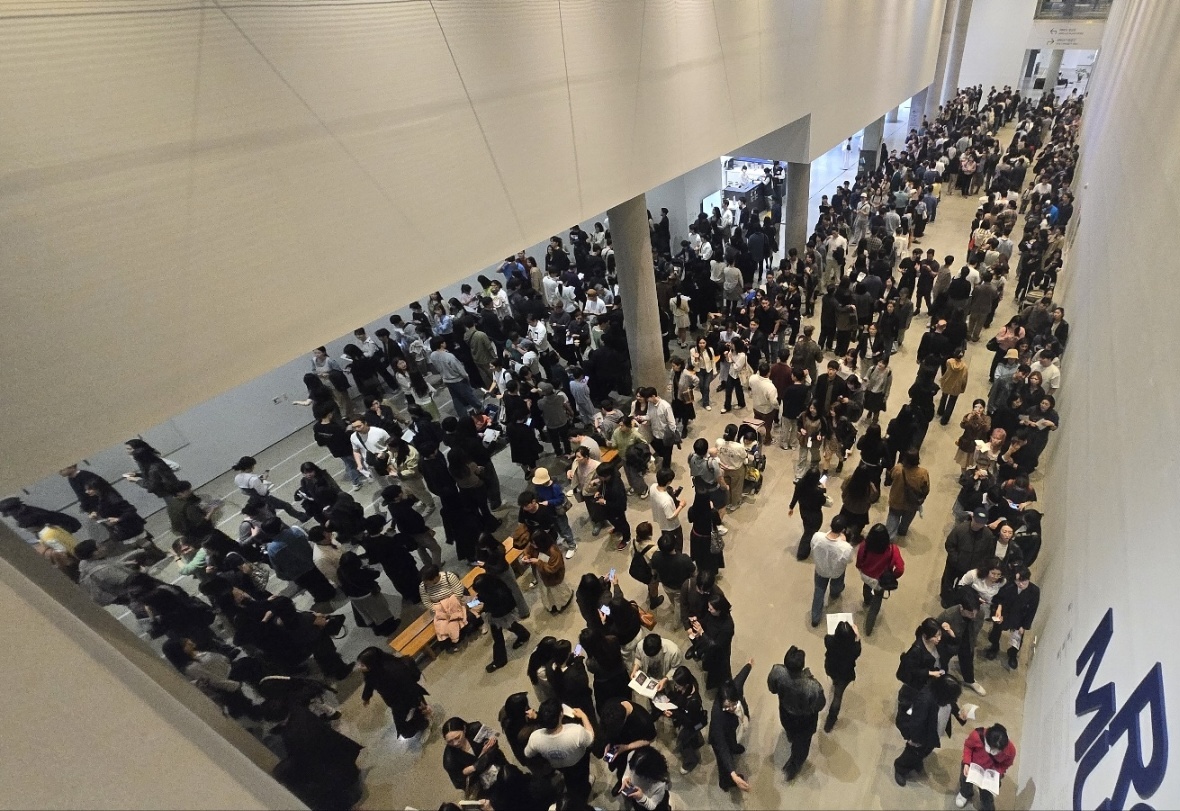
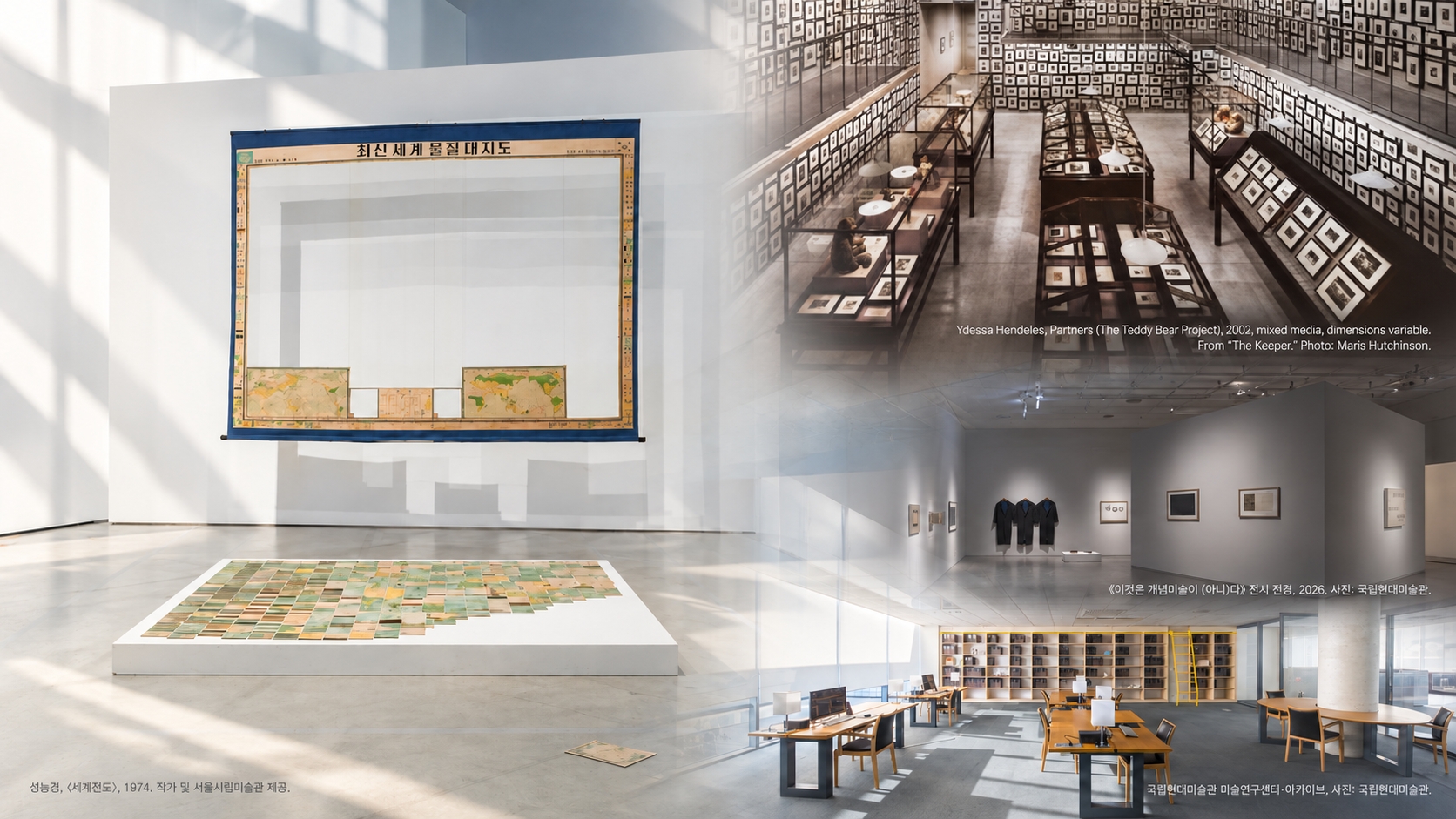
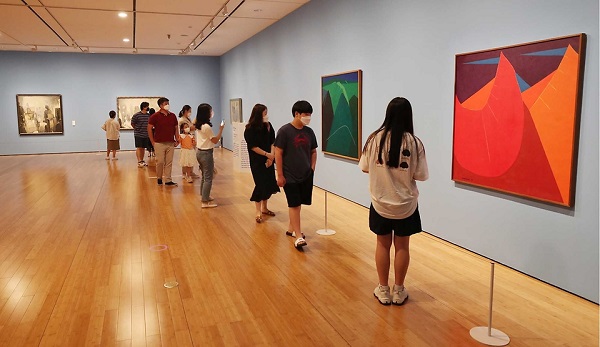
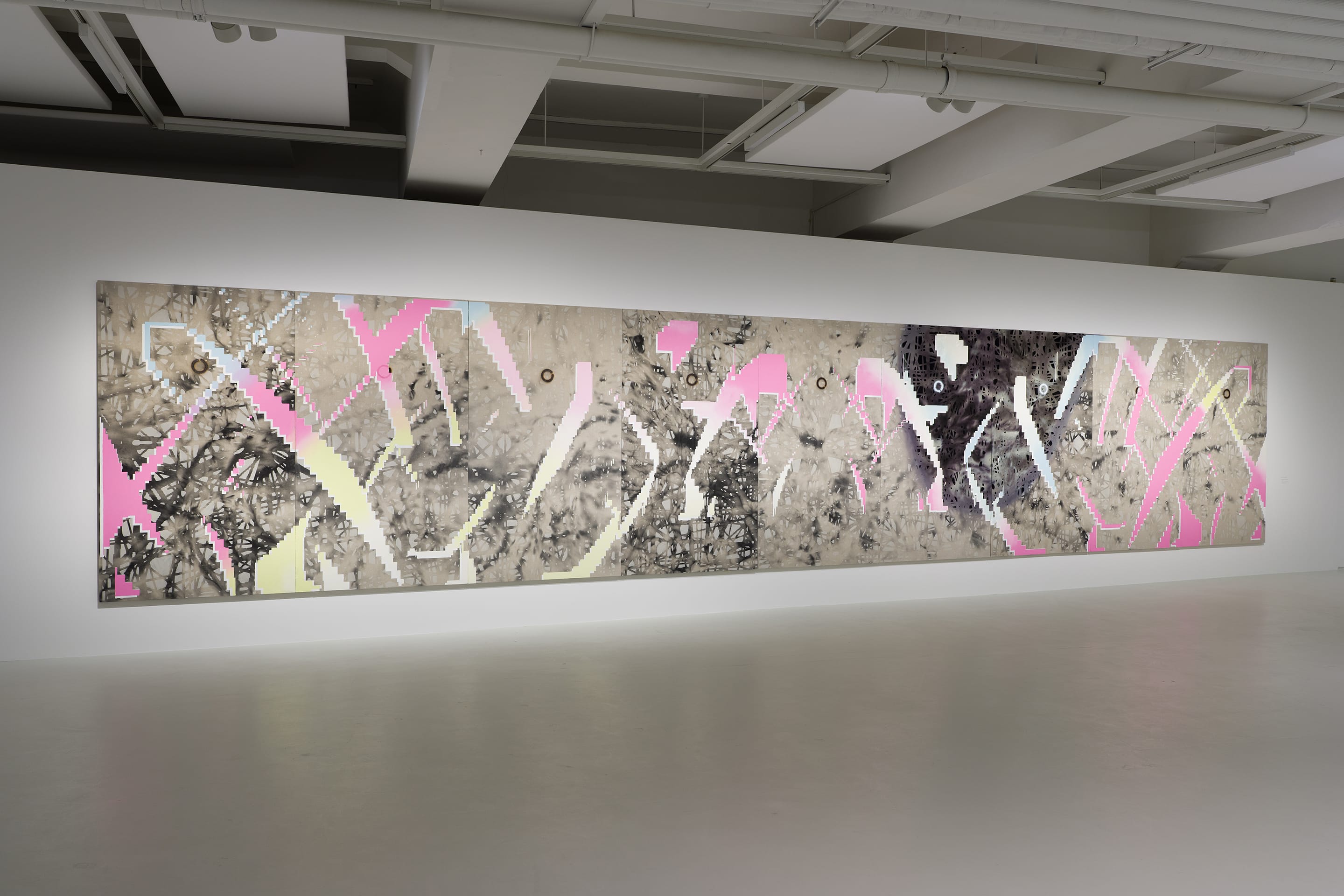
Exhibition view of 《Ron Mueck》 (MMCA Seoul, 2025) © MMCA
According to The Art Newspaper, “the most
striking growth was seen in South Korea.” It noted that “the National Museum of
Korea saw its visitor numbers surge by more than 70%, rising from 3.8 million
in 2024 to 6.5 million in 2025—one of the largest absolute increases observed.”
It further added that “branch museums in Jinju, Gyeongju, Cheongju, Buyeo, and
Iksan also recorded meaningful growth.”
The report also highlighted that MMCA Seoul
saw a 28% increase, reaching 2.1 million visitors, and assessed that “the
global enthusiasm for Korean culture is translating into museum visits both
domestically and internationally.”
As a result, five of Korea’s national
cultural institutions have entered the global top 100, further solidifying the
international presence of Korean museums and art institutions. This underscores
the expanding interest in Korea’s art and cultural heritage, not only
domestically but also worldwide.
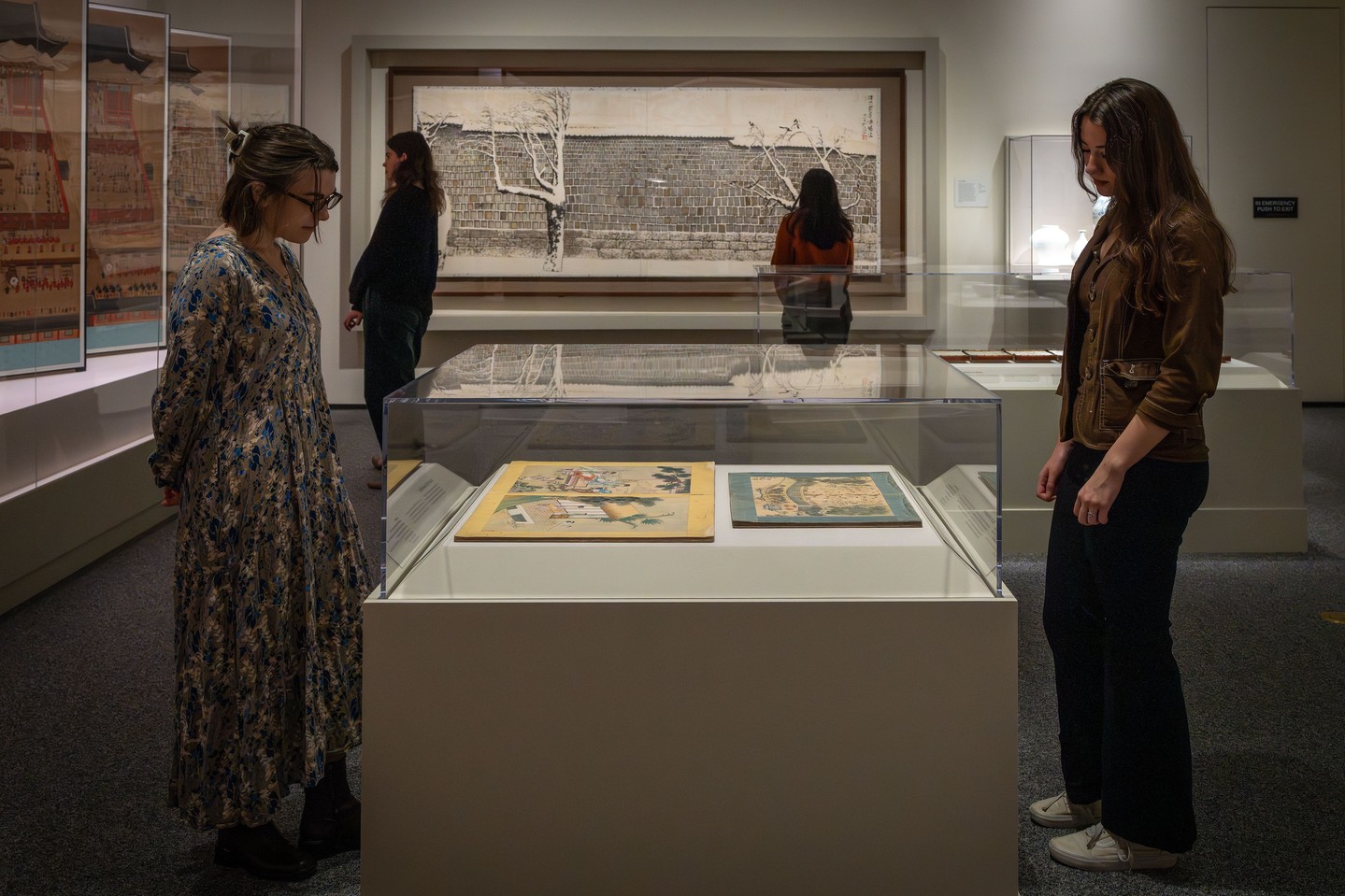
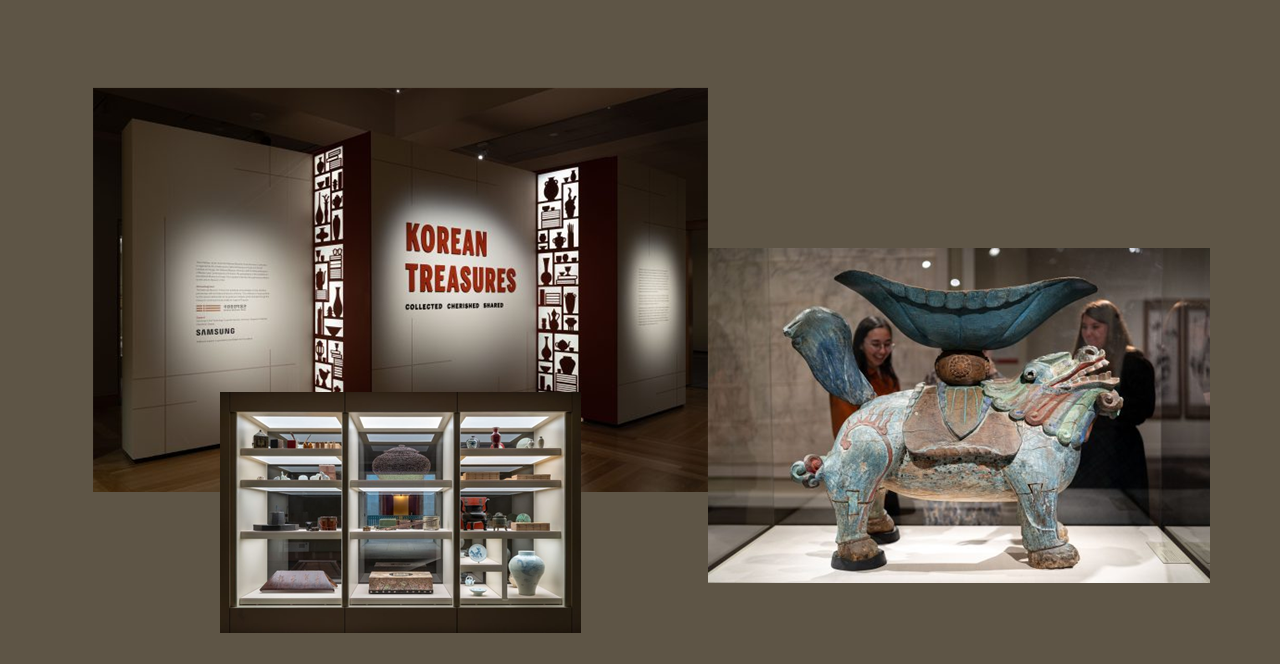
Installation view of 《Korean Treasures: Collected, Cherished, Shared》 (Smithsonian’s National Museum of Asian Art, 2025) © Smithsonian’s National Museum of Asian Art
In particular, the overseas touring
exhibition of works donated by the late Chairman Lee Kun-hee exemplifies this
trend. The inaugural presentation, 《Korean Treasures:
Collected, Cherished, Shared》, held at the Smithsonian’s
National Museum of Asian Art in Washington, D.C., concluded successfully on
February 1, attracting 80,000 visitors.
This figure marks the highest attendance
for a special exhibition at the Smithsonian’s National Museum of Asian Art in
the past decade. According to visitor satisfaction surveys in the United
States, it was also rated the “highest-rated exhibition” of the past 15 years.
Building on these achievements, the
National Museum of Korea stated that it plans to further solidify its status as
a leading hub of Korean culture and a globally recognized multidisciplinary
cultural institution.
Yoo Hong-jun, Director of the National
Museum of Korea, commented, “The museum’s ranking as third in the world is a
meaningful outcome of the growing global interest in K-culture, where attention
to its roots—Korean traditional culture and cultural heritage—has translated
into museum visits. It also reflects the high level of cultural awareness among
the Korean public. Moving forward, we will continue to expand opportunities for
cultural engagement and fulfill our role and responsibility as the cultural heart
of Korea.”