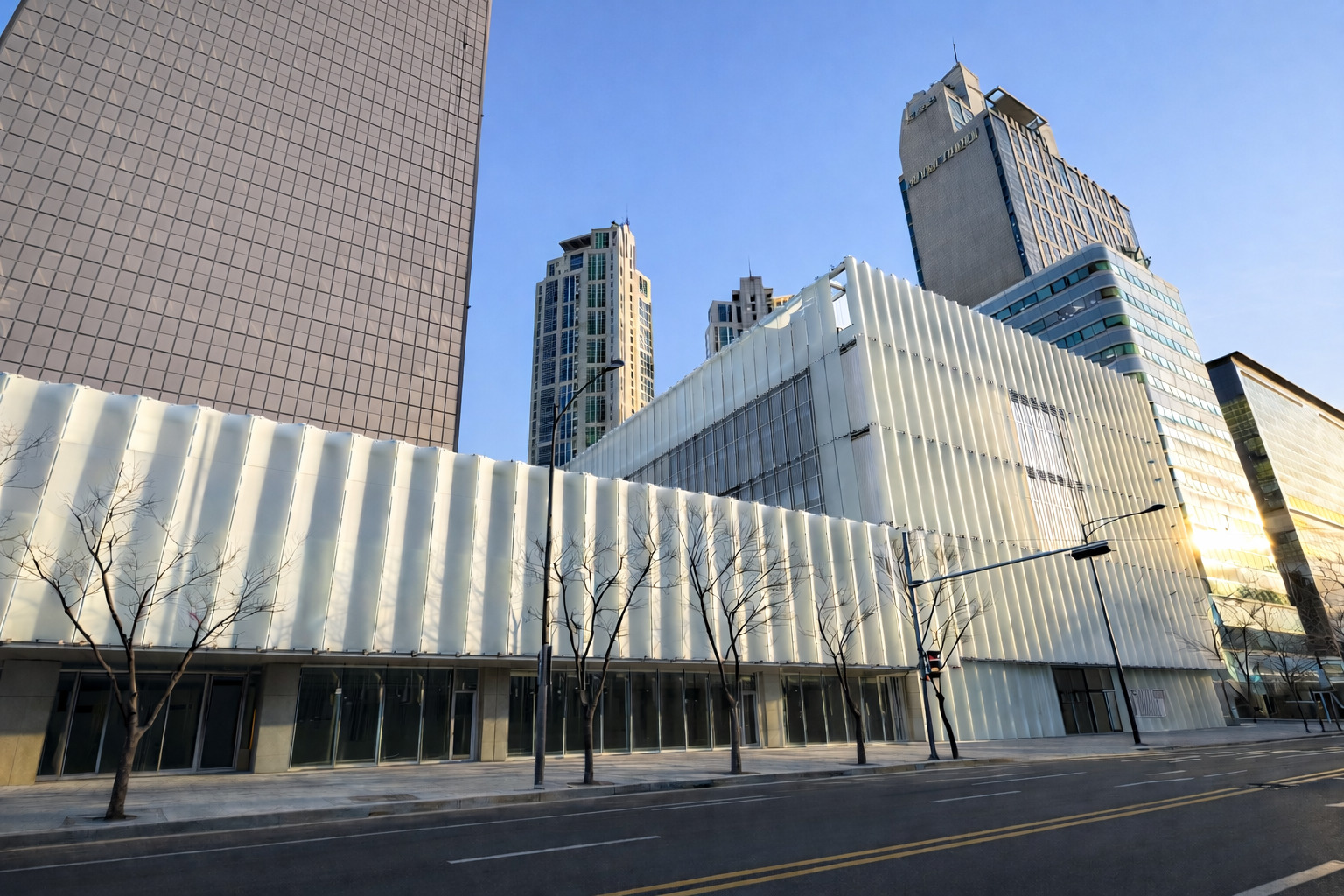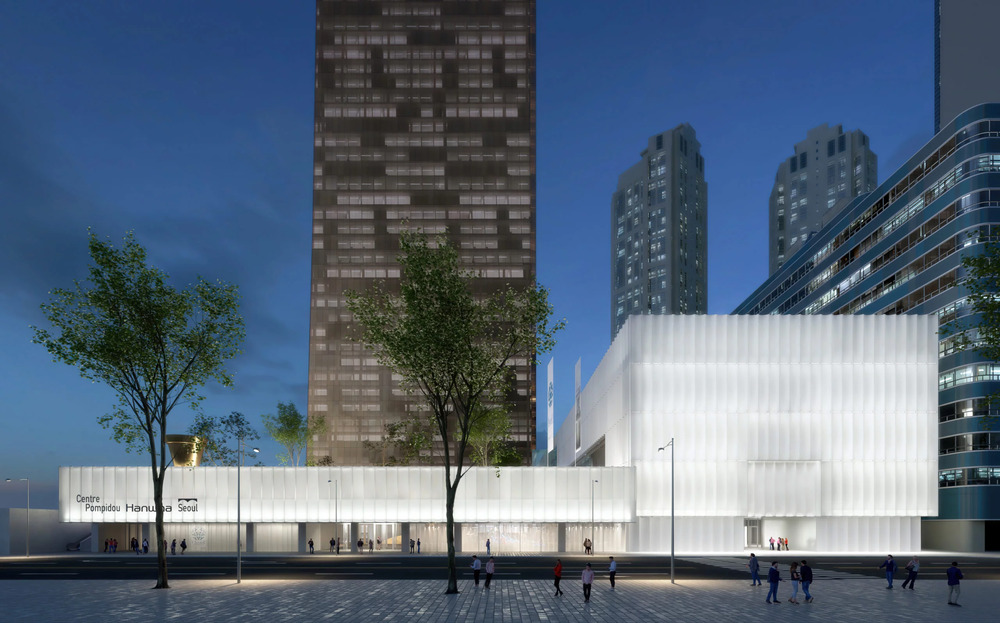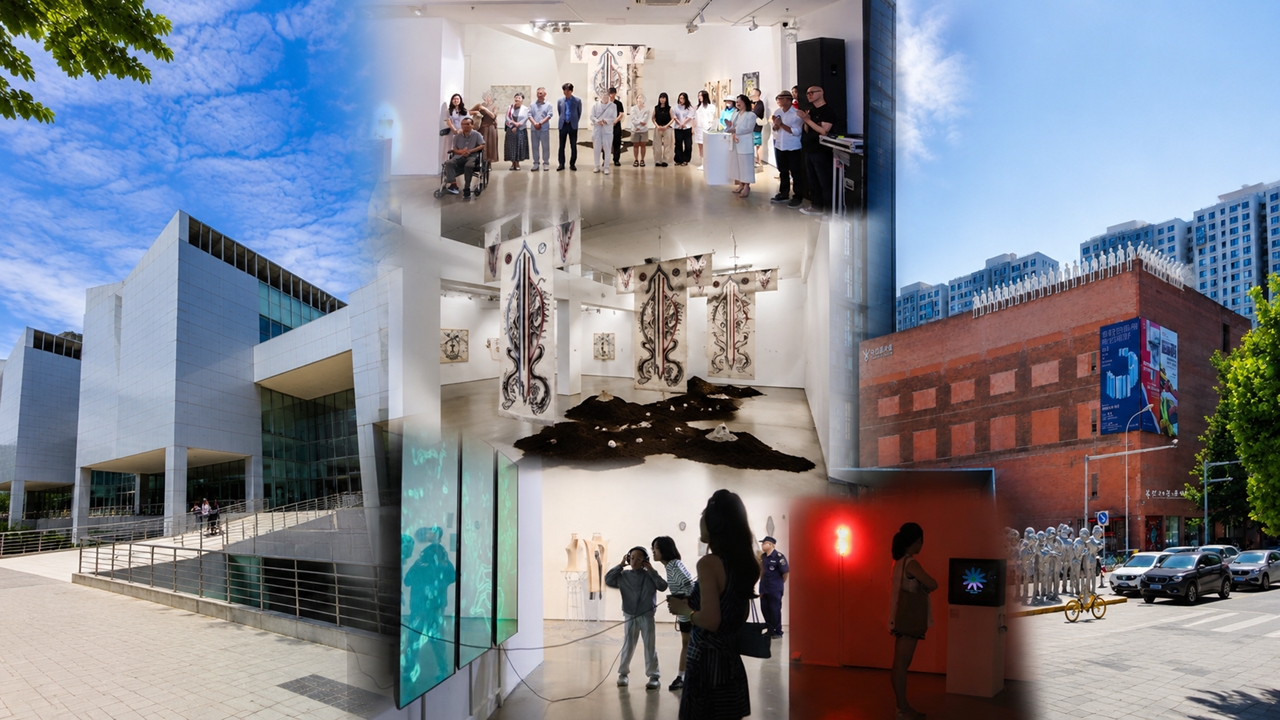

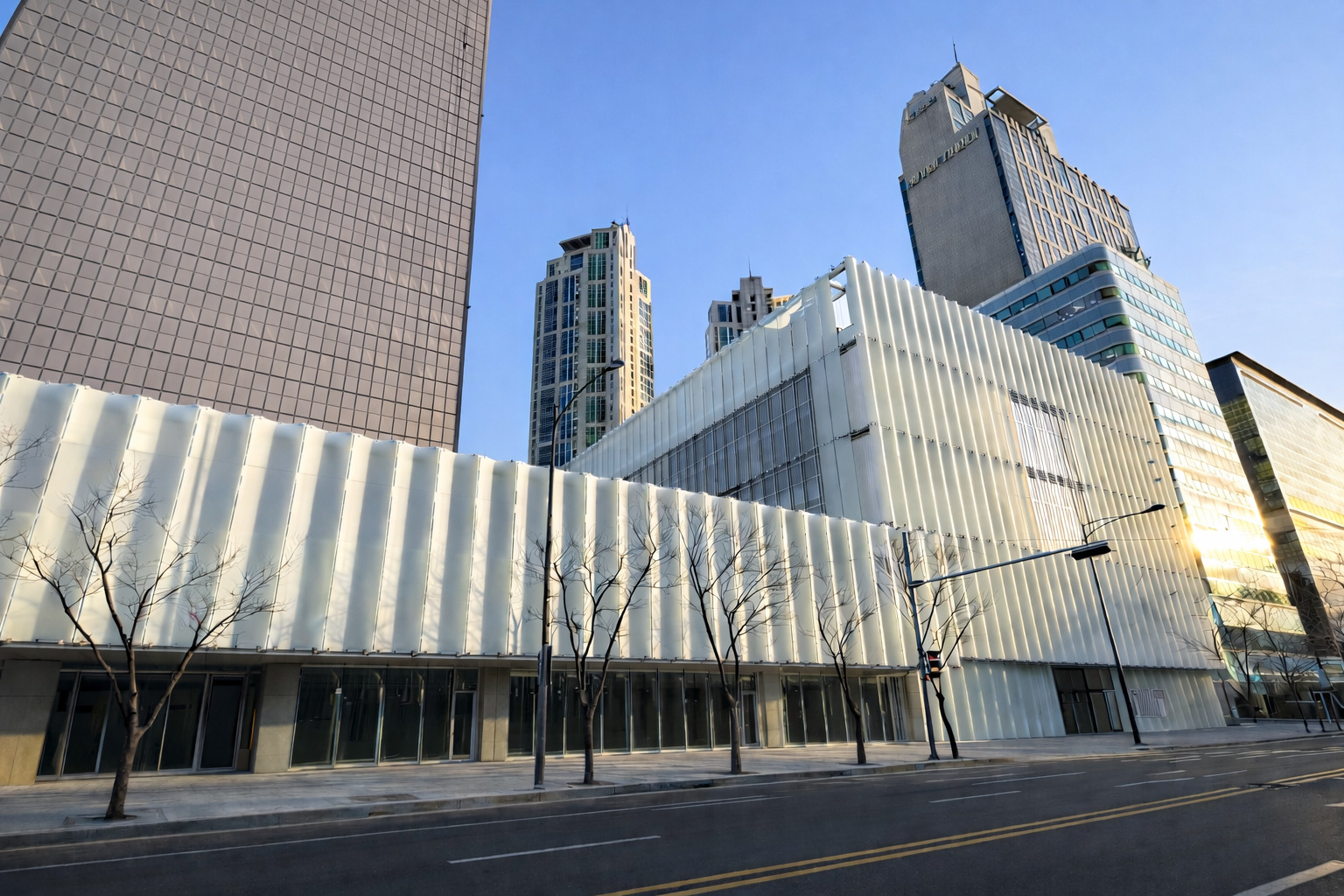
Exterior view of Centre Pompidou Hanwha © Hanwha Foundation of Culture
The
Centre Pompidou Hanwha, established through a partnership between the Hanwha
Foundation of Culture and France’s Centre Pompidou, is set to open this June at
the 63 Building in Yeouido, Seoul. Following the completion of construction in
late February, the museum will undergo interior installation and final
preparations before welcoming visitors starting June 4.
The
Centre Pompidou, France’s national museum of modern and contemporary art and a
multidisciplinary cultural complex, is widely known for its extensive
collection, which includes major works by artists such as Pablo Picasso,
Wassily Kandinsky, Henri Matisse, Marc Chagall, and Sonia Delaunay,
representing both modernism and contemporary art.
Over the
next four years, Centre Pompidou Hanwha will present two exhibitions annually
based on the Pompidou’s world-renowned collection. In addition to these
collection-based exhibitions, the museum will organize two to three original
exhibitions each year focusing on Korean and global contemporary art,
continuing to develop programs that connect international art historical
narratives with contemporary discourse within a Korean cultural context.
While
sharing the innovative DNA of the Centre Pompidou in France, Centre Pompidou
Hanwha aspires to become a forward-looking museum that reinterprets its
collection within Korea’s socio-cultural context. Beyond simply presenting
works from the collection, it aims to expand into research, interpretation, and
educational programs grounded in Korea–France collaborative curatorship.
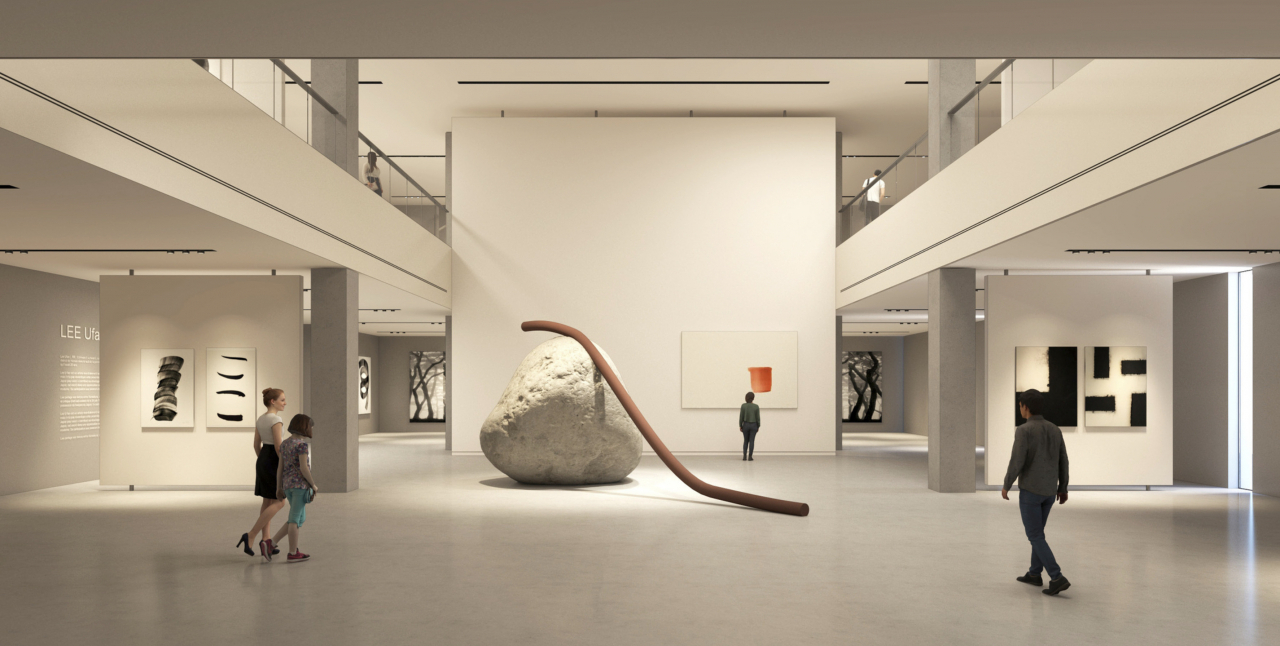
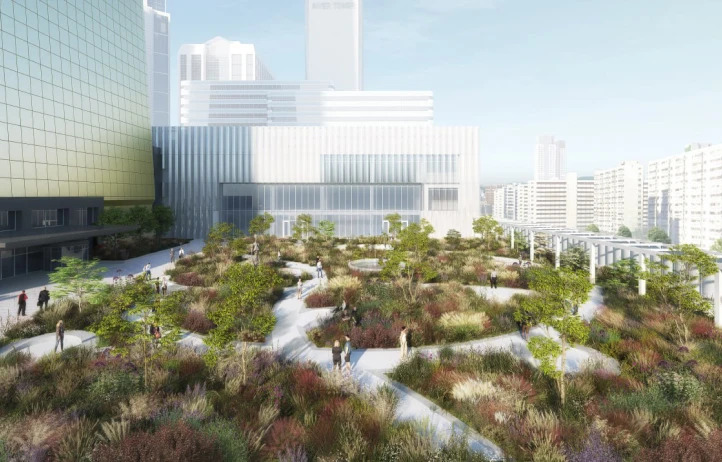
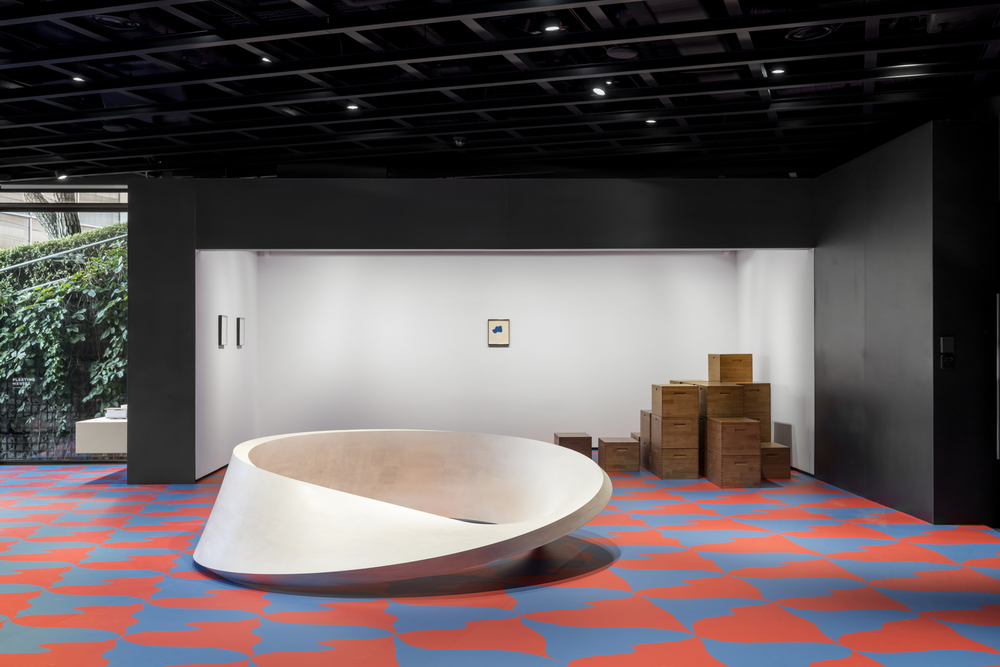
Exhibition space of the Centre Pompidou Hanwha © Wilmotte & Associés
It is
expected to offer visitors a new experience of encountering world-class art
collections, while providing the Korean art scene with an opportunity to
further expand its curatorial research foundation and international networks.
The ‘Centre
Pompidou Hanwha’ building has been fully remodeled from the former aquarium
annex of the 63 Building and reborn as an art museum featuring two main
exhibition halls, each spanning approximately 3,000 m². By boldly emptying out
the existing structure, the architecture realizes the concept of a “box of
light,” allowing natural light to penetrate deep into the space during the day
and radiate outward into the city at night.
The
exterior is characterized by a horizontal “band of light” that contrasts with
the verticality of the 63 Building, as well as a semi-transparent double-glazed
façade that evokes the curved lines of traditional Korean roof tiles. The
design was led by the renowned French architect Jean-Michel Wilmotte, known for
projects such as the renovation of the Louvre Museum, the Élysée Palace, and
Incheon International Airport.
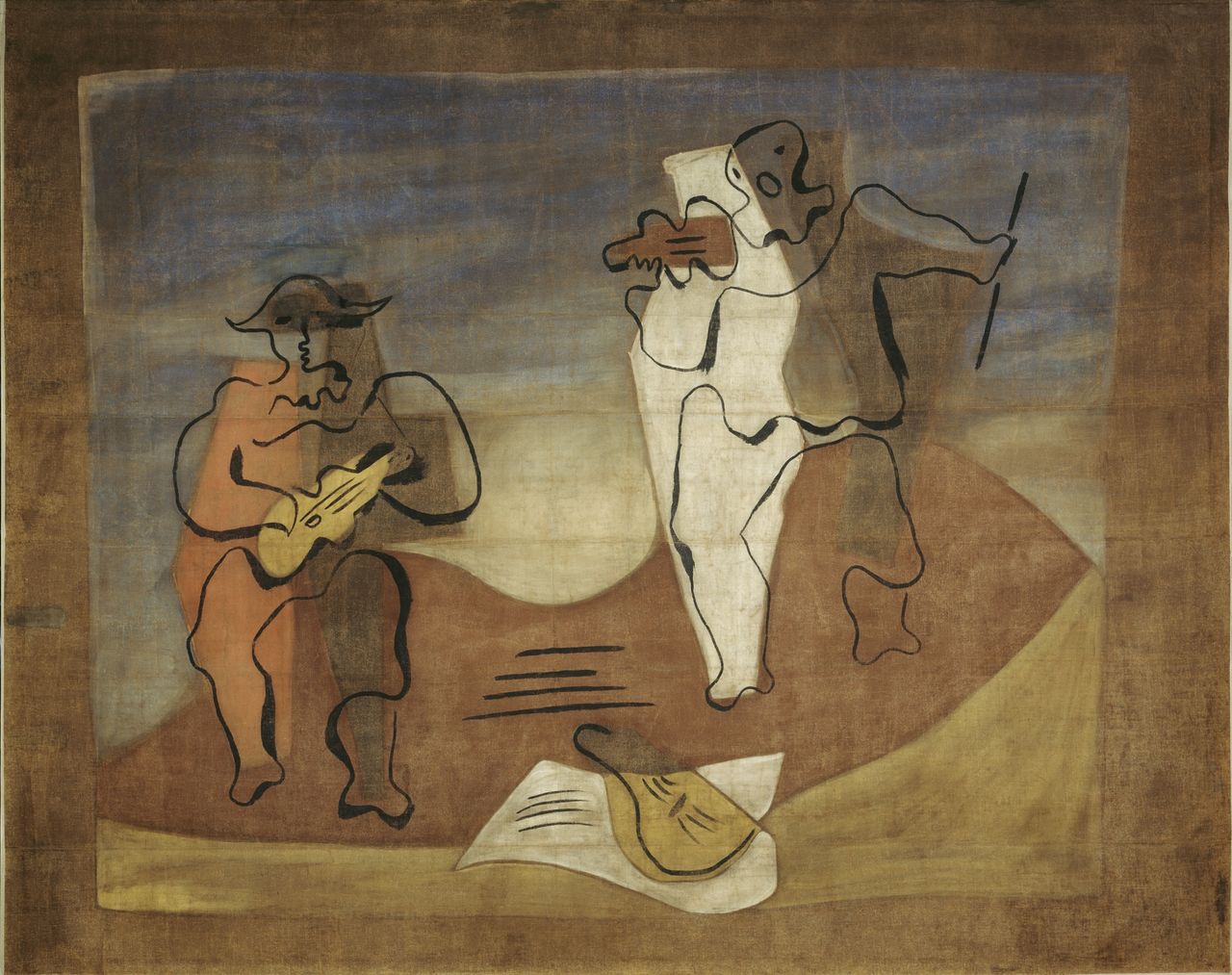
Pablo Picasso, Stage Curtain for Soirée de Paris (known as the “Mercure Curtain"), 1924. © Centre Pompidou, MNAM-CCI/Jean-François Tomasian/Dist. GrandPalaisRmn ⓒ 2026-Succession Pablo Picasso-SACK (Korea)
Opening
Exhibition “The Cubists: Inventing Modern Vision”… Picasso’s Mercure Curtain
Unveiled
Opening
on June 4, 《The Cubists: Inventing Modern Vision》 focuses on Cubism, the artistic movement that marked a major
turning point in 20th-century art. By spotlighting Cubism—which opened up a new
way of seeing in modern art—the exhibition symbolizes a “new beginning” for Centre
Pompidou Hanwha.
Notably,
this exhibition is not a simple touring presentation of the Pompidou
collection. It has been conceived through a collaborative Korean–French
curatorial partnership and unfolds as a large-scale exhibition spanning
approximately 1,000 pyeong across two galleries.
The
exhibition features leading figures of Cubism, including Pablo Picasso, Georges
Braque, Fernand Léger, Juan Gris, and Sonia & Robert Delaunay, alongside
artists less frequently encountered in Korea, such as Albert Gleizes, Amédée
Ozenfant, and Natalia Goncharova.
Rather
than a straightforward presentation of famous names, the exhibition takes a
more in-depth art historical approach, tracing the development of Cubism—from
its origins to its expansion and international dissemination—within a
chronological framework.
Comprising
over 90 paintings and sculptures by around 40 artists, the exhibition is
organized into eight sections and includes numerous rarely seen works that have
not previously been shown in Korea. A particular highlight is the first-ever
presentation in Korea of a large-scale ballet curtain created by Picasso
himself, expected to draw significant attention.
The
special section, “KOREA FOCUS,” reexamines the symbolic and cultural
significance of Paris in the formation of modern Korean art in the early 20th
century. By exploring the intersections between Western Cubism and various
artistic fields in Korea at the time—including fine art, photography,
literature, and dance—it sheds light on how post-Cubist avant-garde movements
continued to influence modern and contemporary Korean art.
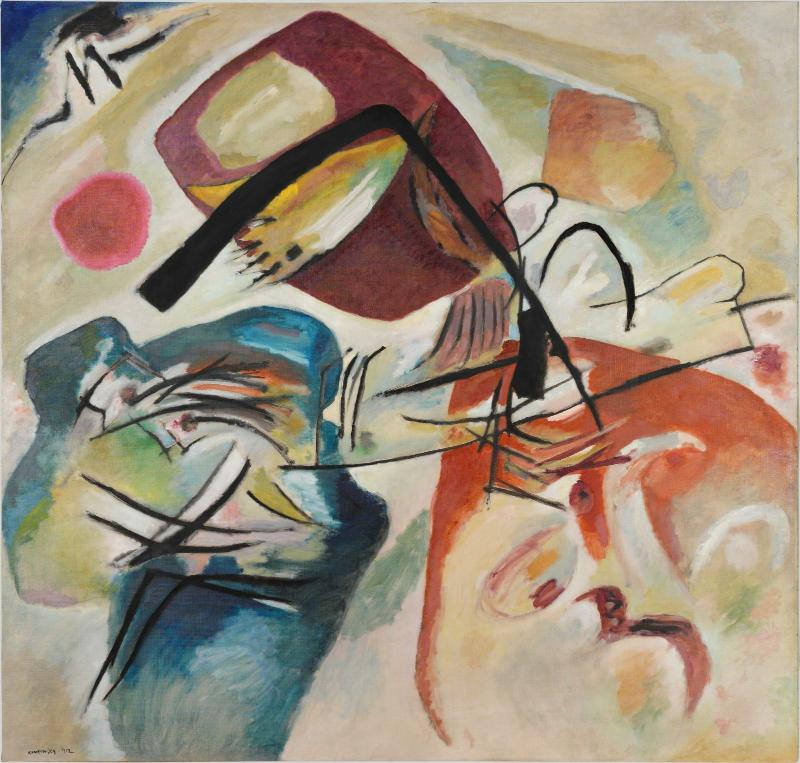
Vassily Kandinsky, Mit dem schwarzen Bogen (Avec l'Arc noir), 1912. © Centre Pompidou, Mnam-Cci/Jacqueline Hyde/Dist. GrandPalaisRmn
Following
the Opening Exhibition “The Cubists,” from Chagall and Kandinsky to Matisse and
Brancusi… A Four-Year Exhibition Roadmap
Following
its opening, Centre Pompidou Hanwha plans to present a diverse range of
exhibitions over the next four years, highlighting key currents of 20th-century
modern art based on the Pompidou collection, while also reflecting the
innovations of the avant-garde and the diversity of media and genres.
Beginning
with Cubism, which introduced a new way of seeing in art, the program will
continue through 2027 with exhibitions dedicated to major figures such as Marc
Chagall, Wassily Kandinsky, and Henri Matisse and Fauvism. Thereafter, the
museum will focus on Surrealism and abstract art, while also bringing renewed
attention to women artists who have historically remained on the margins of art
history.
A major
exhibition on Constantin Brancusi, widely regarded as a pioneer of abstract
sculpture, is also being planned as his first large-scale presentation in
Korea. In addition, the museum will continue to offer high-quality exhibitions
that combine iconic works from the Pompidou collection with in-depth
interpretation, including early digital art that traces the origins of the
21st-century digital and AI revolution.
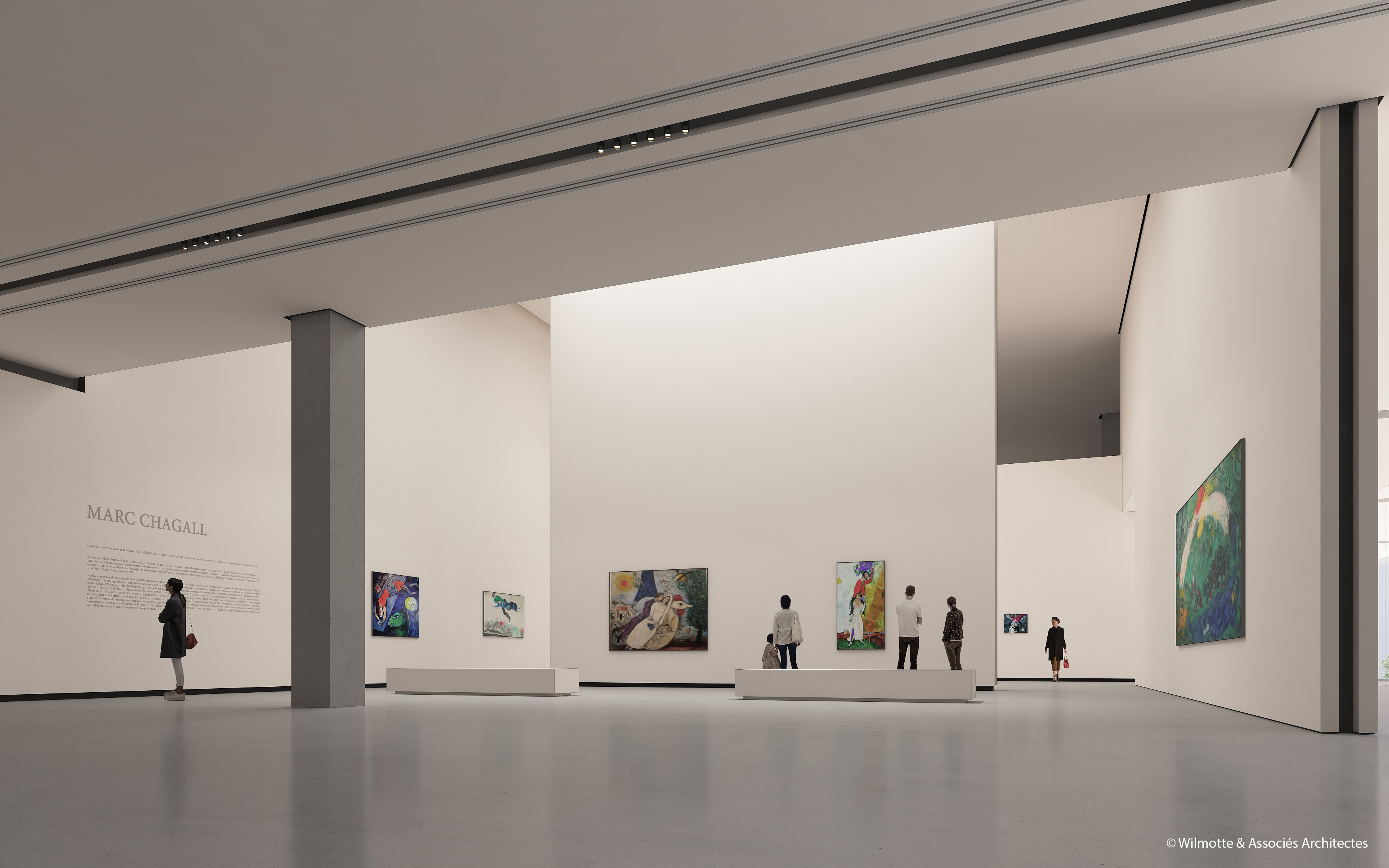
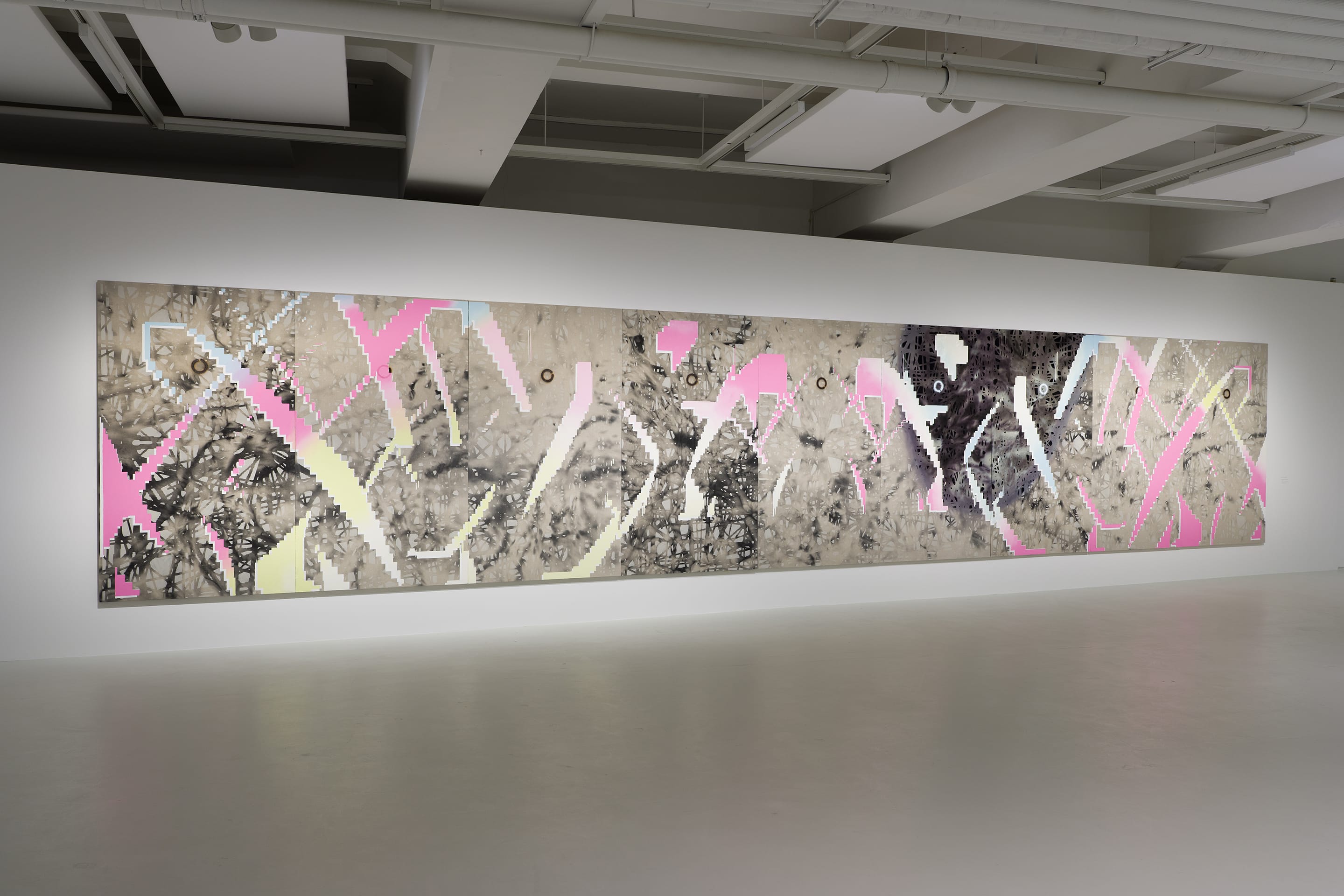
Exhibition space of the Centre Pompidou Hanwha © Wilmotte & Associés
Building
on this exhibition roadmap, Centre Pompidou Hanwha aims to serve as a cultural
bridge connecting Korea, France, and the global art world, contributing to
Seoul’s emergence as a key hub for contemporary art in Asia.
Laurent
Le Bon, President of the Centre Pompidou, stated, “A museum is not defined
solely by its building; rather, its essence lies in the spirit, values, and
expertise it shares with the world. The opening of Centre Pompidou Hanwha marks
an important milestone in our institution’s history and offers a meaningful
opportunity to engage with Korea’s dynamic cultural landscape and new
audiences.”
Lee
Sungsoo, Chairman of the Hanwha Foundation of Culture, remarked, “Centre
Pompidou Hanwha will be an open museum where art, technology, and the future
intersect, offering new ways to experience world-class art collections within
the fabric of everyday life in Seoul. Together with the foundation’s New York
exhibition space, ‘Space ZeroOne,’ we will continue to open new horizons for
Korean culture to connect with the world.”