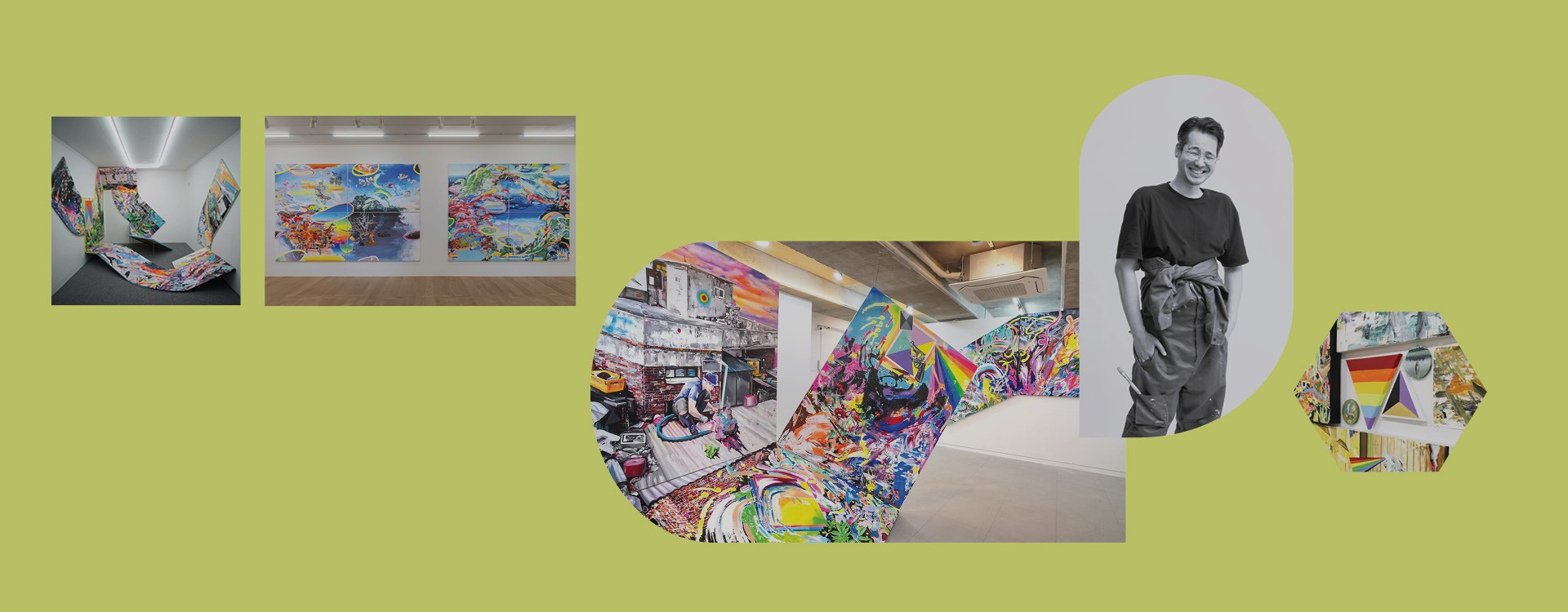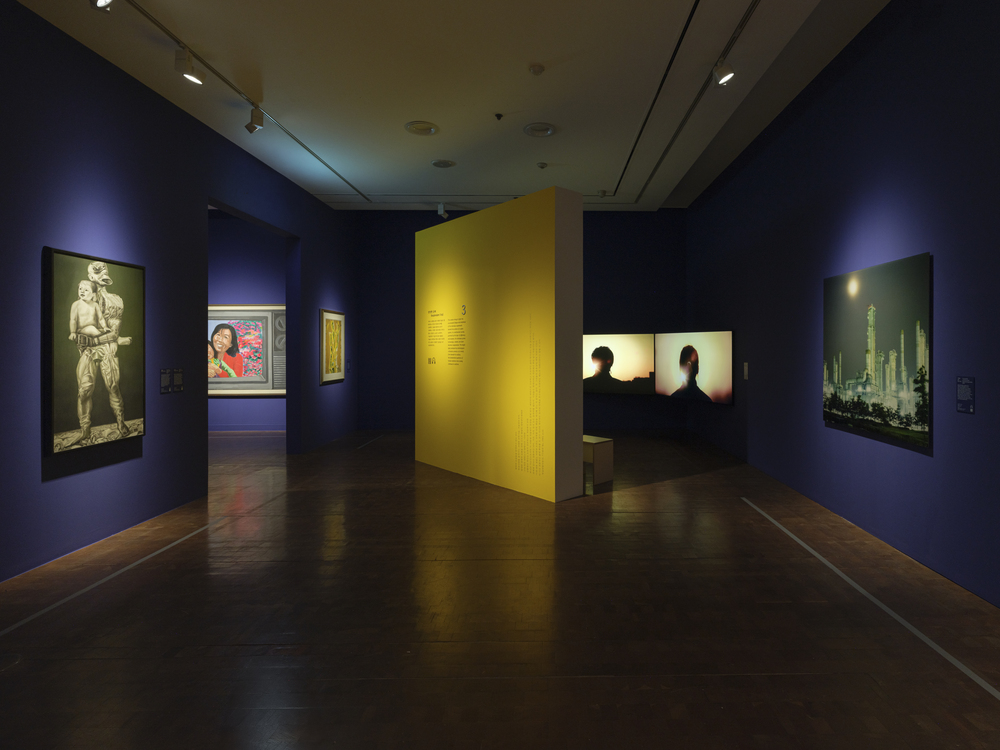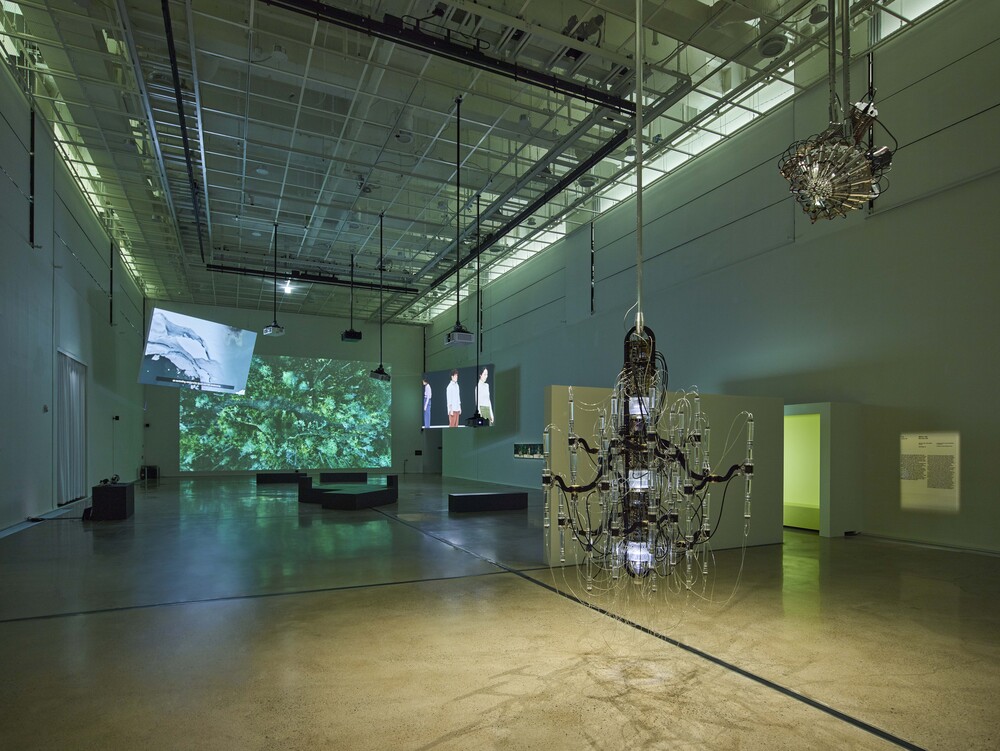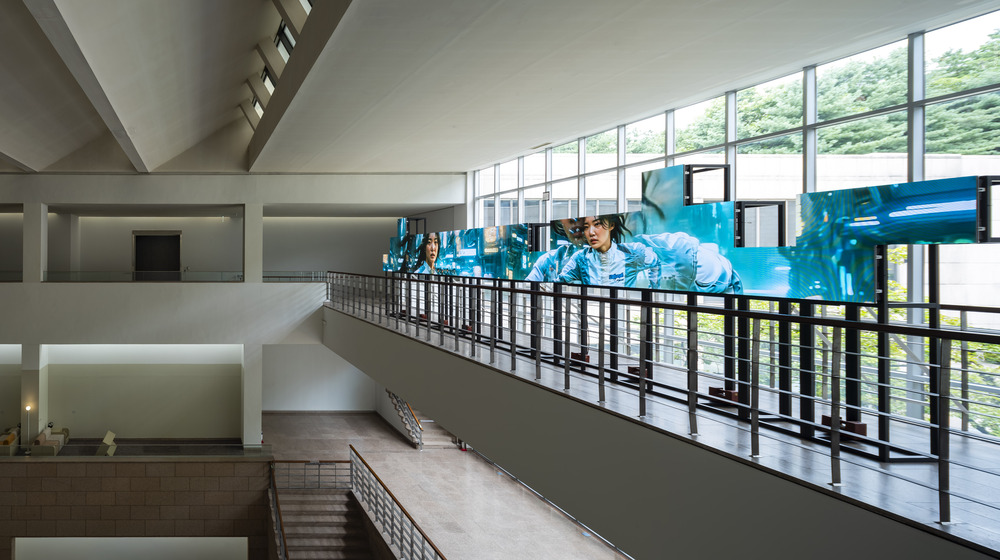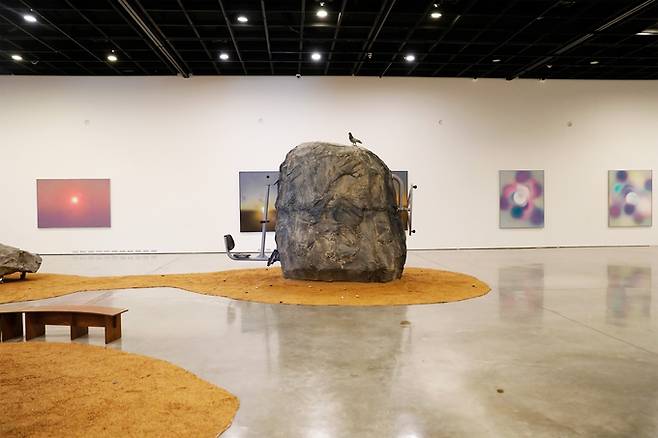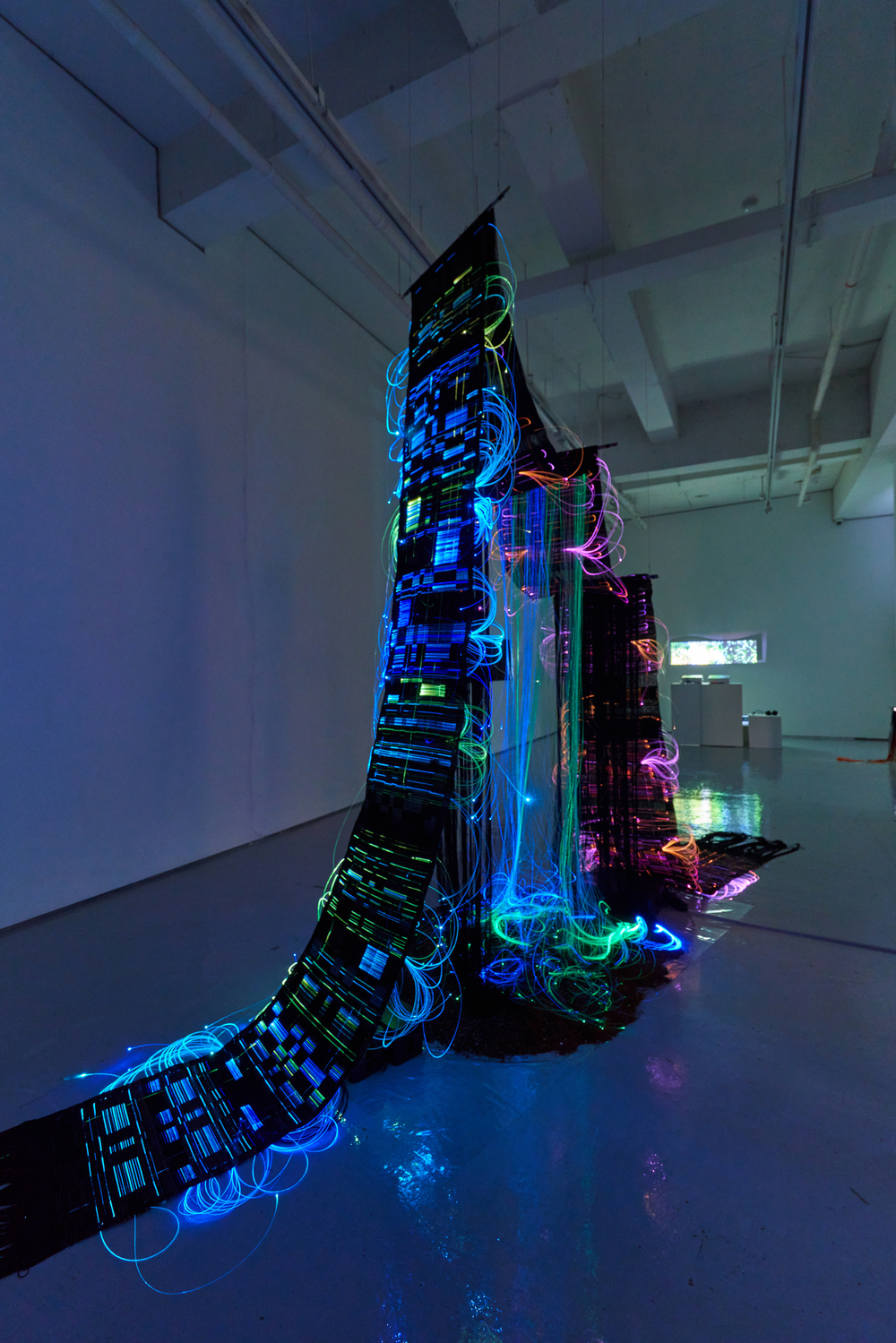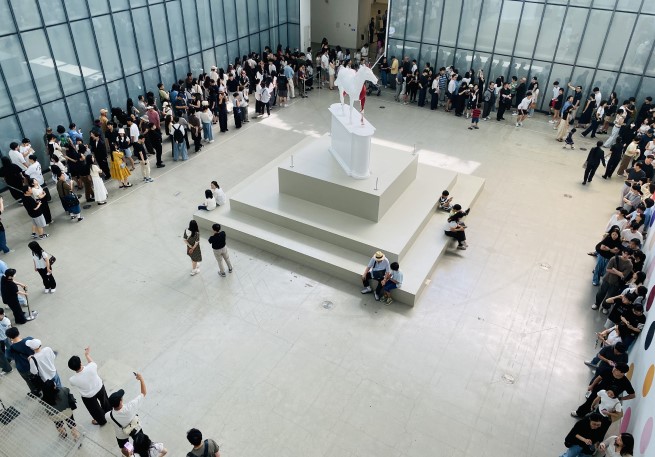

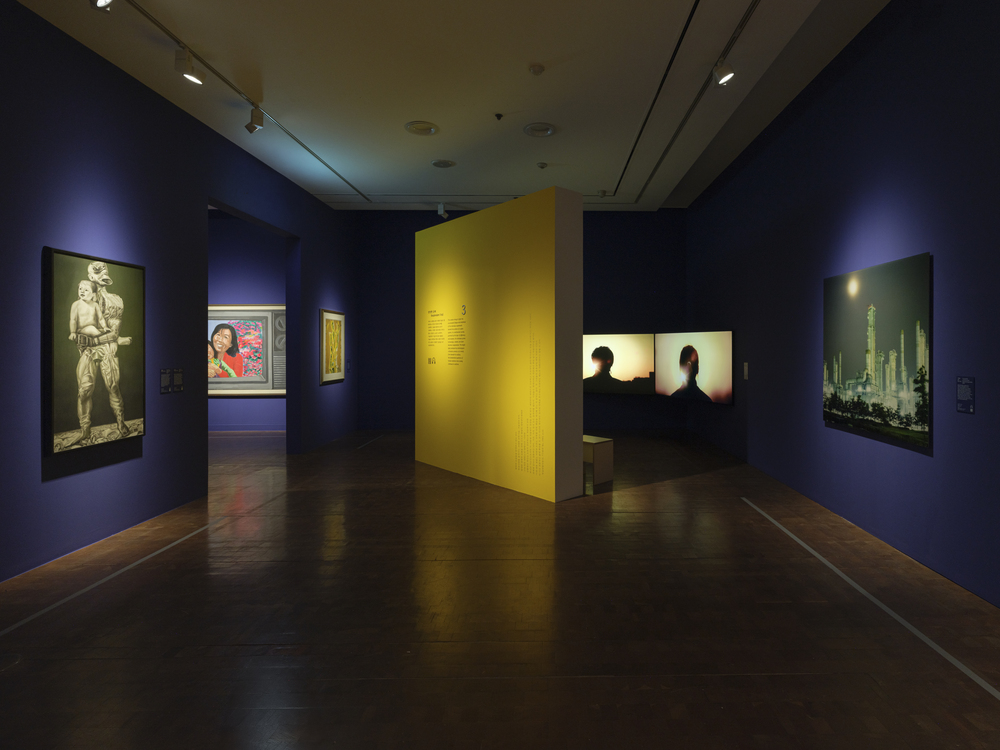
Installation view of 《Beneath Technology: Scenes at the Threshold》 © Seoul Museum of Art
The Seoul Museum of Art presents the
GanaArt Collection 《Beneath Technology: Scenes at the
Threshold》, on view through November 22, at Seosomun
Main Branch.
SeMA has been organizing a series of
planned permanent exhibitions based on approximately 200 Korean realist works
from the 1980s–90s, a gift of LEE Ho Jae, Chairman of Gana Art, in 2001. In
this iteration, the exhibition focuses on “technology,” presenting 16 works
from the SeMA–GanaArt Collection alongside 10 works from the SeMA Collection,
and explores the relationship between art, society, and evolving technological
environments.
《Beneath Technology: Scenes at the
Threshold》 highlights the landscape of Korean society
as it took shape amid the rapid industrialization, urbanization, and
transformation of the media environment that defined the period of time from
the 1970s through the 1990s.
Development of technology and industry not
only altered modes of material production but also transformed the character of
individuals and communities as well as the very ways in which reality was
perceived and sensed. As capitalist economic development converged with
technological advancement, Korean society achieved remarkable growth, yet
behind that growth lay another landscape―one of social fracture.
Focusing on the scenes of rapid social
change, this exhibition examines how art captured and gave form to the sense of
reality and lived experience amid sociocultural upheaval.
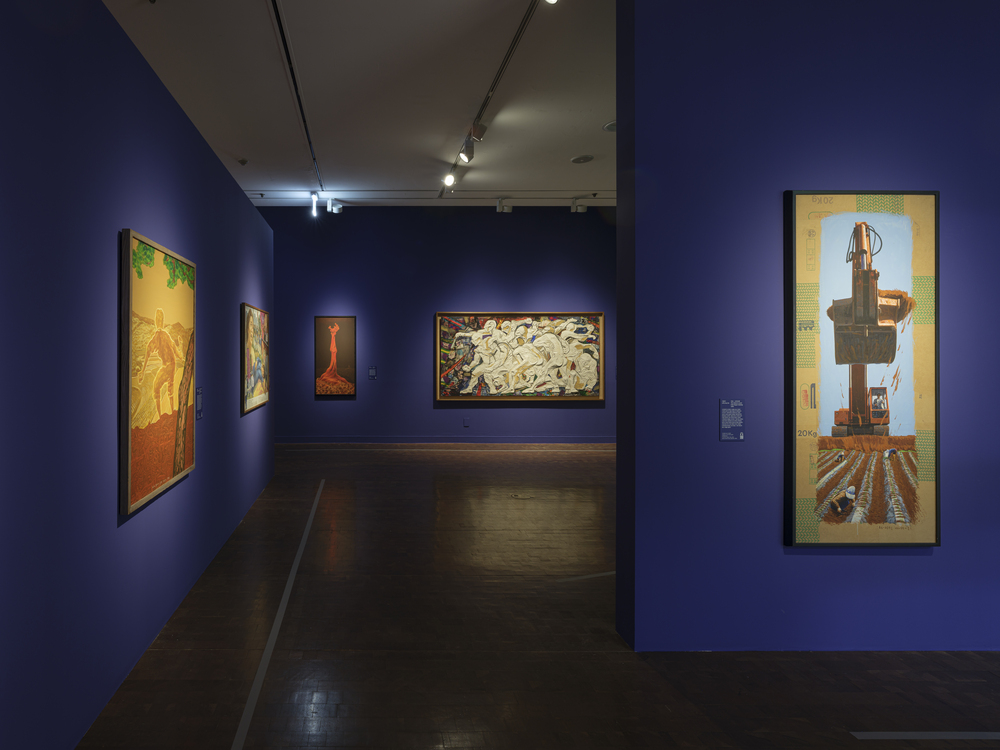
Installation view of 《Beneath Technology: Scenes at the Threshold》 © Seoul Museum of Art
Technology operated not merely as a tool
but as a condition that transformed everyday life and experiences. Realist
artists of the time did not stop at merely representing circumstances; they
sought to expose the structural tensions and ruptures latent beneath the
surface. Translating the reconfigured landscapes of daily life and the
emotional tenor of the era into visual language, they constructed another order
of sensory reality.
For them, artistic creation was a critical
practice―an inquiry into what aspects of reality to look at and how. The visual
culture that unfolded upon the new material foundations of rural and urban
reorganization, shifting labor conditions, and the proliferation of consumer
culture and mass media served as a significant visual register through which
the sense of reality found expression.
The exhibition is organized into three
sections, each illuminating a distinct perspective on technology.
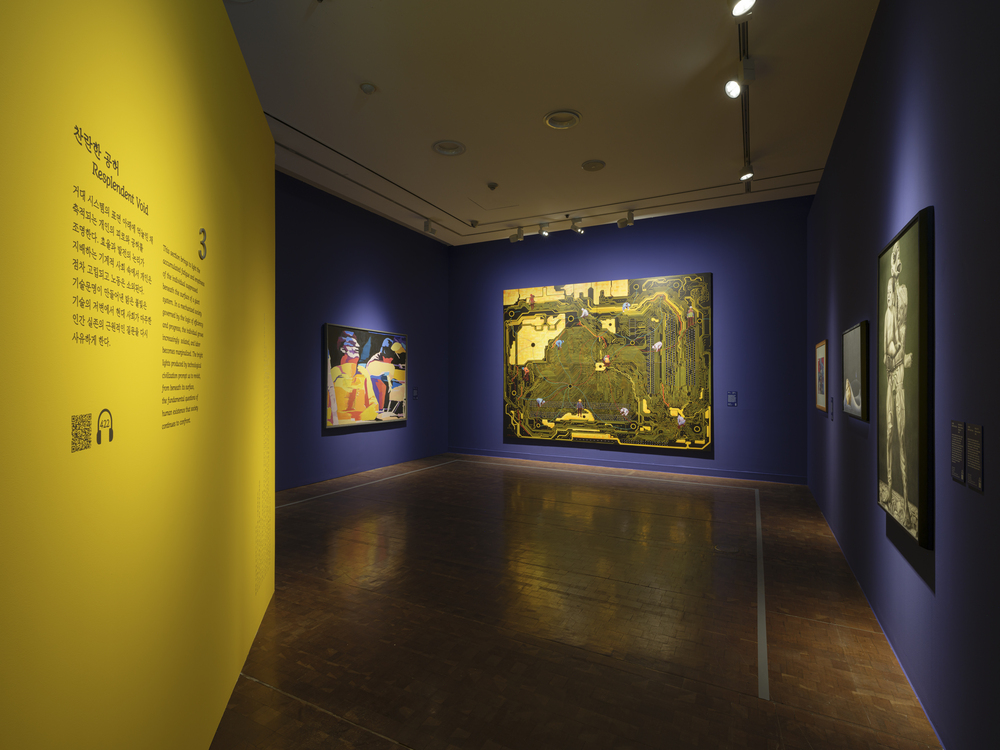
Installation view of 《Beneath Technology: Scenes at the Threshold》 © Seoul Museum of Art
Section 1. Amid Flickering
Lights
This section captures the fractures of
Korean society in transition during the period of intense industrialization and
urbanization. The shadows cast between the lights of industrialization reveal
the reality of an era suspended at the edge of change.
Section 2. The Abyss of a New
Order
This section turns its gaze to the
relational structures of a society newly formed through the convergence of
technology and capital. Beneath the surface of that glittering reality,
however, the logics of consumerism, mass media–driven desire and competition,
and the operations of power and capital intersect, casting an invisible sense
of tension.
Section 3. Resplendent
Void
This section brings to light the
accumulated fatigue and emptiness of the individual suppressed beneath the
surface of a giant system. The bright lights produced by technological
civilization prompt us to revisit, from beneath its surface, the fundamental
questions of human existence that society continues to confront.
Revisiting the technological landscapes of
the past, the exhibition offers a broader vantage point from which to survey
our own position at the threshold of future technology.
Participating Artists: Sejin
KIM, KIM Yong Tae, KIM In Soon, KIM Jung Heun, PARK Bul Dong, PARK Eun Tae,
PARK Heung Soon, SHIN Je Nam, SHIN Hak Cheul, AHN Bosun, OH Kyung Hwan, LEE
Myoung Bok, LEE Sang Guk, LEE Won Chul, LEE Jong Gu, LEE Heung Duk, JUNG Boc
Su, HWANG Jae Hyung