
A Program That Helps Shape the
Future of Korean Contemporary Art
The 《Korea Artist
Prize》 is an annual artist support and award program
jointly organized by the National Museum of Modern and Contemporary Art, Korea
(MMCA) and the SBS Foundation. Launched in 2012, the program selects four
artists or artist collectives each year, supports the production and exhibition
of new work, and names one winner following the public “Artist & Jury
Dialogue” program and a final jury review.
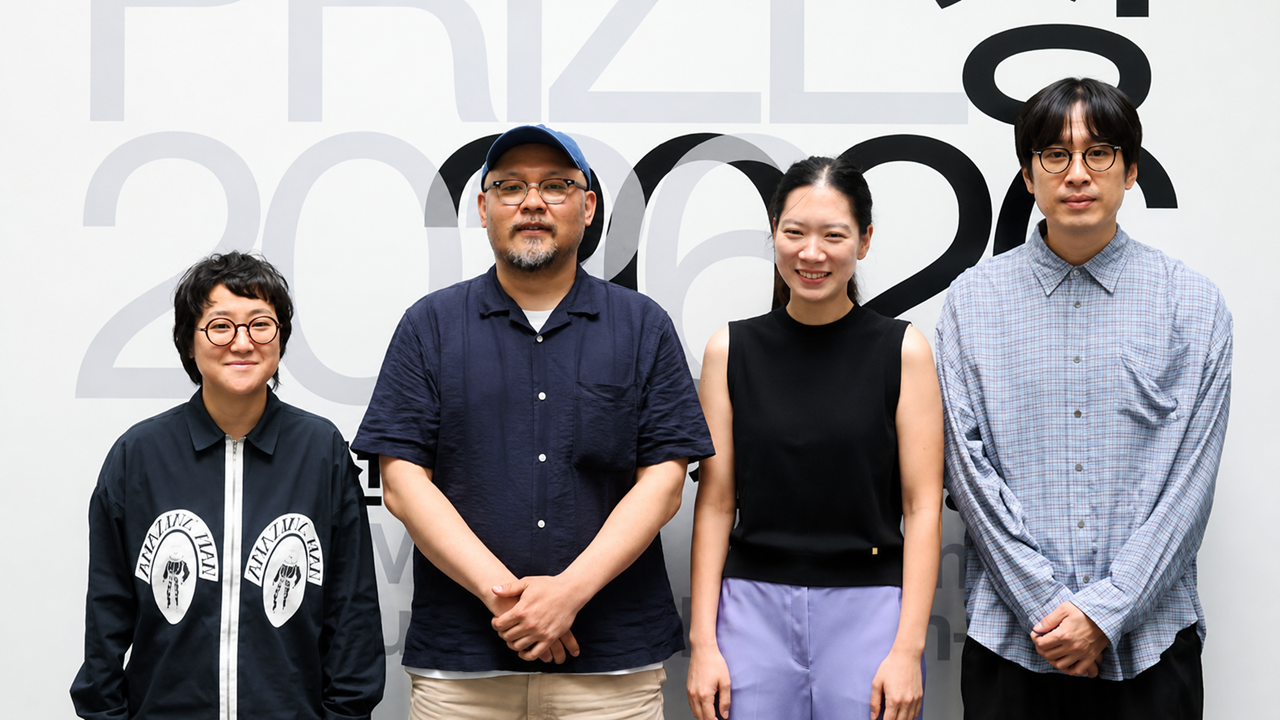
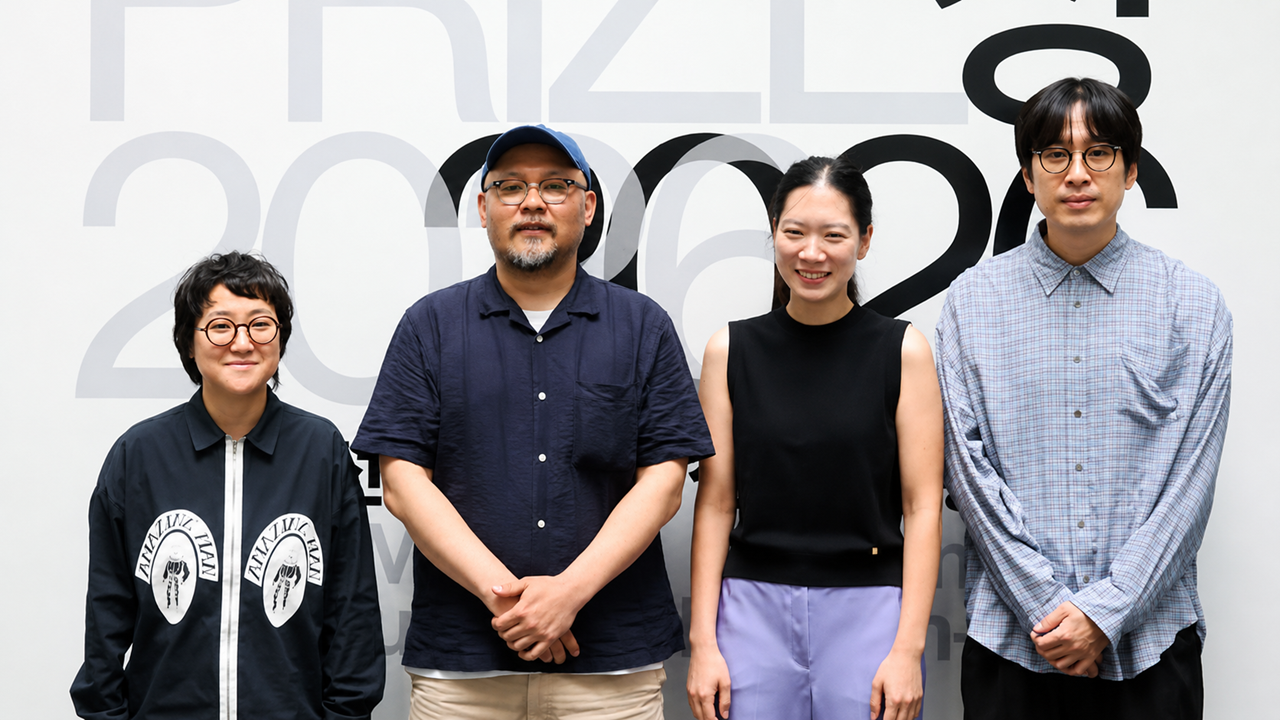
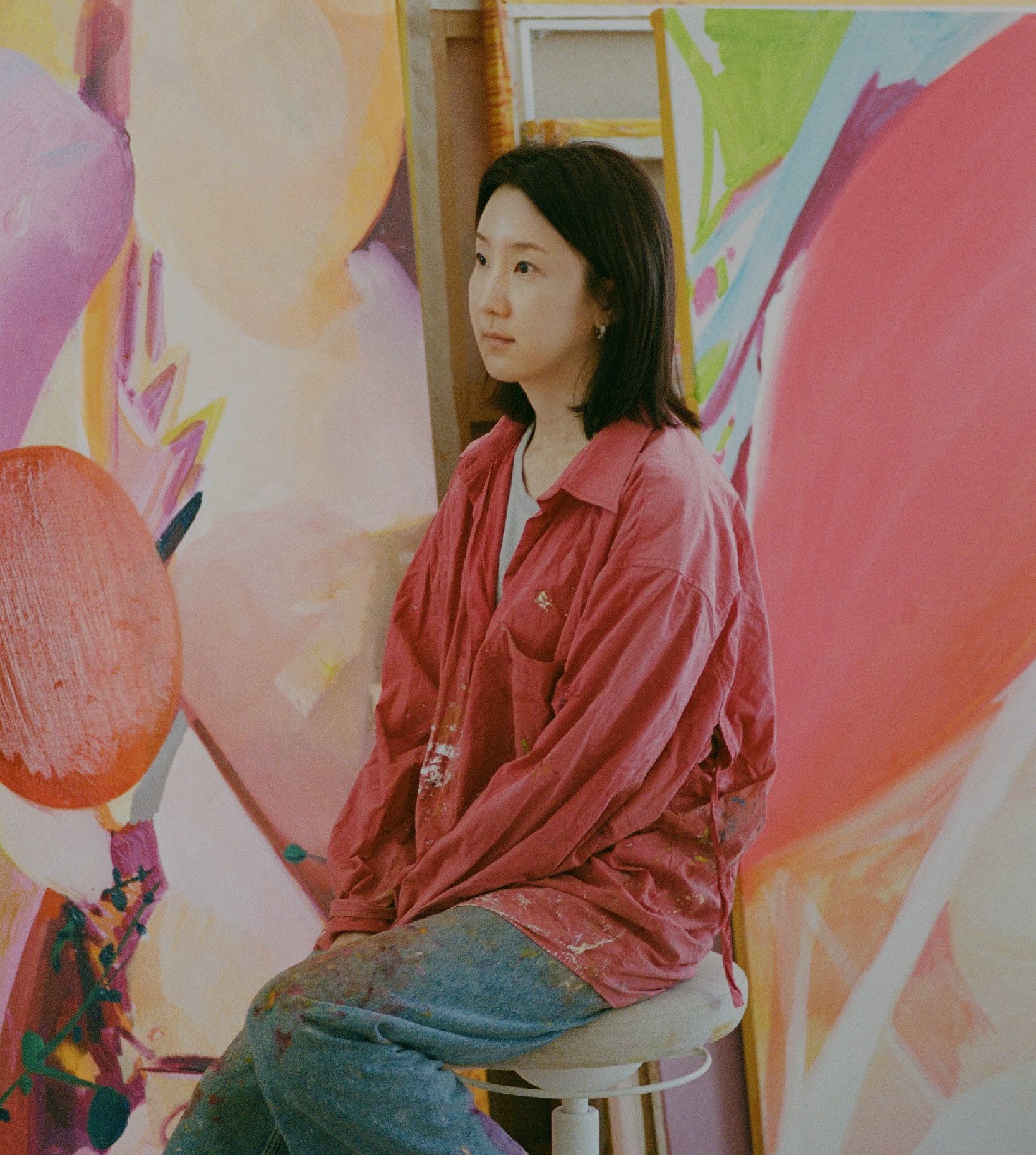
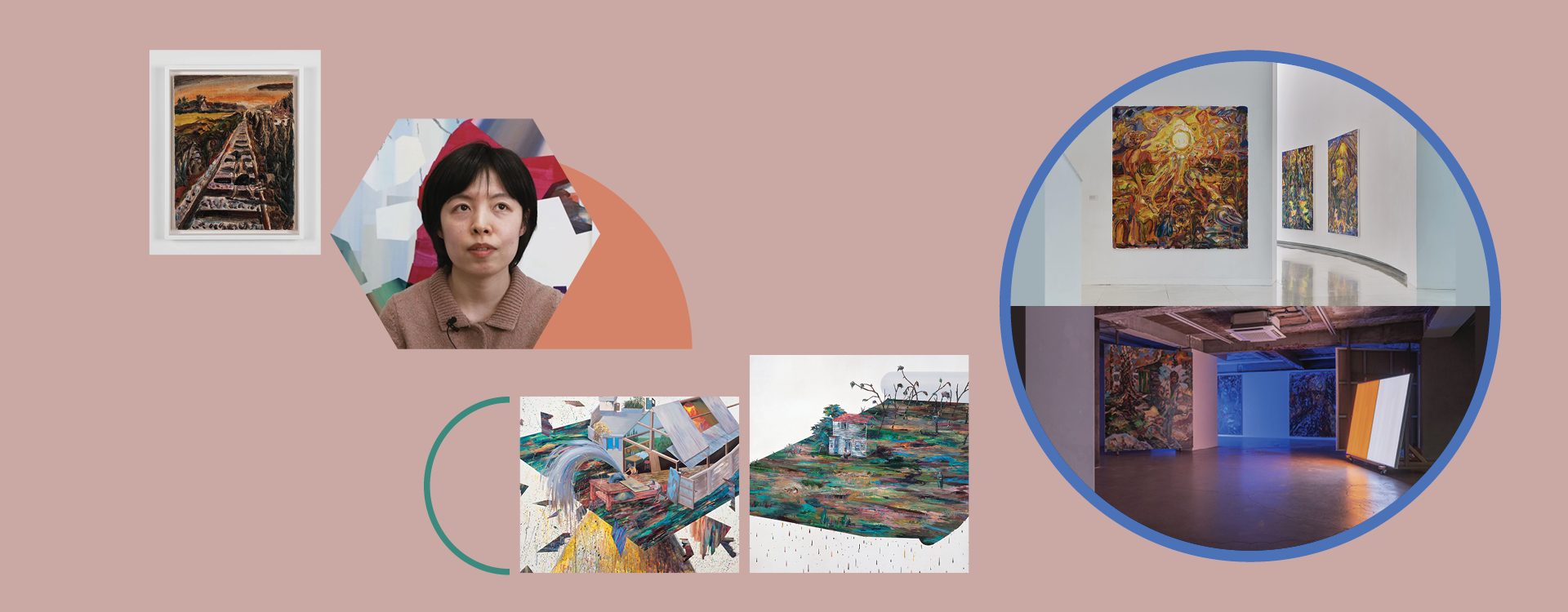
The four finalists for Korea Artist Prize 2026, from left: Lee Hai Min Sun, Lee Jung-woo, Jeon Hyun-sun, and Hong Jin-hwon
The four artists selected for the 2026
edition are Lee Hai Min Sun, Lee Jung-woo, Jeon Hyun-sun, and Hong Jin-hwon.
Each artist receives KRW 50 million in production support from the SBS
Foundation, while the winner receives an additional KRW 10 million. MMCA has
stated that, although the artists employ different media and methodologies,
they share a “contemporary sensibility” and demonstrate the “potential to
expand the boundaries of art.”
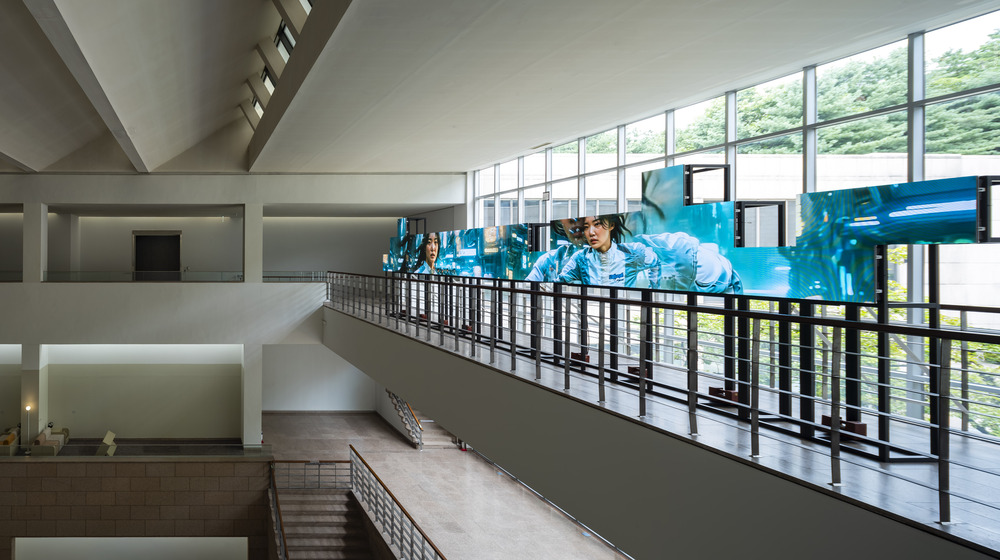
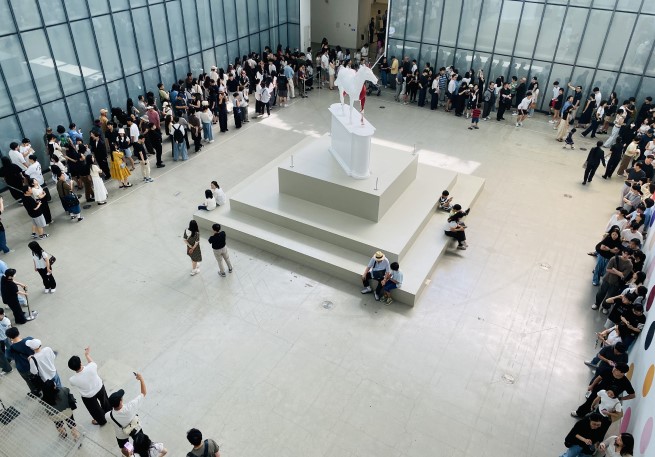
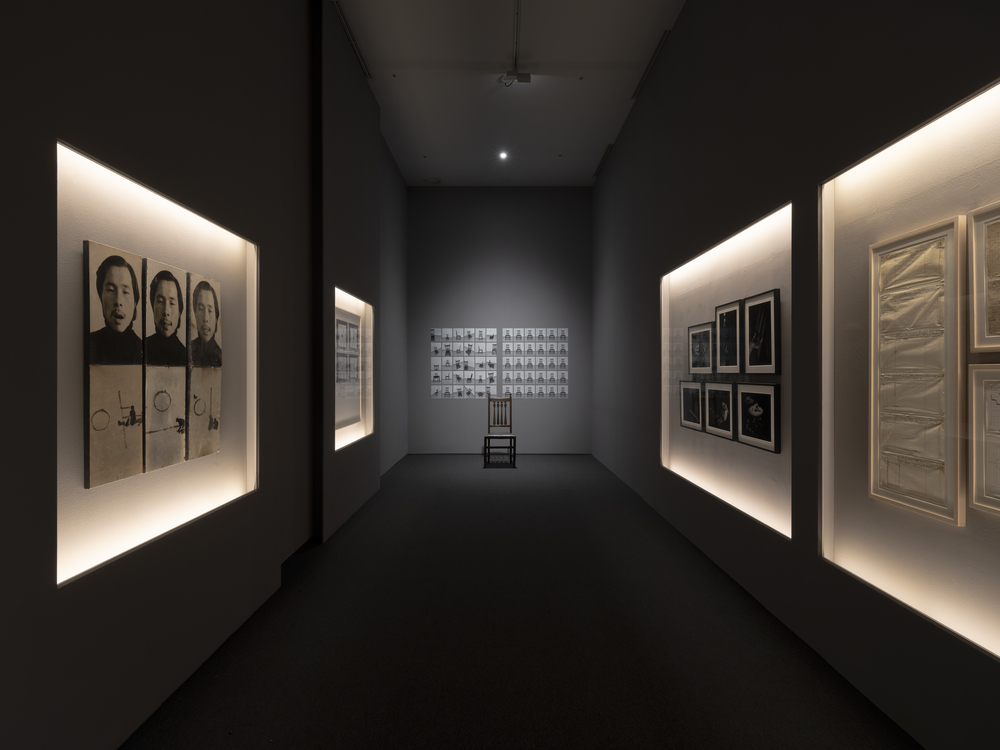
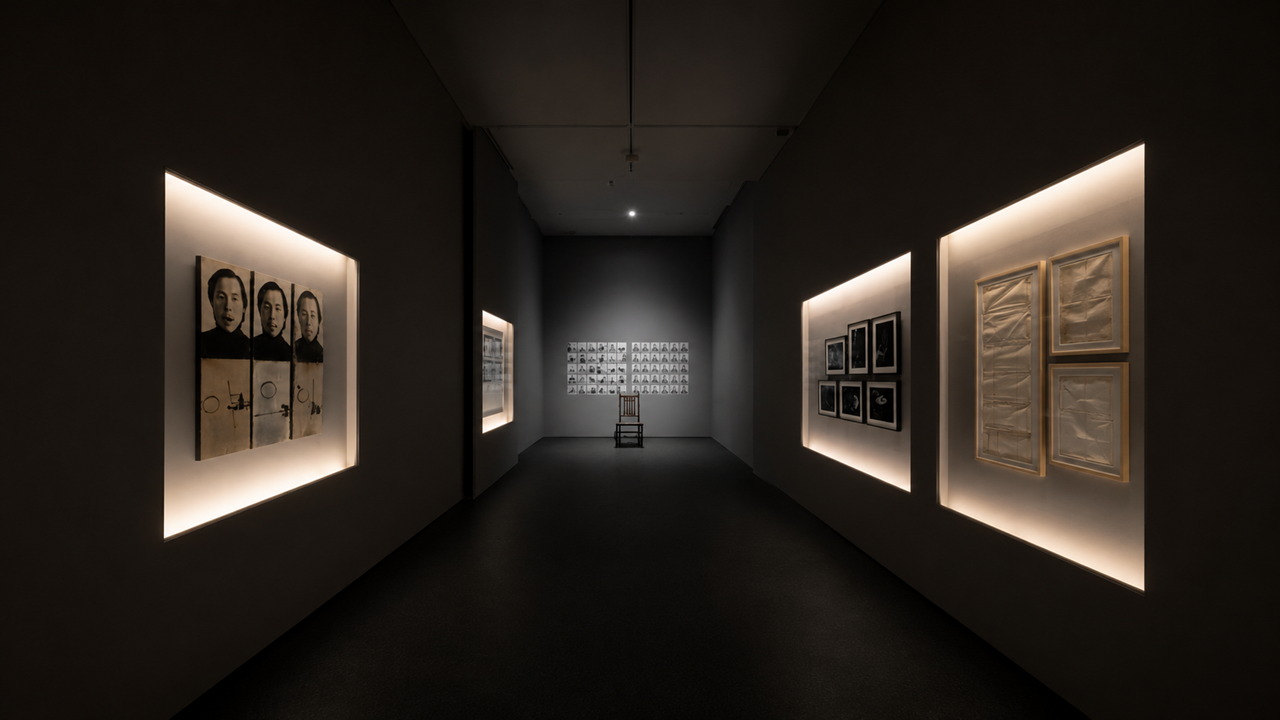
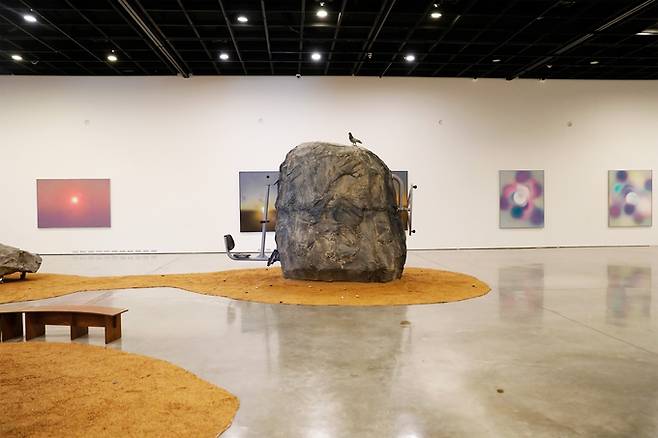
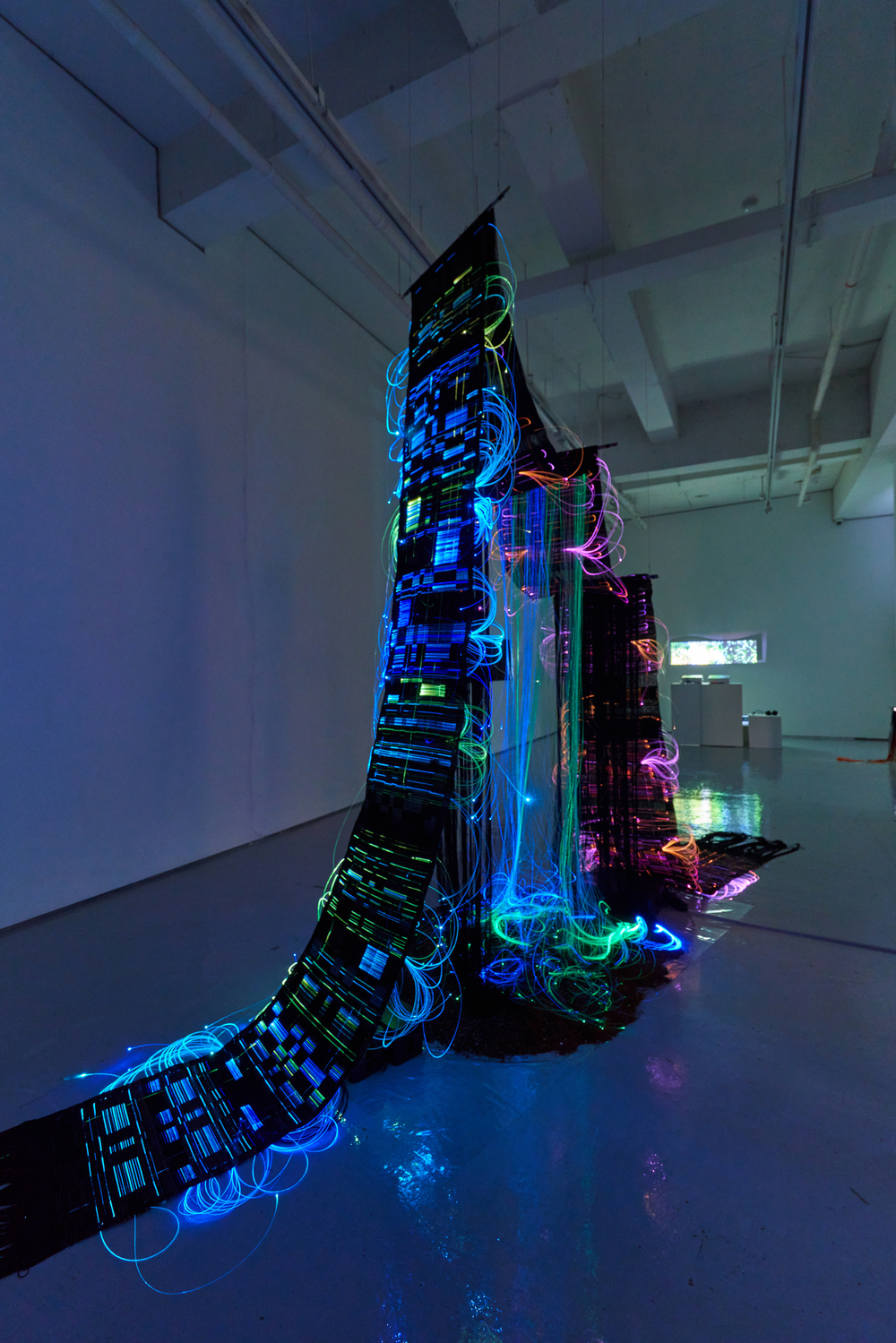
《Korea Artist Prize 2026》 will be held in Galleries 1 and 2 at MMCA Seoul from July 24 to
December 6, 2026. The exhibition will present new works alongside key earlier
works by the four artists. The winner is scheduled to be announced in October
2026 following the “Artist & Jury Dialogue” and the final jury review.
Who Are the Jurors?
The first-round jury for 《Korea Artist Prize 2026》 consists of seven
members representing international and Korean art institutions, biennials,
artistic practice, criticism, and the independent art sector. Six jurors will
participate in the final selection, with MMCA curator Park Deok-sun, who is
responsible for the program, excluded from the final jury.
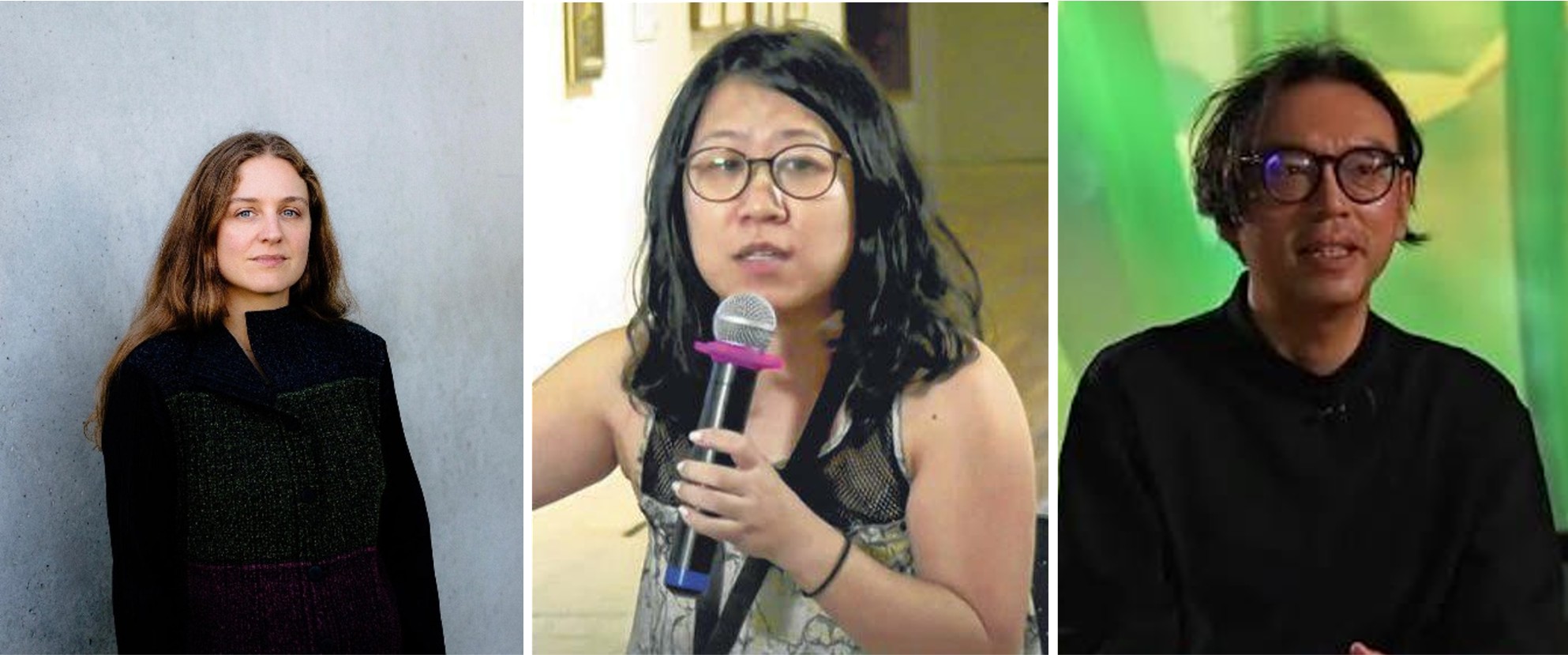
From left: Emma Enderby, Charmaine Toh, and Ho Tzu Nyen
Emma Enderby is Director
of KW Institute for Contemporary Art in Berlin. Before taking up the position
in 2024, she served as Chief Curator and Head of Programs and Research at Haus
der Kunst in Munich. She previously held curatorial positions at international
contemporary art institutions, including the New Museum in New York.
Charmaine Toh is a
Senior Curator at Tate Modern. Before joining Tate, she worked for
approximately eight years at the National Gallery Singapore. Her research and
curatorial practice have focused on Southeast Asian photography and on how
photography and visual culture from non-Western regions can be reconsidered
within global art history.
Ho Tzu Nyen is a
Singaporean artist and curator and serves as Artistic Director of the 16th
Gwangju Biennale. Working across video, animation, installation, and
performance, he has explored Southeast Asian history, colonialism, state power,
myth, and archival records. He represented Singapore at the 2011 Venice
Biennale.
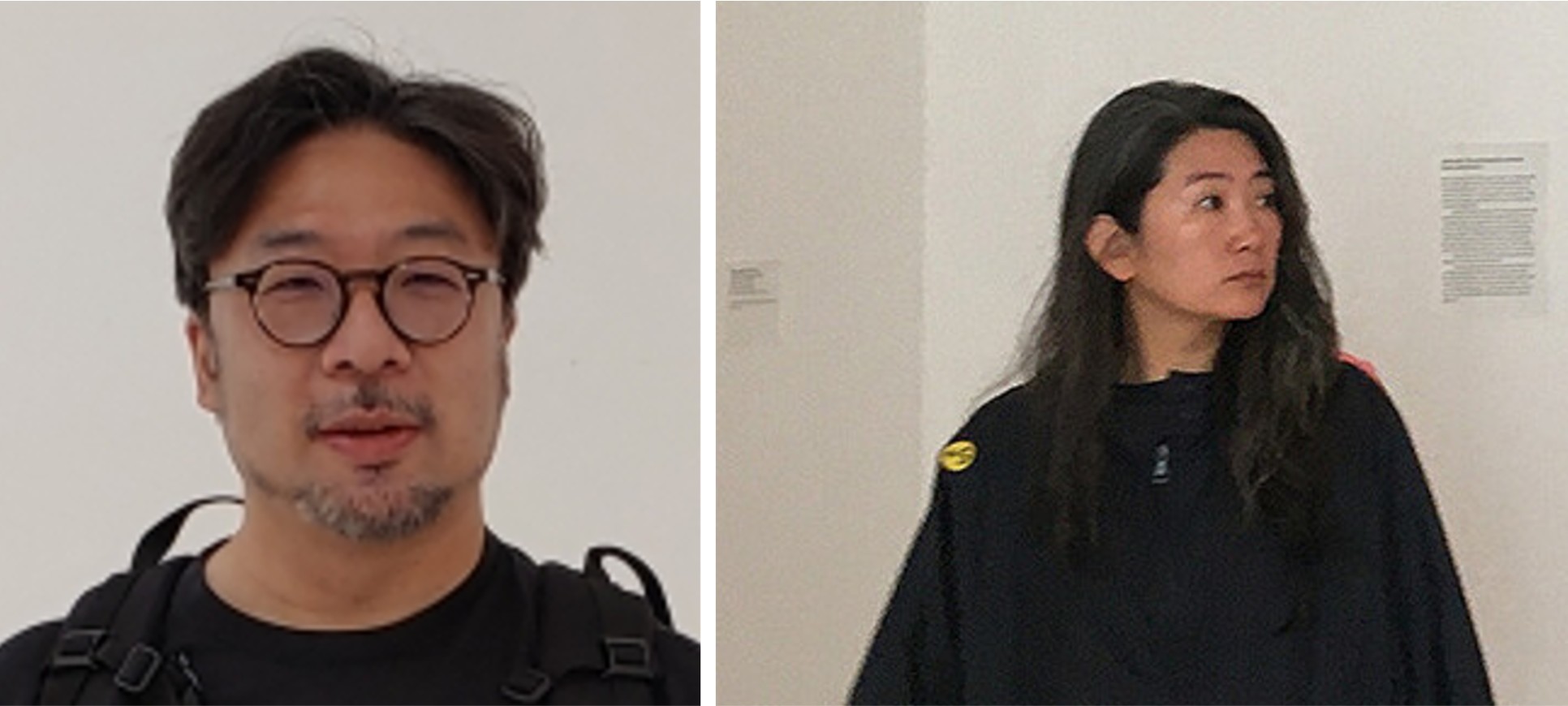
From left: art critic Jung Hyun and Kim Ji-yeon, Director of Alternative Space D/P
Jung Hyun is a professor
at Inha University and an art critic. His research and criticism have focused
on Korean modern and contemporary art, sculpture, and the social and
institutional contexts of contemporary artistic practice.
Kim Ji-yeon is a curator
and Director of Alternative Space D/P. Through her work in independent art
spaces and experimental exhibition contexts, she has introduced and supported a
wide range of artists and projects.
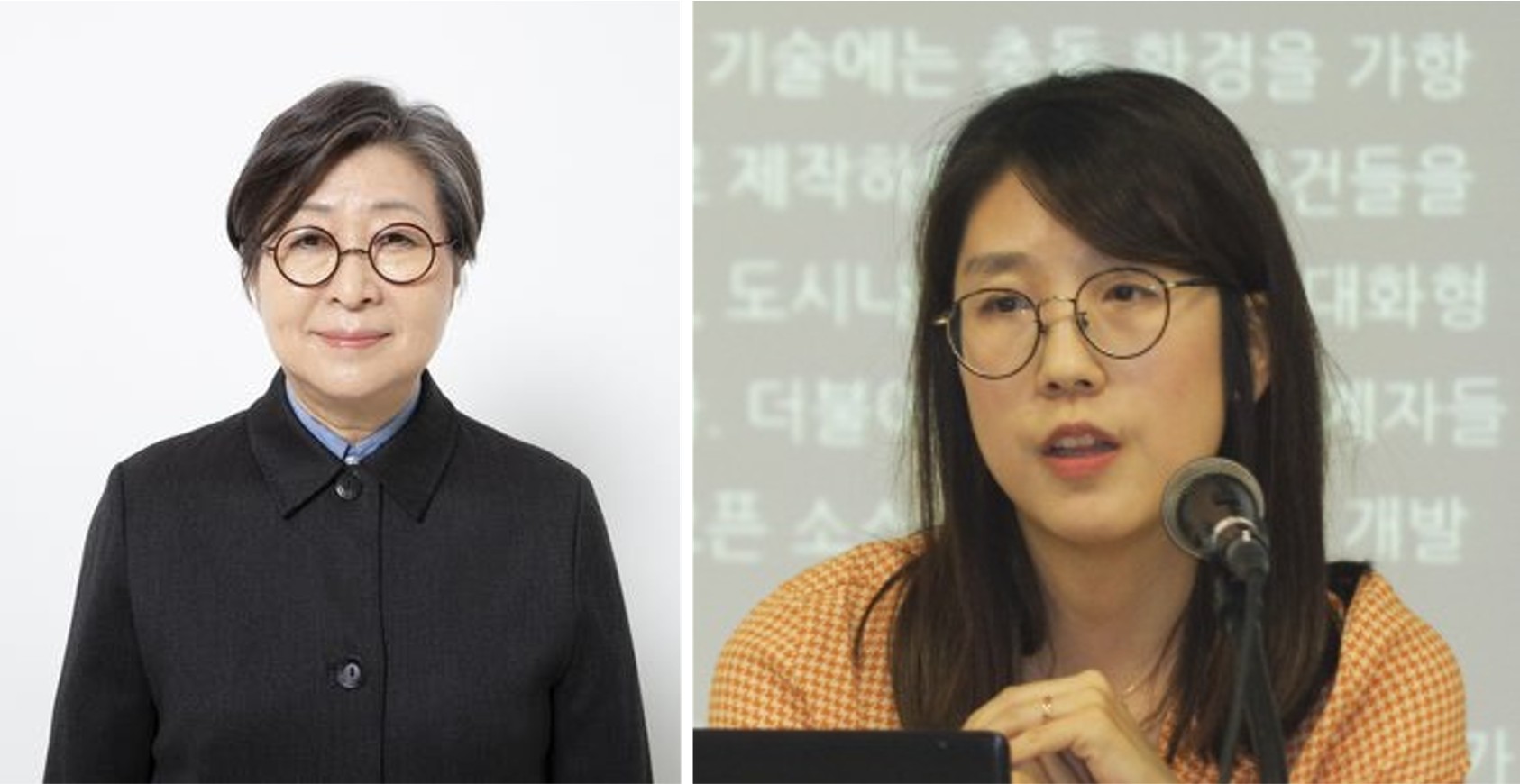
From left: MMCA Director Kim Sung-hee and curator Park Deok-sun
Kim Sung-hee, Director
of MMCA, and Park Deok-sun, an MMCA curator, serve as ex
officio jurors. Park is responsible for Korea Artist Prize 2026 and
participates in the first-round selection and the practical development of the
exhibition, but does not take part in the final jury process.
Where Is the Selection
Rationale?
In the official materials currently
available, no separate collective jury statement or detailed explanation of why
each artist was selected for the 2026 edition can be found.
The phrases “contemporary sensibility” and “the
potential to expand the boundaries of art” are presented as shared criteria.
However, MMCA does not explain precisely what these terms mean or how they were
applied to each artist.
It remains unclear whether “contemporary
sensibility” refers to engagement with social issues, the use of new
technologies and media, or an artist’s ability to interpret the structures and
emotions of the present through an independent visual language. Likewise, “the
potential to expand the boundaries of art” might refer to the combination of
multiple media, the transformation of established artistic conventions, or the
potential for a practice to develop within international discourse. Further
explanation is therefore necessary.
This issue is not unique to the 2026
edition. In 2025, the jury list and profiles of the four selected artists—Kim
Young-eun, Kim Jipyeong, Unmake Lab, and Lim Youngzoo—were made public, but the
official materials did not provide a comprehensive account of the jury’s
reasoning or detailed selection criteria for each artist.
Some jury commentary may be released when
the winner is announced. Nevertheless, the first-round selection of the four
participating artists is itself a significant decision. At this stage,
production funding, exhibition space, and the institutional authority of the
national museum are already being allocated.
A jury statement should not function merely
as a document that retrospectively justifies a decision. It can also serve as a
critical record and public archive of what the Korean art world considered
important at a particular moment.
The participation of international jurors
also gains greater significance when their perspectives are shared publicly:
what they identified in the work of Korean artists, and how they understood its
potential to offer new perspectives within global art discourse.
It is neither necessary nor desirable to
disclose every detail of the jury process, the full list of artists considered,
or every individual remark made by each juror. However, a comprehensive
explanation of the artistic values prioritized that year, and of how each
selected artist fulfilled those criteria, should be made available.
From Institutional Authority to
Transparency and Public Trust
The 《Korea Artist
Prize》 is an important program because it provides
selected artists with substantial production funding and significant exhibition
opportunities. At the same time, it is worth reconsidering whether the current
model—in which four artists occupy major exhibition spaces for approximately
four and a half months—offers the most effective way to represent the diversity
of Korean contemporary art.
The issue is not the artistic quality of
the selected artists. Rather, it concerns how a national museum should allocate
its limited exhibition space, budget, curatorial resources, and promotional
capacity.
The strengths of concentrated support
should be maintained. However, the duration of the main exhibition could be
adjusted, while public forums, research programs, and online archives could be
developed to introduce a broader range of artists, artistic tendencies, and
local art scenes.
The international dimension of the program
is not secured simply by inviting overseas jurors or emphasizing the prestige
of their institutions. MMCA must also explain the criteria through which the
artists were selected and clarify the significance of their work within both
Korean contemporary art and international artistic discourse.
The 《Korea Artist
Prize》 can build greater trust and significance when it
moves beyond the announcement of a selection and transparently communicates the
reasoning behind its decisions. By doing so, it can become a public platform
through which the diversity and international potential of Korean contemporary
art are collectively examined and debated.
Exhibition Information
Exhibition:《Korea
Artist Prize 2026》
Participating artists: Lee Hai Min Sun, Lee Jung-woo, Jeon Hyun-sun, Hong
Jin-hwon
Dates: July 24–December 6, 2026
Venue: Galleries 1 and 2, MMCA Seoul
Co-organized by: National Museum of Modern and Contemporary Art, Korea and the
SBS Foundation
References
National Museum of Modern and Contemporary
Art, Korea, “MMCA and SBS Foundation Announce Four Artists Selected for Korea
Artist Prize 2026”
https://www.mmca.go.kr/pr/pressDetail.do?bdCId=202601160010180
National Museum of Modern and Contemporary
Art, Korea, Korea Artist Prize 2026 Exhibition Information
https://www.mmca.go.kr/exhibitions/exhibitionsDetail.do?exhFlag=2&exhId=202512310002018
National Museum of Modern and Contemporary
Art, Korea, “SBS Foundation Announces Four Artists Selected for Korea Artist
Prize 2025”
https://www.mmca.go.kr/pr/pressDetail.do?bdCId=202502210009727
National Museum of Modern and Contemporary
Art, Korea, Korea Artist Prize 2025 Exhibition Information
https://www.mmca.go.kr/exhibitions/exhibitionsDetail.do?exhId=202501060001895
KW Institute for Contemporary Art,
Institutional and Exhibition Information on Emma Enderby
https://www.kw-berlin.de/en/
Tate, Institutional and Program Information
on Charmaine Toh
https://www.tate.org.uk/
Financial Times, “Charmaine Toh’s New Take
on the Tate”
https://www.ft.com/content/e9dc5b6b-5f78-4def-abd1-f02fe222992f
Gwangju Biennale Foundation, “Ho Tzu Nyen
Appointed Artistic Director of the 16th Gwangju Biennale”
https://gwangjubiennale.org/en/Board/11906/detailView.do