





 The One & Only Place
& limited access to news & exhibitions


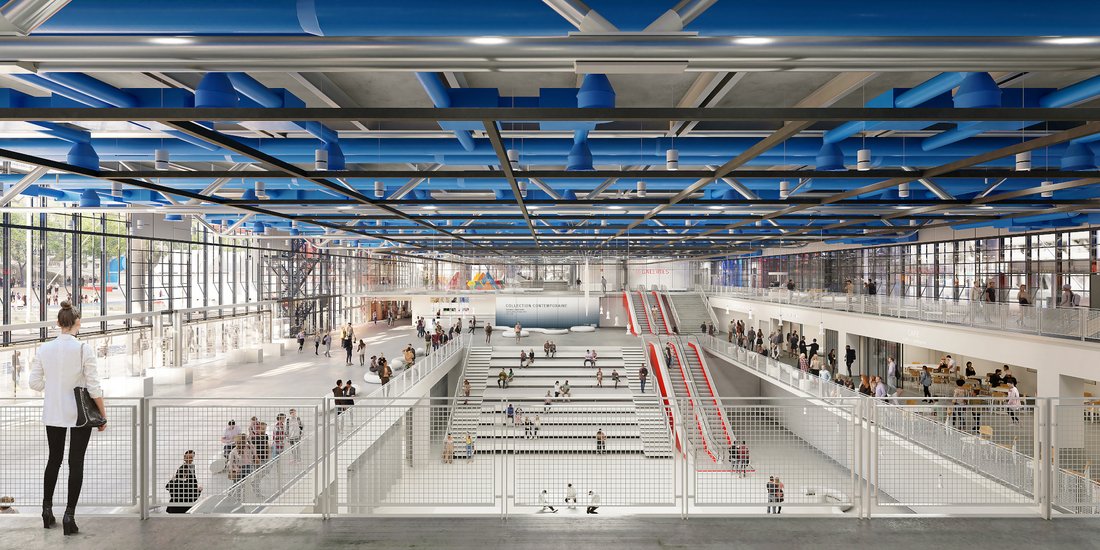
Recently, the Korean art scene has been embroiled in a heated debate over the potential establishment of a branch of the iconic Centre National d'Art et de Culture Georges-Pompidou (Pompidou Center) in Korea.
2024.10.22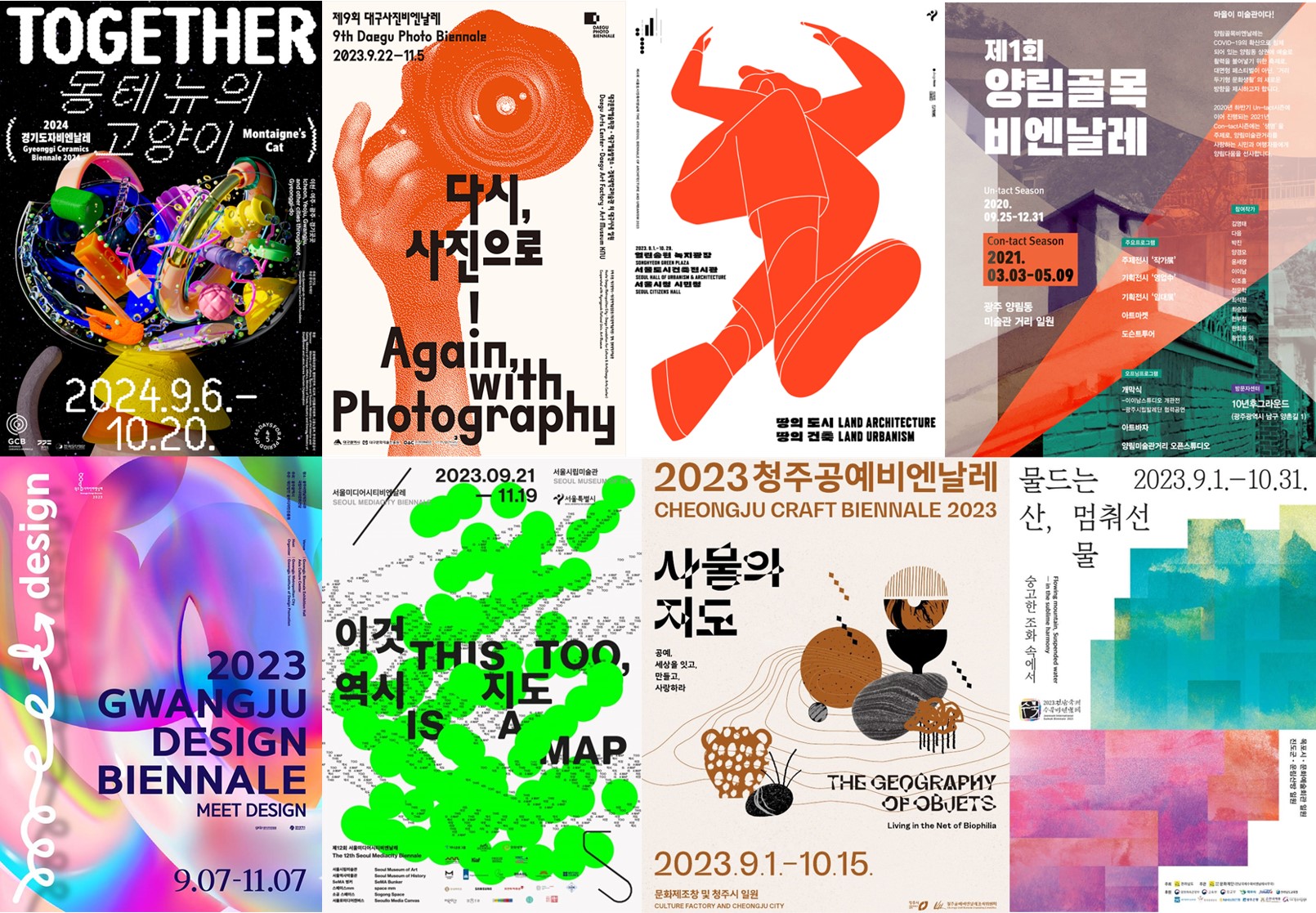
Last week, we reflected on the 30-year history of the Gwangju Biennale and its achievements. This week, we will discuss the current state of various biennales actively held across Korea, their challenges, and the direction they need to take moving forward, alongside the Gwangju Biennale.
2024.09.24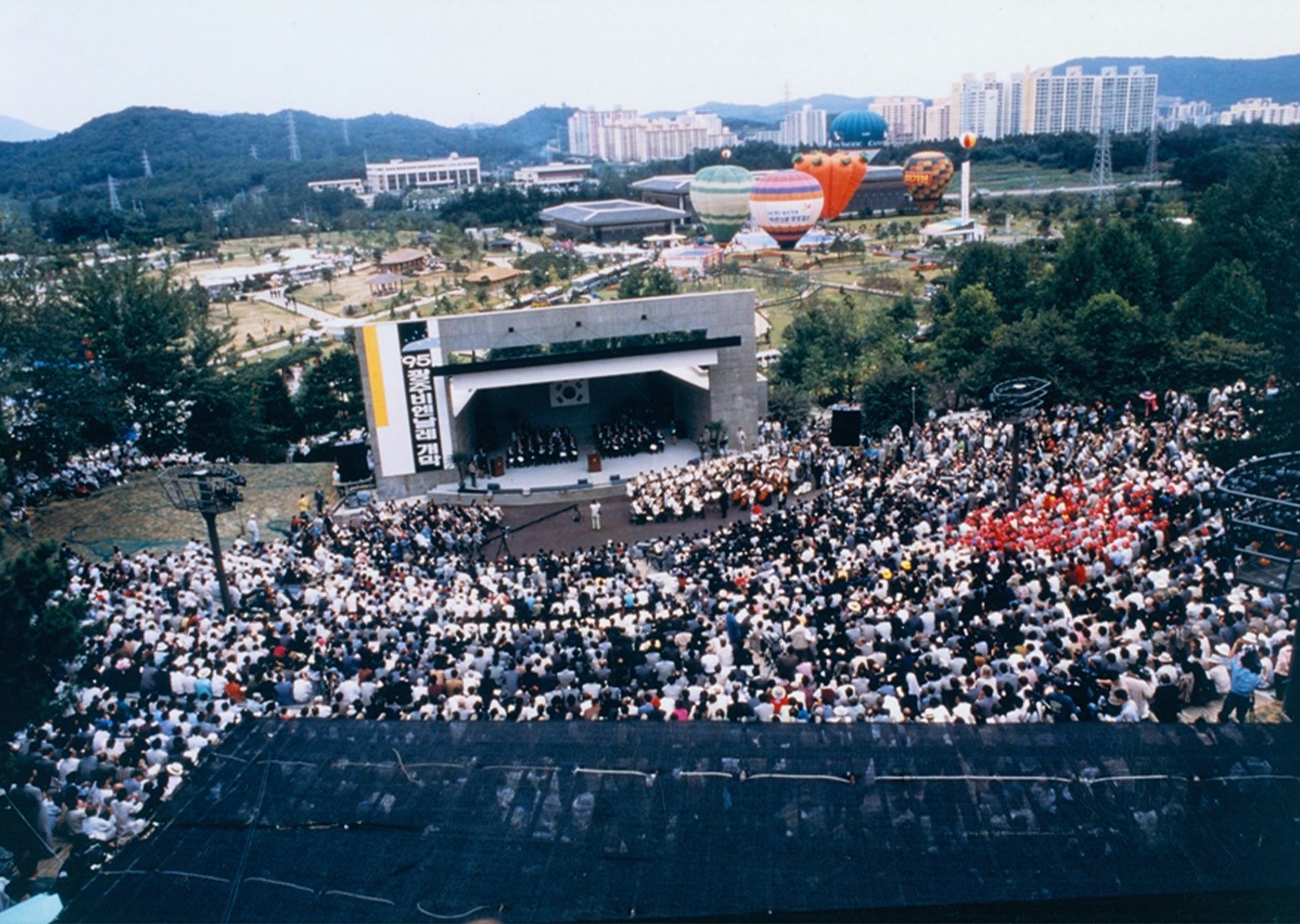
The hot topic this year is the 30th anniversary of the Gwangju Biennale. To commemorate this, we will take a look at its achievements, divided into two parts. In Part 1, we will briefly review the history and accomplishments of the Gwangju Biennale, and in Part 2, we will examine the challenges it faces and its future prospects.
2024.09.17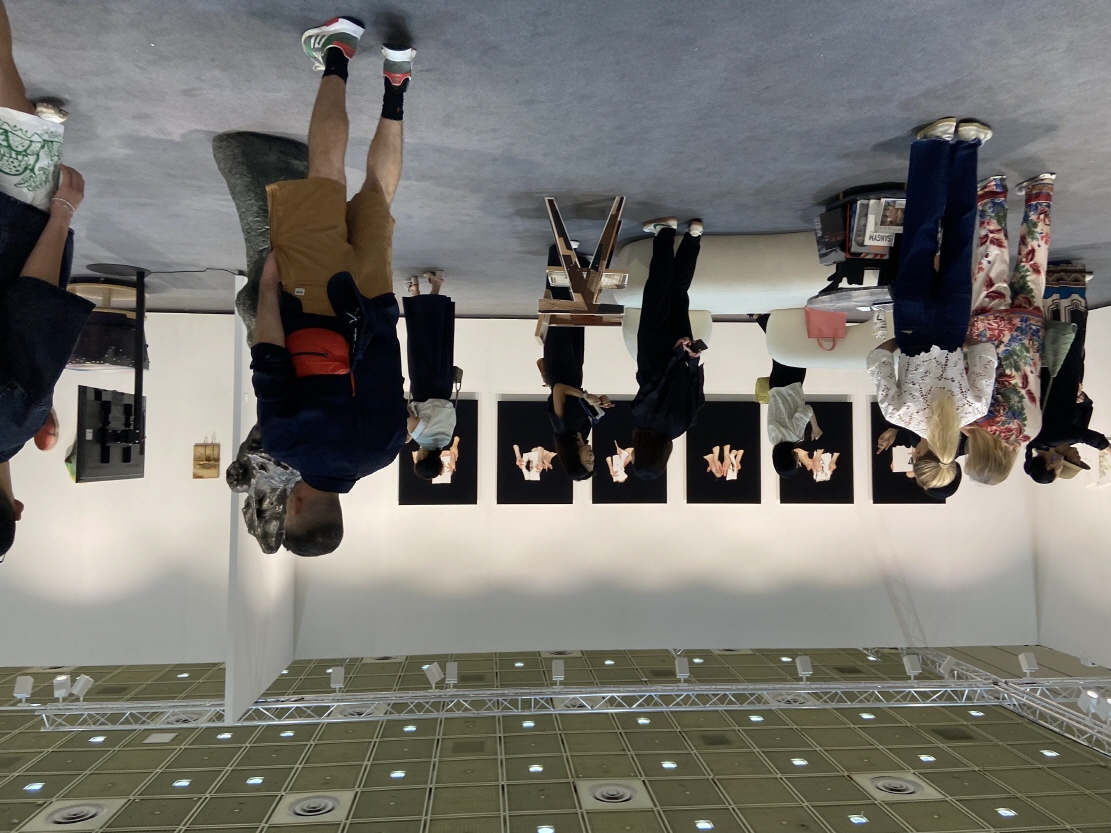
In this final article of the series, we will discuss the essential conditions for the success of Korean art fairs and the absolute necessity of global expansion. Additionally, we will briefly examine the operational status of KIAF and Frieze Seoul over the past three years and explore the underlying realities of the so-called "era of 100 art fairs" in Korea.
2024.09.10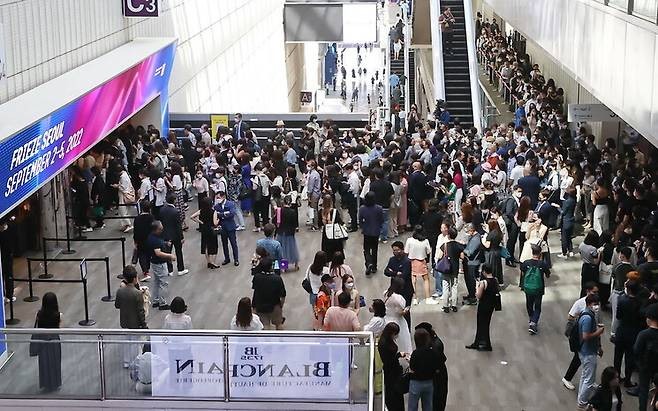
The news in 2022 that Frieze, a globally prestigious art fair, would be held in Seoul for the first time was both a breath of fresh air and a cause for concern within the Korean art world. On the one hand, it was a positive sign that Korea was being recognized for its potential as a hub in the Asian art market. On the other hand, there were worries that Korea's relatively underdeveloped art market could be overshadowed by Western art fairs backed by massive capital.
2024.09.03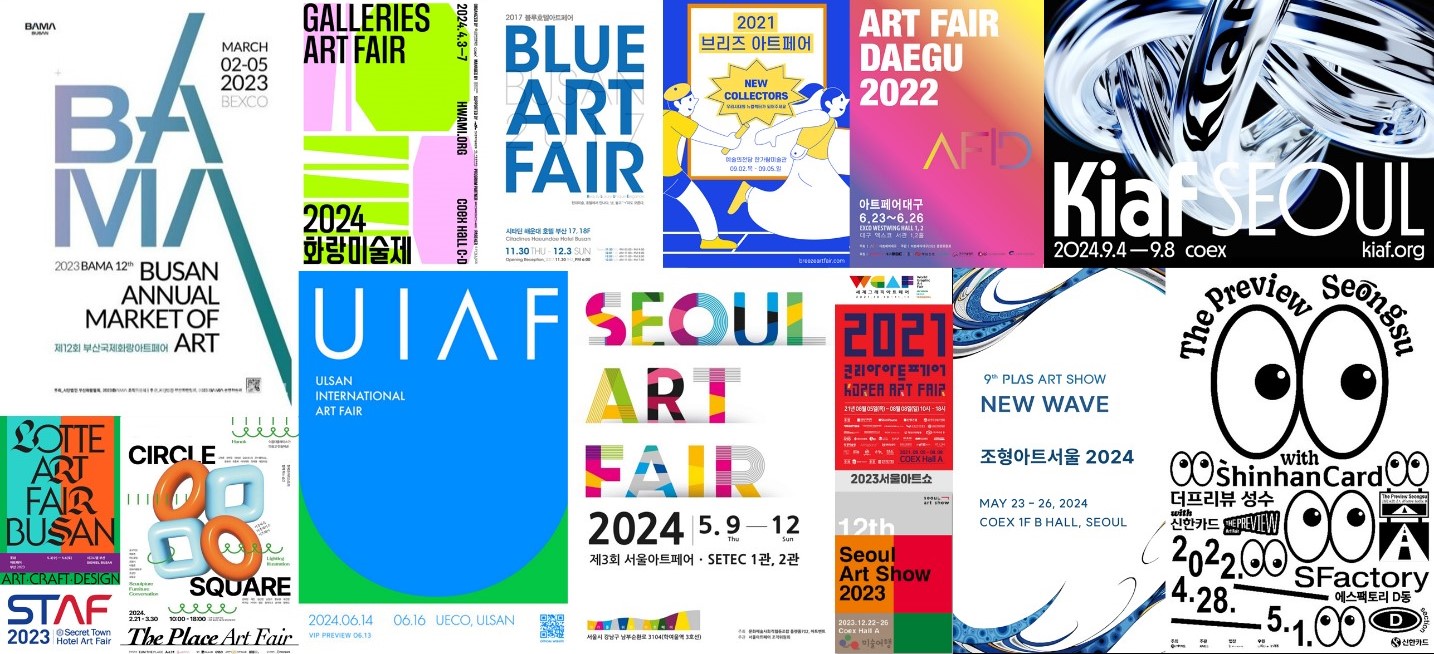
September's hot topic revolves around the joint hosting of the Kiaf and Frieze art fairs, providing a perfect backdrop to discuss the recent art fair boom sweeping through South Korea's art scene, which we'll explore in a three-part series.
2024.08.27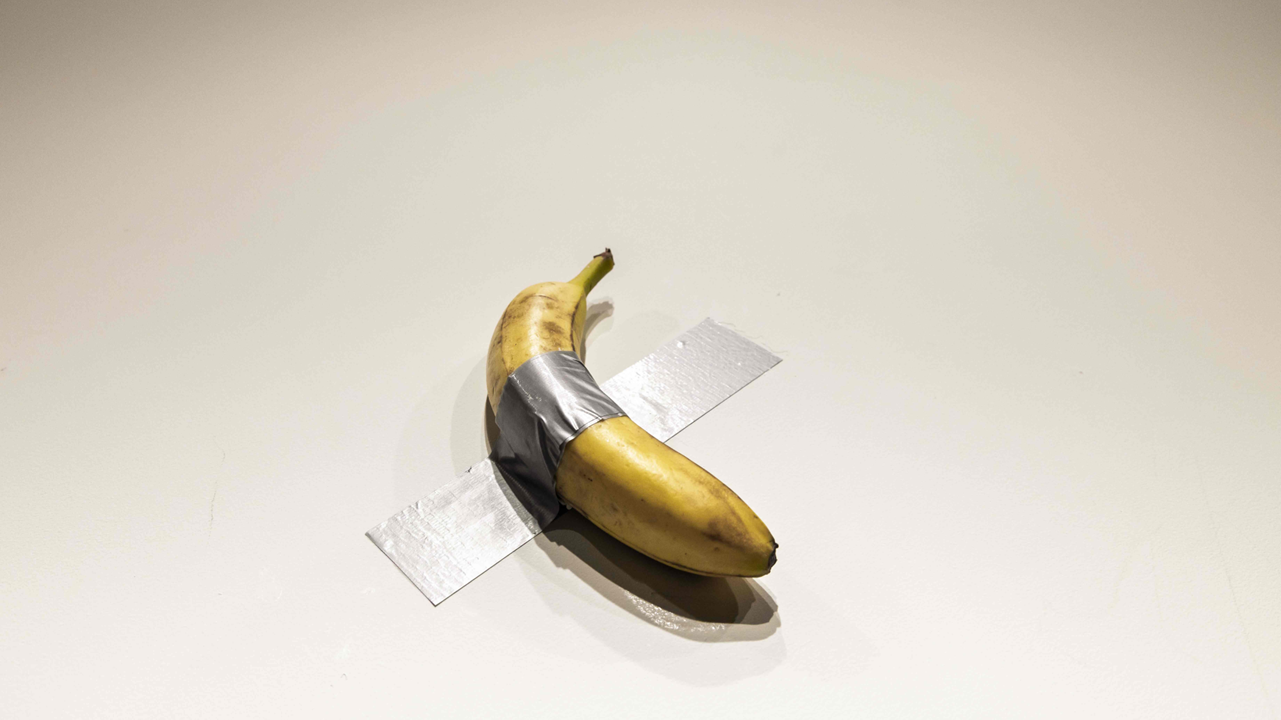
Today’s contemporary art scene has been rewritten in the language of capital. Artworks have become units of transaction rather than outcomes of thought, and the artist’s creative act is adjusted somewhere between private desire and market demand. The spiritual value of art—the inner form where human perception meets reflection—is gradually losing its ground.
2025.11.11
In the previous essay, “The Age of Role Reversal,” we examined how essence is obscured by the non-essential. This chapter turns to the loss of value—a deeper layer of that same inversion. Here, “value” does not refer to market price. It signifies the belief in authenticity, autonomy, and inner necessity that once made art possible as art—a shared yet invisible agreement that sustained the meaning of artistic creation.
2025.10.21
Today, contemporary art appears more dazzling than ever. Art fairs around the world draw hundreds of thousands of visitors, and record-breaking prices are set at auctions. In Korea as well, Frieze Seoul has become a focal point for the Asian art market, while regional fairs such as Art Busan and Art Gwangju continue to expand. Social media feeds are flooded with exhibition snapshots, and blockbuster shows draw long lines of eager visitors.
2025.09.23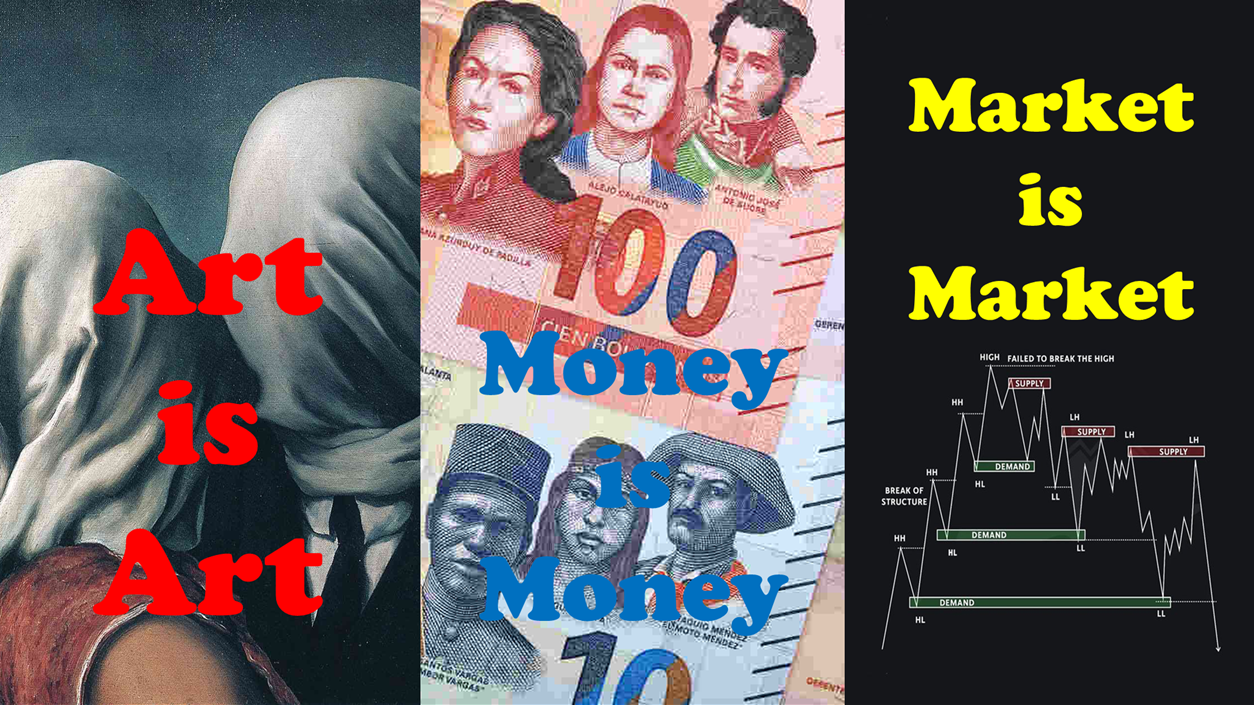
In capitalist society, art can no longer remain solely in an independent and autonomous realm. Today, artworks are reduced to prices within the market’s evaluative systems; their lifespan is extended or erased depending on their investment potential.
2025.08.12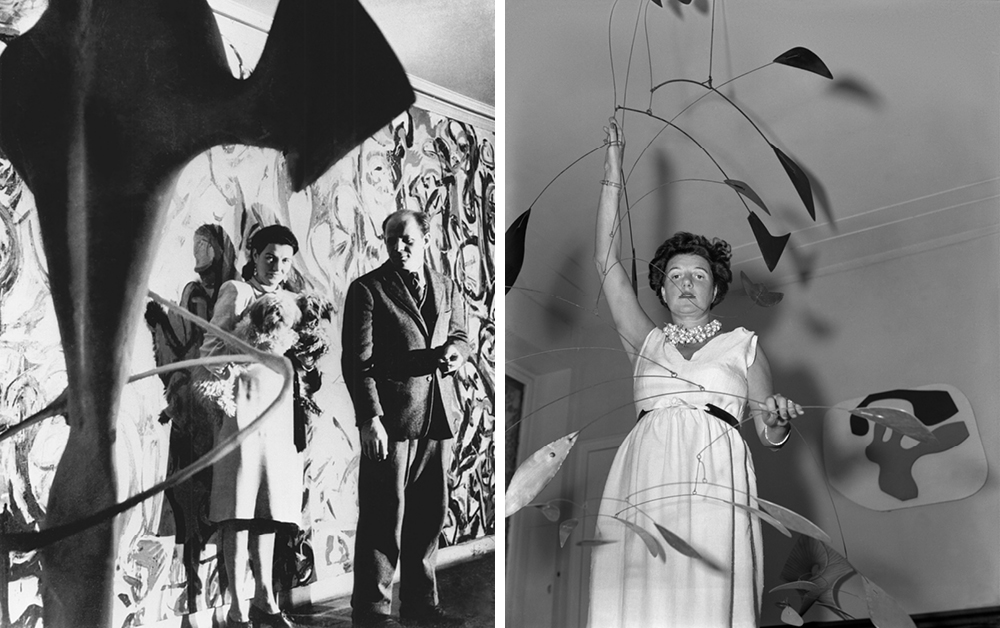
“Who bought that piece?” This question often wields more power than the artwork’s intrinsic aesthetics or philosophy. In today’s art world, the collector is not merely a purchaser but a powerful actor who structures value and inscribes narrative.
2025.07.29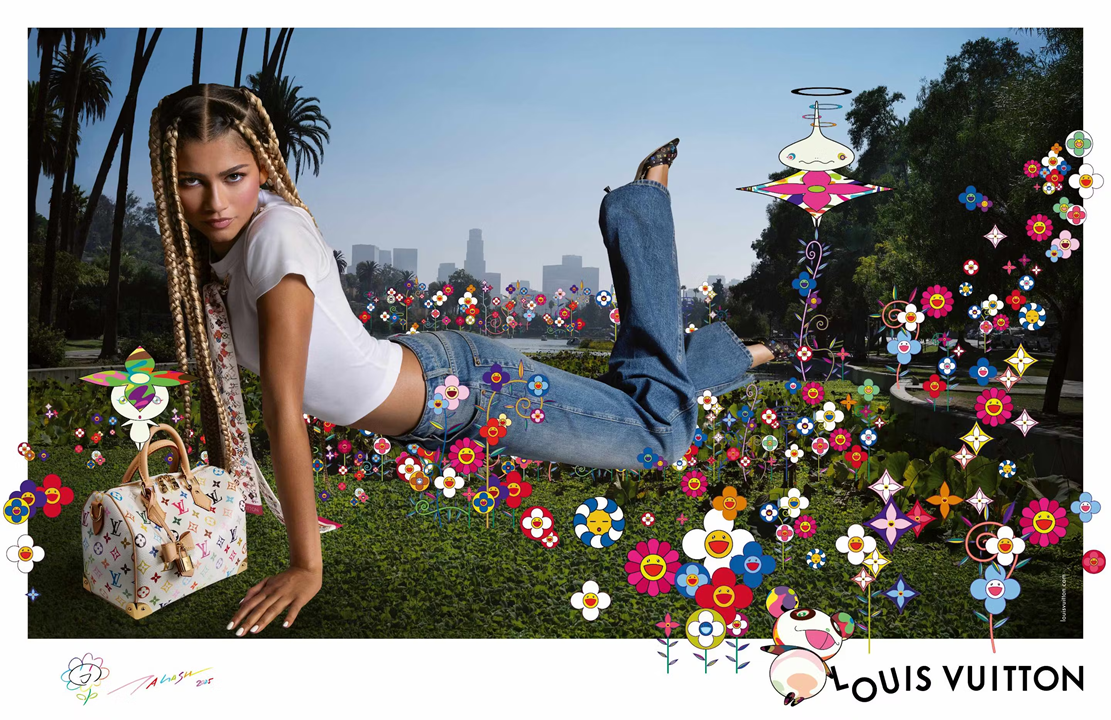
In the 21st century, late capitalism has evolved beyond an economy of production and consumption into a system where symbols and signs dominate value. Jean Baudrillard called this the “political economy of the sign,” where the symbolic meaning of things supersedes their material substance. In such a system, commodities are no longer just physical objects—they are bundles of signs, socially coded and ideologically charged.
2025.07.15