






 The One & Only Place
& limited access to news & exhibitions



On April 24, 2025, the Ministry of Culture, Sports and Tourism hosted "Art Policy Talk at 3PM" at Art Korea Lab in Seoul under the theme of "Art in the Age of AI." Despite its promising topic, the event ultimately fell short of presenting a deep critical engagement or offering concrete alternatives.
2025.04.29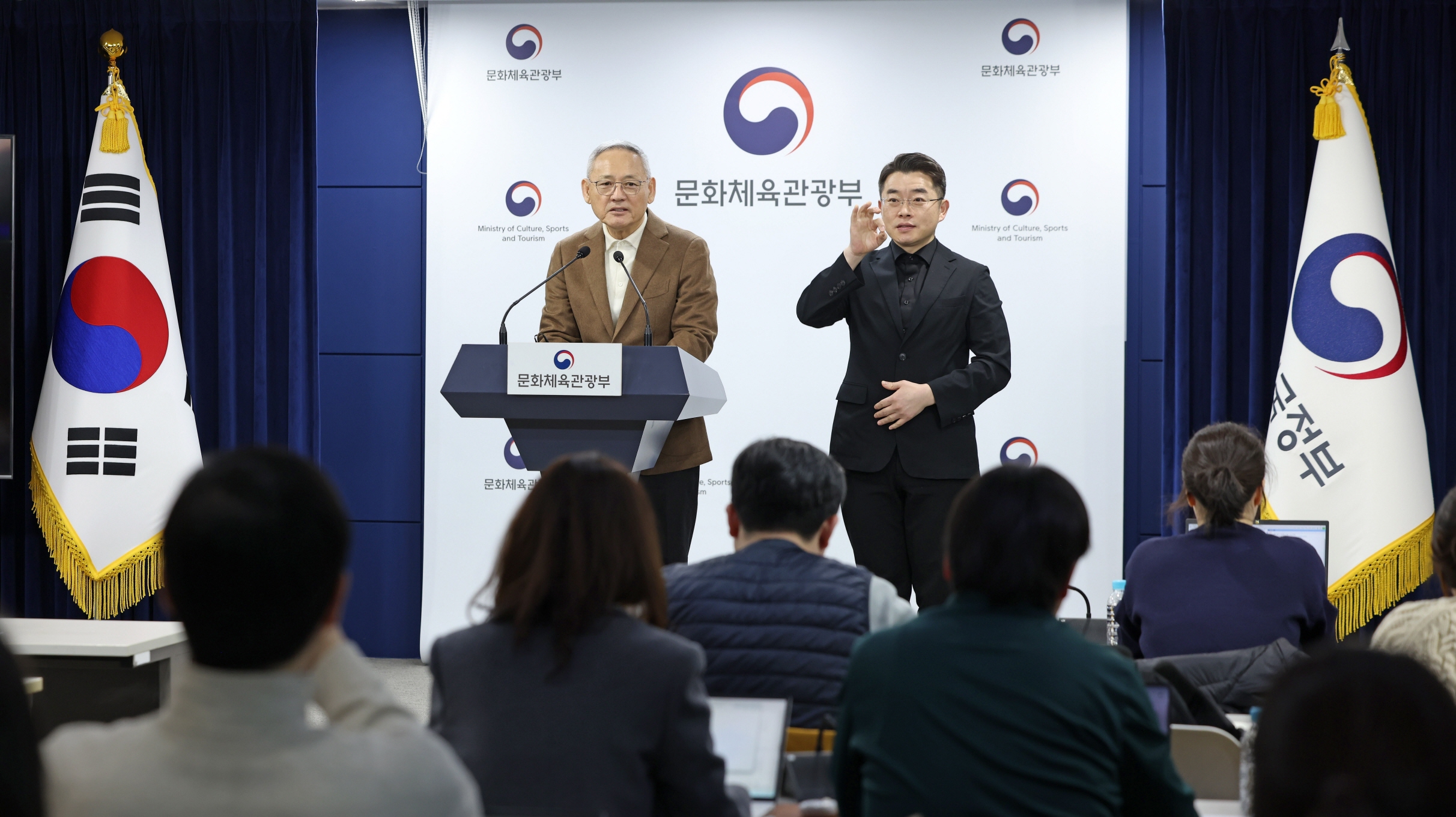
According to the recently released 2024 Artist Status Survey, 75.7% of artists earn less than 12 million KRW annually, while 31% report having no income at all. The average household income of artists is over 20 million KRW lower than the national average, with severe income disparities particularly evident in photography, literature, and fine arts.
2025.03.11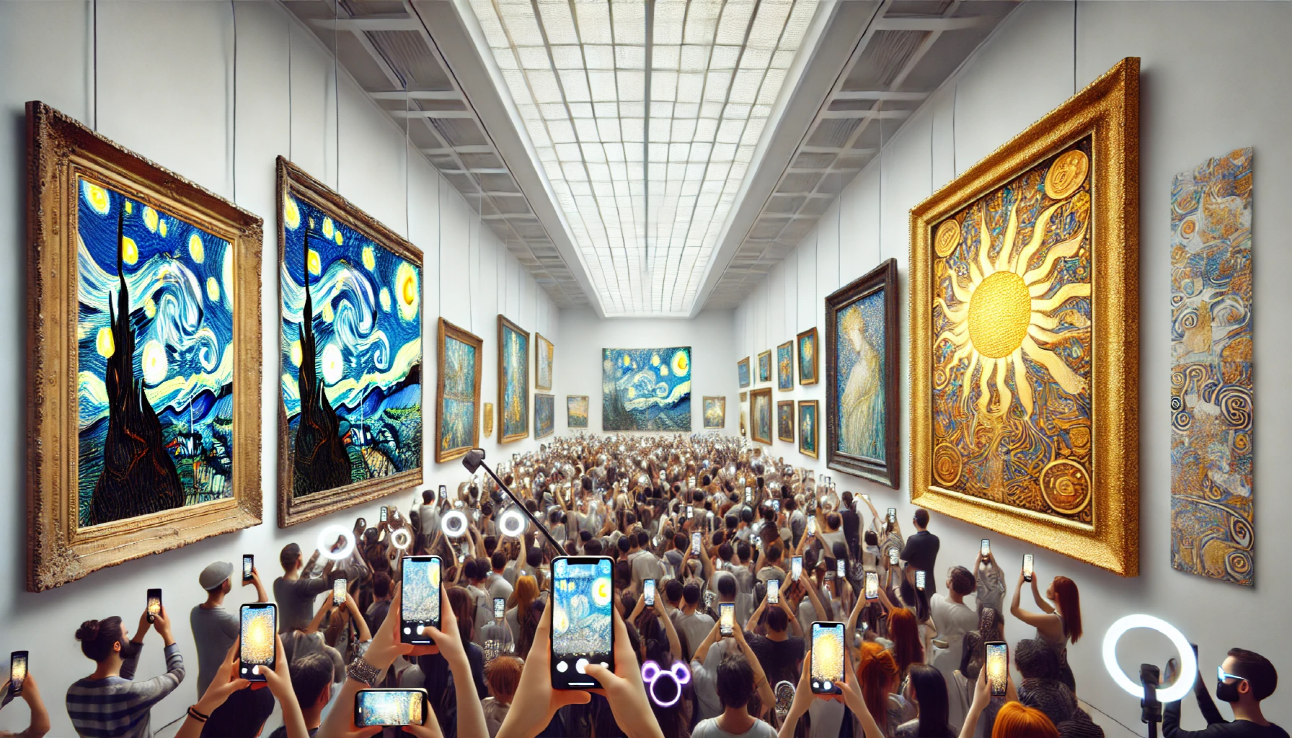
The Korean art scene is experiencing what can truly be called a "blockbuster boom." One after another, exhibitions of internationally renowned artists—Van Gogh, Hopper, Munch, Basquiat—are being held in Korea, resembling the global tours of pop stars.
2025.02.25
Since the 2000s, the Korean art world and art market have undergone remarkable expansion, growing significantly in scale. This growth is reflected in the dramatic rise of the domestic art auction market over the past 24 years. According to research conducted by the Korea Art Price Appraisal Association (Chairman Kim Young-Seok) and Art Price (CEO Ko Yoon-Jeong), the market has expanded 1,830 times during this period.
2025.02.11
In the 21st century, South Korea has solidified its position as a global cultural powerhouse. K-pop dominates the global music industry, and K-dramas and K-literature have seamlessly entered people's daily lives worldwide, bridging popular culture and fine arts.
2024.12.17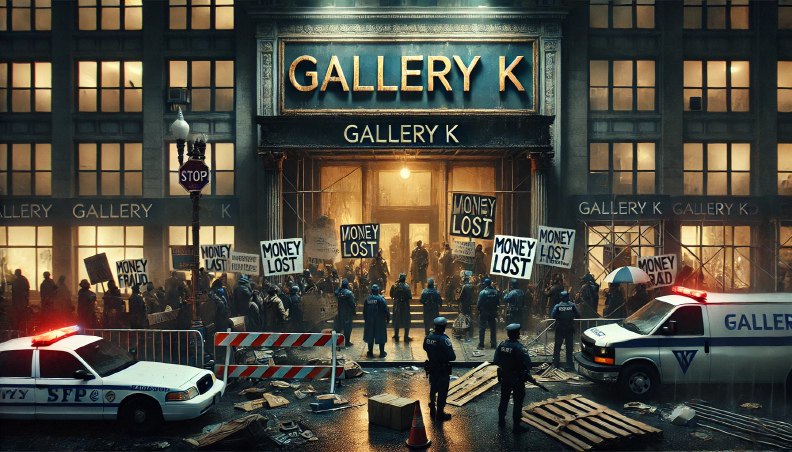
In 2024, a massive financial scandal rocked the South Korean art market. An art trading company called GALLERY K attracted large sums of money by promising investors a 7-9% annualized return and guaranteed principal, but recently, a class-action lawsuit by customers has revealed the full story.
2024.11.19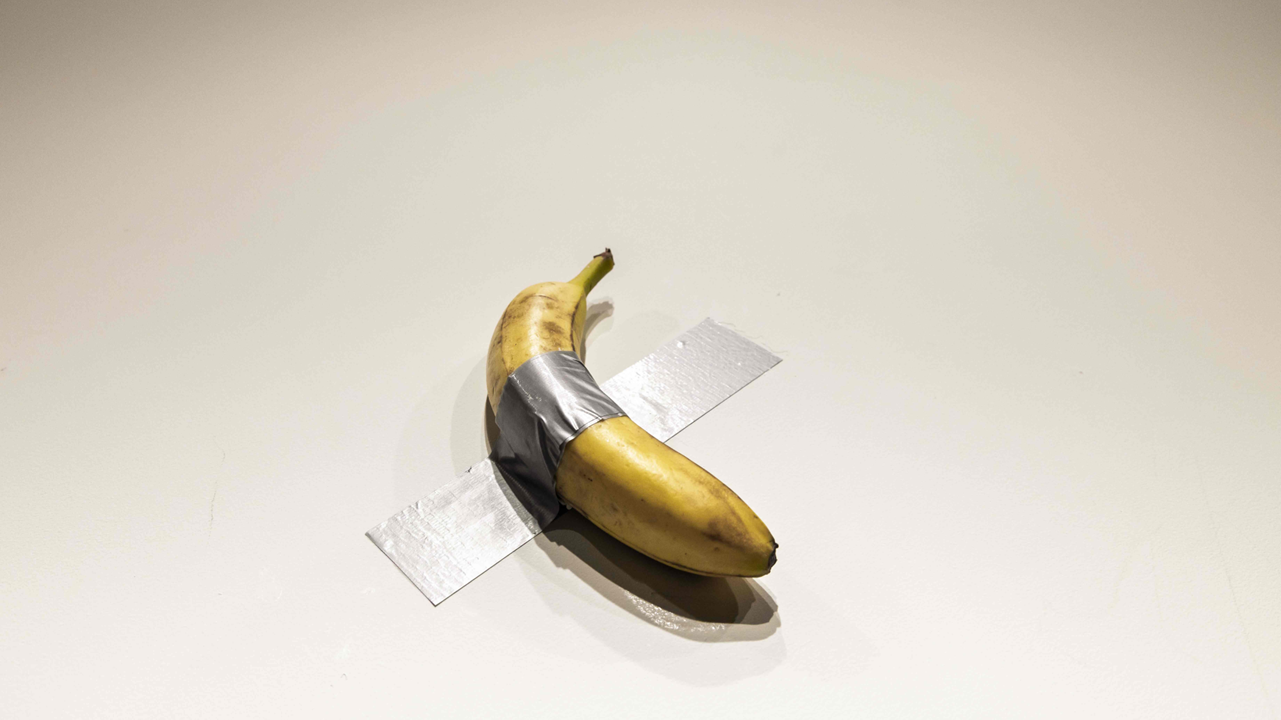
Today’s contemporary art scene has been rewritten in the language of capital. Artworks have become units of transaction rather than outcomes of thought, and the artist’s creative act is adjusted somewhere between private desire and market demand. The spiritual value of art—the inner form where human perception meets reflection—is gradually losing its ground.
2025.11.11
In the previous essay, “The Age of Role Reversal,” we examined how essence is obscured by the non-essential. This chapter turns to the loss of value—a deeper layer of that same inversion. Here, “value” does not refer to market price. It signifies the belief in authenticity, autonomy, and inner necessity that once made art possible as art—a shared yet invisible agreement that sustained the meaning of artistic creation.
2025.10.21
Today, contemporary art appears more dazzling than ever. Art fairs around the world draw hundreds of thousands of visitors, and record-breaking prices are set at auctions. In Korea as well, Frieze Seoul has become a focal point for the Asian art market, while regional fairs such as Art Busan and Art Gwangju continue to expand. Social media feeds are flooded with exhibition snapshots, and blockbuster shows draw long lines of eager visitors.
2025.09.23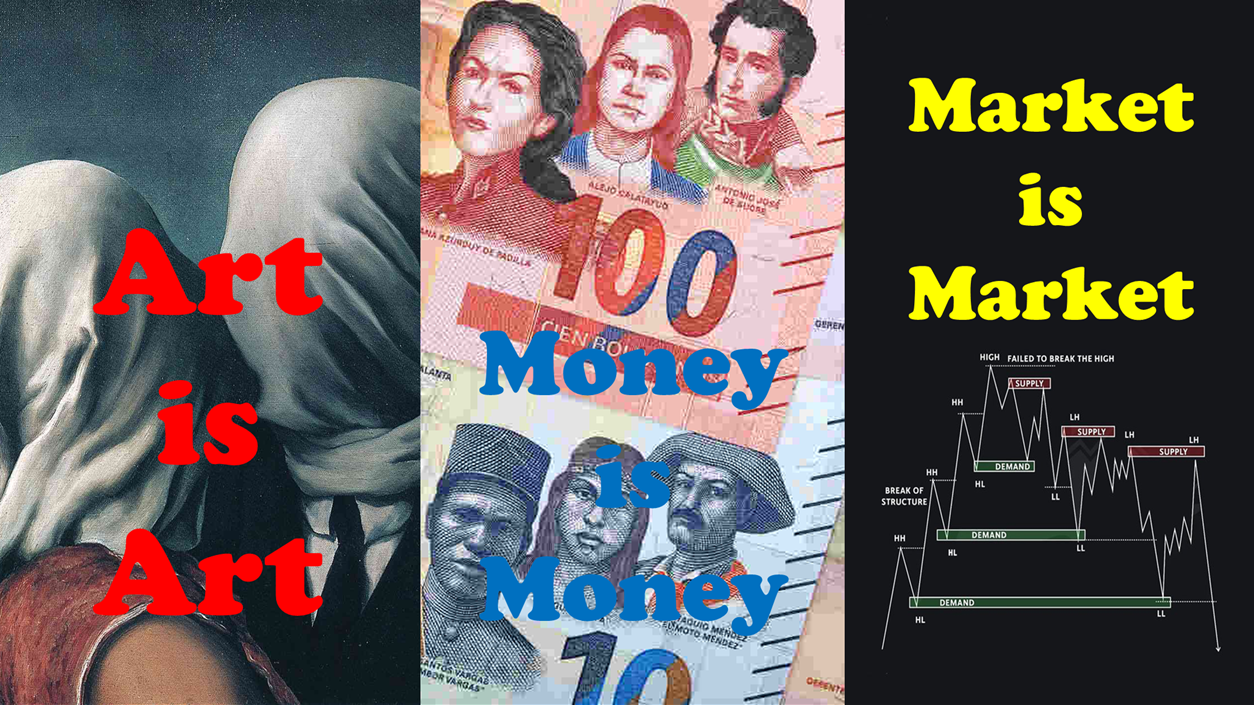
In capitalist society, art can no longer remain solely in an independent and autonomous realm. Today, artworks are reduced to prices within the market’s evaluative systems; their lifespan is extended or erased depending on their investment potential.
2025.08.12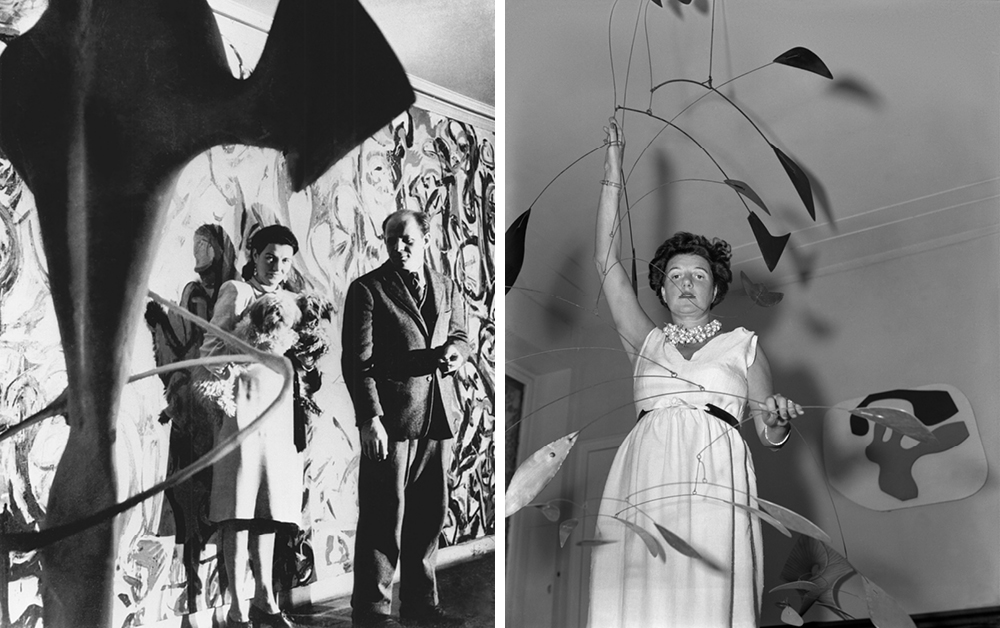
“Who bought that piece?” This question often wields more power than the artwork’s intrinsic aesthetics or philosophy. In today’s art world, the collector is not merely a purchaser but a powerful actor who structures value and inscribes narrative.
2025.07.29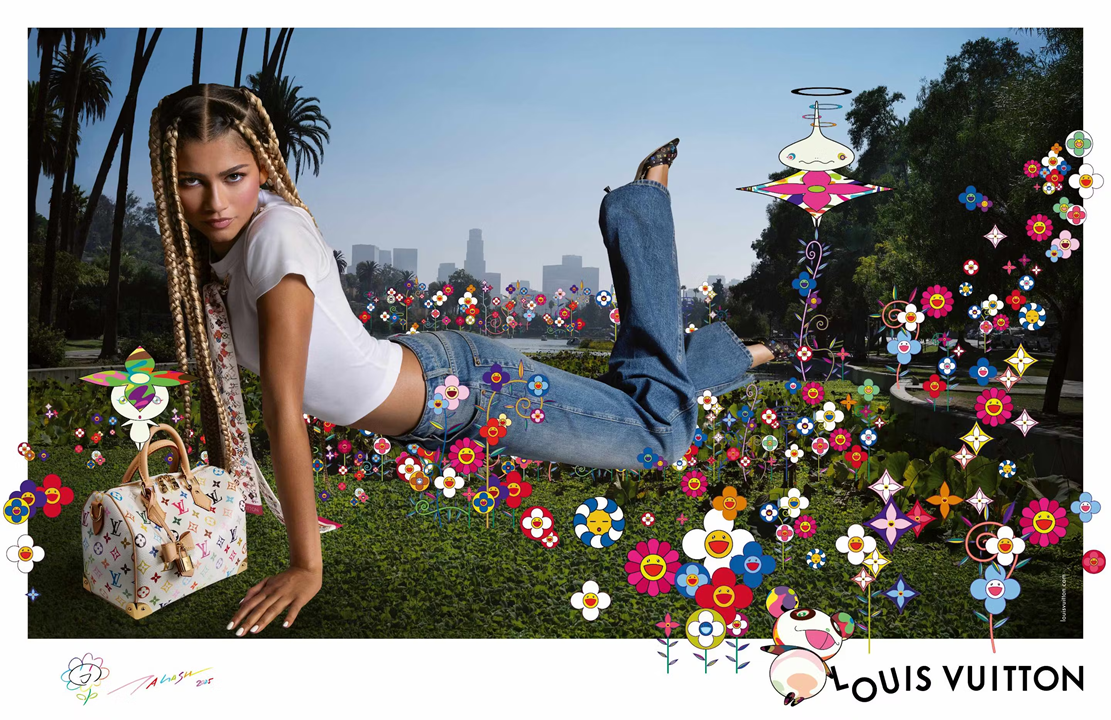
In the 21st century, late capitalism has evolved beyond an economy of production and consumption into a system where symbols and signs dominate value. Jean Baudrillard called this the “political economy of the sign,” where the symbolic meaning of things supersedes their material substance. In such a system, commodities are no longer just physical objects—they are bundles of signs, socially coded and ideologically charged.
2025.07.15