





 The One & Only Place
& limited access to news & exhibitions


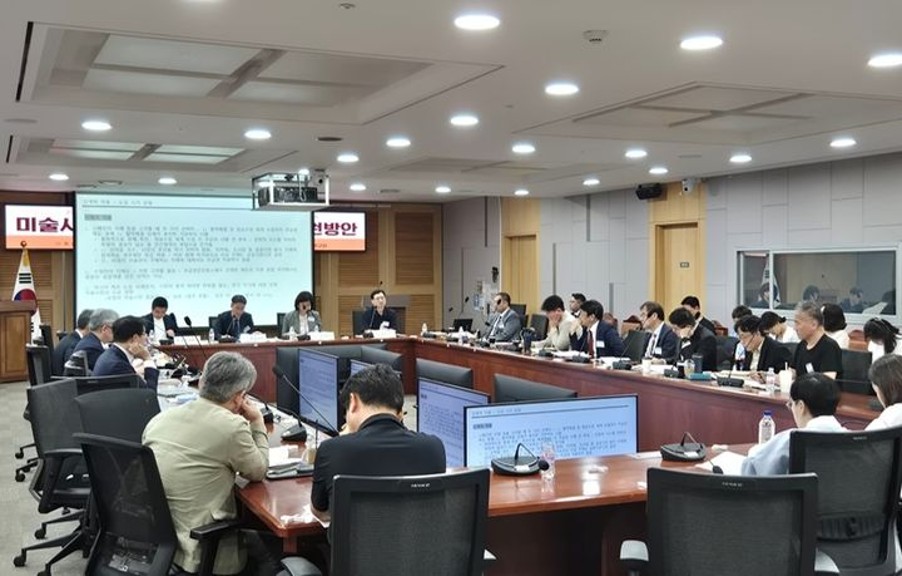
On August 8, Seoul’s National Assembly Members’ Office Building played host to a marathon policy seminar, ambitiously titled “Legal Support Measures for Art Market Revitalization.”
2025.08.12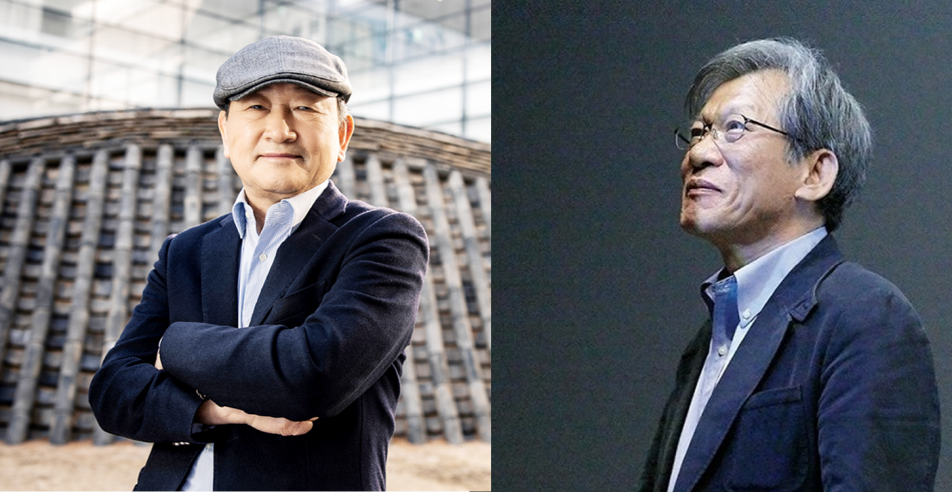
In 2025, two of Korea’s most prominent art figures have returned to lead major cultural institutions. Yoo Hong-jun, former Administrator of the Cultural Heritage Administration, has been appointed Director of the National Museum of Korea, while Yoon Bum-mo, former Director of the National Museum of Modern and Contemporary Art (MMCA), has taken the helm as the new CEO of the Gwangju Biennale. Both are respected art historians, critics, and curators with long careers in the field. Their return has inspired expectations of “stability” and “experience.”
2025.07.29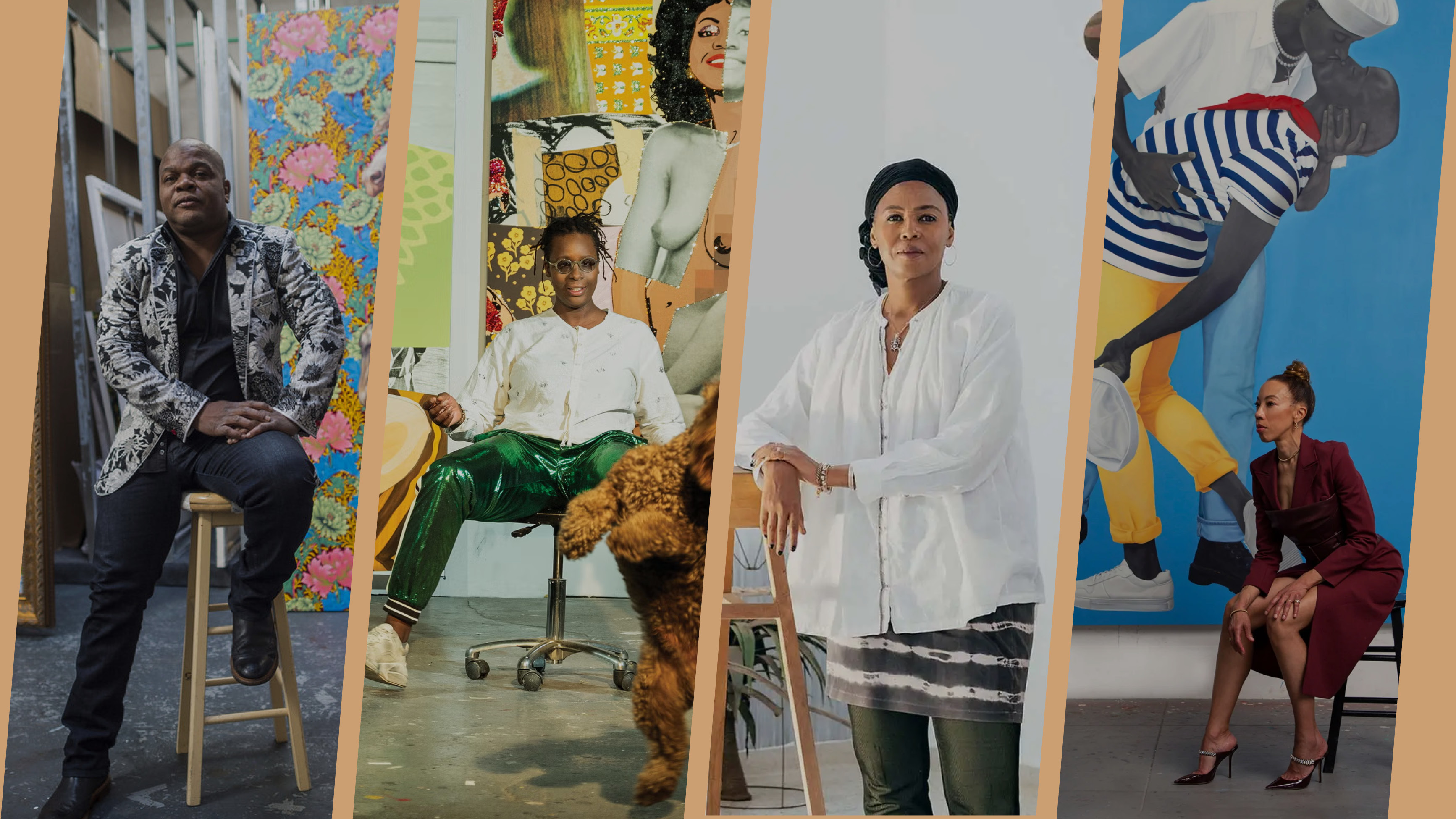
Since the early 2020s, the global art world has undergone a rapid reconfiguration. At the heart of this transformation is an unprecedented focus on Black artists. From major museum exhibitions to art fair demand and collector interest, the entire ecosystem reflects this shift. Yet this isn't merely a passing trend. Rather, it is the visible outcome of two converging cultural forces: Postcolonialism and Political Correctness (PC).
2025.07.22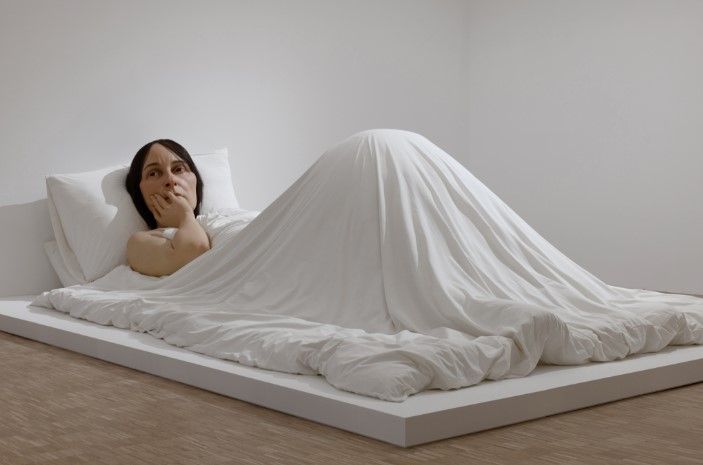
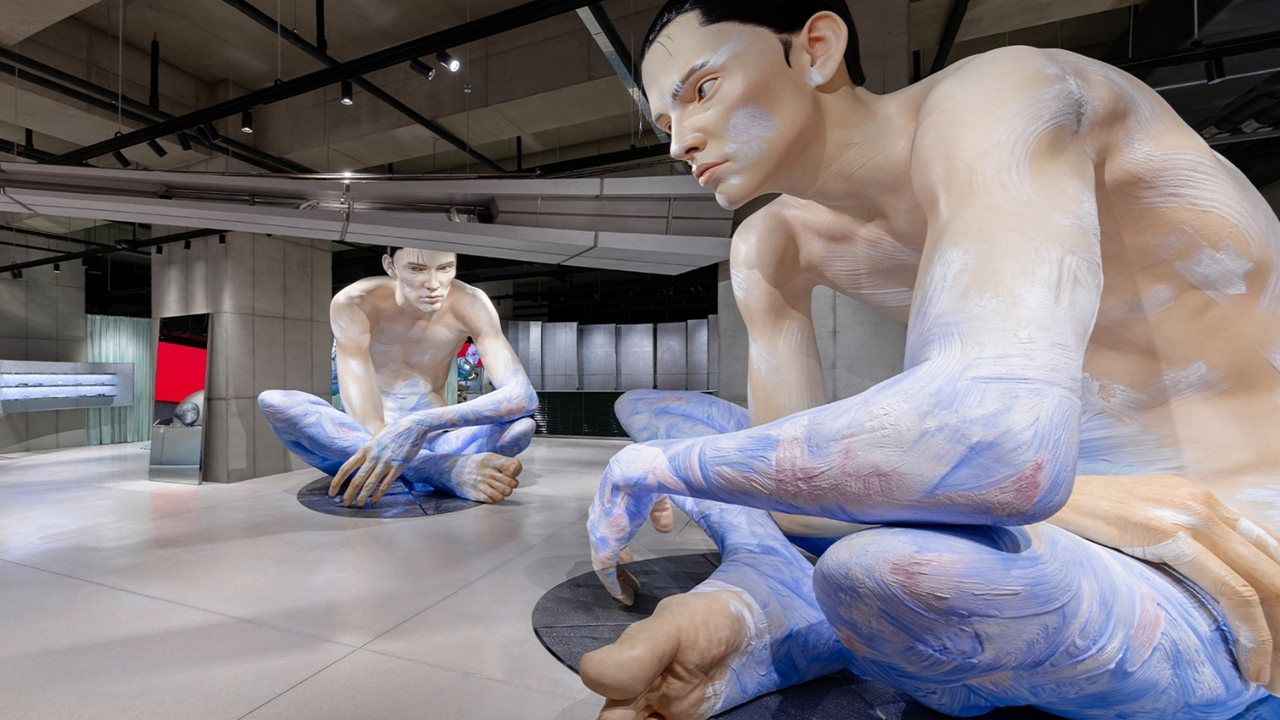
The solo exhibition of Australian hyperrealist sculptor Ron Mueck, currently being held at the National Museum of Modern and Contemporary Art (MMCA) in Seoul, is drawing more than 5,000 visitors per day and is expected to surpass 500,000 visitors within two months.
2025.07.08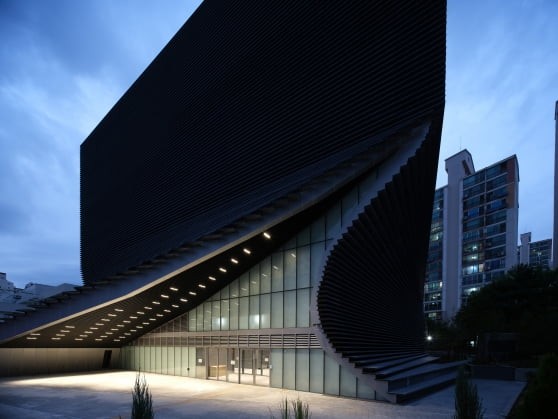
On May 29, 2025, the Seoul Museum of Photography (Photography Seoul Museum of Art) opens its doors in Chang-dong, Dobong-gu, Seoul. As the first public art museum in Korea dedicated entirely to the photographic medium, this institution is not merely another museum opening—it is a historic milestone.
2025.05.27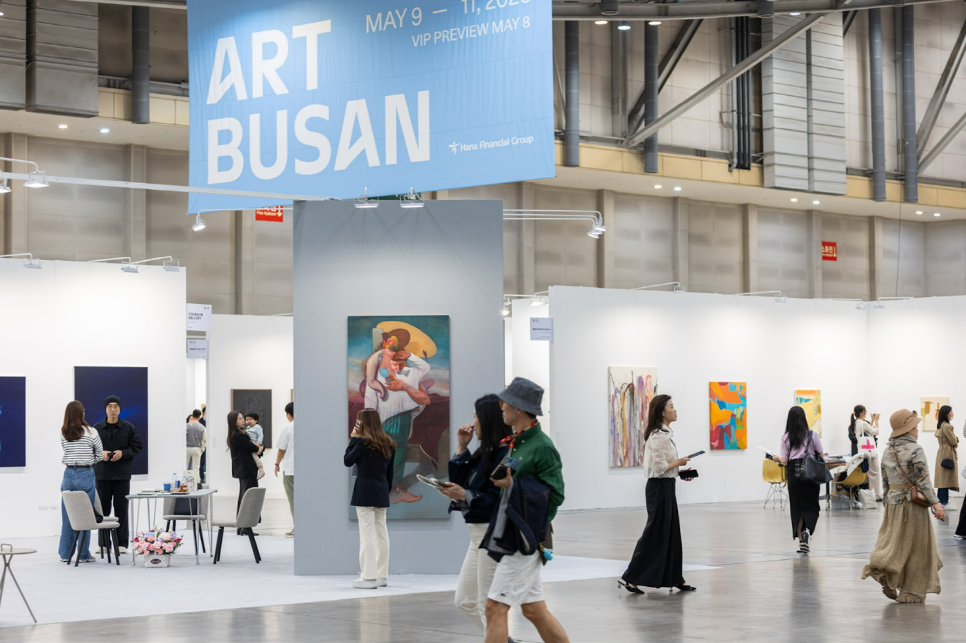
Art Busan 2025 concluded its four-day run on May 11 at BEXCO in Haeundae, Busan. Now in its 14th edition, the fair brought together 109 galleries from 17 countries in an effort to reinforce Busan’s position as a hub of contemporary art in East Asia. However, the outcome reflected more of the current art market realities than a major shift.
2025.05.13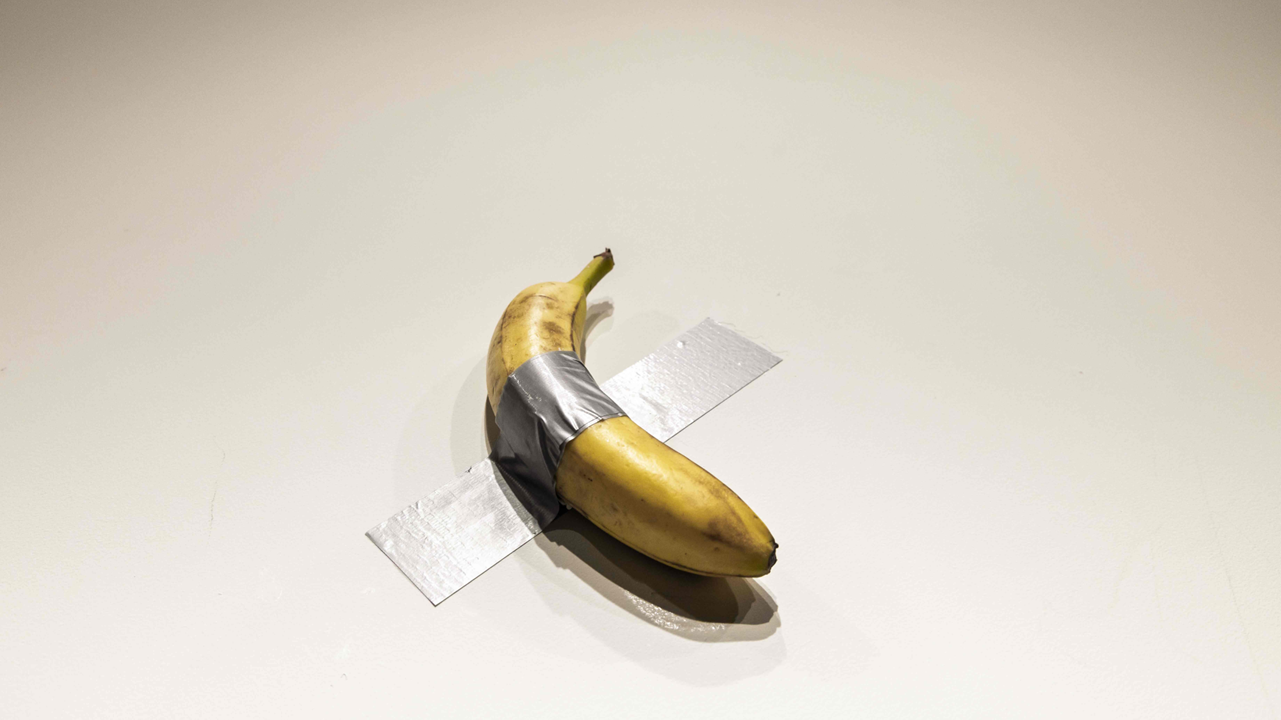
Today’s contemporary art scene has been rewritten in the language of capital. Artworks have become units of transaction rather than outcomes of thought, and the artist’s creative act is adjusted somewhere between private desire and market demand. The spiritual value of art—the inner form where human perception meets reflection—is gradually losing its ground.
2025.11.11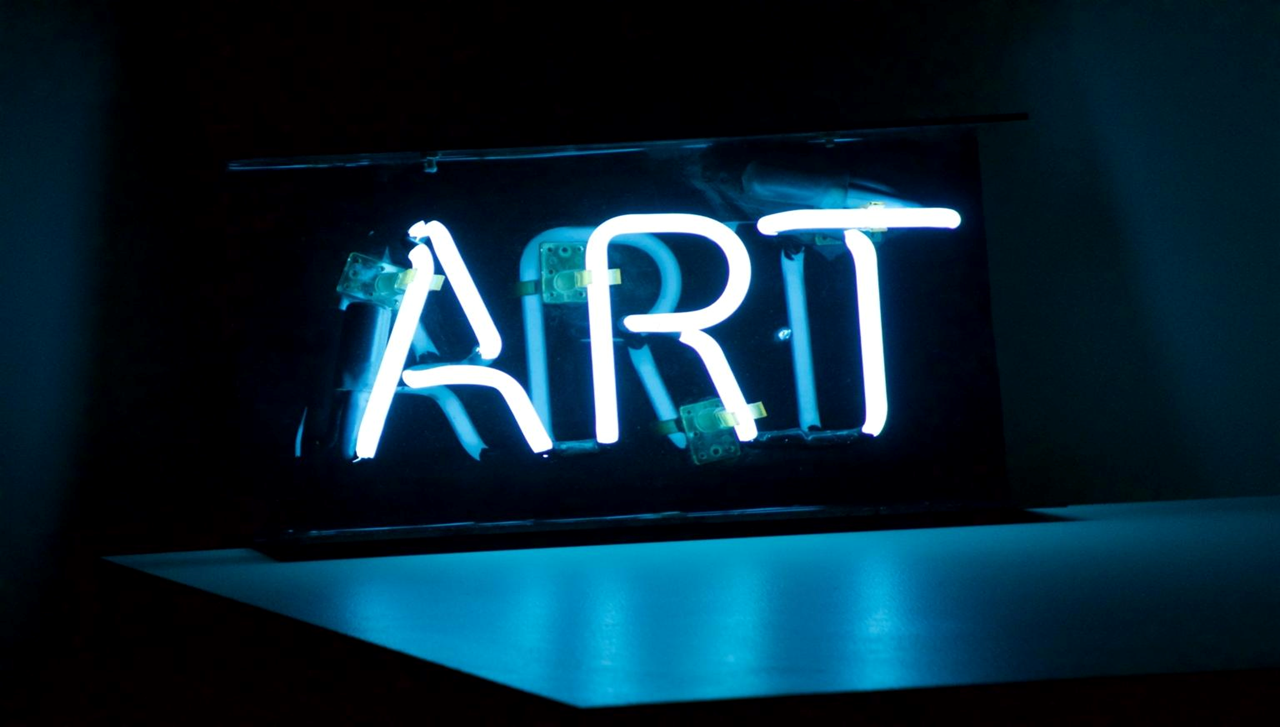
In the previous essay, “The Age of Role Reversal,” we examined how essence is obscured by the non-essential. This chapter turns to the loss of value—a deeper layer of that same inversion. Here, “value” does not refer to market price. It signifies the belief in authenticity, autonomy, and inner necessity that once made art possible as art—a shared yet invisible agreement that sustained the meaning of artistic creation.
2025.10.21
Today, contemporary art appears more dazzling than ever. Art fairs around the world draw hundreds of thousands of visitors, and record-breaking prices are set at auctions. In Korea as well, Frieze Seoul has become a focal point for the Asian art market, while regional fairs such as Art Busan and Art Gwangju continue to expand. Social media feeds are flooded with exhibition snapshots, and blockbuster shows draw long lines of eager visitors.
2025.09.23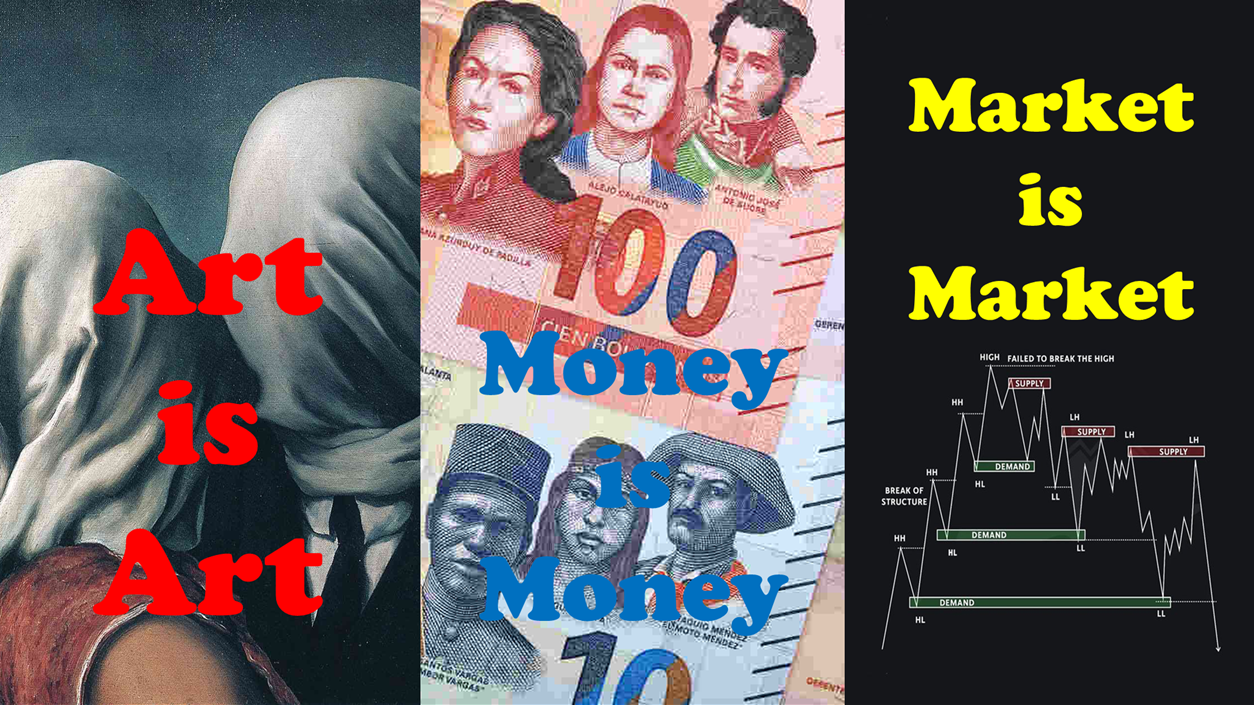
In capitalist society, art can no longer remain solely in an independent and autonomous realm. Today, artworks are reduced to prices within the market’s evaluative systems; their lifespan is extended or erased depending on their investment potential.
2025.08.12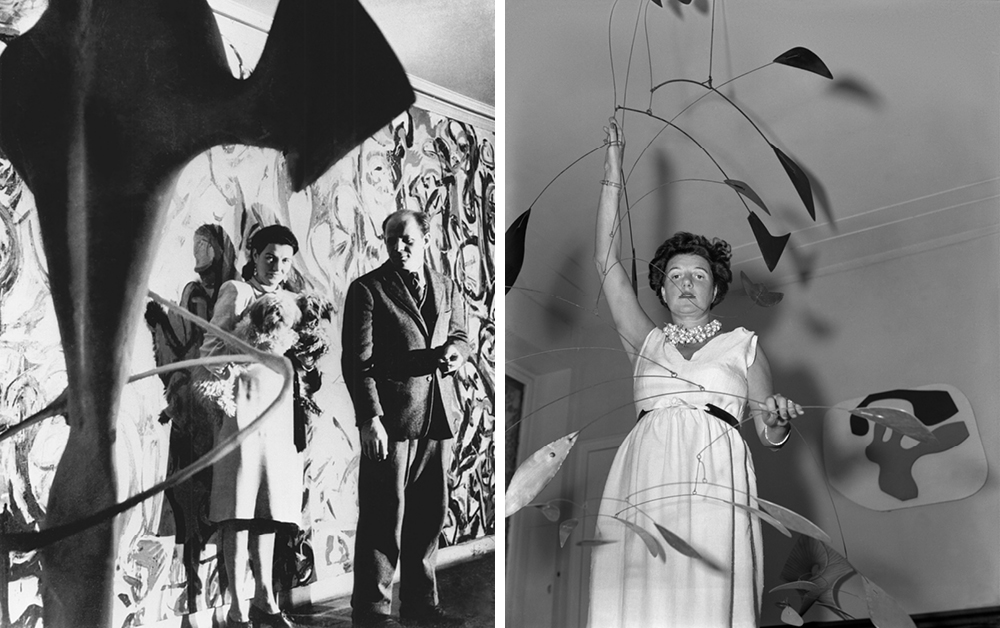
“Who bought that piece?” This question often wields more power than the artwork’s intrinsic aesthetics or philosophy. In today’s art world, the collector is not merely a purchaser but a powerful actor who structures value and inscribes narrative.
2025.07.29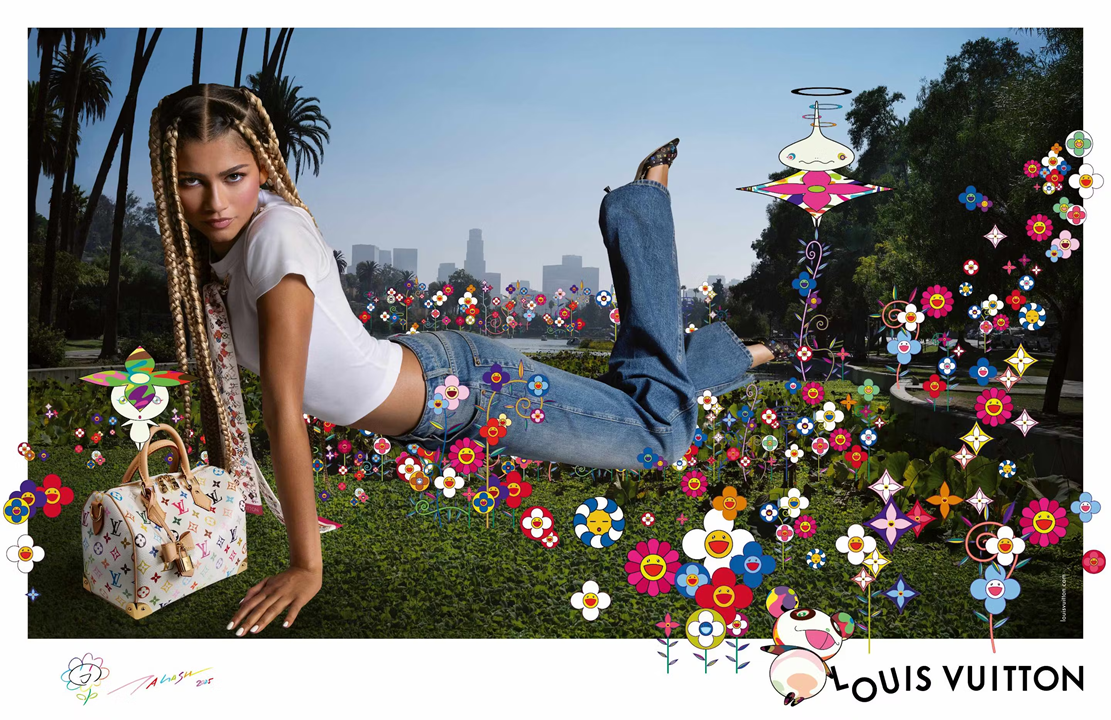
In the 21st century, late capitalism has evolved beyond an economy of production and consumption into a system where symbols and signs dominate value. Jean Baudrillard called this the “political economy of the sign,” where the symbolic meaning of things supersedes their material substance. In such a system, commodities are no longer just physical objects—they are bundles of signs, socially coded and ideologically charged.
2025.07.15