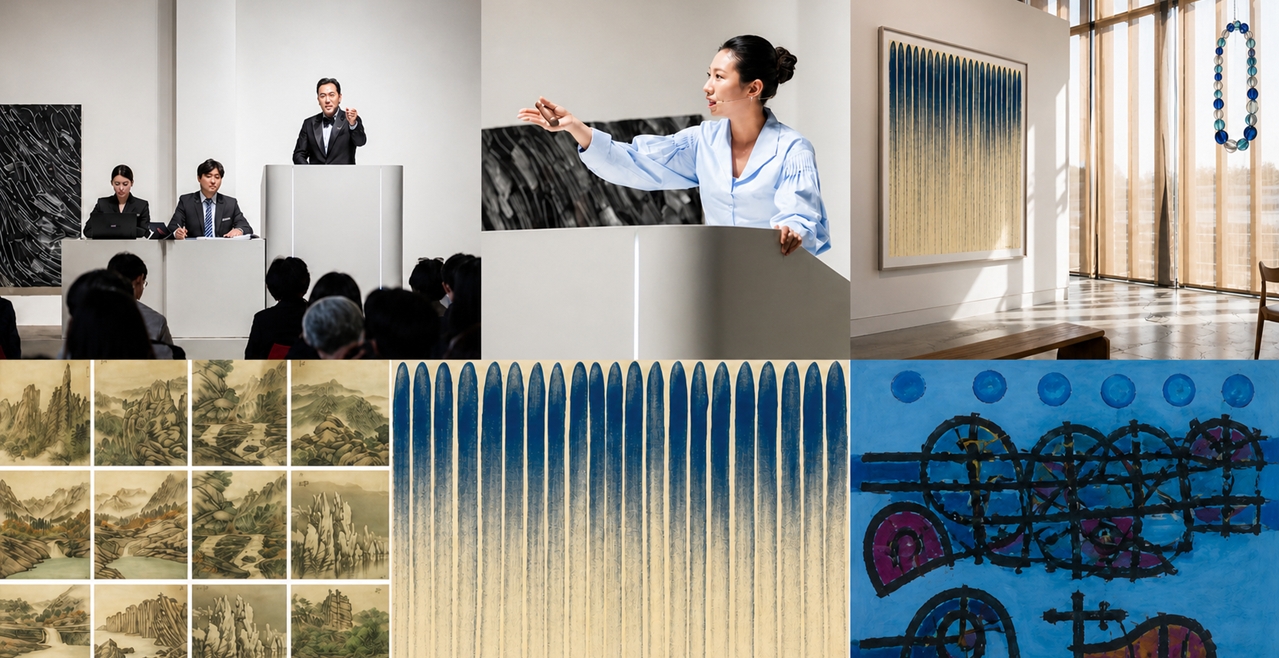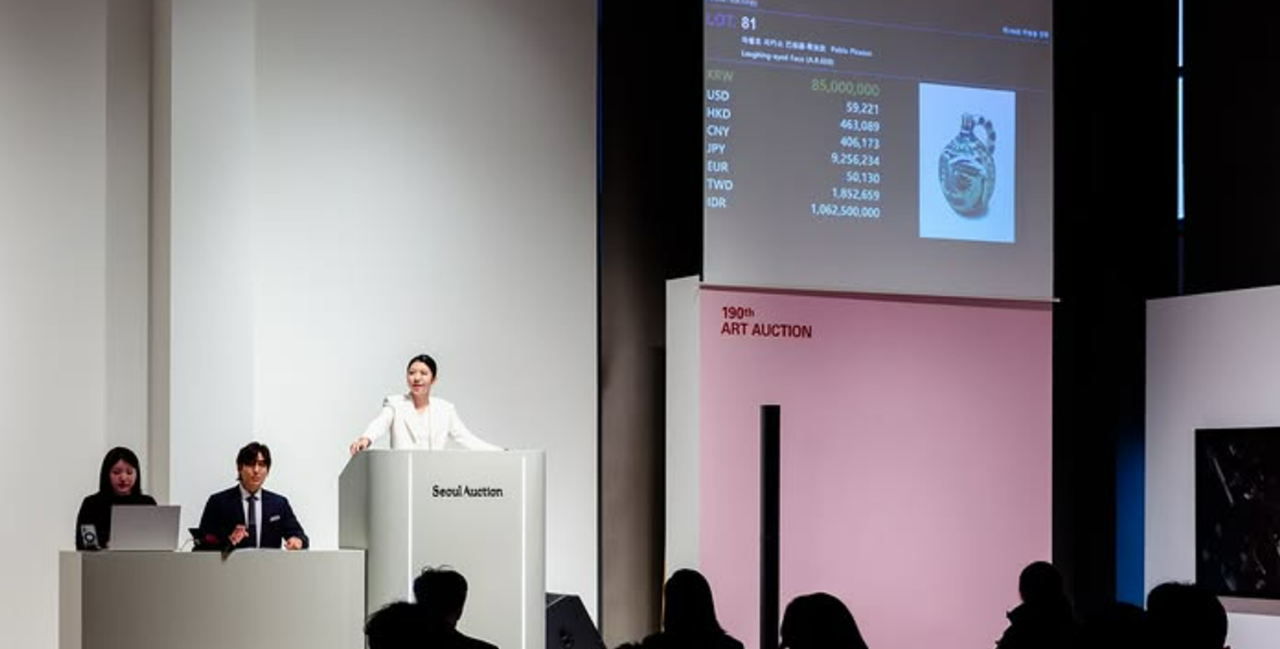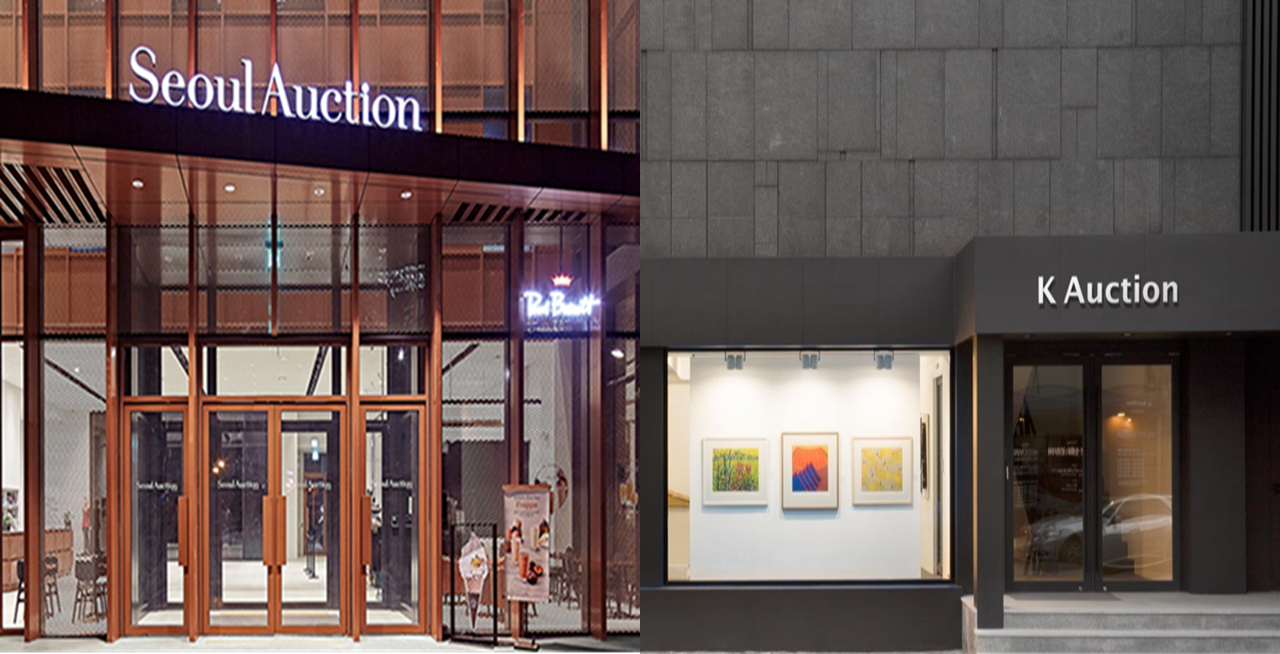

Seoul Auction
will host 《2026 AUCTION SHOW》
from November 11 to 24 at its Gangnam Center in Sinsa-dong, Seoul. The event
will take place in two phases—Part 1 from November 11 to 17 and Part 2 from
November 19 to 24—and will feature a wide range of programs, including an
Evening Sale, a Contemporary Day Sale, exhibitions of modern and contemporary
art, luxury goods auctions, collectible exhibitions, and charity auctions. The
event will encompass 12 auctions, eight exhibitions and brand pop-ups, and
approximately 1,000 artworks and collectibles.
While fine art
remains central to Seoul Auction's business, the event will also encompass
fashion, jewelry, rare collectibles, and popular culture. The initiative is
notable for its attempt to bring different consumer groups and collectors
together through a single platform.
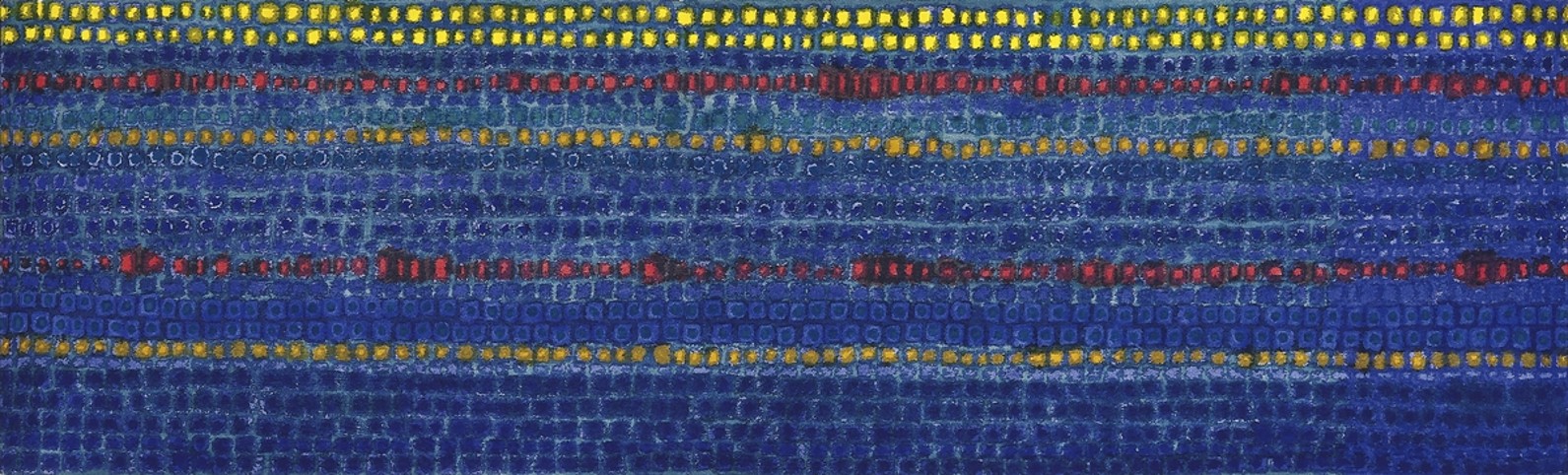
Kim Whanki, 30-XI-71 #212, 1971 / Photo: Seoul Auction.
The Evening Sale, scheduled for November 23, will feature 34 lots with a combined low estimate of approximately KRW 19 billion (USD 13.57 million). The 《Auction Show》 will also present Kim Whanki's 1971 blue all-over dot painting, 30-XI-71 #212, in Korea for the first time, with a low estimate of KRW 2.8 billion (USD 2 million).
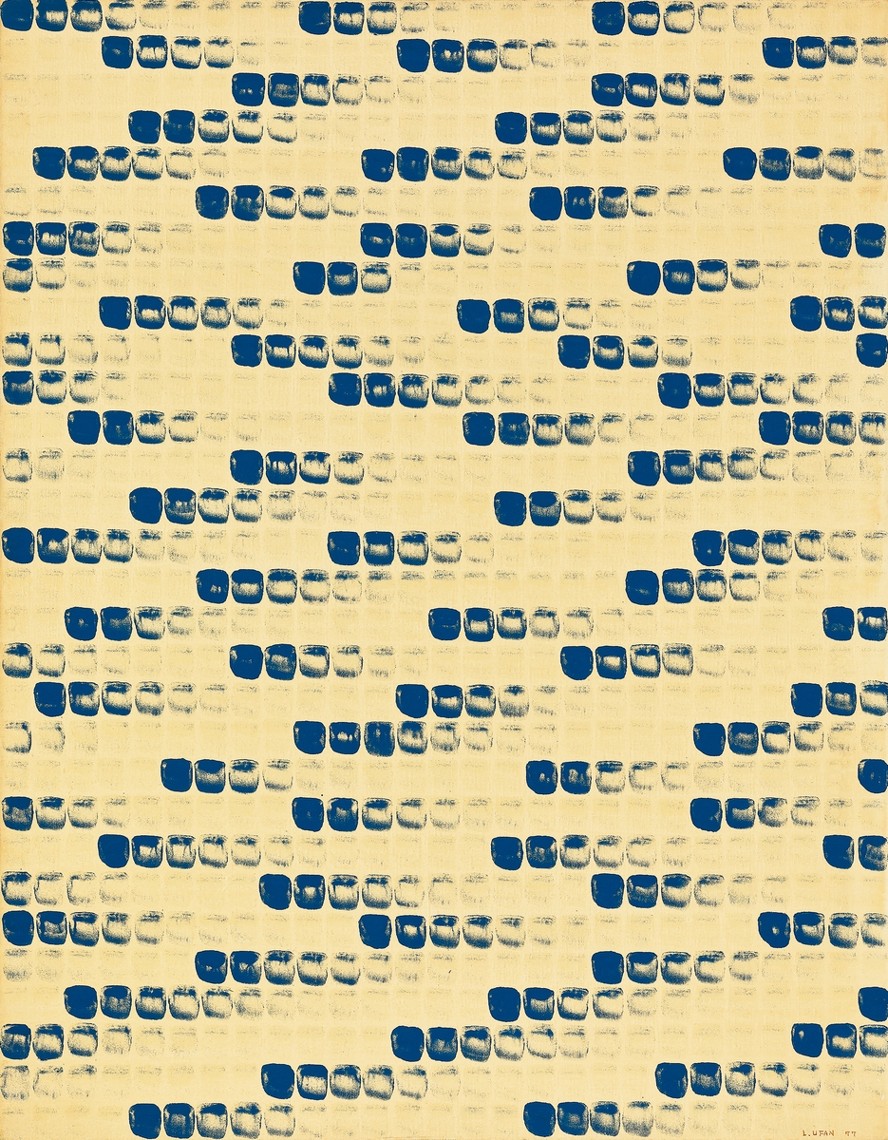
Lee Ufan, From Point / Photo: Seoul Auction.
Evening
Sales and Contemporary Art Auctions Focused on High-Value Works
Among the
programs expected to attract particular attention from art market professionals
are the Evening Sale and Contemporary Day Sale.
According to
Seoul Auction, the Evening Sale will feature an all-over dot painting by Kim
Whanki and a large-scale painting by British artist Damien Hirst. The
Contemporary Day Sale will present works by Korean contemporary artists,
including Woo Kukwon and Lee Kangso.
Evening sales
typically bring together carefully selected, high-value works in a concentrated
auction format. Major international auction houses such as Christie's and
Sotheby's have long used these sales to present important works, assess
collector demand, and establish price benchmarks. Beyond individual
transactions, such auctions can also influence an artist's market standing and
the formation of market prices.
Following the
introduction of its Evening Sale format in 2025, Seoul Auction has once again
positioned it as a central component of this year's event. The move can be
understood as an effort to strengthen a differentiated auction format focused
on high-value works within the Korean market.
However, the
introduction of an Evening Sale does not, in itself, demonstrate growth in the
high-end art market or greater international competitiveness. Assessing actual
demand and market conditions requires examining estimates, hammer prices,
sell-through rates, bidding competition, and buyer profiles.
The Korean
high-end art market can be particularly sensitive to the availability of major
works and purchasing decisions by a relatively small number of collectors.
Consequently, a high sales total at an individual auction should not
automatically be interpreted as evidence of broader market growth. The
continuity of transactions and the expansion of the collector base are equally
important indicators.
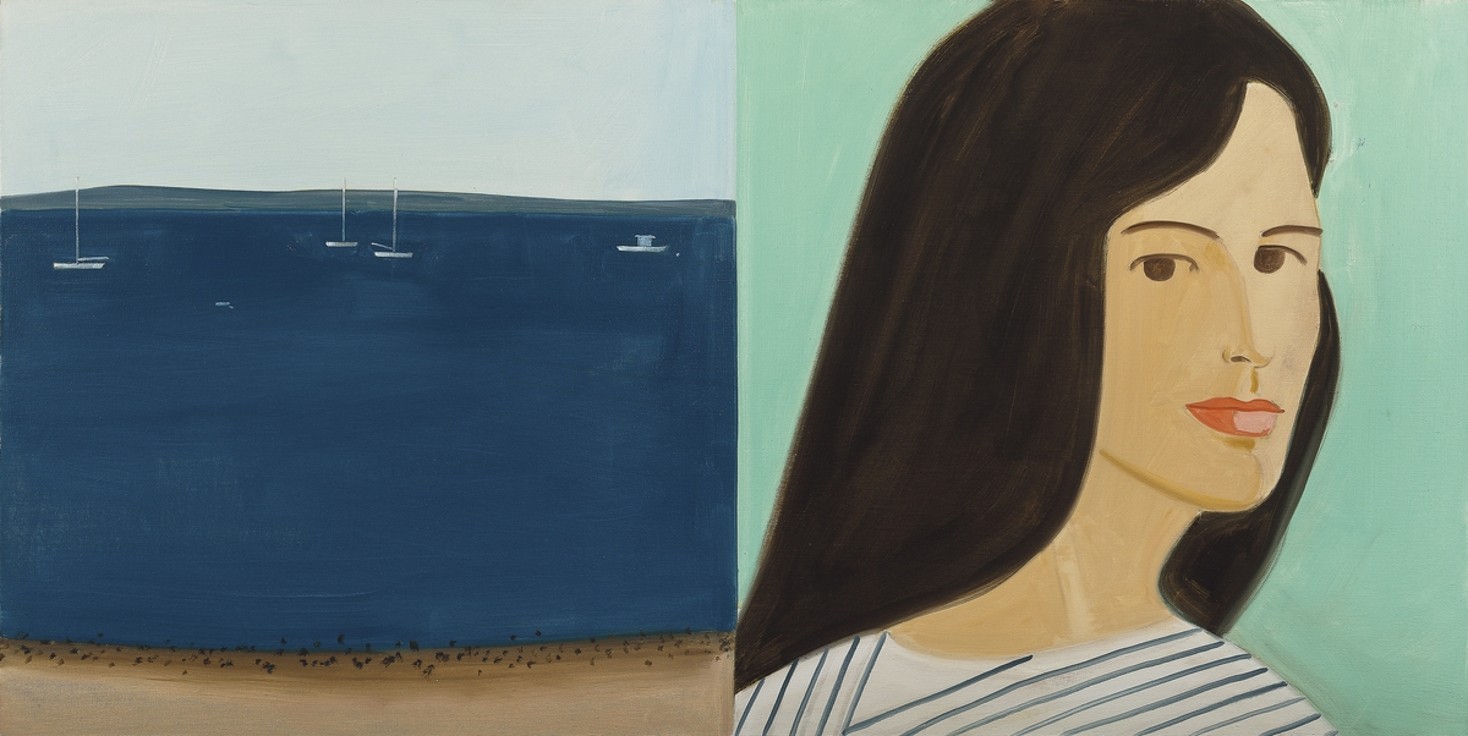
Alex Katz, Split 7 (Tarajia) / Photo: Seoul Auction.
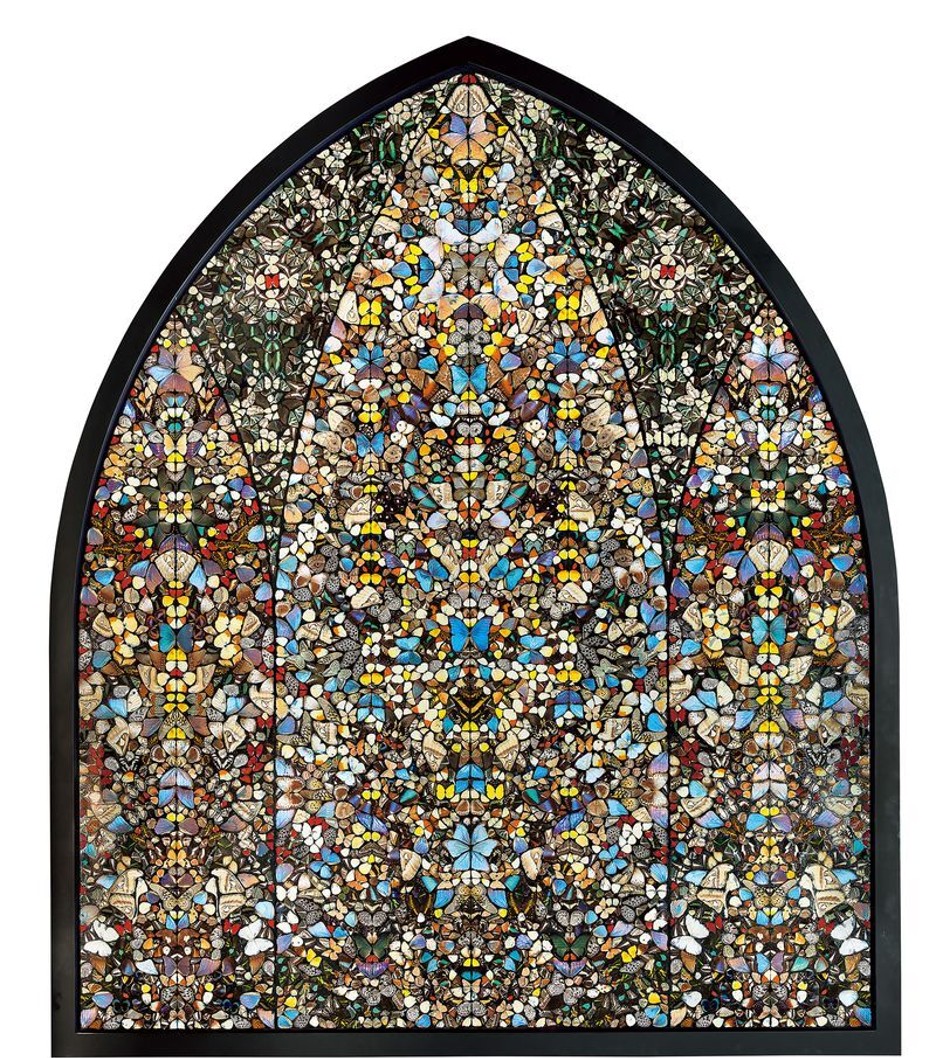
Damien Hirst, The Importance of Elsewhere-The Kingdom of Heaven, 2006 / Photo: Seoul Auction.
Expanding
Beyond Fine Art into Luxury Goods and Collectibles
Another
distinguishing feature of this year's event is the presentation of fine art,
luxury goods, and rare collectibles within a single platform.
A special auction
featuring assets associated with the National Tax Service will include
high-value items such as Hermès and Chanel handbags, Rolex watches, and gold
bars. Exhibitions of rare Pokémon cards and vintage Hermès pieces, along with
jewelry-related programs, will also be presented.
This combination
can be seen as a strategy to attract not only established fine art collectors
but also luxury consumers, rare collectible buyers, and a younger generation of
collectors.
Similar
developments have already taken place in the international auction market.
Major auction houses, including Christie's and Sotheby's, trade not only
paintings and sculptures but also watches, jewelry, wine, handbags, sports
memorabilia, and other collectibles. Their businesses have expanded from
traditional fine art brokerage into a broader market for high-value collectible
assets.
This expansion
also allows auction houses to apply their expertise in authentication,
valuation, provenance research, transaction management, and client
relationships to additional market categories. From a business perspective, the
ability to leverage the brand credibility and high-net-worth client networks
established through fine art auctions offers significant opportunities.
However, fine
art, luxury goods, and collectibles do not share identical systems of
valuation. The value of an artwork is shaped by multiple factors, including an
artist's practice, art-historical context, provenance, exhibition history, and
critical reception. In contrast, the prices of luxury goods and popular culture
collectibles are more directly influenced by brand identity, scarcity,
condition, consumer preferences, and secondary-market demand.
Accordingly, even
if an auction house's overall transaction value increases, it is necessary to
distinguish between growth generated by fine art sales and expansion driven by
non-art categories. The commercial growth of an auction house does not necessarily
correspond to growth in the fine art market itself.
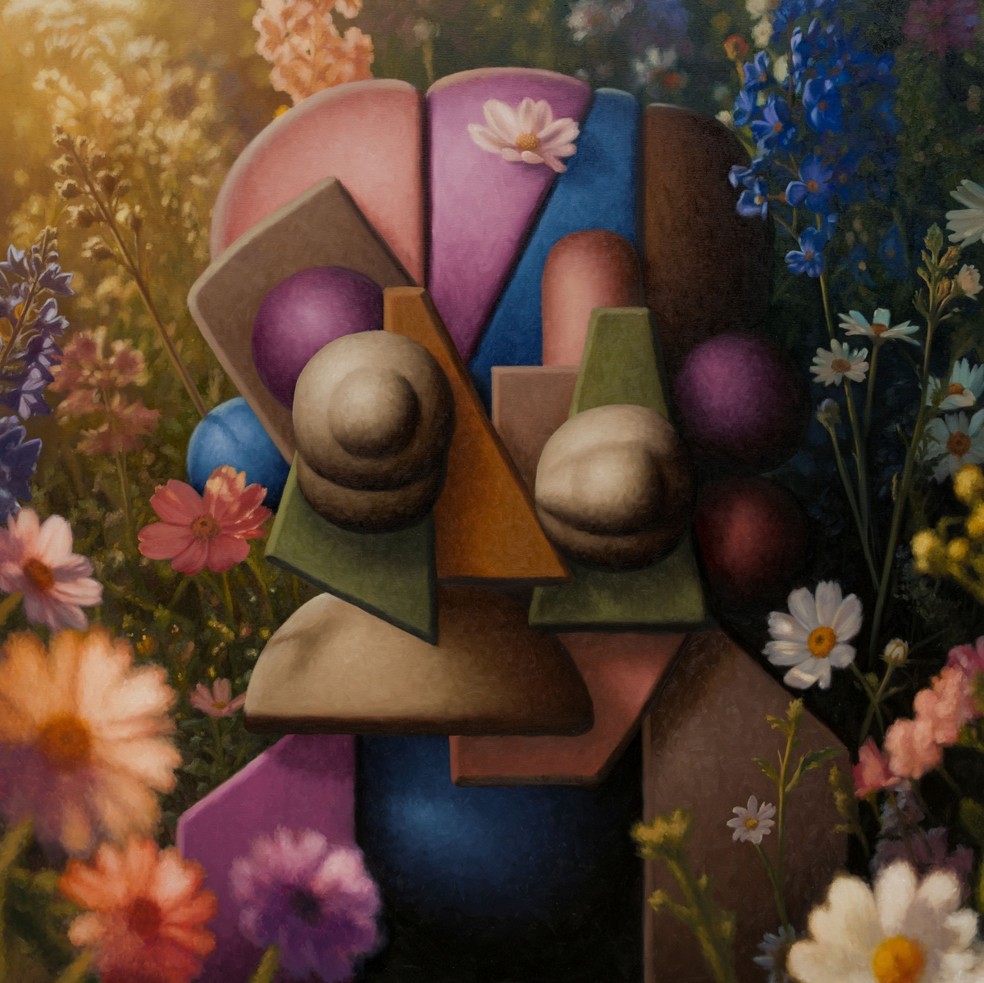
Devon DeJardin, Flower / Photo: Seoul Auction.
Combining
Exhibitions and Auctions to Attract New Audiences and Collectors
In addition to
its auctions, Seoul Auction will present a range of exhibitions and public
programs.
An exhibition by
American artist Devon DeJardin will introduce new works from his ‘Flower’
series and cover art editions. A separate exhibition will feature works by
major modern and contemporary masters. Other programs will include exhibitions
of rare Pokémon cards and vintage Hermès collections, artist talks, and
educational sessions on collecting.
Admission is KRW
22,000 (approximately USD 15.71), with a single ticket allowing multiple visits
during both Part 1 and Part 2.
This approach is
significant because it expands the role of the auction house's premises beyond
a venue for viewing and trading works into a multifunctional space for
exhibitions and cultural experiences.
Traditional fine
art auctions have generally centered on the processes of consignment, preview,
bidding, and sale. By contrast, this event seeks to make the auction
environment accessible to visitors without previous auction experience through
exhibitions and public programs.
One potential
benefit is that visitors who have never purchased art may gain an understanding
of auction procedures and the basic principles of collecting through
exhibitions and educational activities. This could enable auction houses to
move beyond serving existing buyers and establish contact with prospective
collectors.
However, an
increase in visitors does not necessarily translate into an increase in art
buyers. Turning public interest and one-time attendance into sustained
collecting activity requires access to reliable information about artworks,
educational opportunities, works at accessible price points, and long-term
client engagement.
Business
Diversification and Structural Challenges in the Korean Art Market
Seoul Auction's
latest initiative can be understood as part of a broader effort by Korean
auction houses to diversify beyond their conventional transaction-based
business models.
Traditionally,
auction houses have relied heavily on buyer's premiums and seller's commissions
generated through transactions. As a result, a contraction in art trading or a
reduction in the supply of major works can directly affect their financial
performance.
Against this
backdrop, expanding product categories and combining auctions with exhibitions
and cultural programs may help attract new clients and reduce dependence on a
single market segment.
Bringing
high-value artworks, luxury goods, and popular culture collectibles together
may also create points of contact between different consumer groups.
Established fine art collectors may encounter new collecting categories, while
consumers interested in luxury goods or collectibles may gain exposure to the
art market.
Yet the
contribution of such diversification to the Korean art market must be assessed
through outcomes that go beyond the expansion of an auction house's overall
transaction value.
Relevant
indicators include the number of new art buyers entering the market, whether
these buyers continue collecting beyond their initial purchases, whether the
range of artists and artworks being traded expands, and whether market prices
demonstrate stability over time.
It is also
important to consider whether increased trading in high-value works contributes
to market development for emerging and mid-career artists and helps diversify
the broader transaction base of the Korean art market.
Can
the Expansion of the Auction Industry Lead to Growth in the Art Market?
《2026 AUCTION
SHOW》 illustrates how a Korean fine art auction house
is expanding its activities beyond traditional art transactions into the wider
collectibles market.
By bringing
together an Evening Sale focused on high-value artworks, contemporary art
auctions, luxury goods transactions, collectible exhibitions, and cultural
programs, the event represents a departure from conventional auction formats.
From a business
perspective, this development presents new possibilities. Auction houses can
reach consumer groups beyond their established clients and experiment with
operating models that integrate auctions and exhibitions.
However, the
expansion of the auction industry and the growth of the fine art market must be
evaluated separately.
Even if increased
transactions in non-art categories lead to higher overall auction sales and
greater revenue for auction houses, this does not necessarily result in greater
trading activity for artists' works, the formation of new fine art collectors,
or an expansion of the Korean art market's underlying transaction base.
Whether Seoul
Auction's initiative remains a one-off multidisciplinary event or develops into
a sustainable business model for the Korean auction industry will depend on its
future operations and actual sales performance.
Ultimately, the
central question is not how many product categories an auction house trades or
how many visitors it attracts. Rather, it is whether such changes can help
cultivate new collectors and contribute to the sustainable growth of the Korean
art market while maintaining the expertise and credibility essential to fine
art transactions.
《2026 AUCTION SHOW》 — Event Information
Event: 《2026 AUCTION SHOW》
Dates: November 11–24, 2026
Part 1: November 11–17, 2026
Part 2: November 19–24, 2026
Venue: Seoul Auction Gangnam Center, Sinsa-dong, Gangnam-gu, Seoul, South
Korea
Organizer: Seoul Auction
Main Programs: Evening Sale, Contemporary Day Sale, National Tax Service Special
Auction, charity auctions, modern and contemporary art exhibitions, luxury
goods and collectibles exhibitions, artist talks, and collecting programs
Admission: KRW 22,000 (approximately USD 15.71), with multiple entries
permitted during Parts 1 and 2
Official
Website: https://www.seoulauction.com/2026auctionshow
※ Detailed
auction schedules and program times are available on the official website.
Currency
conversions are approximate and based on an editorial reference exchange rate
of USD 1 = KRW 1,400.