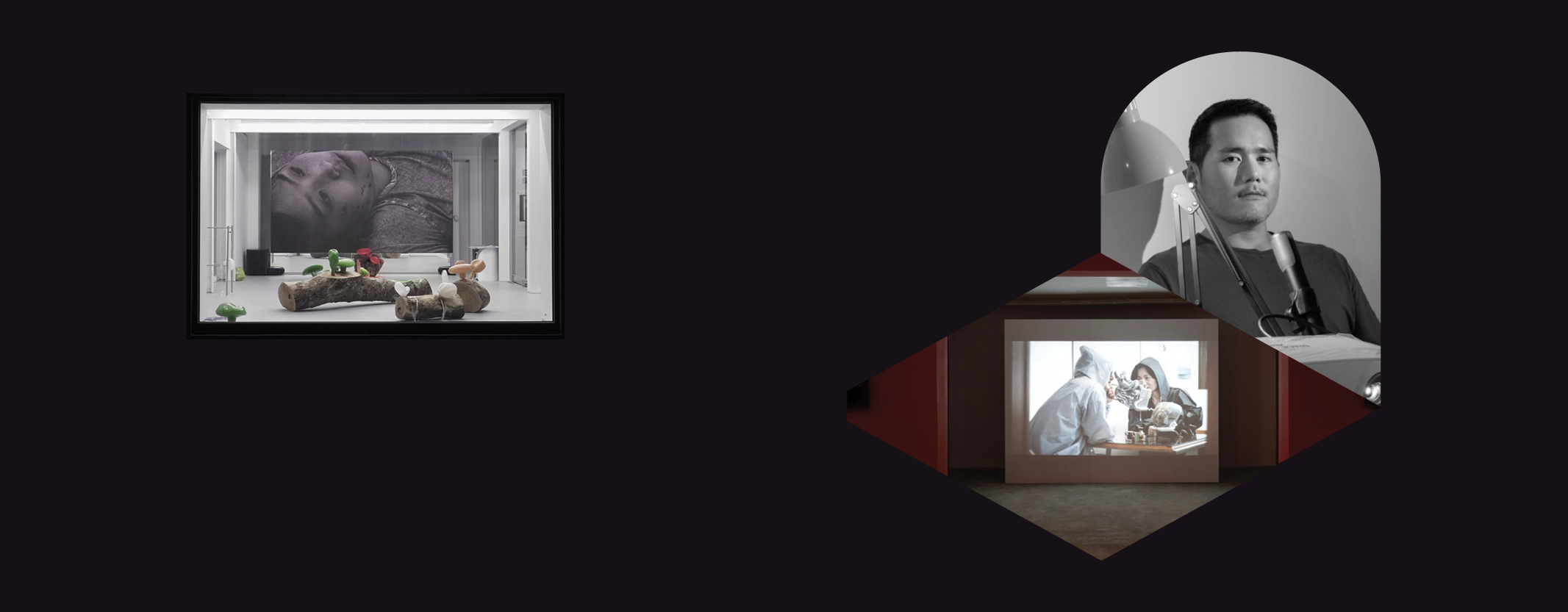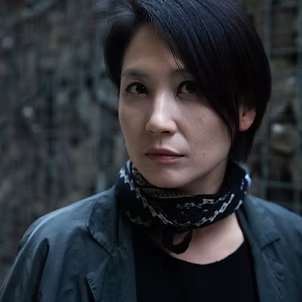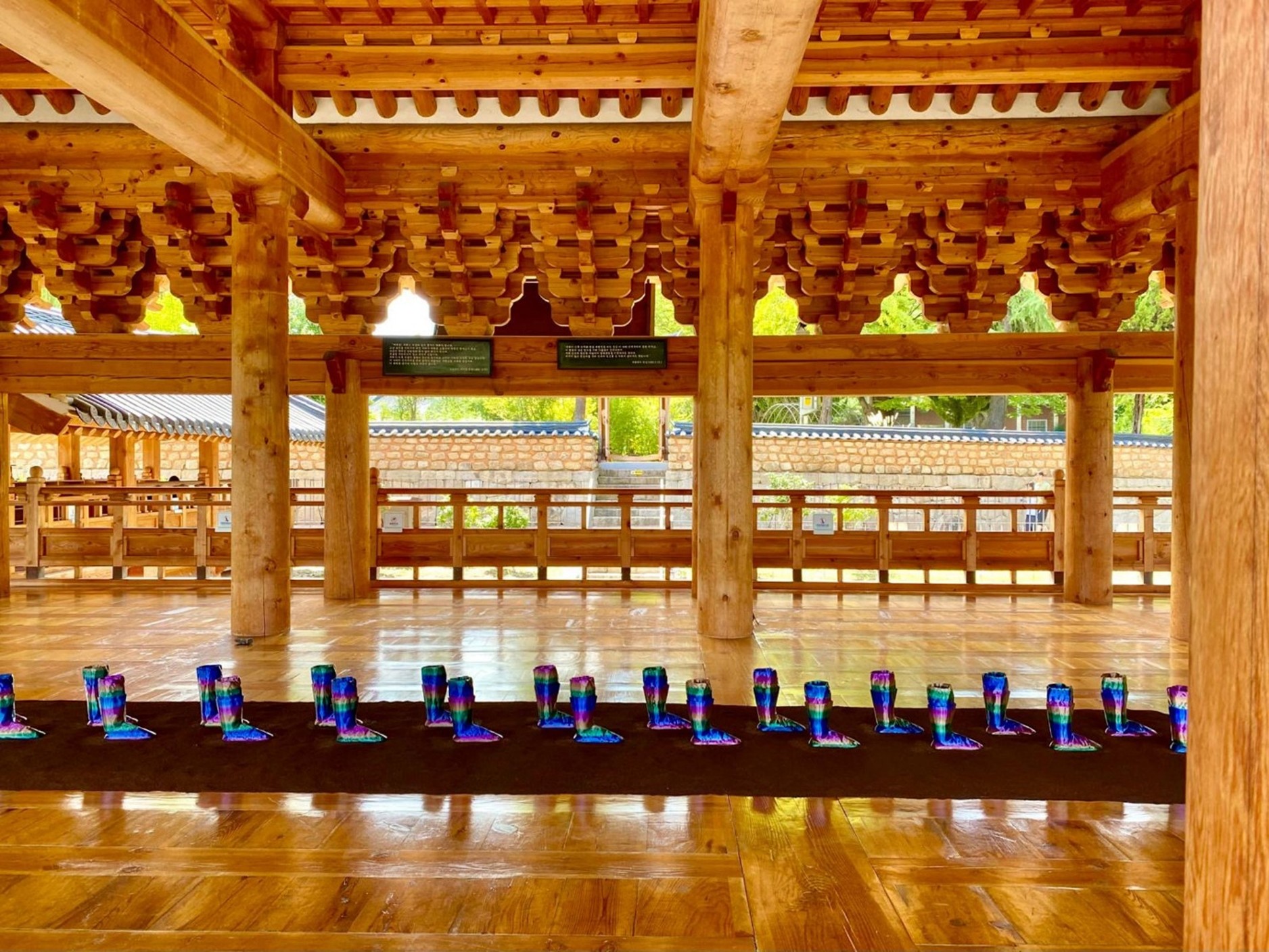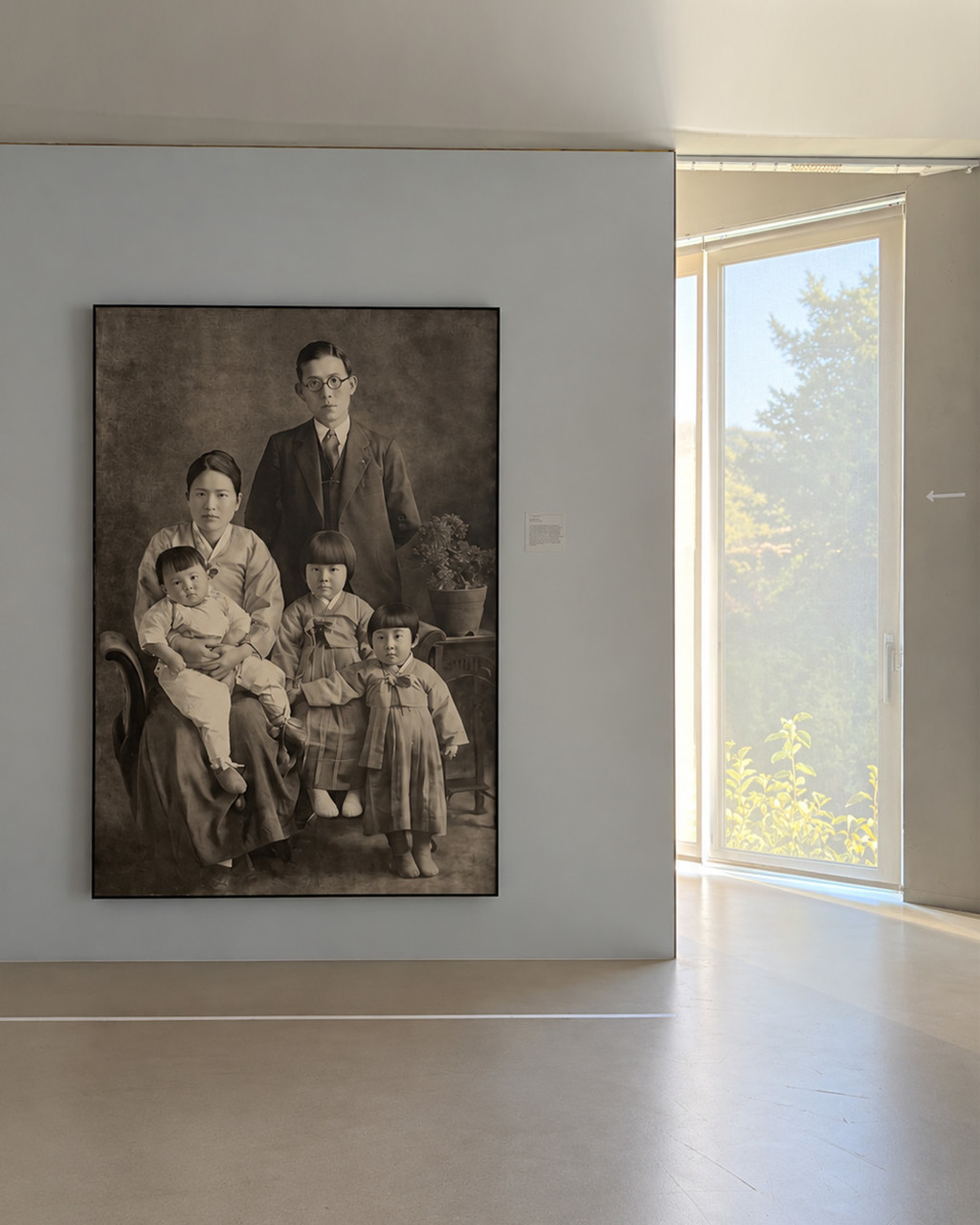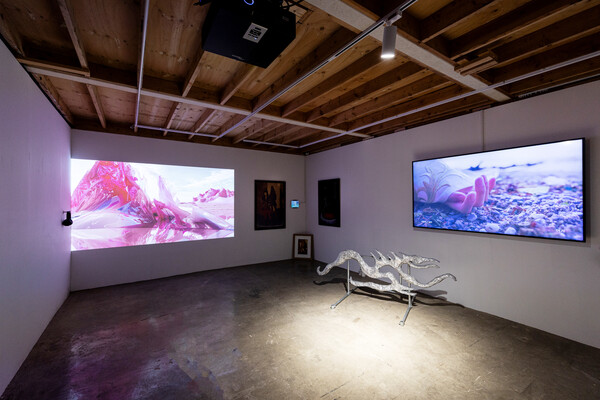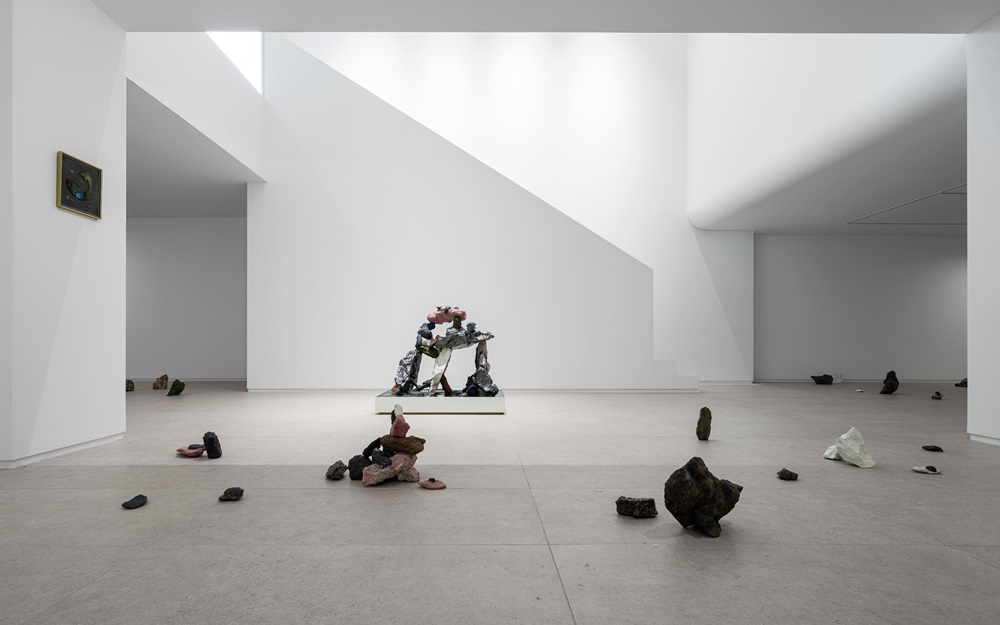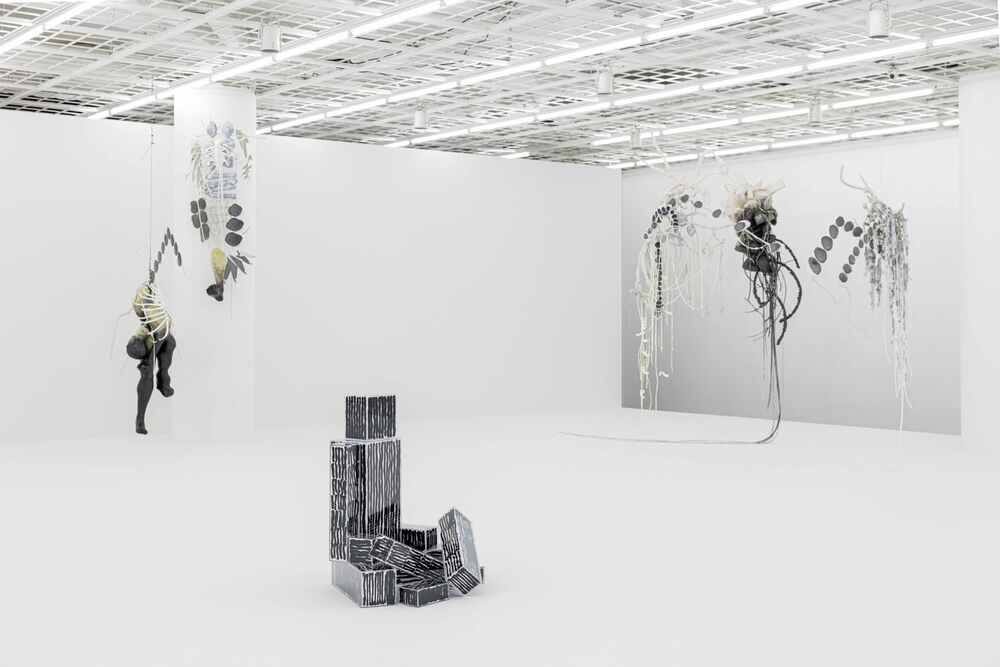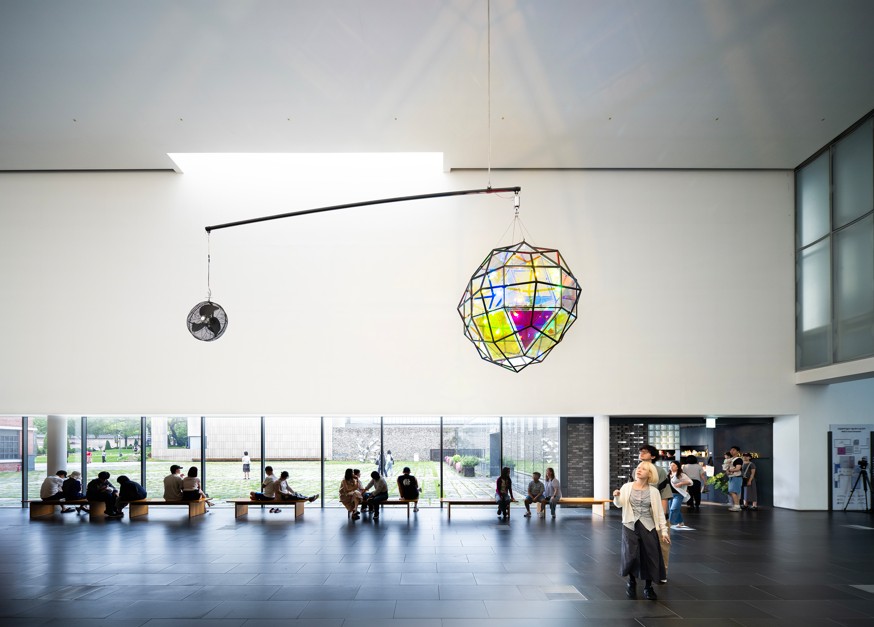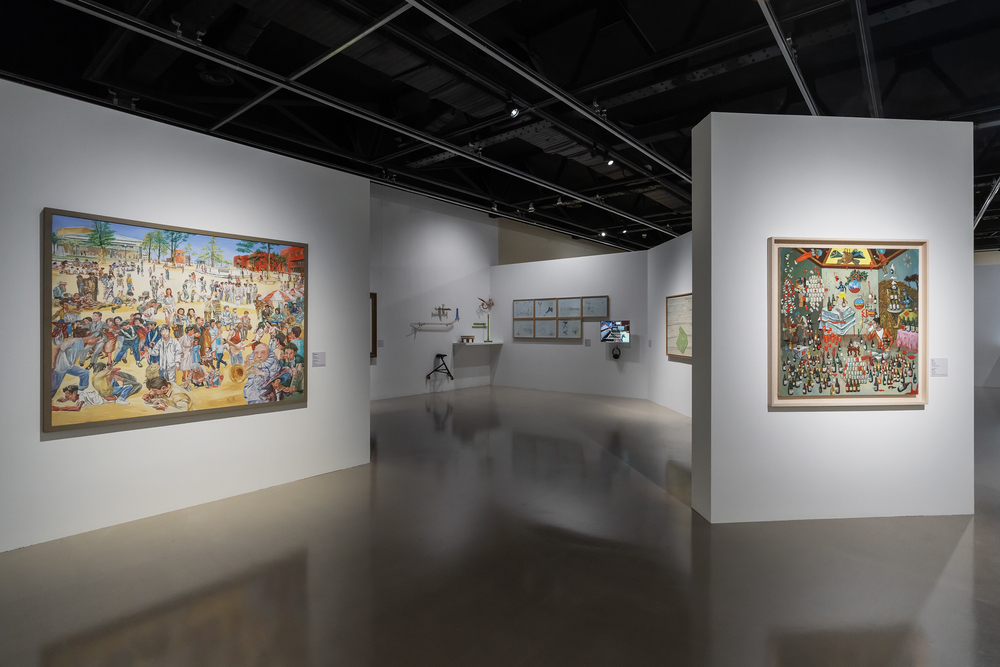

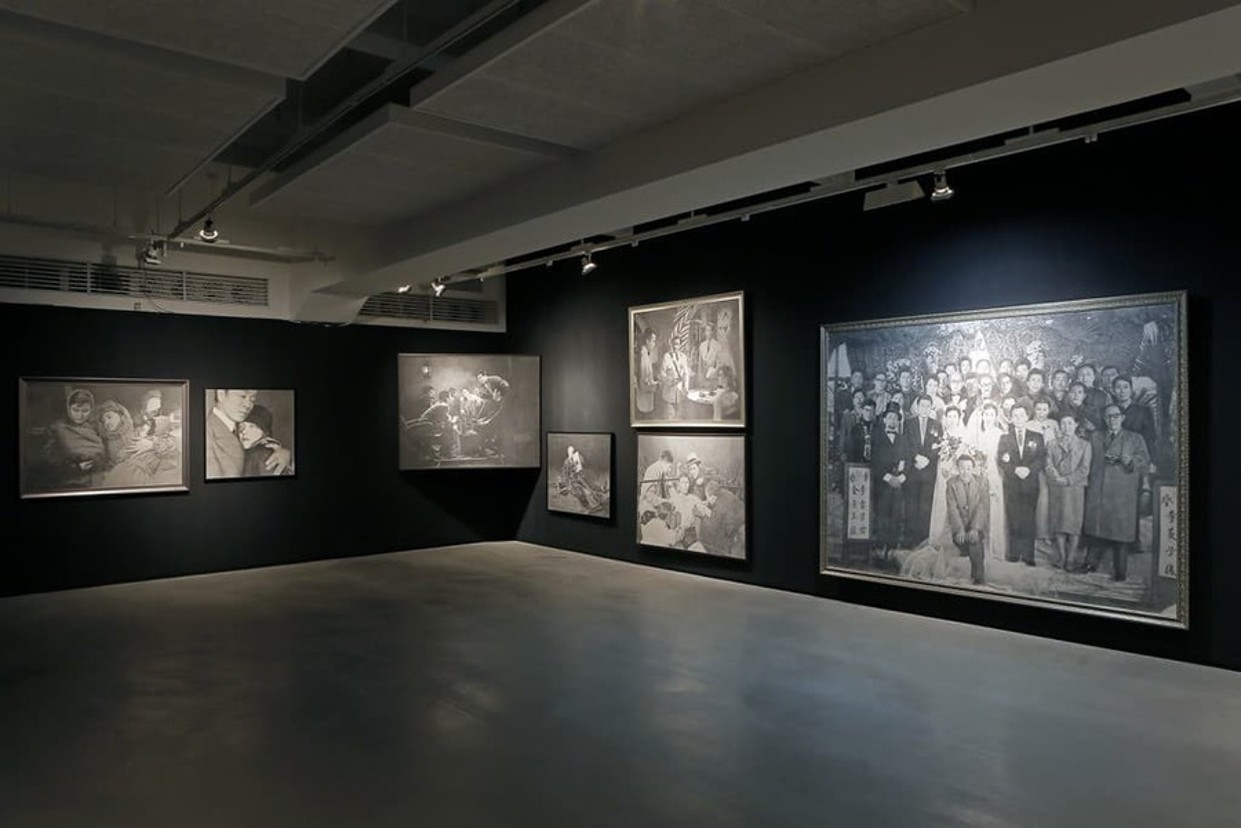
Installation view of 《MNEMOSYNE – A River of Memory》 / Photo: KOO HOUSE Museum
Cho Duck Hyun (b. 1957) is among the
artists who gained prominence as Korean contemporary art expanded its
engagement with the international art world in the 1990s. Beginning with
meticulous pencil and Conté crayon drawings based on old black-and-white
photographs, he gradually expanded his practice to encompass installation,
archaeological projects, video, and spatial narratives. Throughout his work, he
has explored personal memory and history, documentation and fiction, and the
traces of lives that have disappeared with the passage of time.
His solo exhibition 《MNEMOSYNE – A River of Memory》, held at KOO
HOUSE Museum in Yangpyeong, Gyeonggi Province, from October 14 to November 29,
2026, offers an opportunity to reconsider this longstanding artistic practice.
The exhibition brings together works that reconstruct historical photographs
through drawing and new paintings that explore the accumulation and erosion of
memory through the physical properties of their surfaces.
Understanding this exhibition requires an
examination of Cho's position within the history of Korean contemporary art, as
well as the continuing relevance of the questions of memory and representation
that have shaped his work for decades.
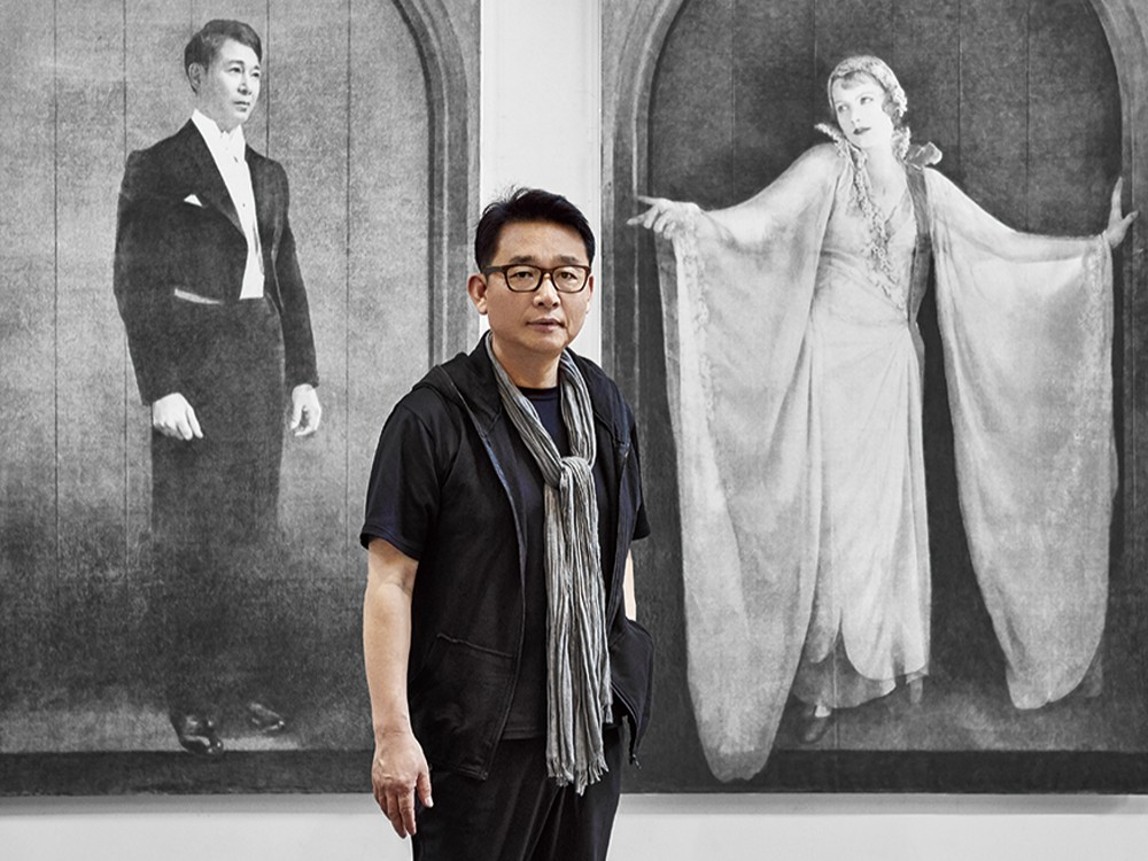
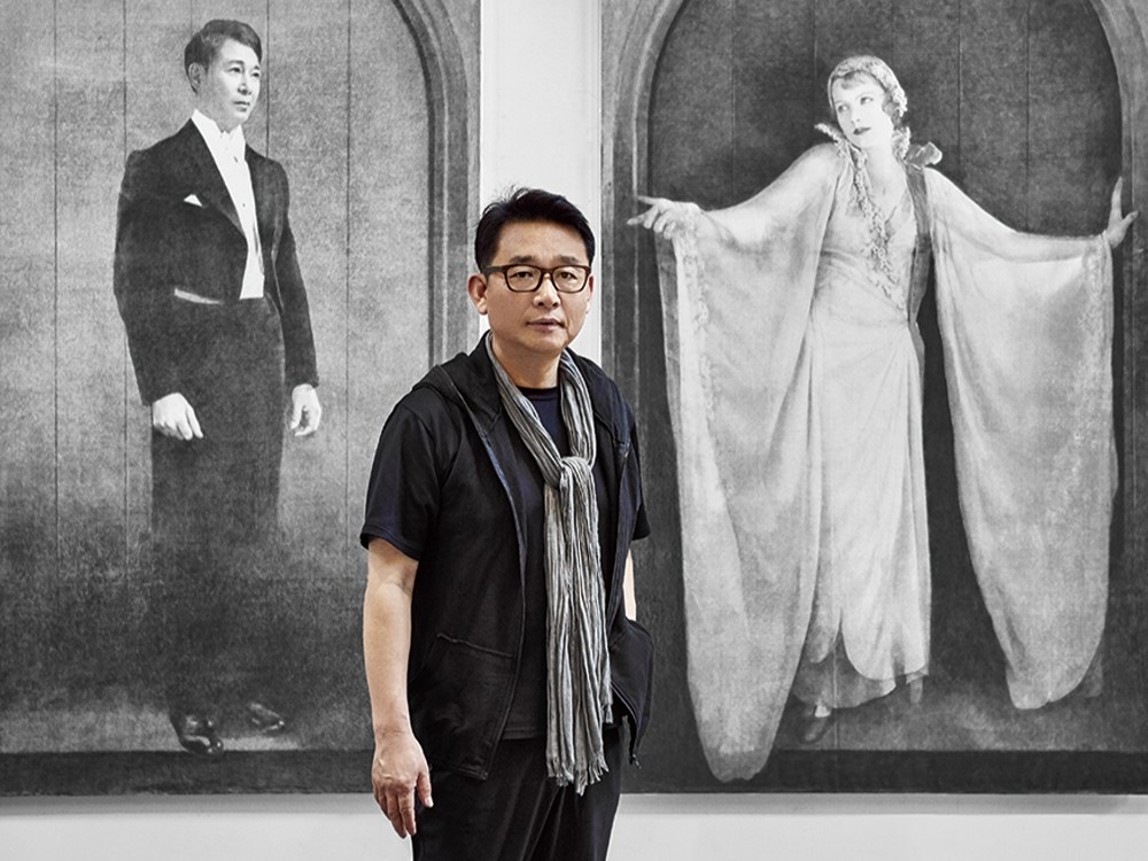
Cho Duck Hyun / Photo: Cho Duck Hyun
Korean Contemporary Art in the
1990s and Cho Duck Hyun's International Career
The 1990s marked a period of expanding
international exchange for Korean contemporary art, as artists increasingly
participated in international biennials and exhibitions at institutions abroad.
Alongside established art-historical currents such as Dansaekhwa and Minjung
art, a wider range of artistic practices gained visibility, incorporating
photography, video, installation, conceptual approaches, and mixed media.
Within this changing landscape, Cho
developed a distinctive practice that retained traditional methods of pictorial
representation while integrating photography, historical documents,
installation, and narrative structures.
He participated in the São Paulo Biennial
in 1994 and held solo exhibitions at the Institute of Contemporary Art (ICA) in
Philadelphia in 1995 and the Jeu de Paume in Paris in 2000. These exhibitions
marked an important stage in the expanding international presence of Korean contemporary
art.
Cho's work also resonated with questions of
memory, identity, and historical narrative that were receiving considerable
attention in the international art world. Rather than addressing these subjects
through overtly political imagery or declarative statements, however, he
approached historical experience indirectly through the lives of individuals
preserved in old photographs. This approach gave his work a distinctive
position within the broader artistic discourse of the period.
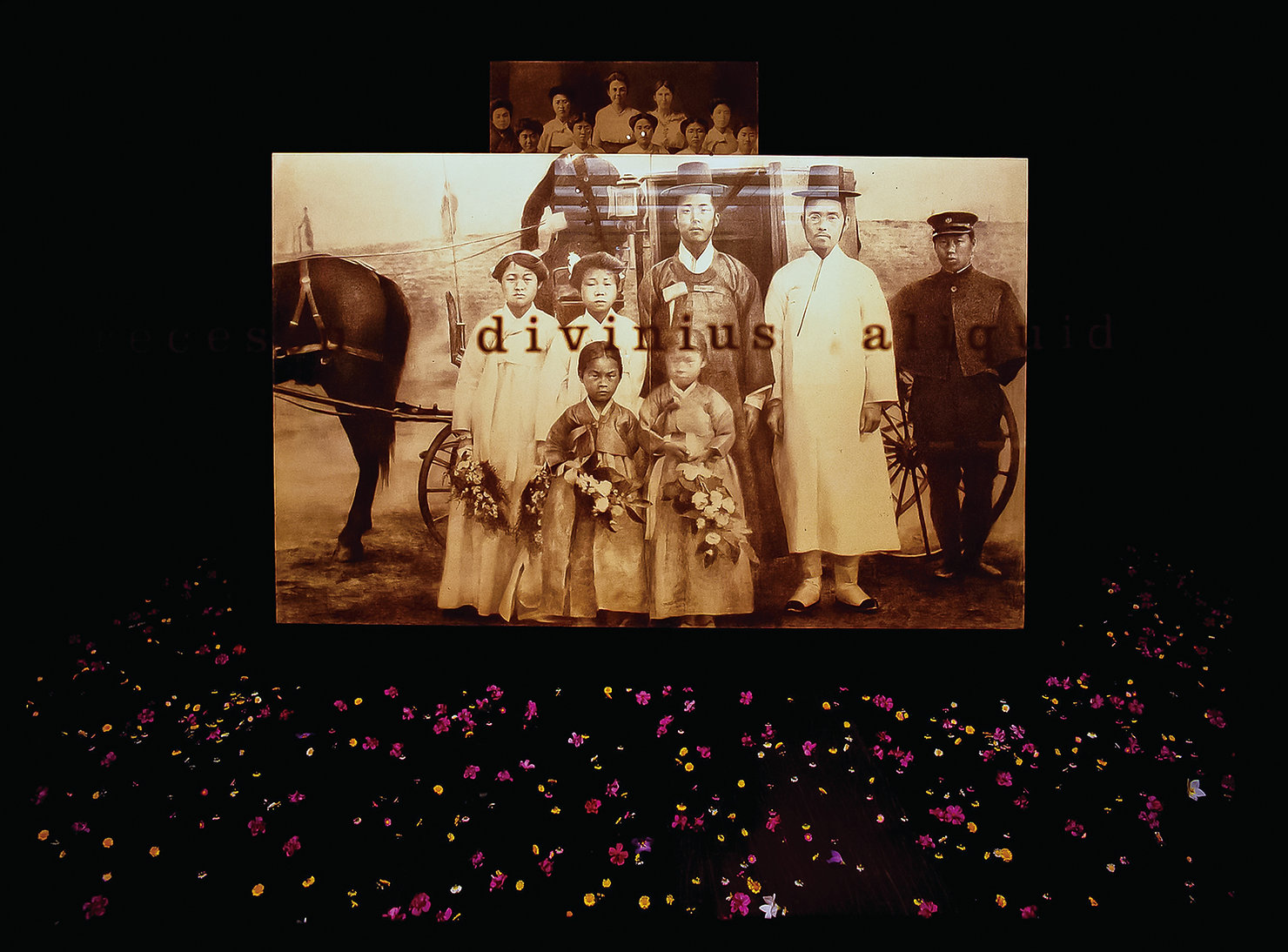
Cho Duck Hyun, Memories of the Twentieth Century, 1993. Pencil, charcoal, artificial flowers, and glass on canvas, 60 × 162 cm / Photo: Cho Duck Hyun
From Photographic
Representation to the Reconstruction of Memory
One of Cho's signature techniques involves
translating old black-and-white photographs onto canvas using pencil and Conté
crayon. His painstaking rendering of figures, backgrounds, tonal gradations,
and textures produces images whose photographic realism can initially make them
difficult to distinguish from their original sources.
Yet these works invite an interpretation
that extends well beyond photorealism.
A photograph captures a particular moment,
yet it cannot fully reveal the historical circumstances surrounding it or the
lives of those depicted. By redrawing such images, Cho draws attention to the
distance between what a photograph records and the histories that remain beyond
its frame.
Works from his Memories of the
Twentieth Century series, begun in the 1990s, exemplify this
approach. Cho reconstructed historical scenes and figures through drawing while
incorporating objects, canvases, and spatial elements. In doing so, he
transformed images of the past into historical encounters experienced by
viewers within the present exhibition space.
The central question is therefore less
about the accuracy of photographic reproduction than about how the apparent
authority of photographic documentation changes through the artist's processes
of selection, interpretation, and reconstruction.
Cho's drawings can be understood as devices
through which the past is reconsidered from the perspective of the present,
rather than simply restored to its original appearance.
Installation view of Cho Duck Hyun's solo exhibition 《Dream》 at Ilmin Museum of Art, 2015. / Photo: Ilmin Museum of Art
Fictional Histories and
Archaeological Excavation Projects
Another important dimension of Cho's
practice is his integration of historical fact with fictional narrative.
In the archaeological excavation projects
he developed more extensively after 2000, the act of burying objects or
sculptures created by the artist and subsequently excavating them becomes an
integral part of the artwork. Although these projects adopt the procedures and
visual conventions of archaeological discovery, both the excavated objects and
the narratives attached to them are fictional constructions devised by the
artist.
Through these projects, Cho examines how
historical narratives are constructed, authenticated, and interpreted through
material evidence and documentation.
In his 2015 solo exhibition 《Dream》 at Ilmin Museum of Art, Cho similarly
constructed a fictional character who shared his name and traced the
character's imagined life through episodes of modern Korean history. Combining
photography, drawing, objects, video, and architectural environments, the exhibition
created a space in which authentic historical records intersected with invented
narratives.
These projects demonstrate how Cho's
artistic concerns extend beyond nostalgia for the past or the preservation of
personal memory. His practice examines the very processes through which history
is documented, narrated, and transmitted.
《MNEMOSYNE
– A River of Memory》: History Through a Family Photo
Album
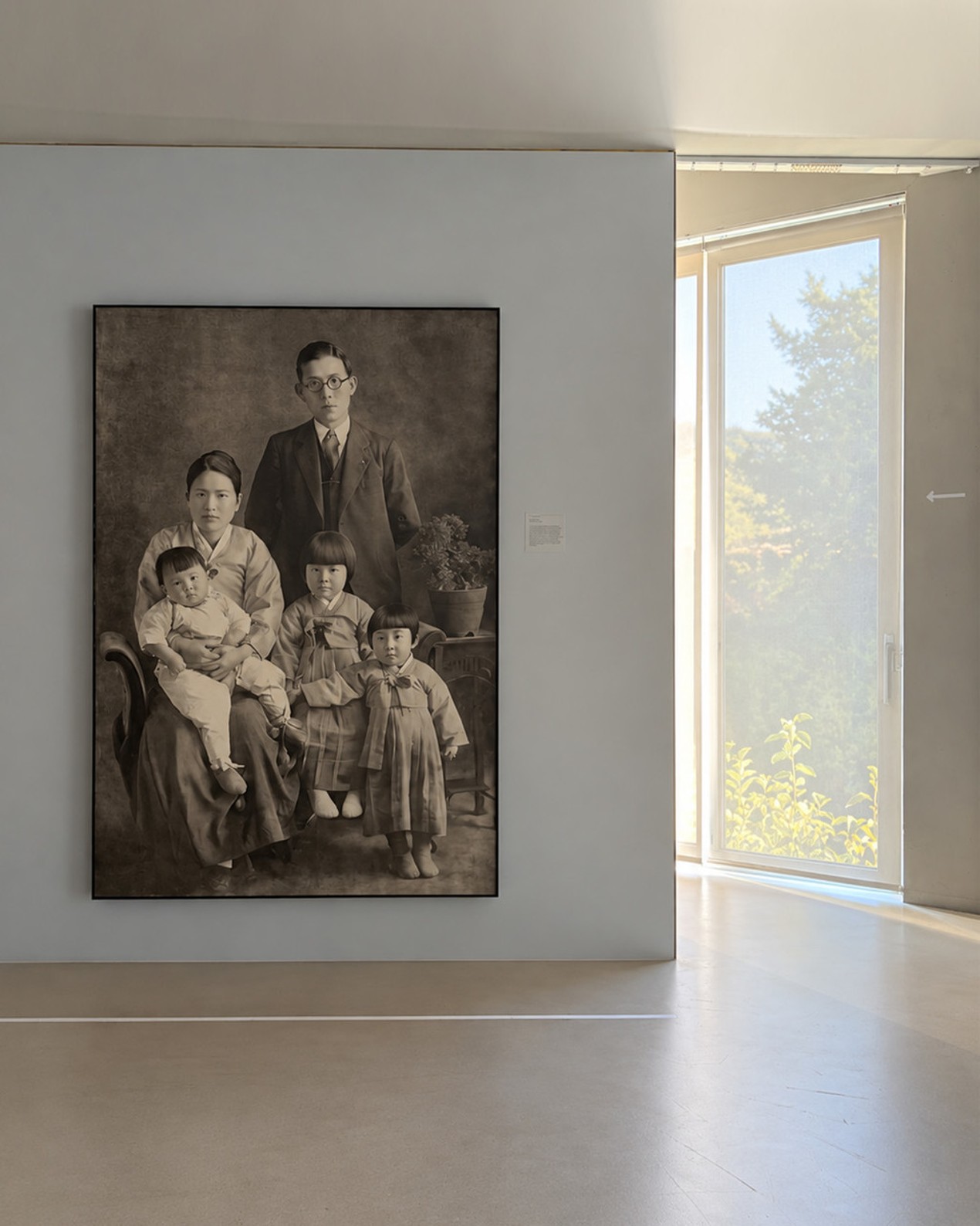
The exhibition at KOO HOUSE Museum takes as
its point of departure a family photo album left by Jin Ho-seop (1905–1951), a
collector of Korean antiques.
The album contains photographs documenting
the everyday lives of a family and those around them during a turbulent period
of modern Korean history. By translating these images into drawings, Cho
transforms private memories into visual experiences that can be shared with
contemporary viewers.
The exhibition's title, “Mnemosyne”,
refers to the goddess of memory in Greek mythology. It connects directly to
Cho's longstanding artistic practice of retrieving and reinterpreting images
from the past.
Yet the act of redrawing a photograph does
not necessarily amount to recovering a forgotten history. A family album is
itself the result of selective documentation, preserving certain people and
moments while leaving other lives and events unrecorded.
The exhibition therefore raises questions
that extend beyond the identification of the individuals depicted. More
importantly, it invites consideration of how private records acquire historical
significance and how personal memories are transformed into images through
which the past can be interpreted.
Installation view of 《MNEMOSYNE – A River of Memory》 / Photo: KOO HOUSE Museum
Deot (덧) – Palimpsestus: From Images of Memory to
Material Traces
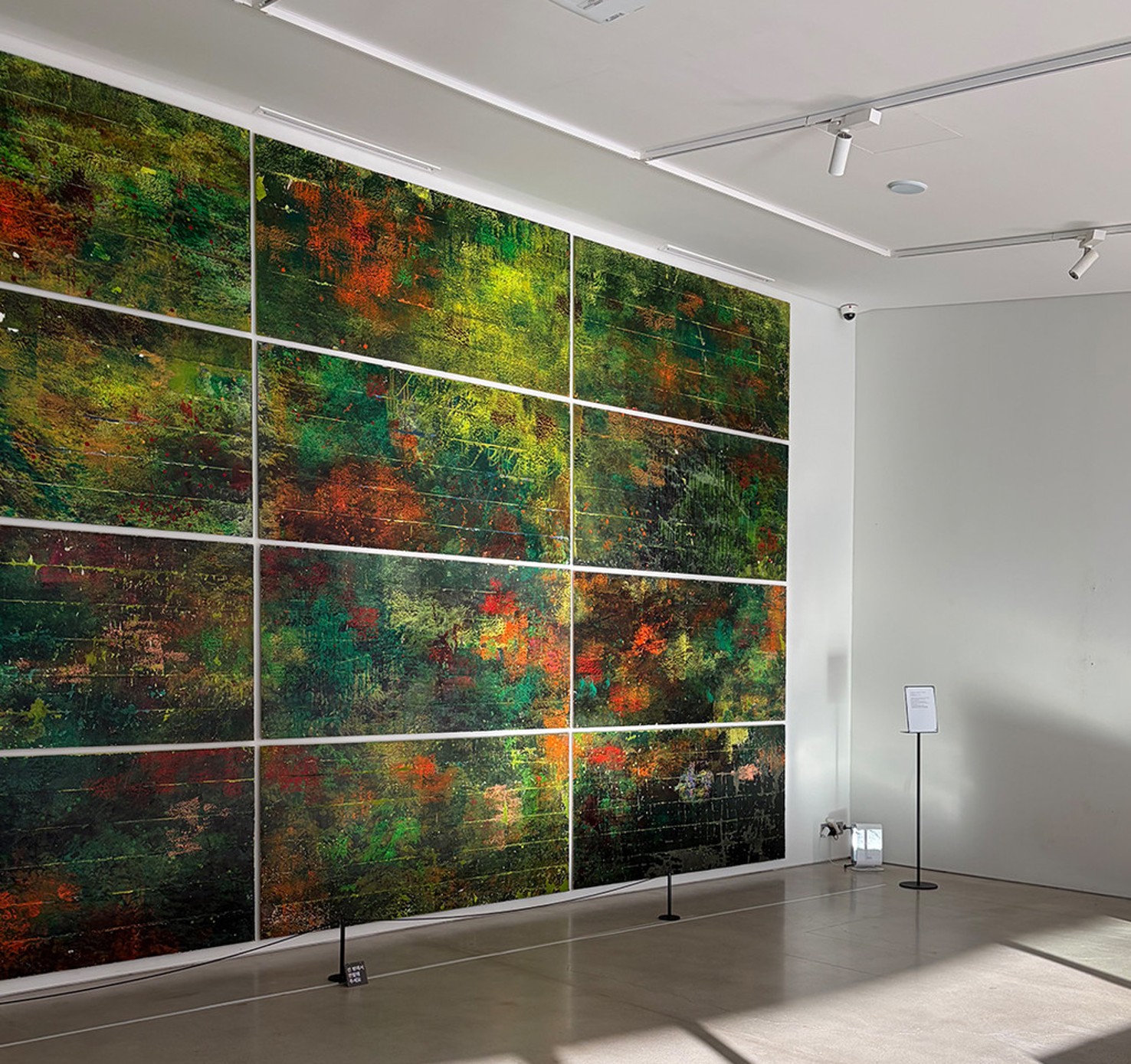
Among the most significant works in the
exhibition is the large-scale new painting Deot (덧) – Palimpsestus.
Comprising 16 canvases, the work measures
approximately eight meters in width and 3.8 meters in height. Its title refers
to the concept of the “palimpsest”, a manuscript surface on which
earlier writing has been erased and overwritten, often leaving traces of the
original text visible beneath subsequent inscriptions.
Central to this concept is the persistence
of earlier traces beneath subsequent inscriptions. What has been erased is
never entirely eliminated; remnants of previous writing coexist with new marks,
producing multiple layers of time within a single surface.
Cho extends this concept into the material
structure of painting. Whereas his earlier photographic drawings reconstructed
specific scenes from the past, the new work uses accumulated material and
physical traces on the painted surface to evoke the passage and layering of
time.
This development can be interpreted as an
expansion from representing memory through recognizable imagery toward
exploring the processes through which memory is formed, altered, and retained.
Whether this development constitutes a
fundamental transformation of Cho's artistic practice, however, requires
careful consideration.
Questions of memory, time, and historical
traces have remained central to his work since its earliest stages. The
significance of Deot (덧) -Palimpsestus therefore lies less in the introduction of a new subject than in
the development of a different formal approach to a longstanding concern: the
movement from representational imagery toward the material construction of the
pictorial surface.
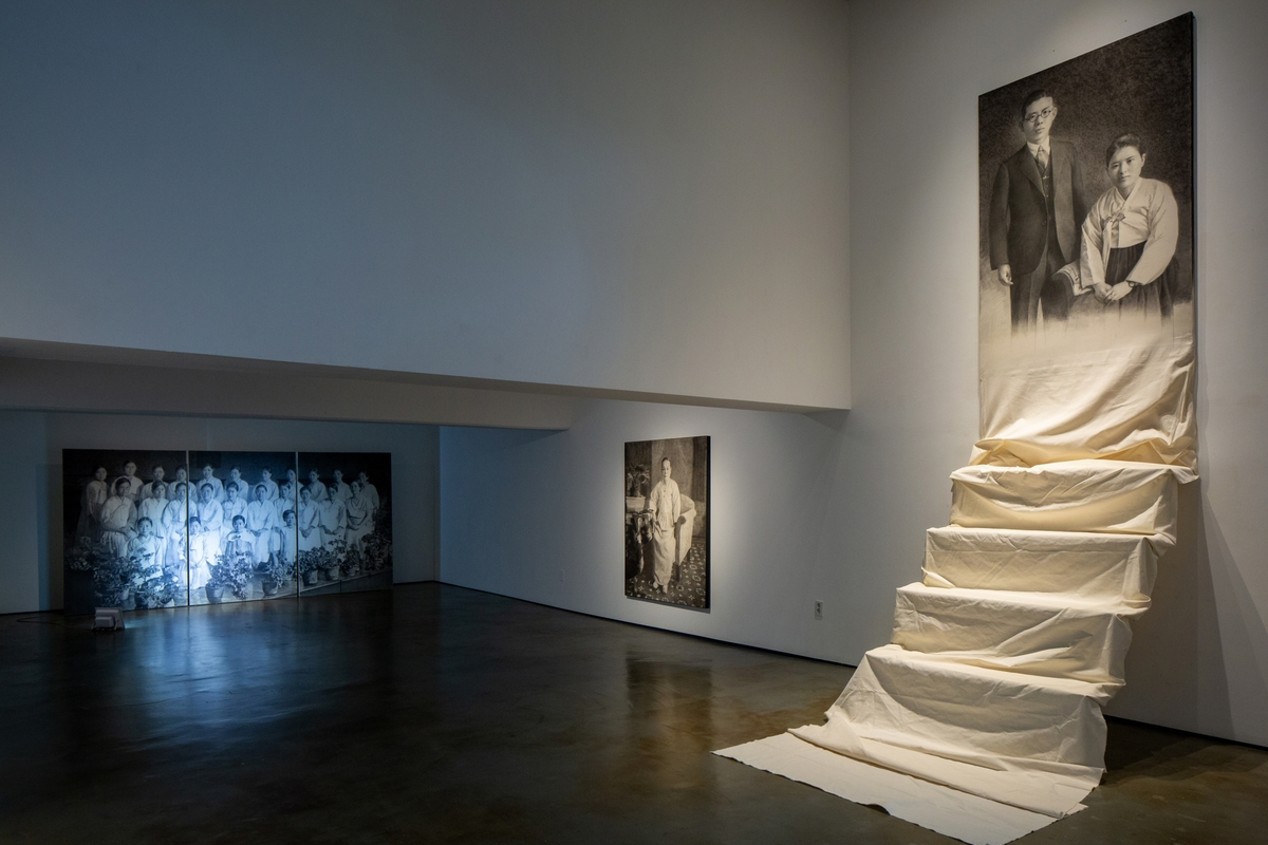
Installation view of Cho Duck Hyun's solo exhibition at UM Museum, 2024. / Photo: PKM Gallery
Why Cho Duck Hyun's Work
Deserves Reassessment Today
Cho Duck Hyun developed a distinctive
visual language and established an international exhibition career during a
formative period in the global presentation of Korean contemporary art.
Rather than simply adopting established
forms of Western contemporary art, he reconstructed experiences of modern
Korean history and personal memory through combinations of photography,
drawing, installation, and fictional narrative.
This approach also connects with
contemporary artistic practices concerned with archives, memory, and historical
representation.
Nevertheless, an assessment of Cho's work
today must extend beyond his international career and established
art-historical position.
Memory and the archive have become widely
explored subjects in contemporary art. The reuse of historical photographs and
the transformation of private documents into public narratives are no longer,
in themselves, unfamiliar artistic strategies.
The continuing critical relevance of Cho's
practice therefore depends not only on his sustained engagement with memory but
also on how the formal and material methods through which he addresses that
subject have developed.
From this perspective, 《MNEMOSYNE – A River of Memory》 offers a
meaningful opportunity for reassessment. By presenting drawings based on
historical photographs alongside new paintings that foreground the physical and
material qualities of the painted surface, the exhibition allows viewers to
compare different approaches to questions of memory and time that have shaped
the artist's practice over several decades.
In Cho's work, memory functions both as a
means of preserving the past and as an active process through which the past is
reconstructed from the present. The exhibition suggests the possibility of
extending this longstanding inquiry beyond pictorial representation into the
material structure of painting itself.
Whether this shift will lead to a more
fully developed and distinctive visual language remains to be seen.
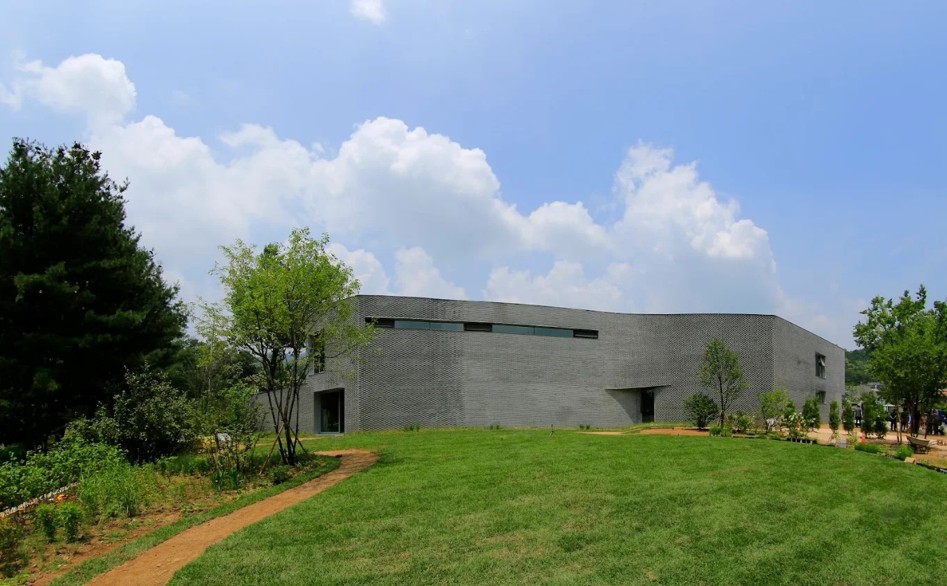
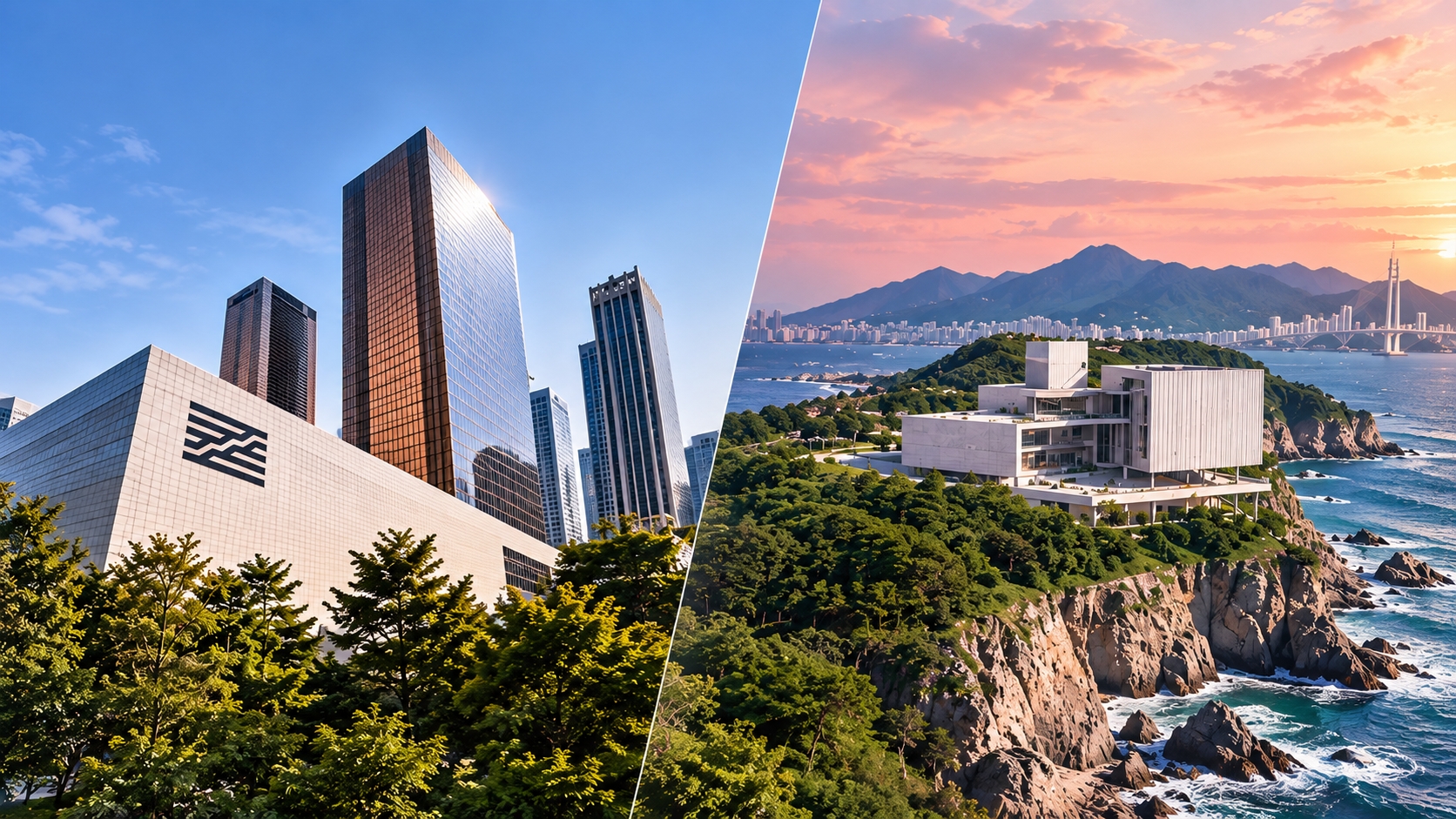
Exterior view of KOO HOUSE Museum / Photo: KOO HOUSE Museum
KOO HOUSE Museum
KOO HOUSE Museum is a private art museum
located in Seojong-myeon, Yangpyeong, Gyeonggi Province, South Korea.
Established around a private collection, the museum presents contemporary art
and design within a distinctive exhibition environment that integrates elements
of domestic architecture. Its collection encompasses painting, sculpture,
photography, and design furniture by Korean and international artists.
Alongside displays of its collection, the
museum organizes temporary exhibitions and cultural programs that explore the
relationship between contemporary art and everyday life.
Exhibition Information
Exhibition: 《MNEMOSYNE – A River of Memory》
Artist: Cho Duck Hyun
Dates: October 14 – November 29, 2026
Venue: KOO HOUSE Museum
Address: 49-12 Munaemi-gil, Seojong-myeon, Yangpyeong-gun, Gyeonggi-do,
South Korea
Website: https://koohouse.org/