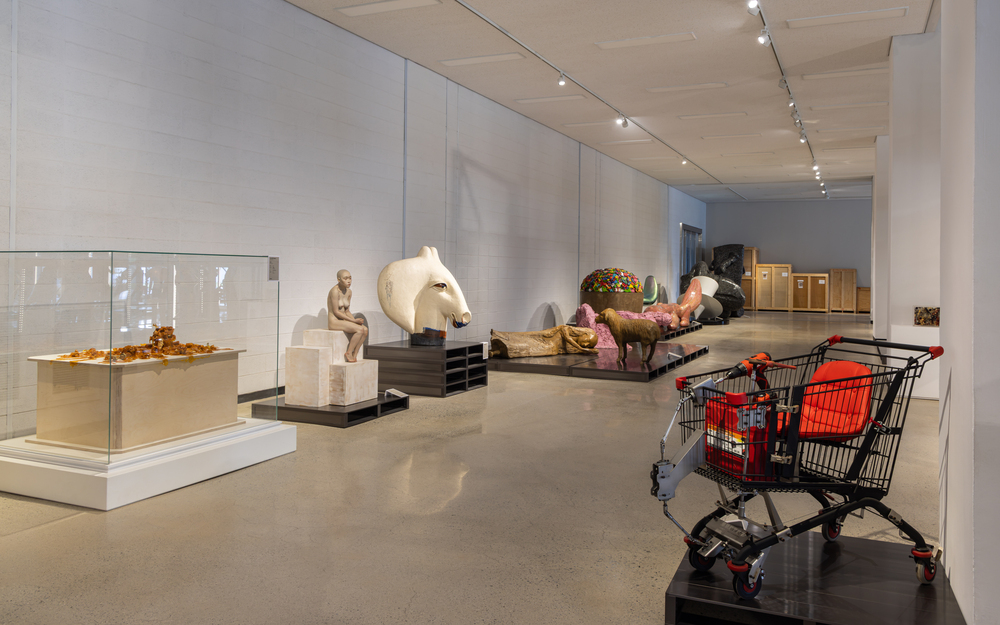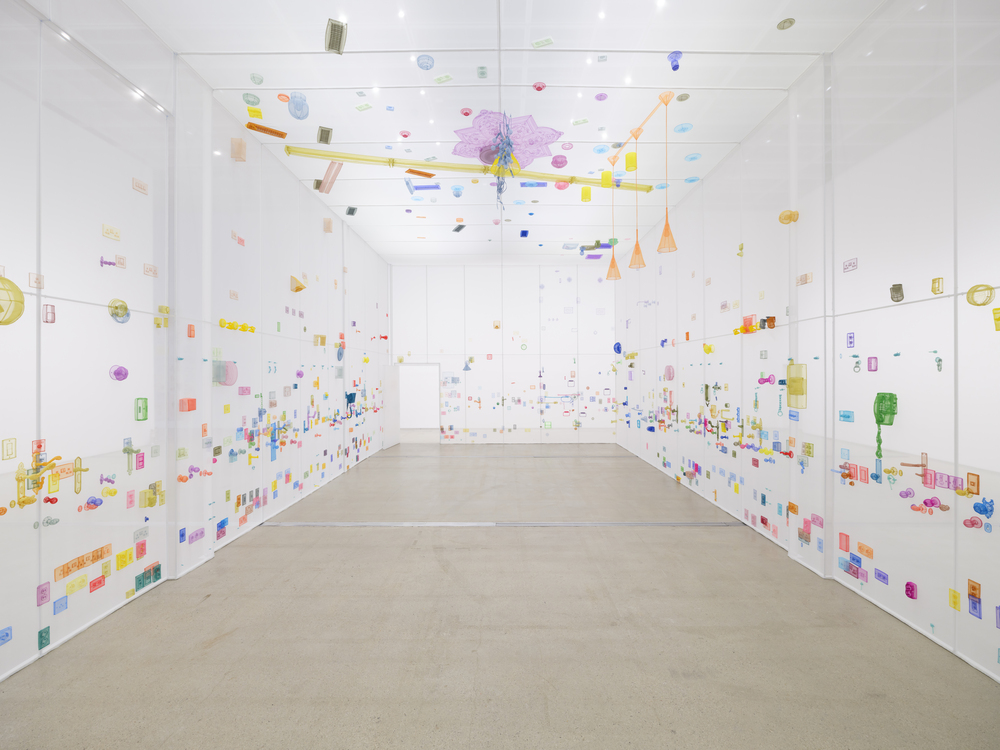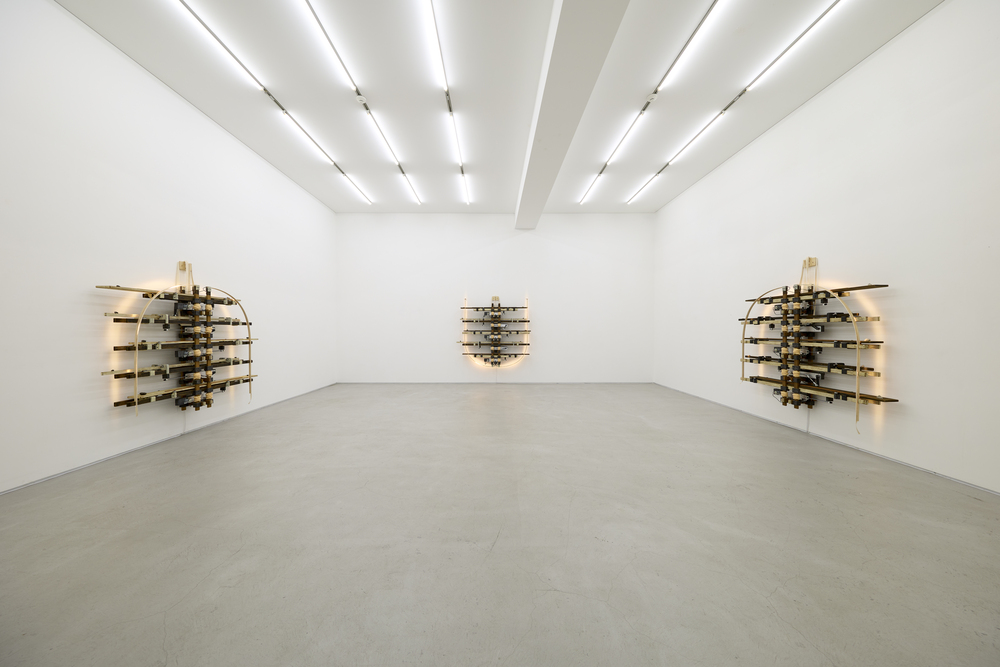

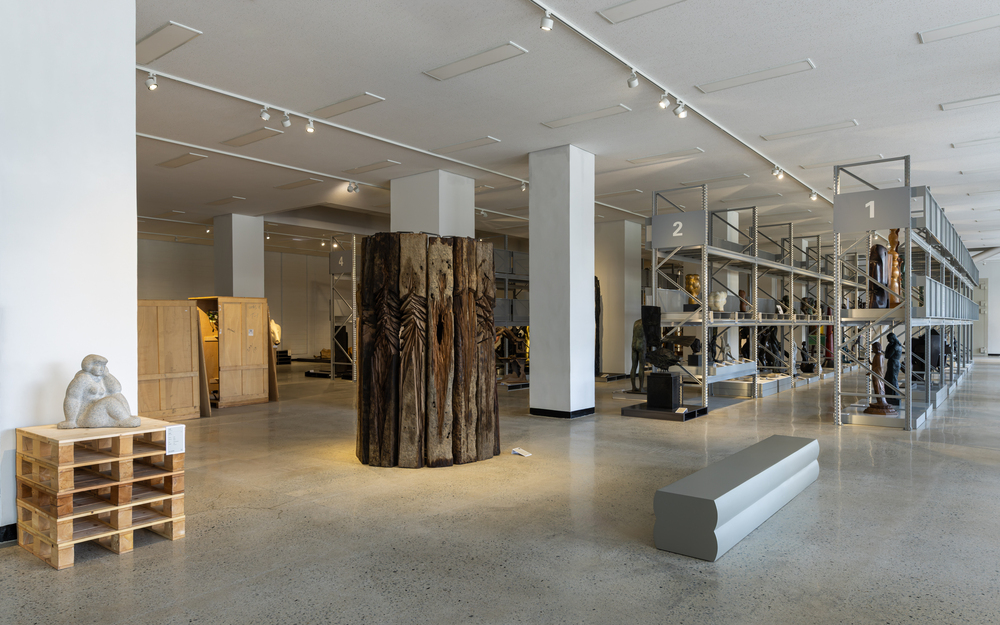
MMCA Cheongju Open Storage © MMCA
Following a major overhaul, the open
storage at MMCA Cheongju welcomes visitors with a refreshed presentation.
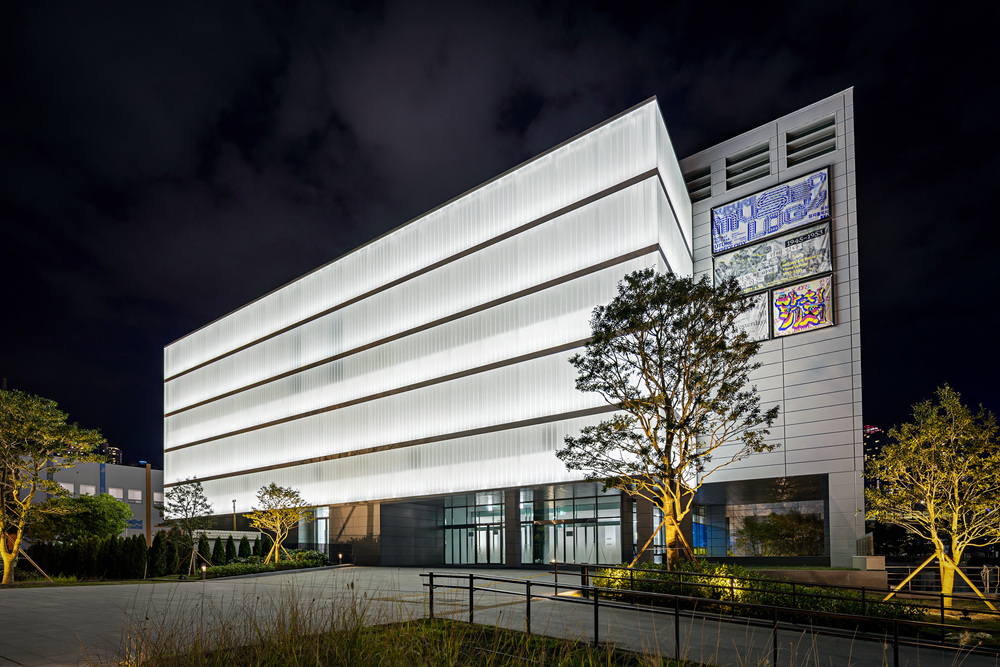
As Korea’s first art museum dedicated
to open storage, MMCA Cheongju opened in December 2018, making its storage
facilities—a core part of the museum—accessible to the public.
Extending the scope of the museum
experience beyond exhibition spaces, where visitors view artworks, to storage
areas where works are preserved, managed, and researched, the museum has put
the principles of “sharing” and “openness” into practice.
The number of works from the National
Museum of Modern and Contemporary Art, Korea (MMCA) collection stored and
managed at MMCA Cheongju has grown substantially, from approximately 1,220 at
its opening in 2018 to around 5,000 as of 2026.
Building on this expanded collection,
the overhaul aims to replace works that have been on long-term display and
introduce a wider range of collection items by selecting works previously kept
in closed storage. The layout of the artworks and interpretive content have
also been updated to communicate the distinctive features and role of the open
storage more effectively.
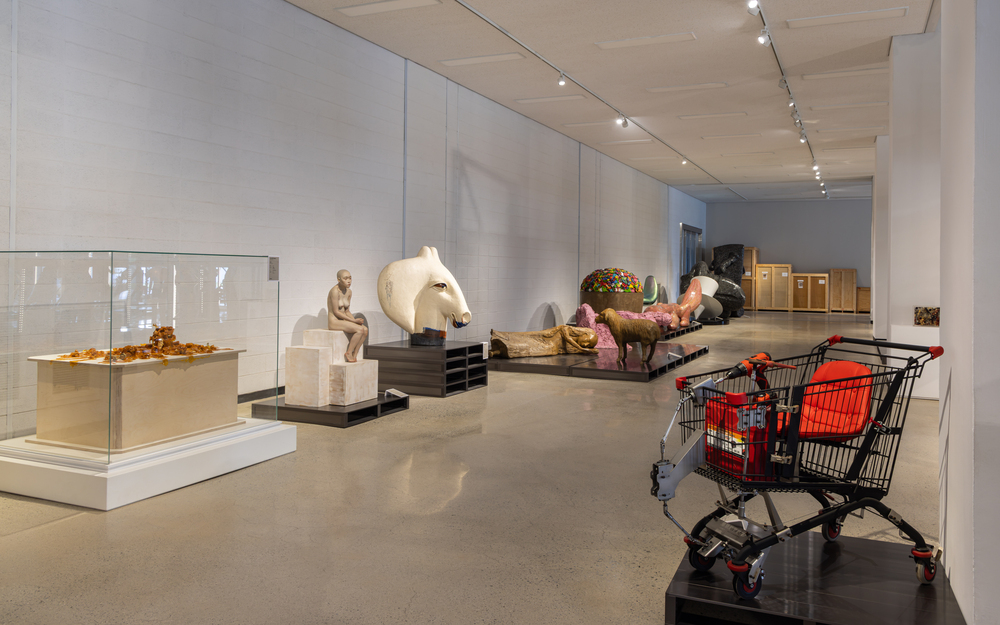
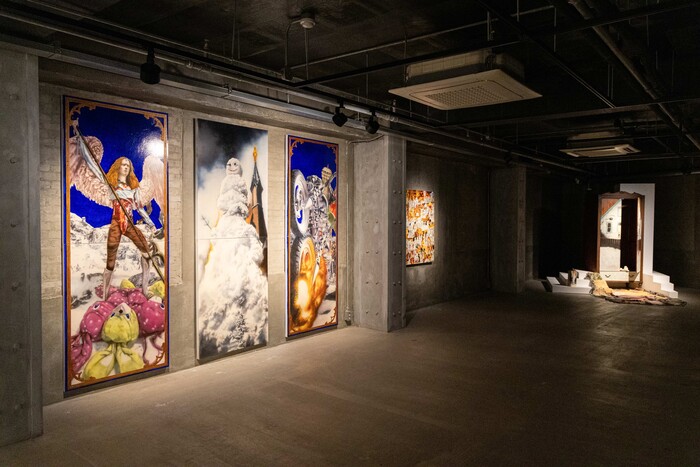
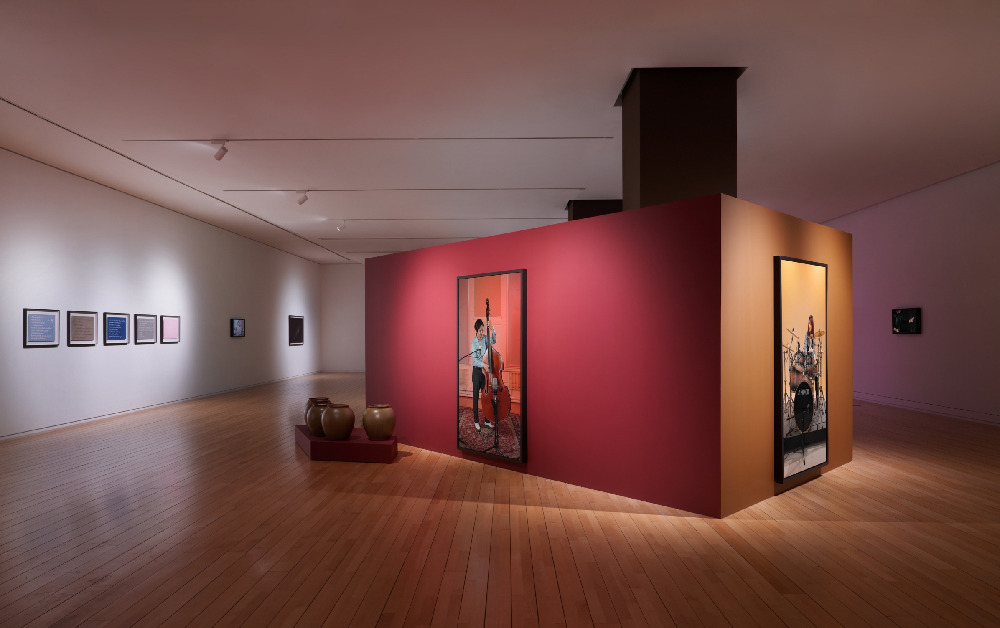
MMCA Cheongju Open Storage © MMCA
The overhaul introduces 32 works from
the collection to the public for the first time. Highlights include Kim
Columba and Agnes Sisters (1954, cast circa 1974) by KIM Sechoong, a
leading figure of the first generation of modern Korean sculptors; Curiosity
(1972), a rare sculpture by CHOI Wook-kyung, best known for her abstract
paintings; Gravestone of Mass (1981), the Grand
Prize-winning work at the National Art Exhibition of Korea by CHUN Kook-kwang,
a major figure in Korean abstract sculpture; and Female Natives
(2010) by YANG Haegue.
The presentation also features
contemporary craft works, including Dream of Africa–Head
(1999–2003) by SHIN Sangho, a leading figure in contemporary Korean ceramics; Four
Scenes (2015) by YOO Euijeong; and Bed Man (2016)
by OH Hwajin.
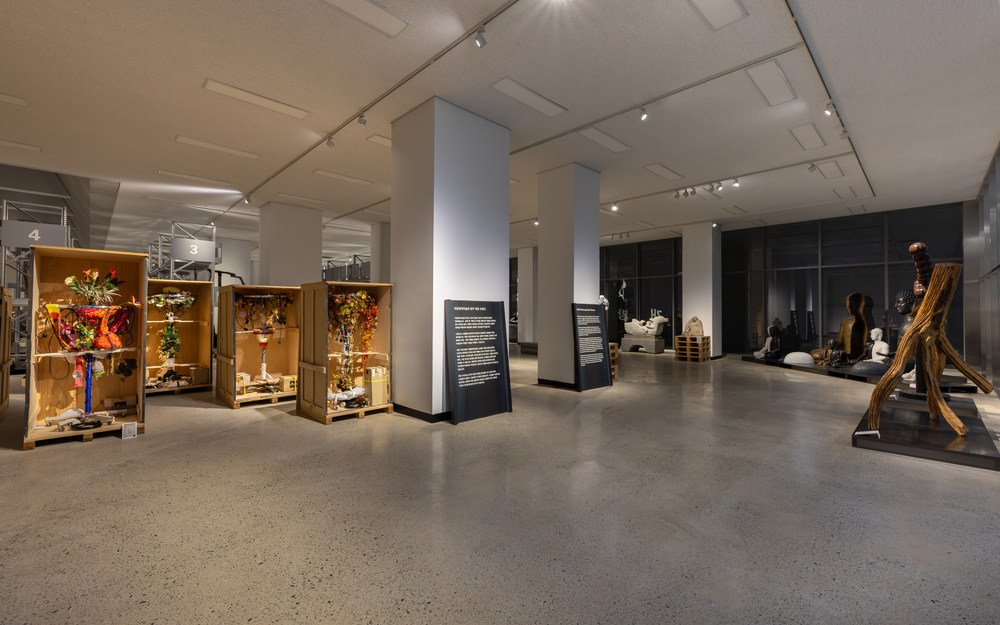
MMCA Cheongju Open Storage © MMCA
In particular, the overhaul
incorporates crates used to transport and store artworks into the display
layout to offer a more vivid representation of actual storage conditions. Some
works are presented inside crates, while additional crates used for artwork
storage are also displayed, allowing visitors to explore storage and
collection-management practices rarely seen in conventional exhibition spaces.
Going beyond the viewing of artworks,
the presentation reveals how works are stored and managed after entering the
museum’s collection, offering a more concrete understanding of the functions
and role of open storage as distinct from exhibition galleries.