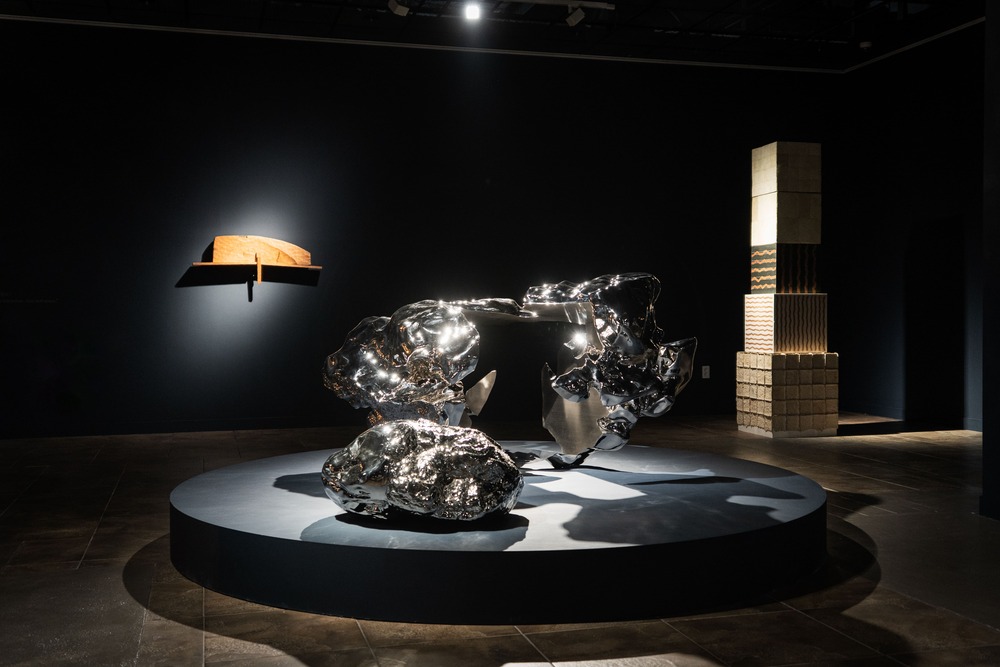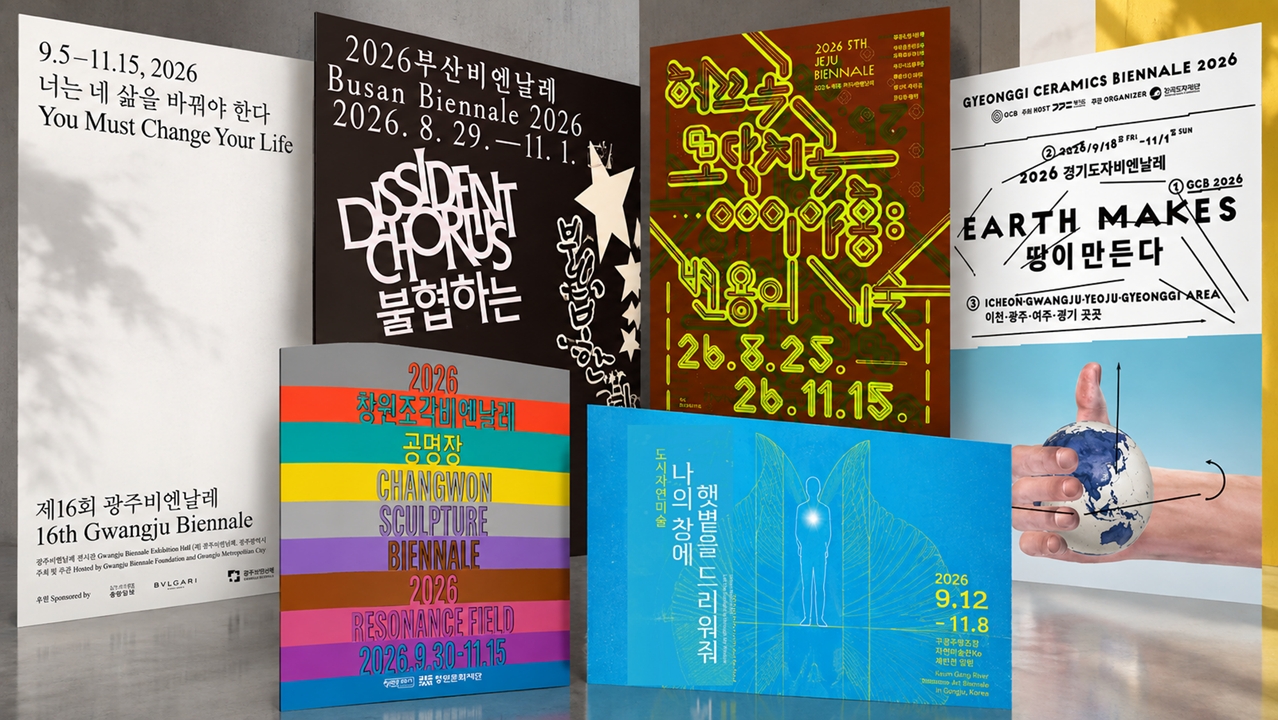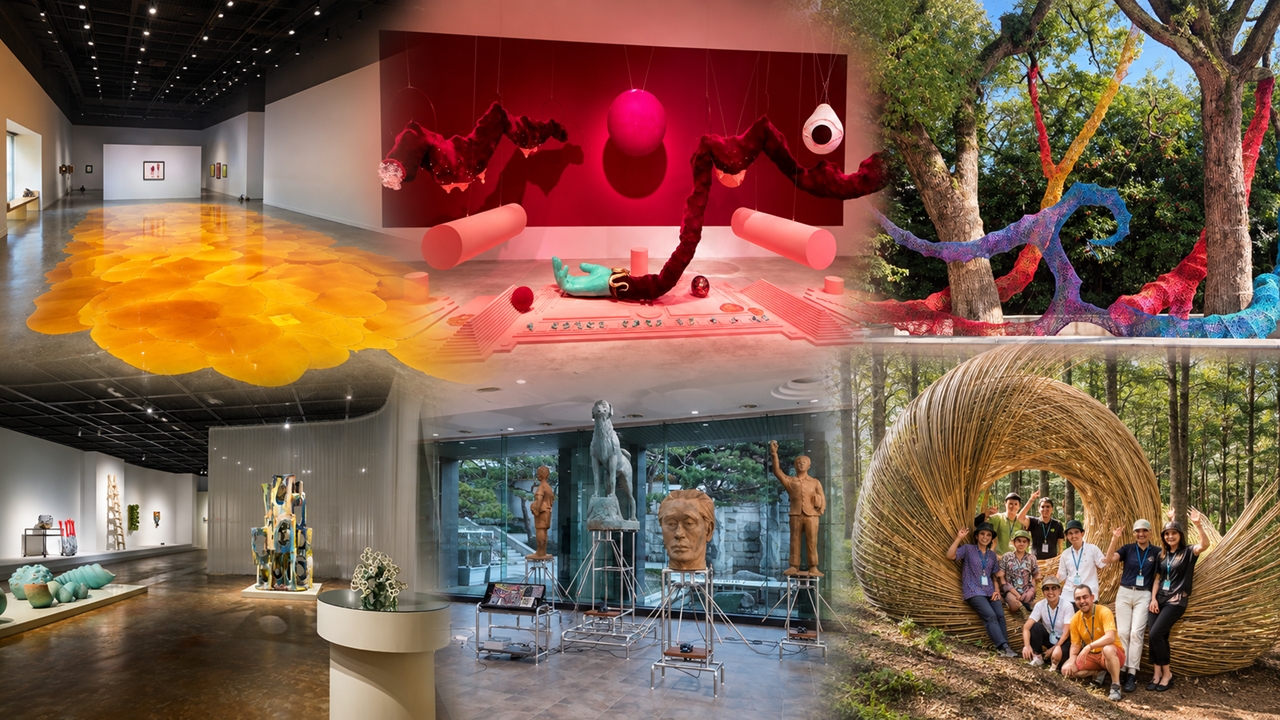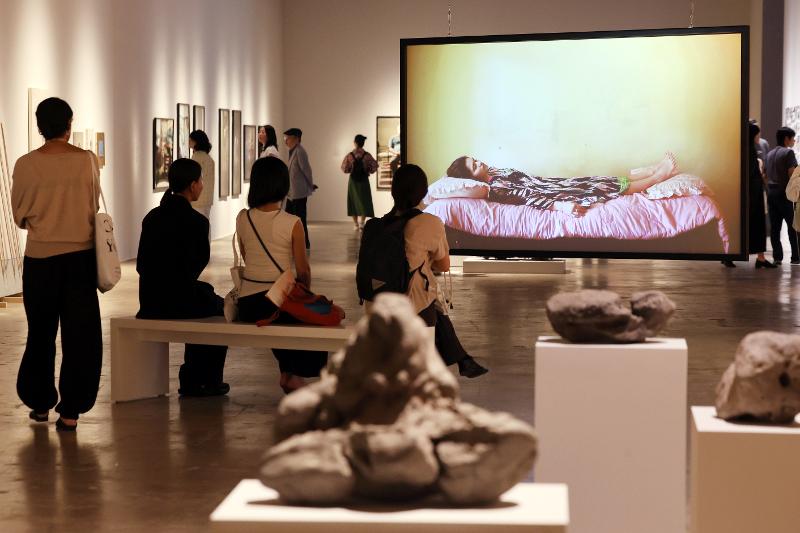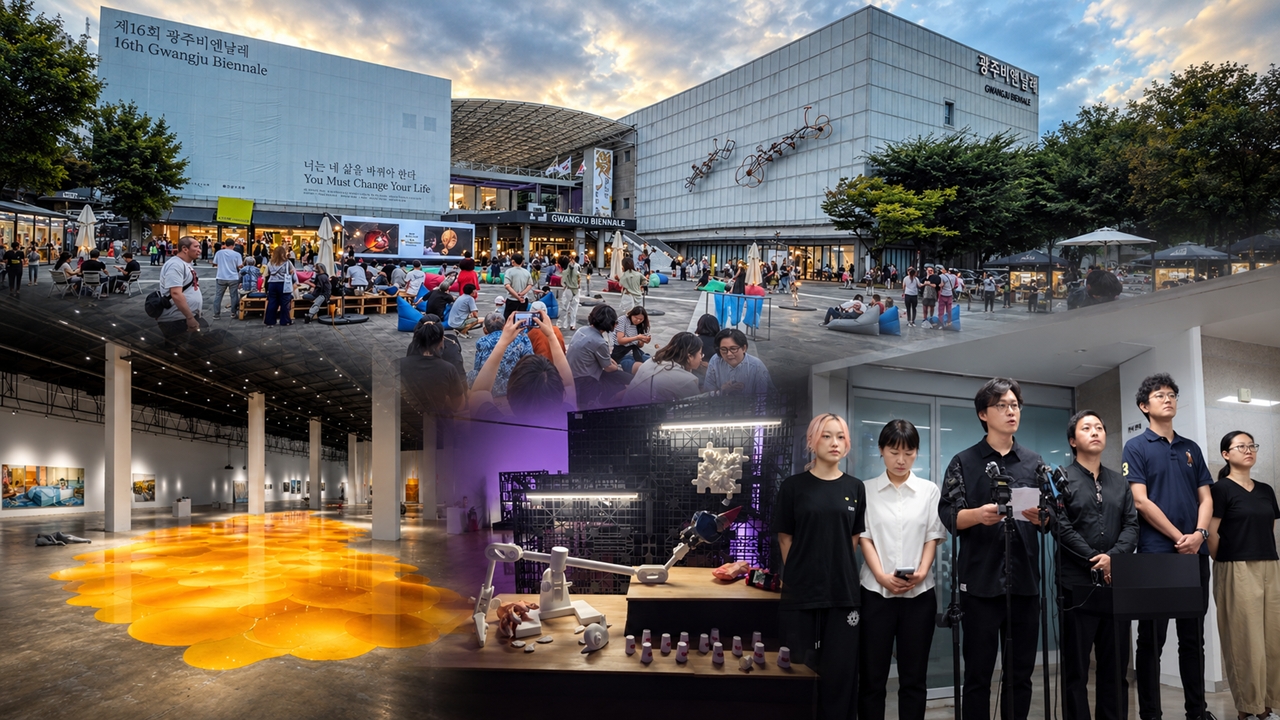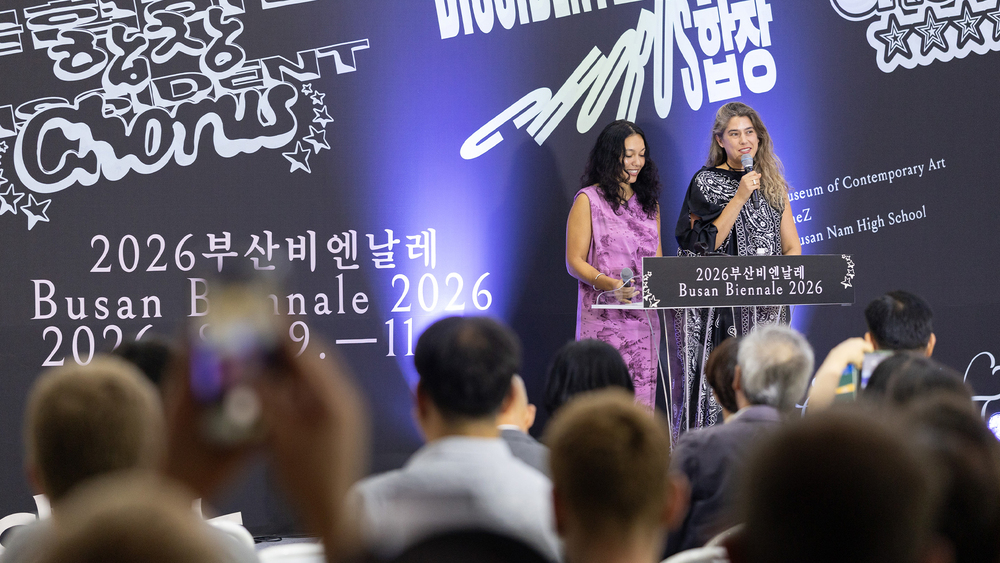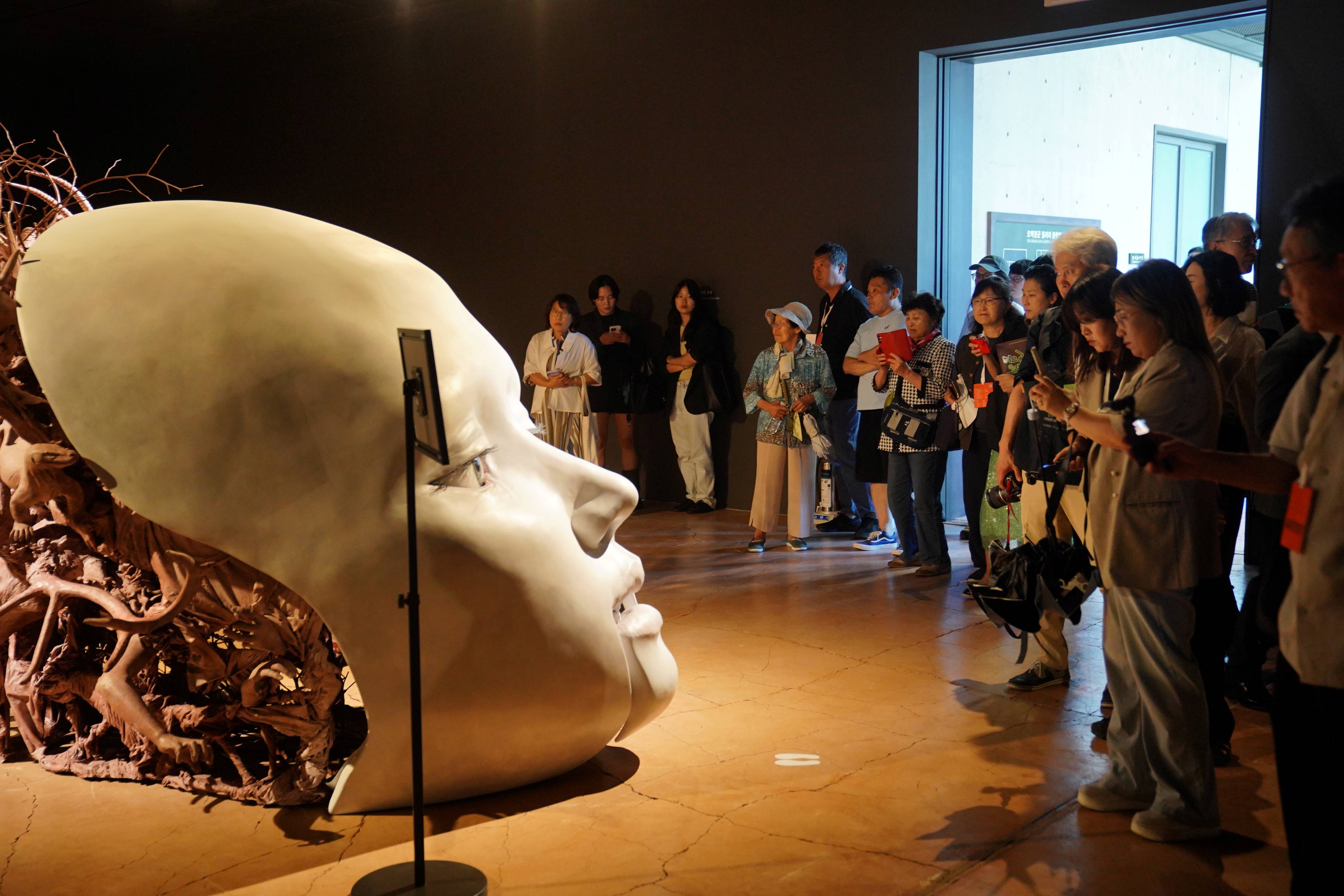

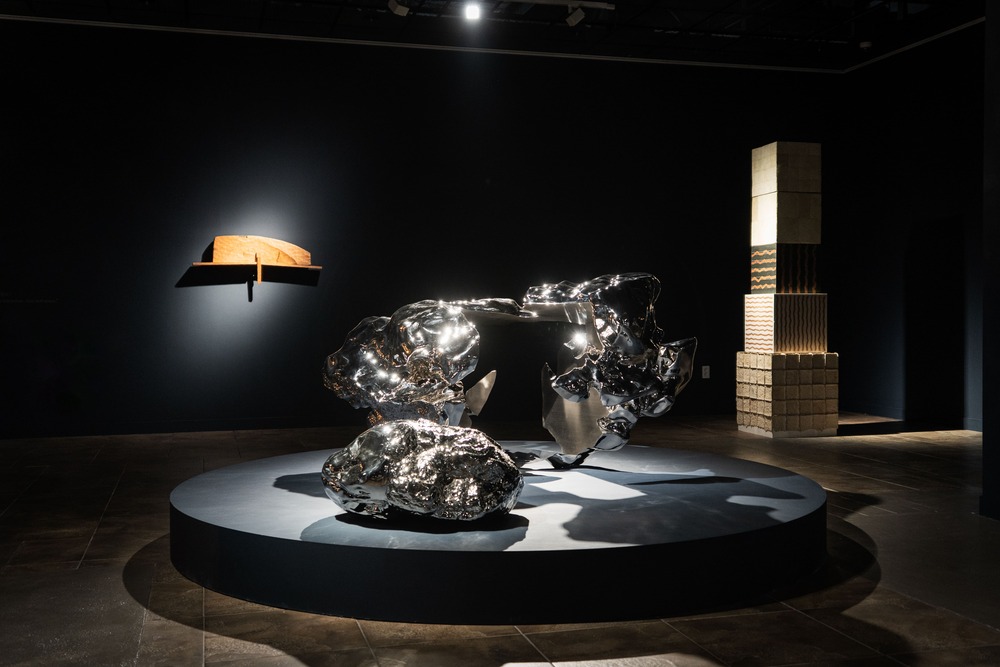
Installation view of the Changwon Sculpture Biennale 2026 《Resonance Field》. Photo: persona we are. © Changwon Cultural Foundation
The
Changwon Sculpture Biennale 2026, 《Resonance Field》, will take
place over 47 days, from September 30 to November 15, across five venues
throughout Changwon: Seongsan Art Hall, House of Changwon, Changwon History
& Folklore Museum, the Jinhae Station area, and Masan Fish Market.
The
Changwon Sculpture Biennale is Korea’s only sculpture biennale. Growing out of
the MoonShin International Sculpture Symposium in 2010 and held every two years
since 2012, it has functioned as a platform where contemporary sculpture
discourse intersects with international currents in sculpture.
Led
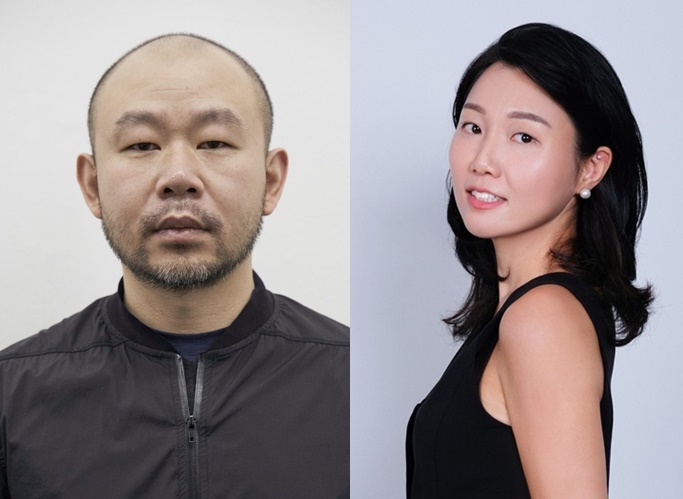
by Korean curator Cho Hyejung and Chinese curator Jiang Jun, this year’s
biennale marks the first time in the event’s history that it has been organized
under a co-artistic director structure that includes an international curator.
Emerging
from the encounter between the two curators’ distinct backgrounds and
perspectives, the Changwon Sculpture Biennale 2026 takes “Resonance Field” as
its theme, beginning from the question of whether sculpture can become a field
in which humans and the world resonate.
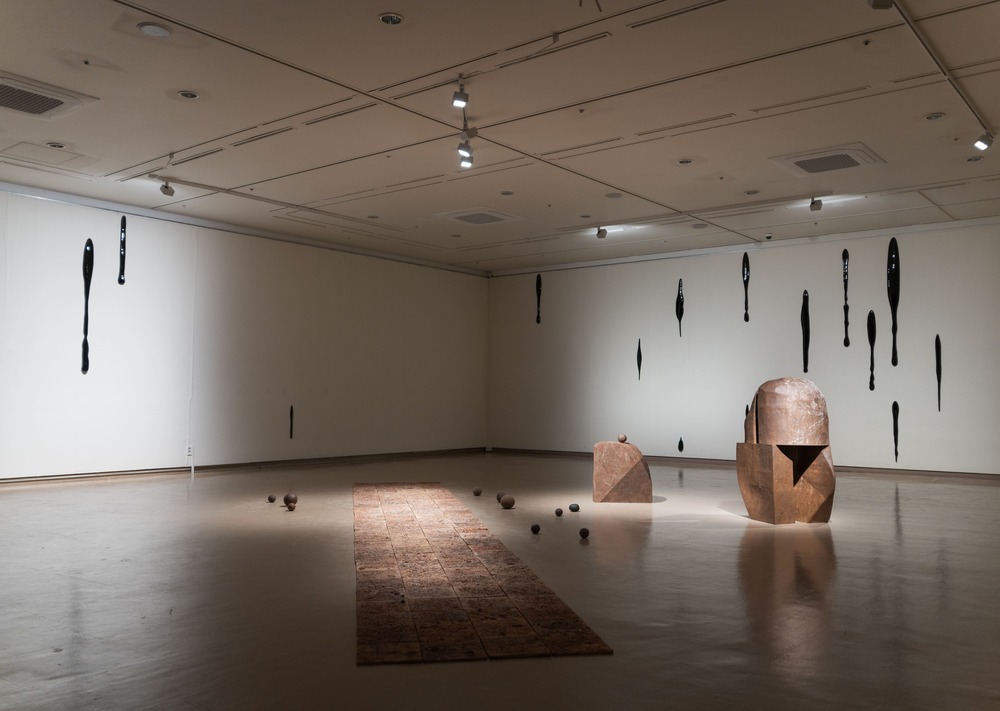
Installation view of the Changwon Sculpture Biennale 2026 《Resonance Field》. Photo: persona we are. © Changwon Cultural Foundation
Before
it became an art form, sculpture was an integral part of life and one of the
oldest ways in which humans have related to the world. The formative attitudes
and sensibilities embedded in traditional East Asian ways of life can still be
found in contemporary sculpture today, expressed through material and the body,
the gestures of the hand, and the resistance of materials.
《Resonance Field》 proposes that sculpture’s
presence and corporeality can reactivate resonance between humans and the
world, and between human beings themselves.
This
year’s Changwon Sculpture Biennale comprises the main exhibition and two
special exhibitions, featuring 74 teams (81 artists). The two co-artistic
directors present distinct methodologies that converge in the main exhibition, 《Resonance Field》.
Director
Cho Hyejung explores the conditions for resonance through ways of relating to
the world, while director Jiang Jun designs structures through which resonance
can be sustained. The approaches developed in their respective exhibitions, 《Sculpture Before
Sculpture》 and 《Changwon
Sculpture Atlas》, meet and resonate in the main
exhibition, 《Resonance Field》.
《Sculpture Before Sculpture》 serves as the
starting point for connecting the longstanding formative sensibilities of East
Asia with contemporary sculpture today. The main exhibition, 《Resonance Field》, builds on these concerns,
extending them to the conditions of contemporary sculpture within today’s
society and urban environments.
《Changwon Sculpture Atlas》 seeks to
rediscover sculptures that have become invisible despite being embedded in the
city and everyday life, tracing connections across the main exhibition and
previous editions of the biennale. By forging new links between artworks and
places, urban memories and present-day life, it seeks to restore a sense of
connection with sculpture.
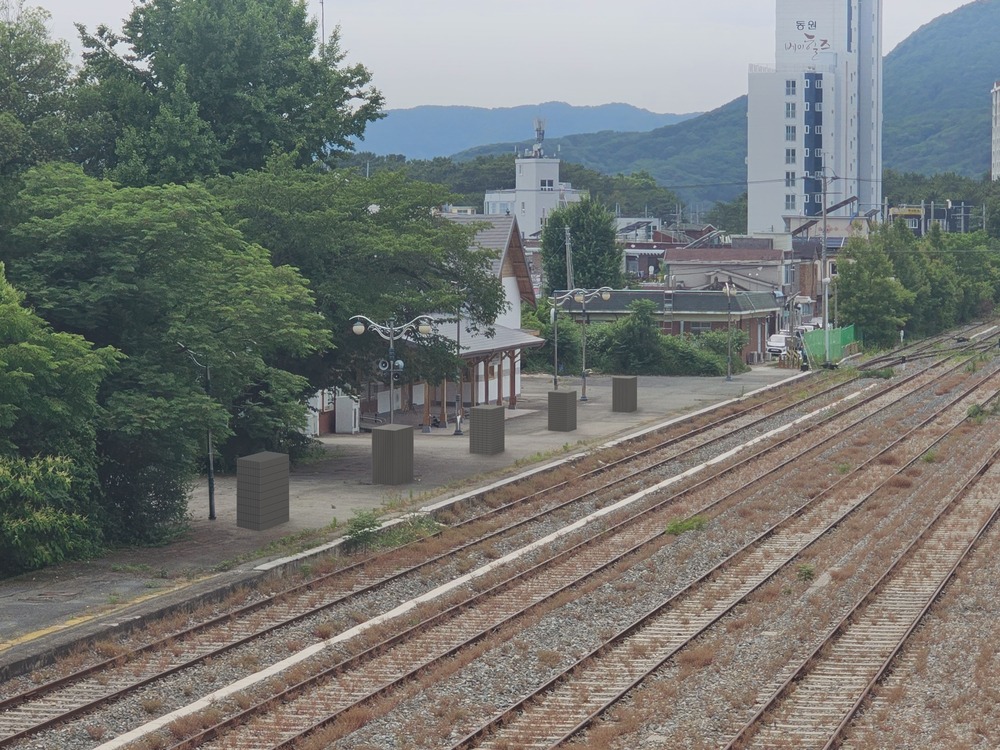
Kimsooja, Deductive Object – The Grid, 2026, Brick and cement, Each 224 × 155 × 161 cm, Dimensions variable, Photo: persona we are. © Changwon Cultural Foundation
The
main exhibition, 《Resonance Field》, connects five
venues—Seongsan Art Hall, House of Changwon, Changwon History & Folklore
Museum, the Jinhae Station area, and Masan Fish Market—through routes linking
Changwon, Masan, and Jinhae. This approach invites visitors to physically
experience a field of resonance shaped jointly by artworks and the city.
While
Seongsan Art Hall serves as a site where resonance itself takes place, House of
Changwon and Changwon History & Folklore Museum become spaces where
traditional settings and contemporary art resonate with one another.
The
Jinhae Station area brings together memories and the present against the
backdrop of modern railway history, while Masan Fish Market forms an
experiential field of resonance as a living site where the currents of the sea
and the city intersect.
Artists
from Korea and abroad, including Kimsooja, Pedro Reyes, Manal AlDowayan, and
Liu Jianhua, present works throughout the city. Here, sculpture is neither
fixed on a pedestal nor treated as a completed object. Situated across
Changwon’s diverse times and places, it transforms and vibrates through its
relationships with the surrounding environment, people, and the city’s
memories.
In
an era when images and data circulate at unprecedented speed, sculpture’s
materiality and corporeality, along with its weight and tactile qualities,
emerge as increasingly significant modes of sensory experience.
The
exhibition reveals how the formative sensibilities embedded in East Asian ways
of life, and the ways of relating to the world that have developed from them,
are transformed and expanded in contemporary sculpture. Changwon is not merely
a backdrop for the exhibition but a condition in which different times and
memories converge, allowing resonance to emerge.
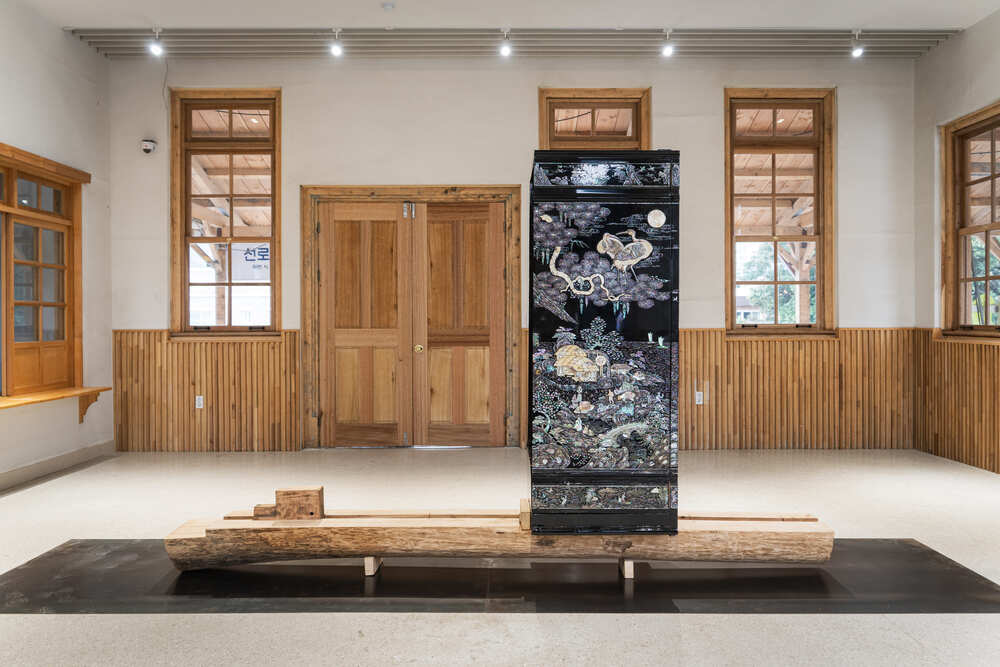
Shim Moonseup, Re-present, 2026, Wood, steel, and mother-of-pearl, 229 × 207 × 66 cm. Photo: persona we are. © Changwon Cultural Foundation
Curated
by Cho Hyejung, 《Sculpture Before Sculpture》 is a project
that rethinks the fact that humans were already experiencing the world
sculpturally before the concept of “sculpture” came into being.
The
exhibition reconfigures the work of leading East Asian artists—including Kim
Yunshin, Shim Moonseup, Ma Desheng, Park Sukwon, Chung Kwanmo, Zhan Wang, and
Ju Ming—at the level of the formal acts of “carving, hollowing, binding, and
stacking.” In doing so, it reinterprets sculpture as a sensibility and
structure for relating to the world rather as a fixed object.
Curated
by Jiang Jun, 《Changwon Sculpture Atlas》 is a map-based
digital archive that links this year’s exhibited works with public sculptures
from previous editions of the Changwon Sculpture Biennale through geolocation
data.
The
exhibition invites visitors to reinterpret participating artists’ works within
Changwon’s historical, geographical, and cultural contexts. Some artists have
also created new works based on keywords identified through their research in
Changwon. Rather than presenting only new sculptures, the exhibition seeks to
restore a sense of connection with sculptures that already exist within
everyday life.
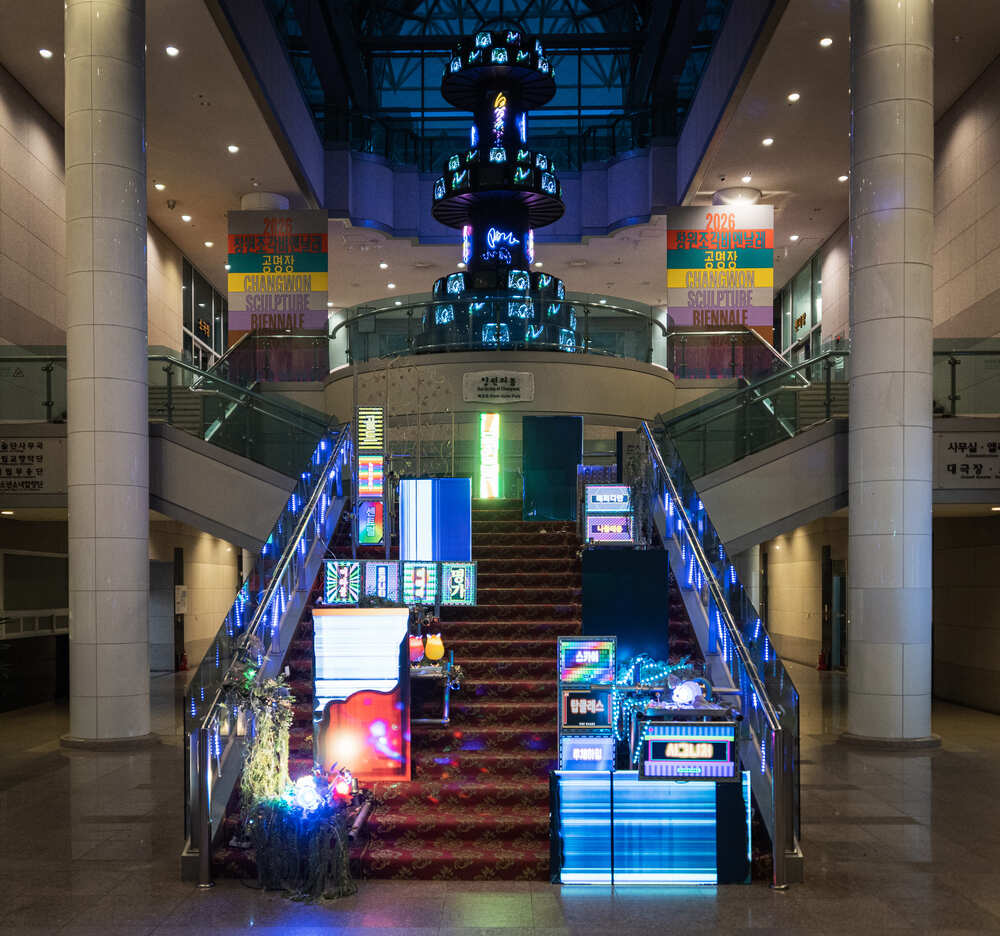
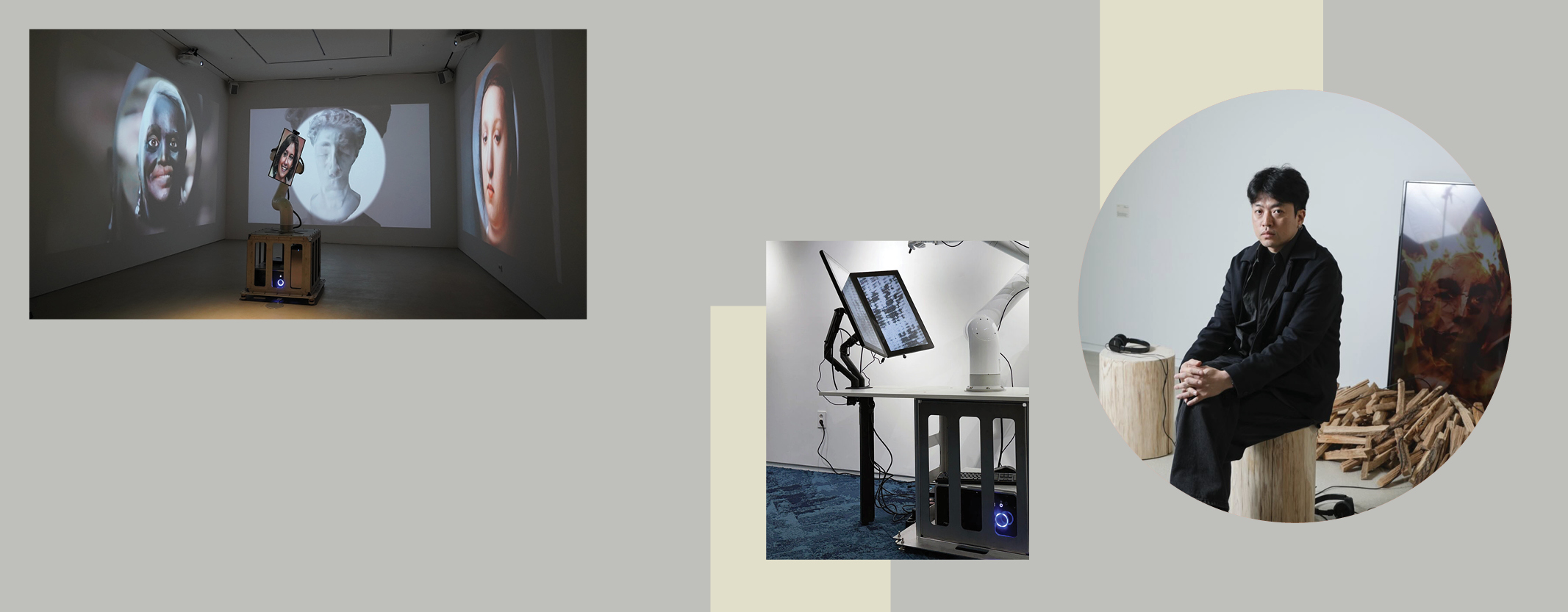
Han Yohan & Bahc Gaain, Under the Spring of Changwon, 2026, Media installation Photo: persona we are. © Changwon Cultural Foundation
On
October 1, the day after the opening, the international academic conference “Resonance
Network” was held in the Small Theatre at Seongsan Art Hall, together with the
academic contribution program “Resonance Study” and the special lecture series “Resonance
Academy”.
The
outcomes of the citizen participation projects “Plant Care Project” and “Kere
Kere Waruru,” along with “Resonance Docent” and “Resonance Workshop: I’m a
Sculptor, Too / We’re Sculptors, Too,” will be unveiled in the main exhibition,
and visitors can take part in completing works during the exhibition period as
well.
The
biennale will pursue a multilayered global communications strategy that extends
beyond Korea to encompass global networks in the West and the Chinese-speaking
art world. As part of this effort, multilingual content will be made available
on digital platforms.
Detailed
information about the event and its programs can be found on the Changwon
Sculpture Biennale website (https://changwonbiennale.or.kr) and its official
social media channels.