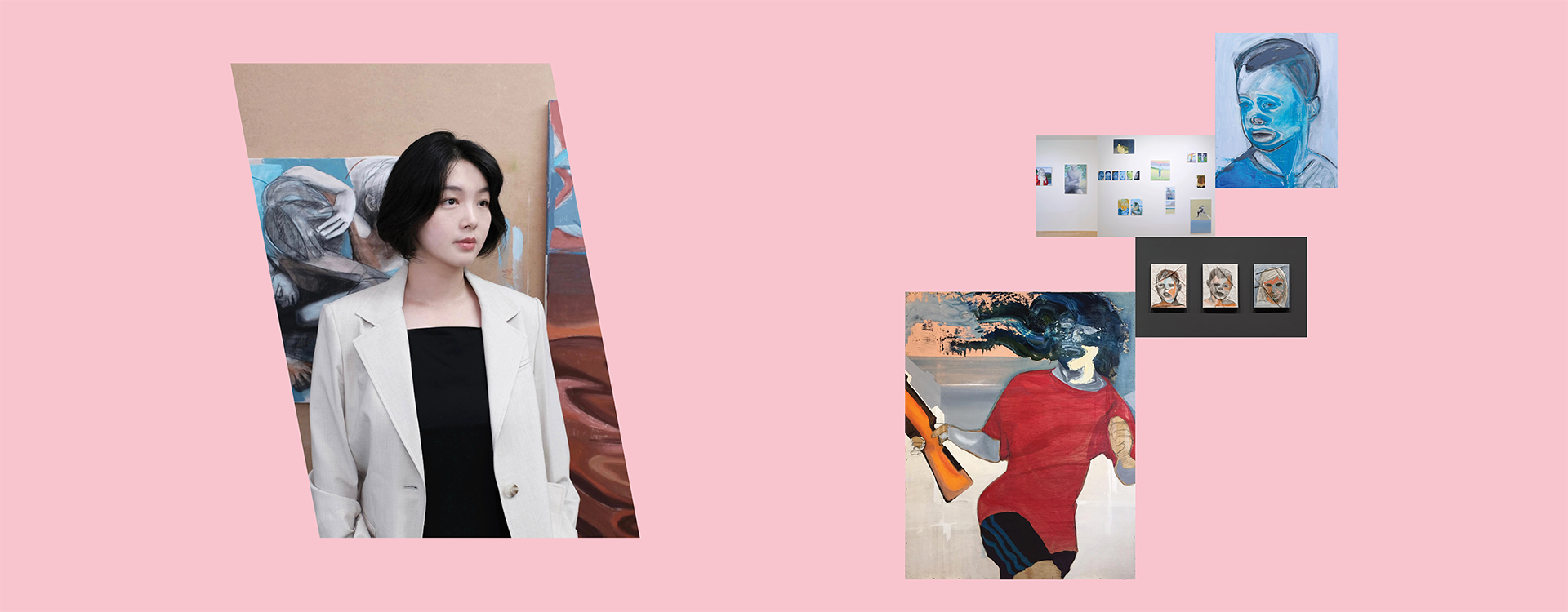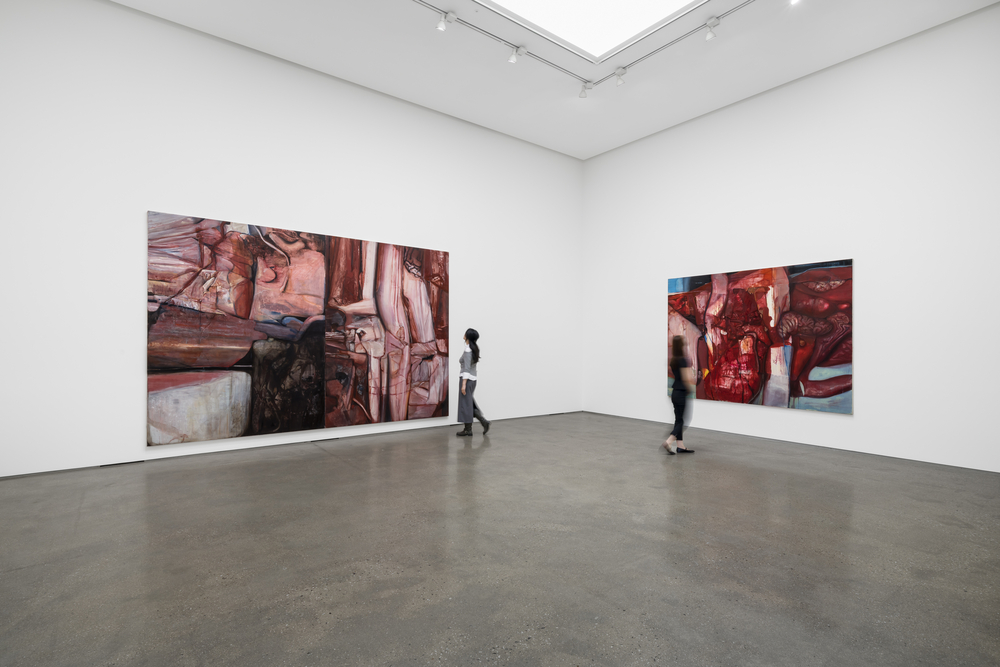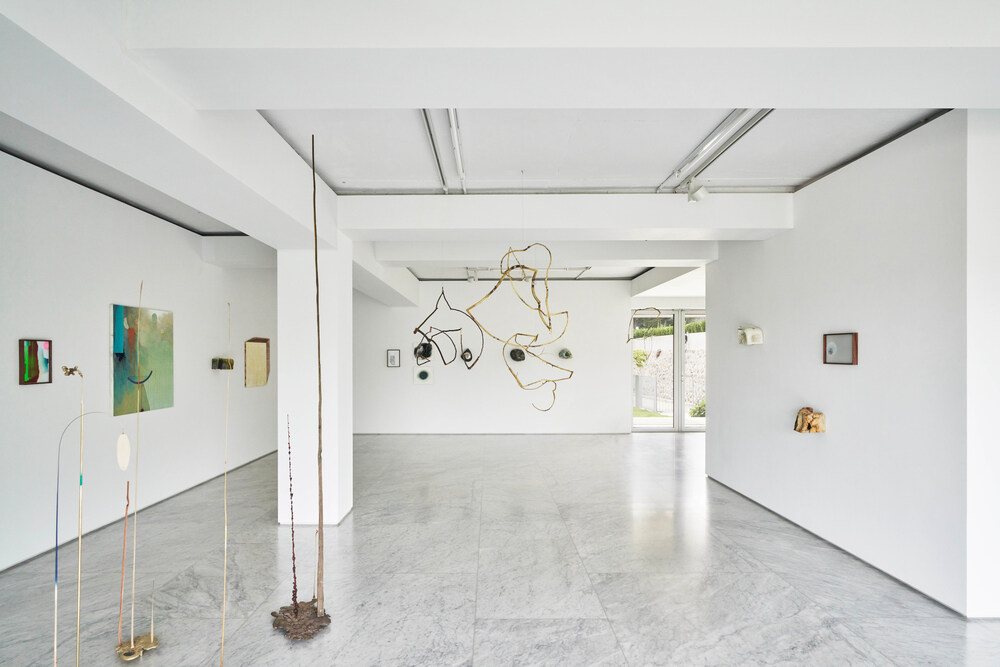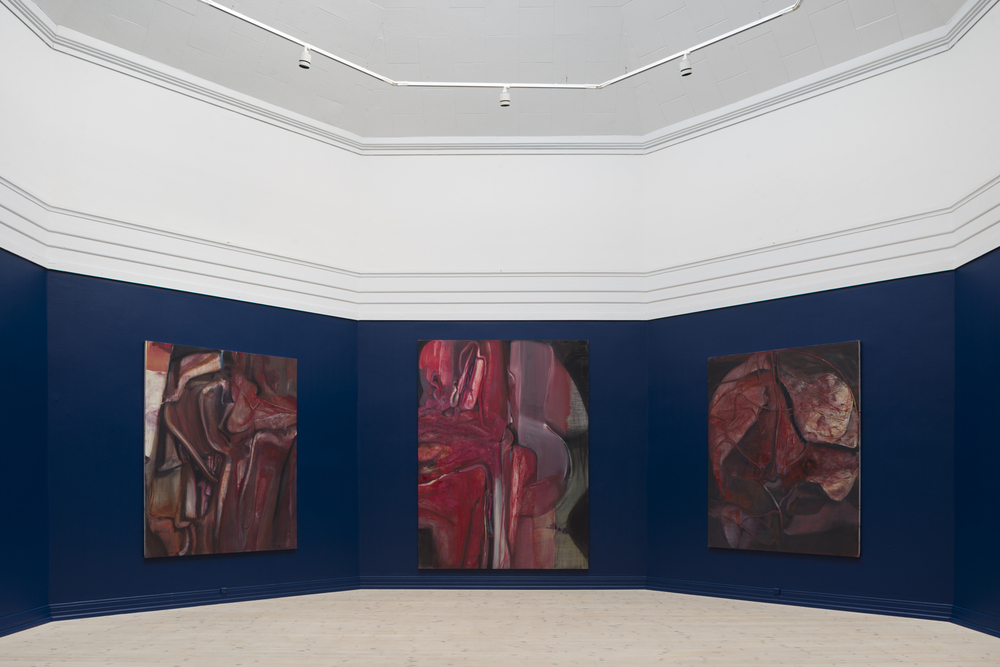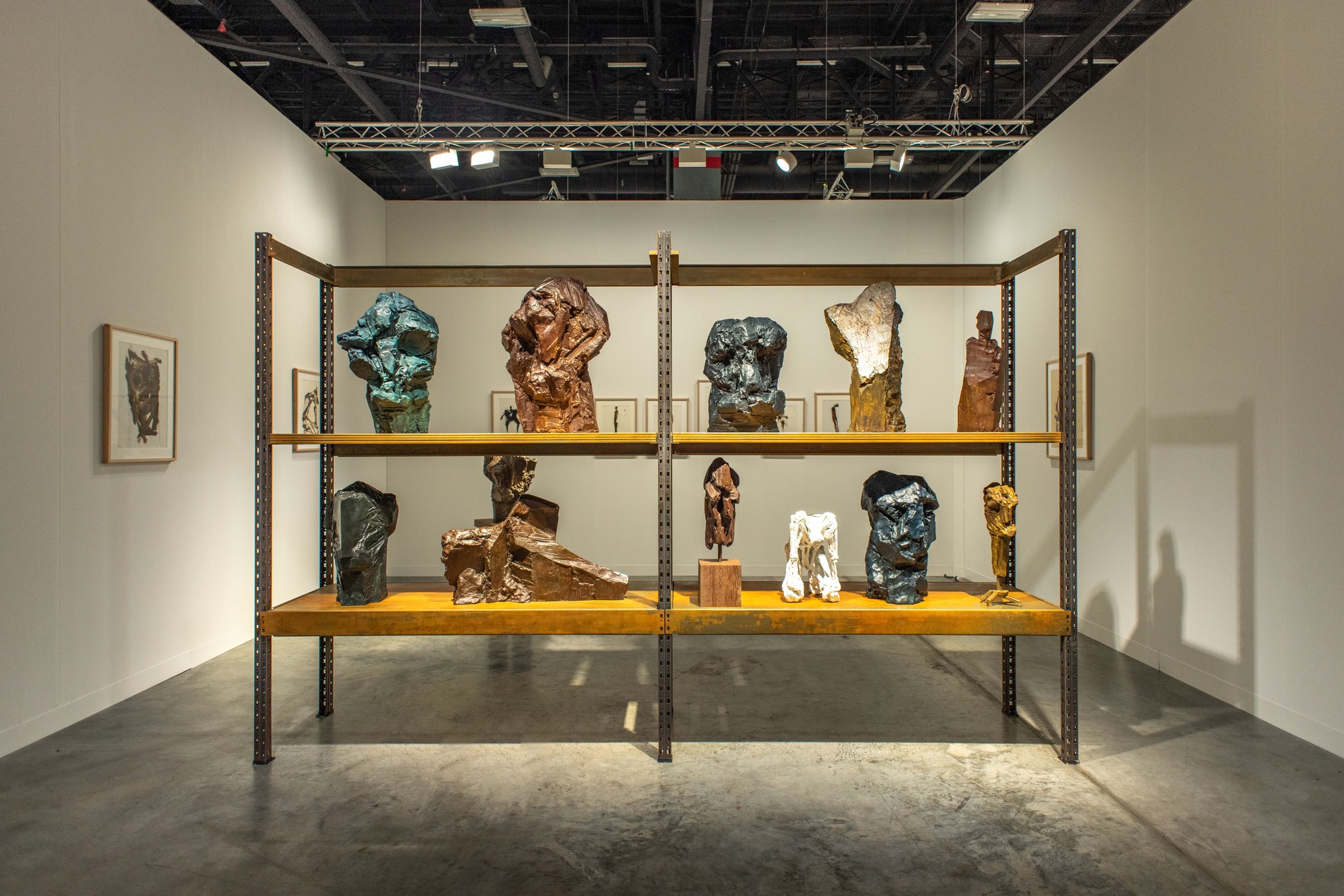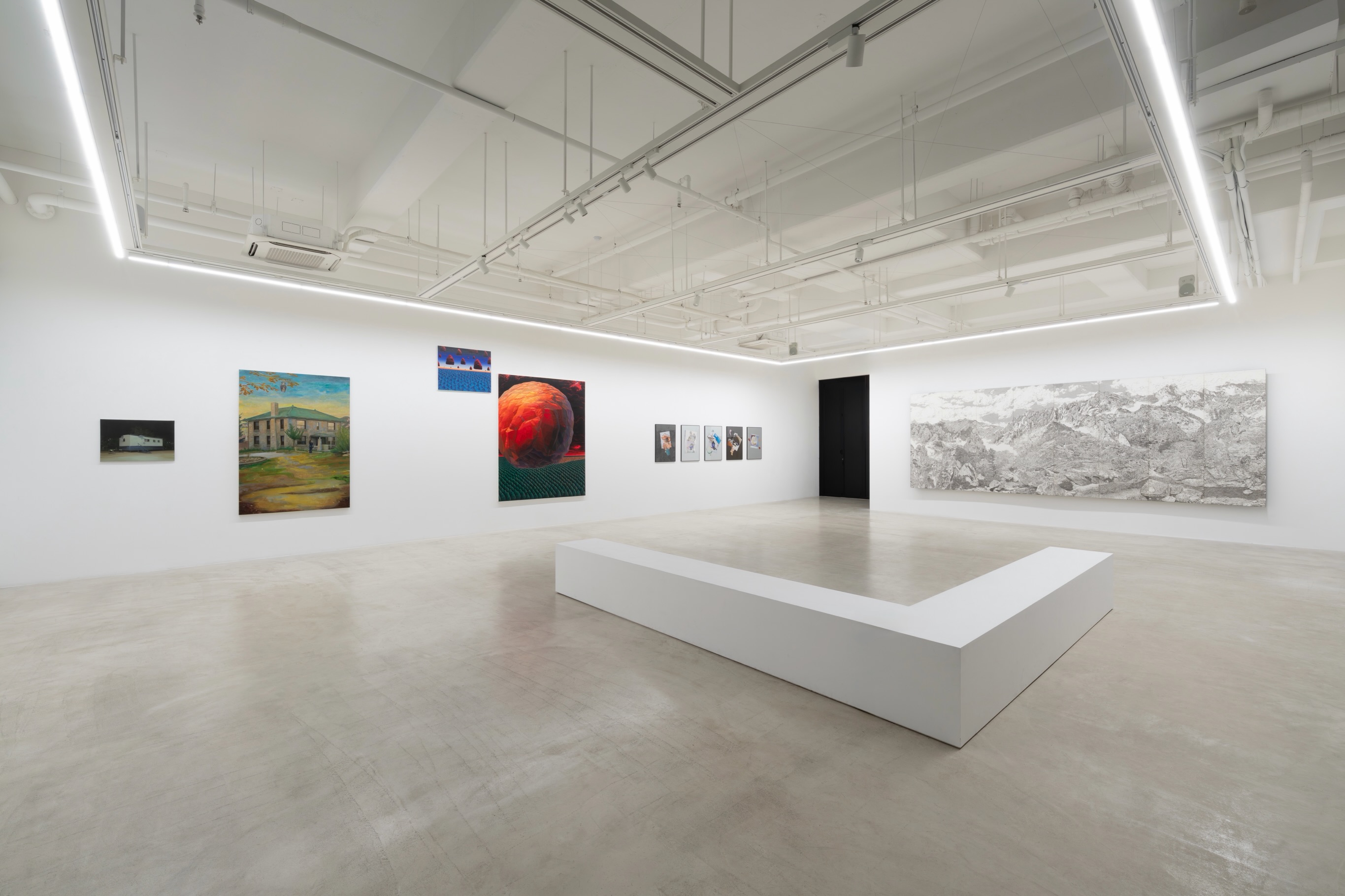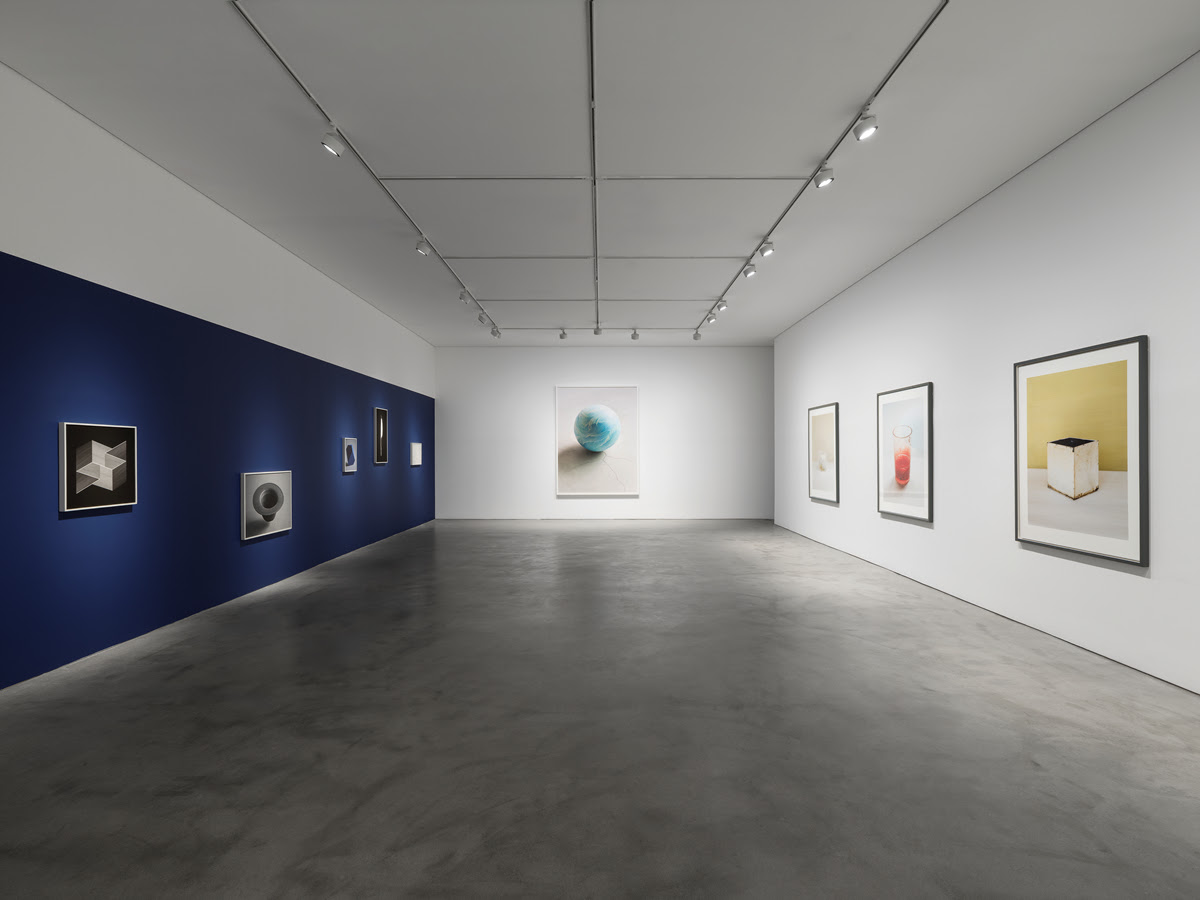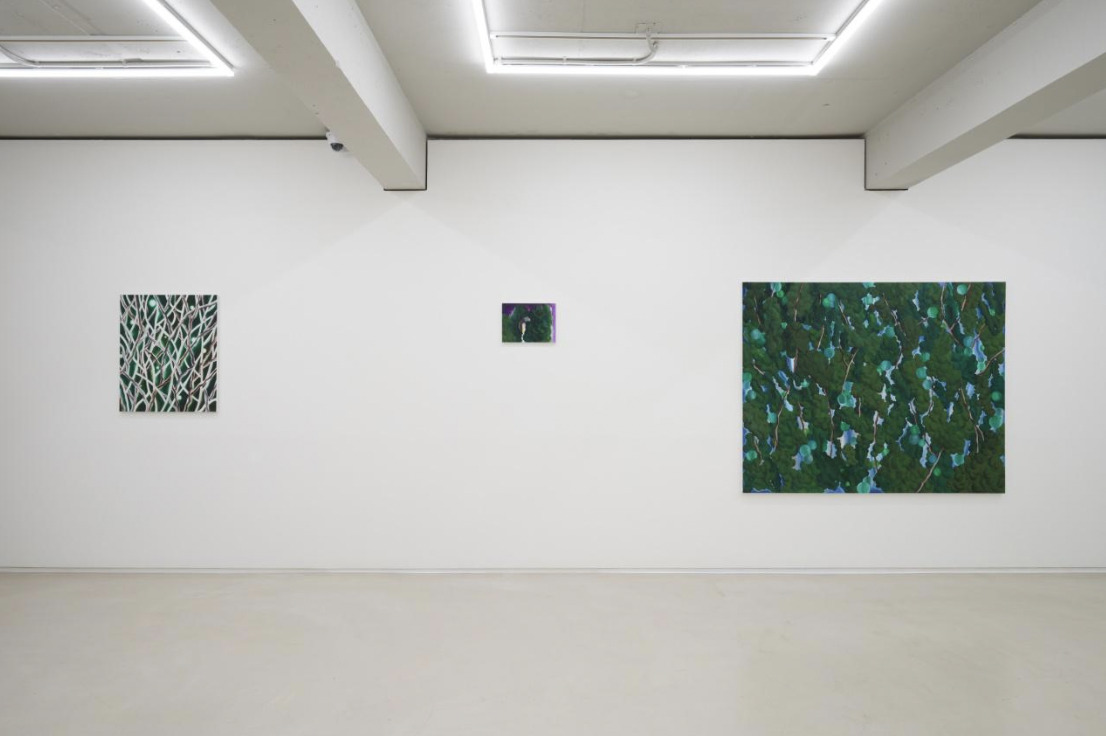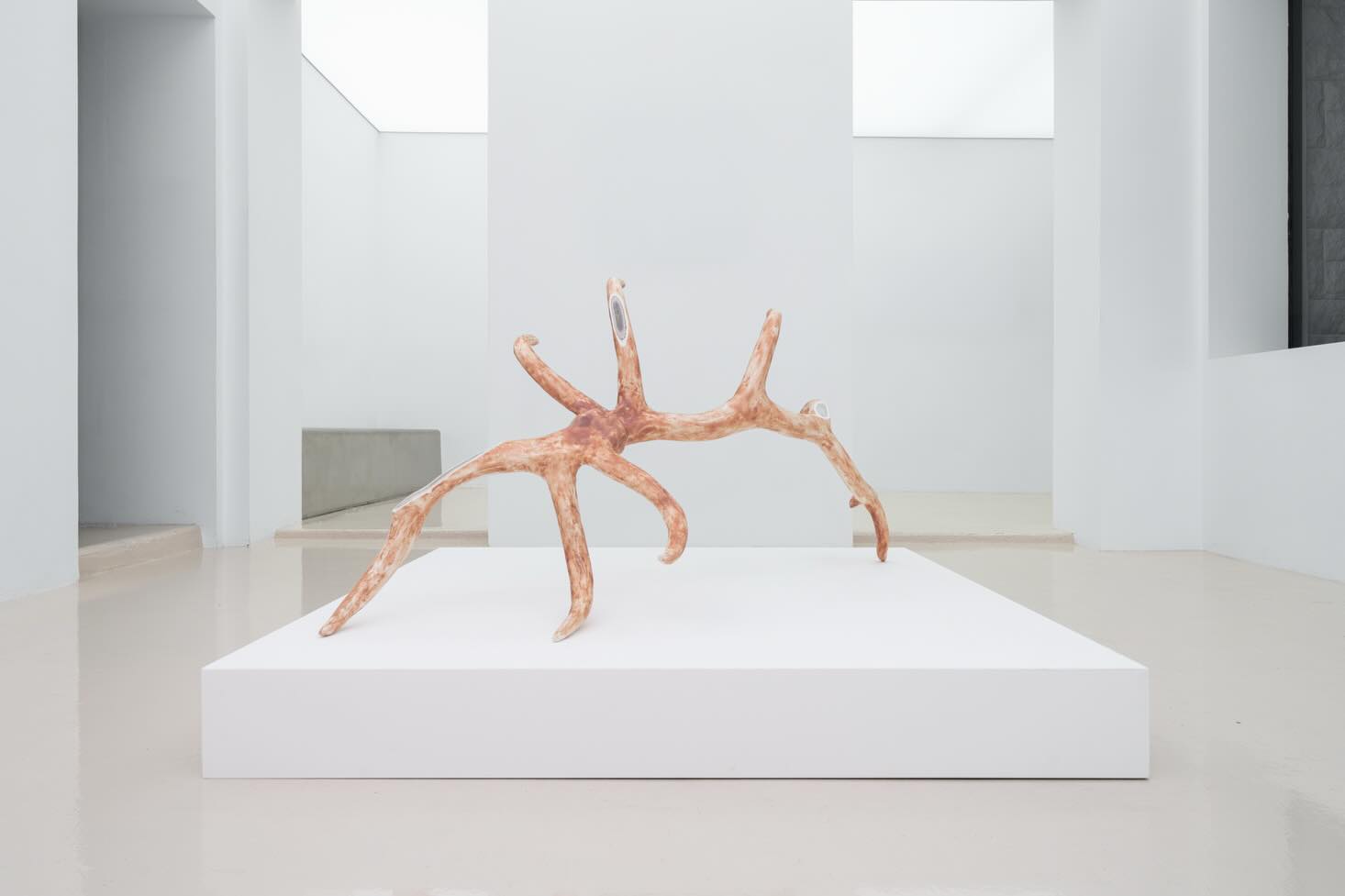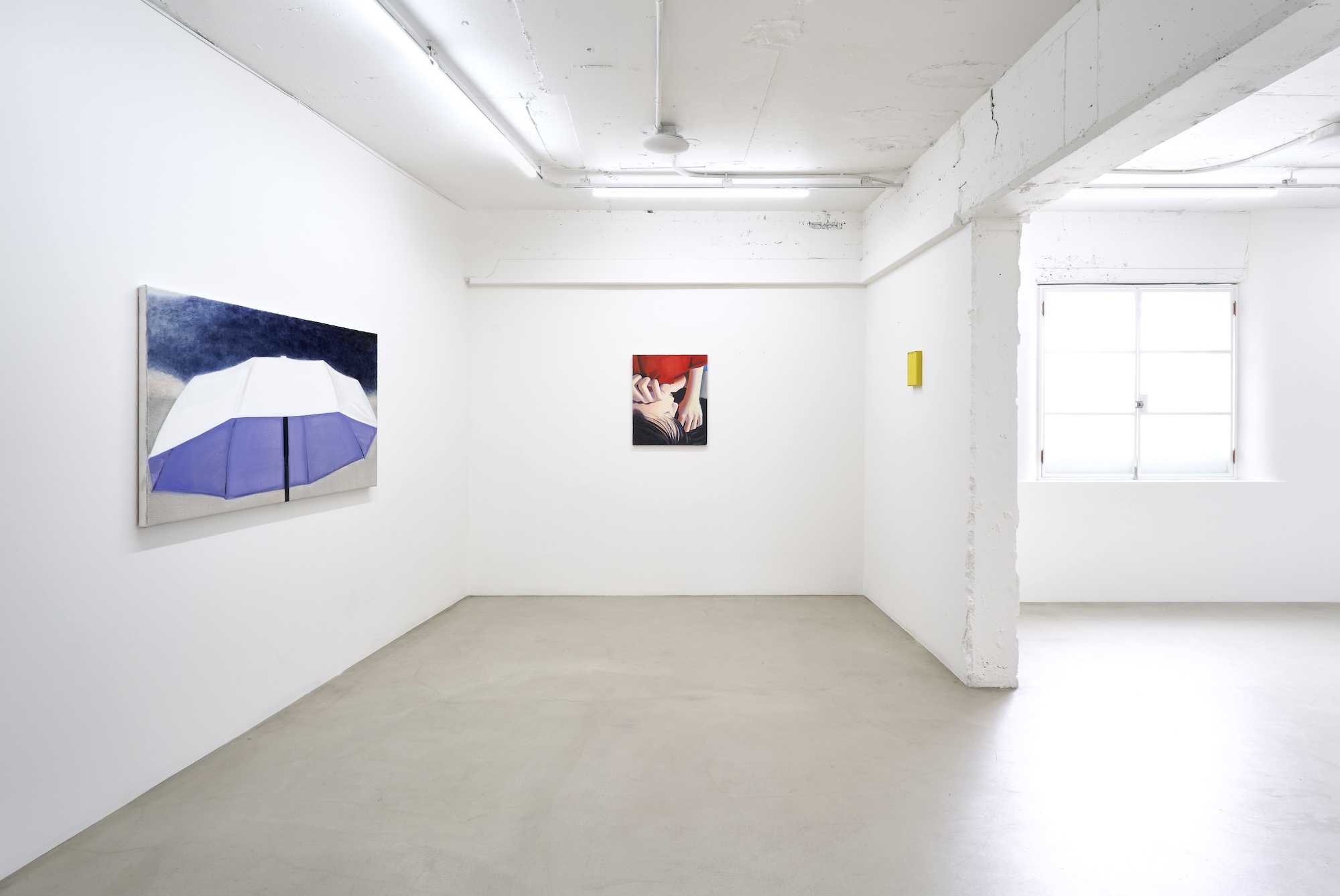

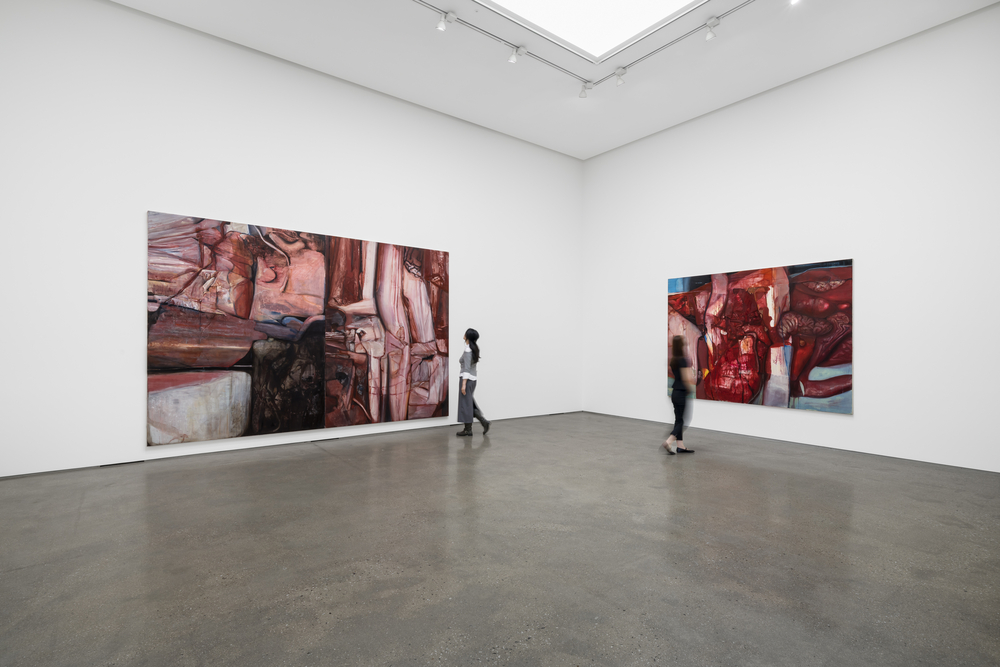
Installation view of 《Before It Becomes a Scene》 © PKM Gallery
PKM Gallery presents 《Before It Becomes a Scene》, a solo
exhibition by Keunmin Lee, whose practice has developed a distinctive artistic
language grounded in personal experience and memory. The exhibition is on view
through July 25.
Marking the artist’s first solo exhibition
with PKM gallery, the presentation brings together new works developed since
2023, including large-scale canvases approaching three meters in height and a
series of drawings. Featuring twenty-three works presented in Korea for the
first time, the exhibition offers insight into Lee’s recent practice.
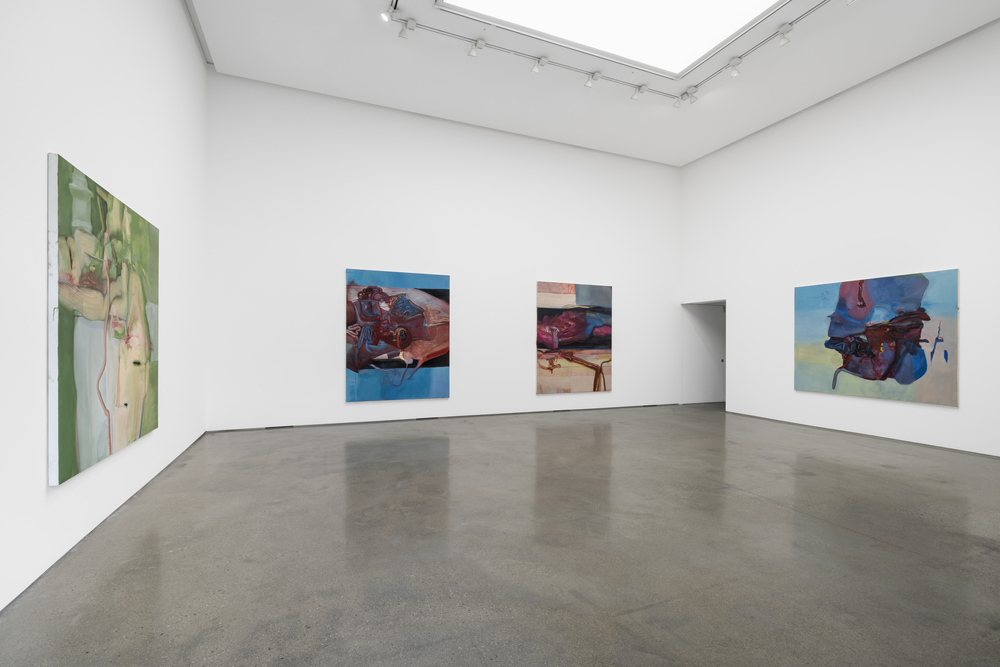
Installation view of 《Before It Becomes a Scene》 © PKM Gallery
Twenty-five years ago, while hospitalized
following a diagnosis of borderline personality disorder, Lee underwent two
formative experiences: the authority of psychiatric diagnosis and the
experience of hallucination. He became aware of the violence embedded within
systems that classify and define human disposition through the language of
pathology.
At the same time, he encountered
hallucinations populated by nameless presences—fragmented bodies, traces of
living organisms, raw matter, and wounds. Taking these memories of suffering as
a point of departure, Lee repeatedly summons beings excluded by systems of
social categorization and control onto the canvas.
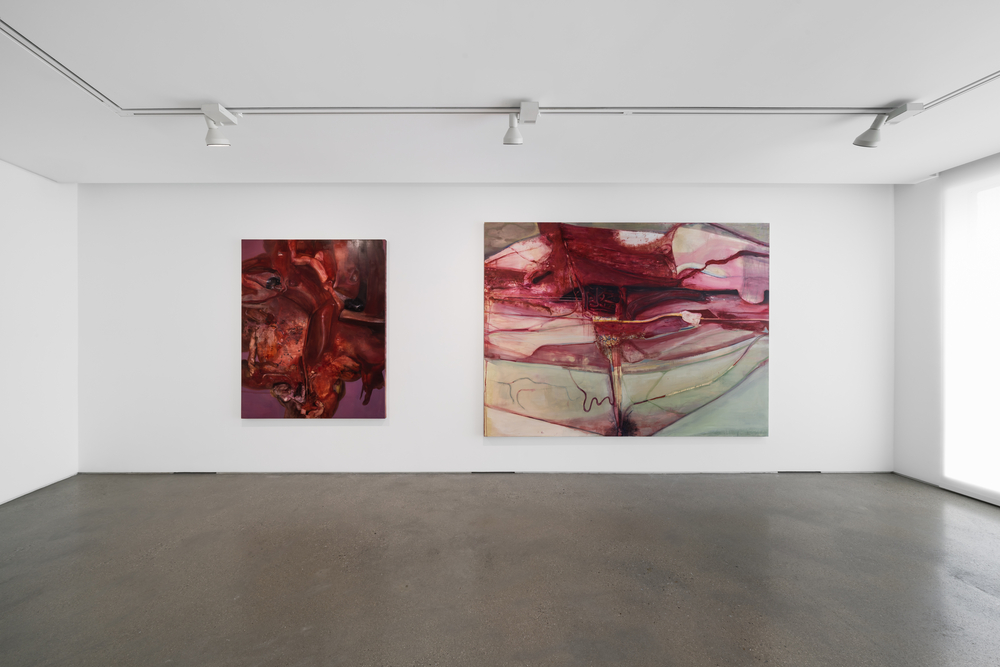
Installation view of 《Before It Becomes a Scene》 © PKM Gallery
《Before It Becomes a Scene》 traces the exposed psychological terrains that runs throughout
Lee’s work. Here, the term “scene” refers to a situation shaped by intention,
construction, or definition. Lee instead turns his attention to a state that
exists prior to such framing—his visual and auditory hallucinations before they
were classified as symptoms of illness.
Muscles, organs, and blood-like traces in
Lee’s paintings originate in personal experience, yet they also point to a
condition shared by all—one that resists control regardless of the boundaries
between self and other, or disability and non-disability. The warm,
predominantly red palette reflects both the artist’s instinctive attraction to
flesh and blood and a direct, unguarded metaphor for humanity and life itself.
By returning viewers to a state before
existence is shaped by imposed definitions and standards, the exhibition
invites an encounter with genuine freedom and catharsis.