K-Artists
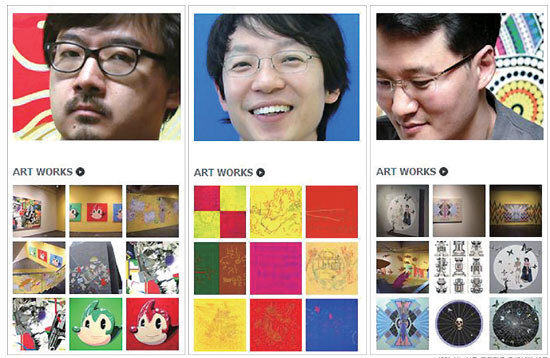
Carefully curates and introduces three representative artists from the Korean contemporary art scene each week since the 2000s.
Mid-Career:
3 K-Artists This Week
Mid-Career
K-Artists Library
Archive Shuffle
Articles
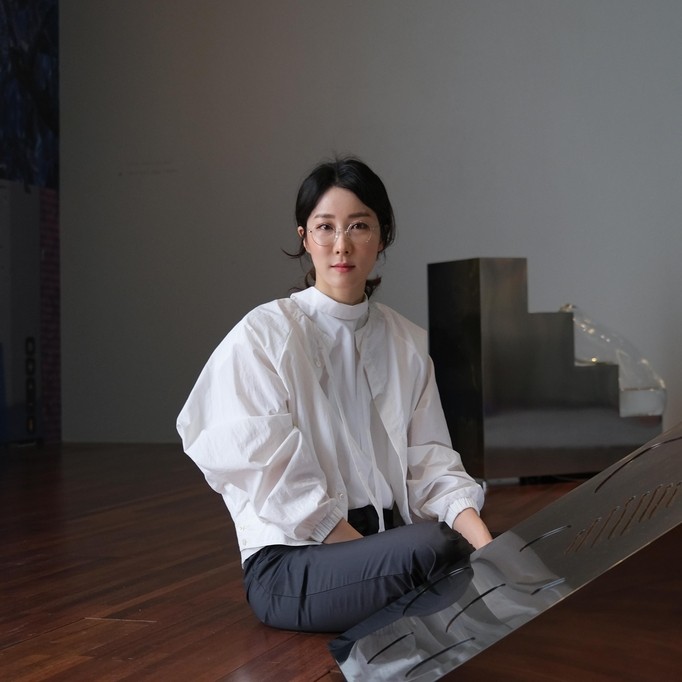
The Hybrid World of Artist TZUSOO: Where Cyber Ecology Meets Reality
TZUSOO (b. 1992), a digital native, has been developing a unique artistic language rooted in new identities formed at the intersection of the cyber ecology and the real world. Her work evolves across various media, including video, installation, sculpture, and painting.
2025.06.09
Exhibitions
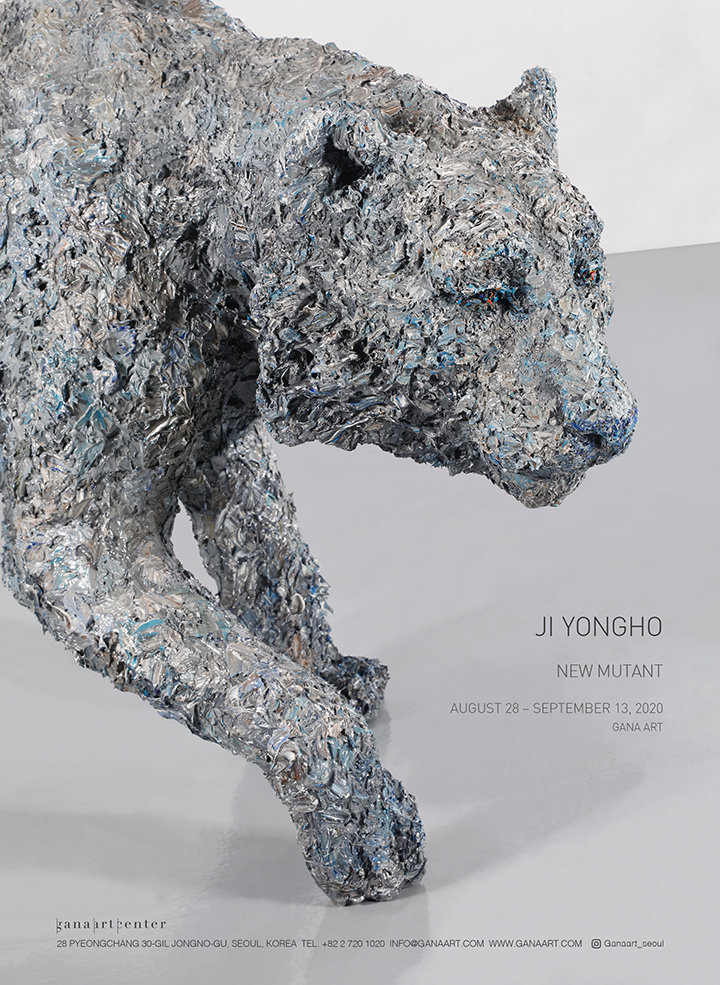
《New Mutant》, 2020.08.28 - 2020.09.13, Gana Art Center
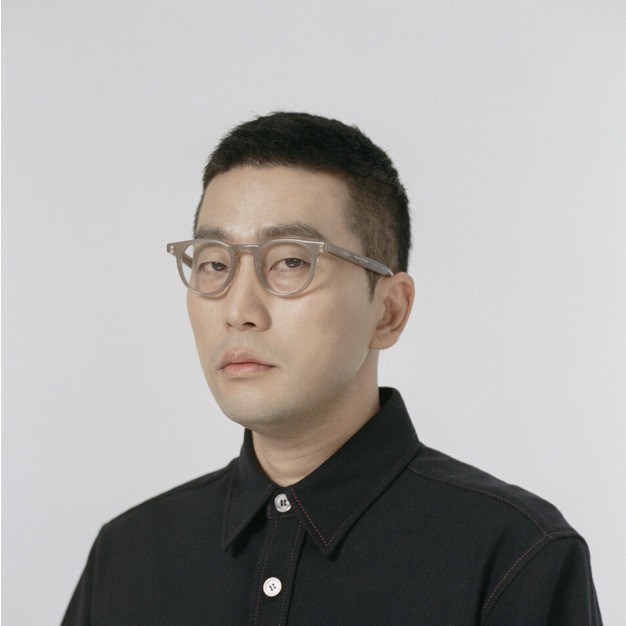
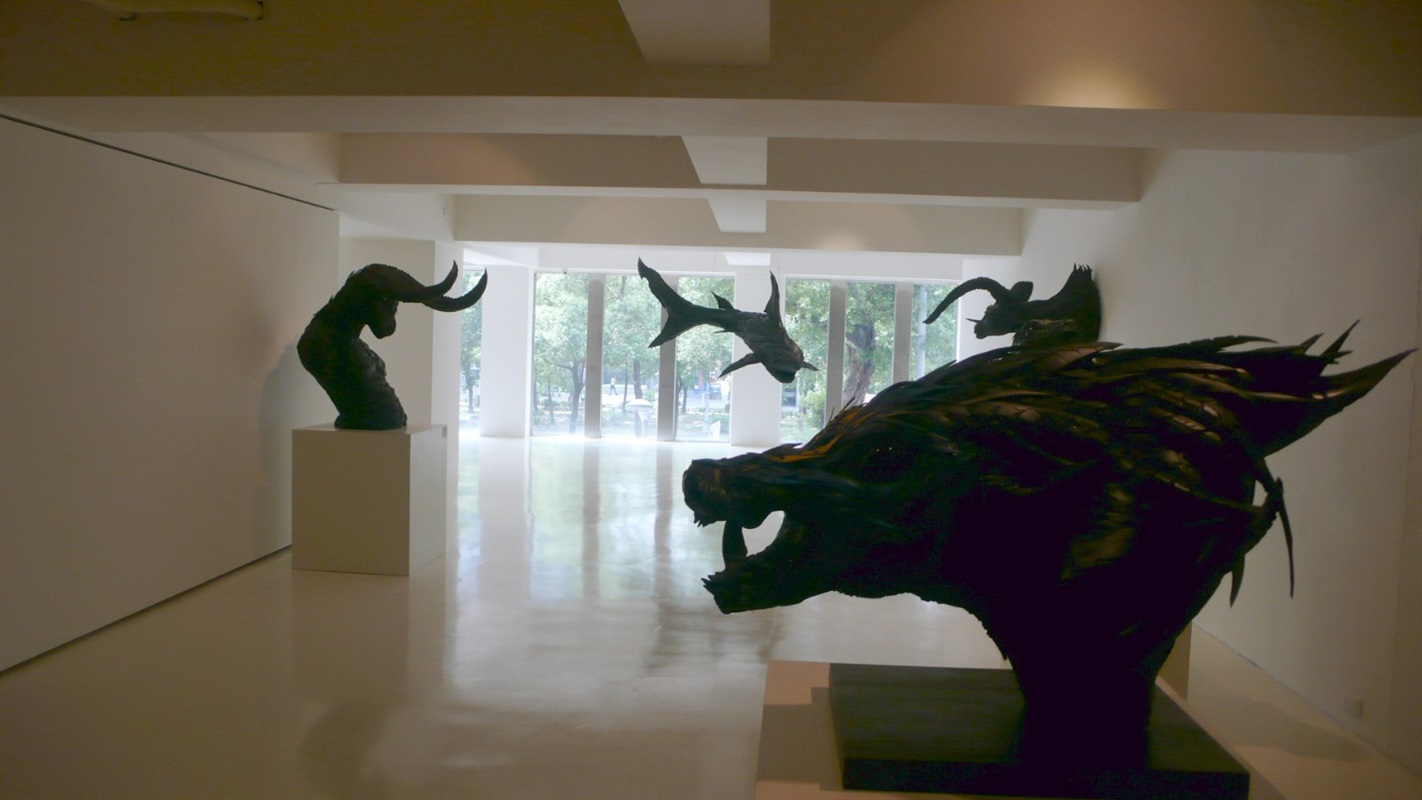
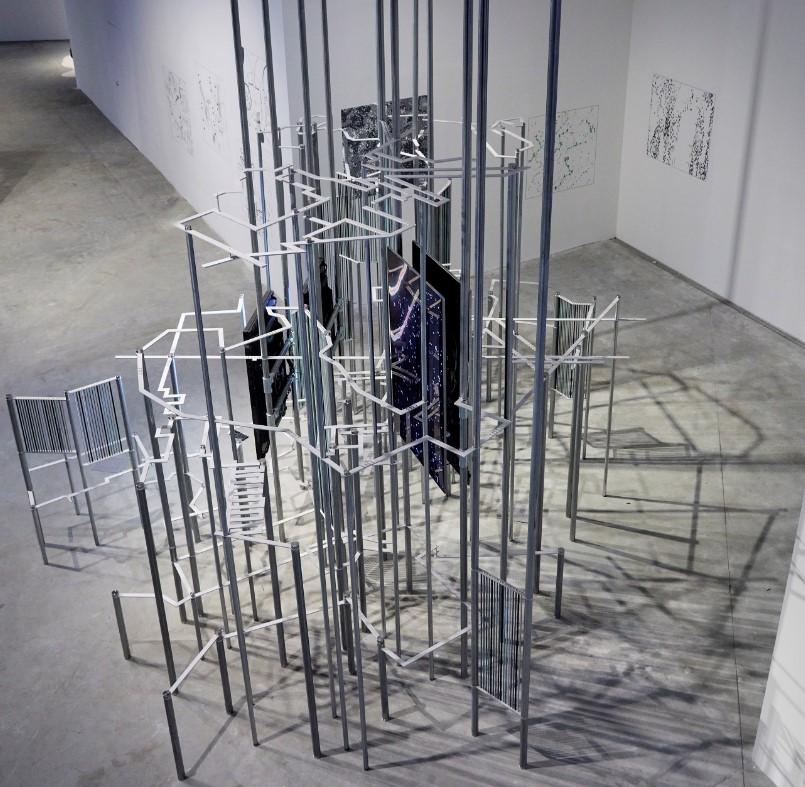
Gana Art is pleased to present a solo exhibition of Ji Yongho(b. 1978 -) introducing the “New Mutant” series. Ji is mostly known for his ‘Mutant’ series of sculptures using waste tires. For the exhibition, he chose various media such as bronze, aluminum, and 3D printing based on computer technology
2020.08.26
Activities
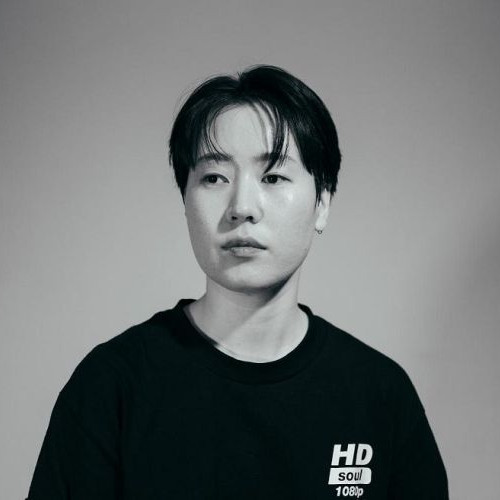
2020 CKD Yesuljisang : Kim Sunyoung, Yoo Seungho, Choe Sooryeon
Three artists have been selected for the 2020 CKD Yesuljisang: Kim Sunyoung and Yoo Seungho, Choe Sooryeon. Selected artists are provided with a creative subsidy of 10 million won each for 3 years, a total of 30 million won, and an exhibition opportunity in the third year of support.
2020.04.22
Articles
[Critique] Photography-Act Project: Camera Lucida, Camera Obscura…
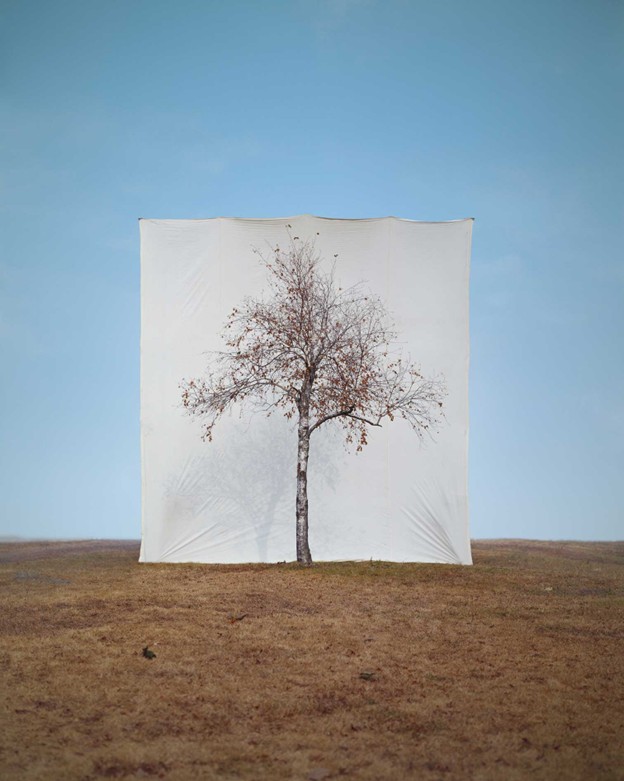
Myoung Ho Lee has become famous with his 'Tree' series, photographed with installing backdrops against trees and emphasizing the original beauty of their forms. In studio photography, it is an old tradition for photographers to use backdrops, which is related to Western art’s still-life painting.
After 2006
Exhibitions
《Concerning the "ART"》, 2020.02.25 - 2020.07.26, Busan Museum of Contemporary Art
The combination or fusion of “art” and “technology” has already been a major concern and subject of discussion since the early twentieth century. In recent years, as technology and IT have been introduced and disseminated on a comprehensive scale, the form of “art” has been changing more rapidly than ever before, raising more fundamental questions about its concept and identity.
2020.02.23
Activities
The 21st Monthly Art Awards
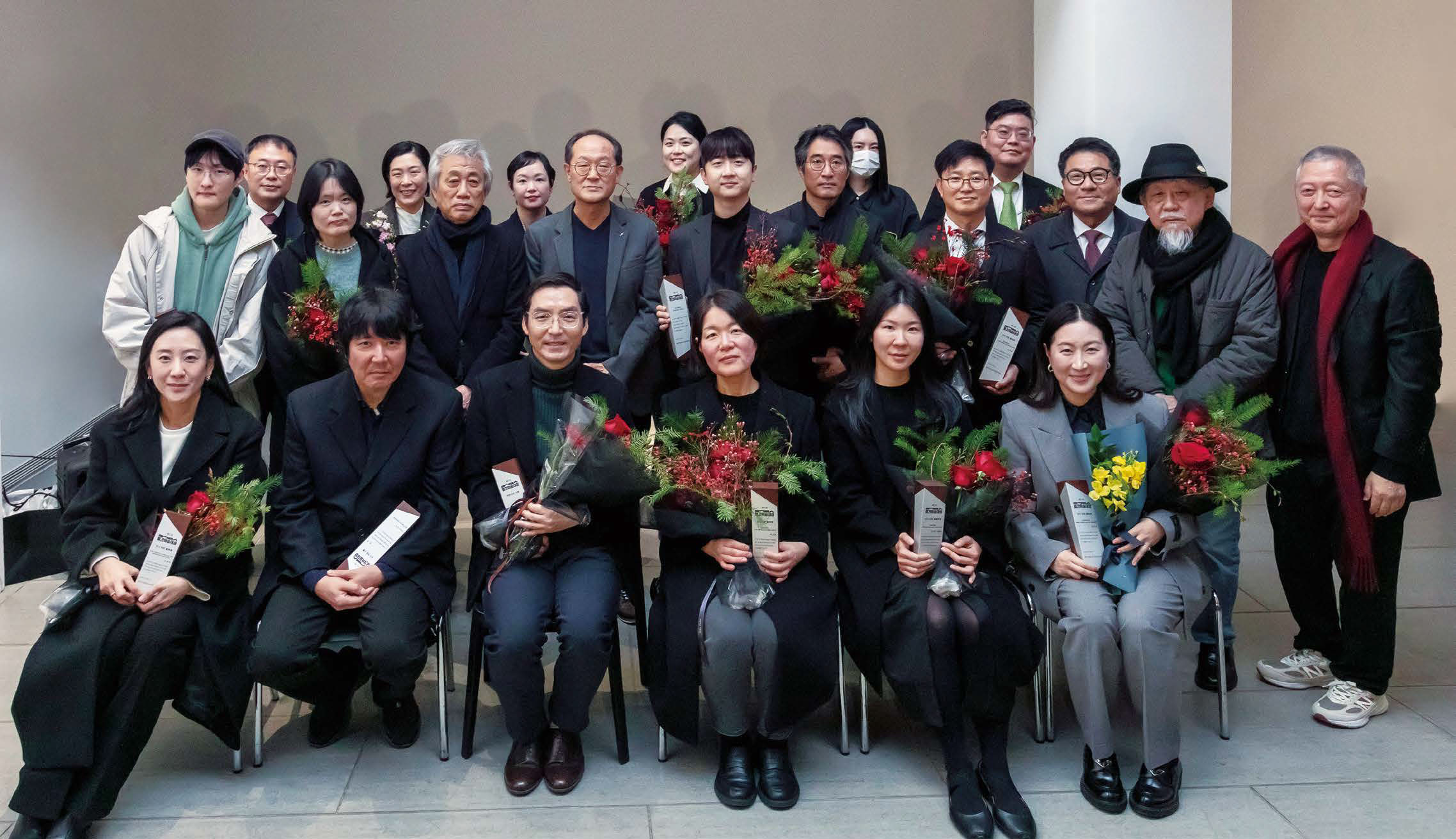
At the 21st Monthly Art Awards ceremony held at the Sungkok Art Museum on December 1, 2025, Monthly Art (Representative: Lee Ki-young) honored Kim Beom in the Artist category, Lev AAN in the Criticism category, and ten outstanding exhibitions including the Best Exhibition award for Art Sonje Center’s 《Adrián Villar Rojas: The Language of the Enemy》 (2025).
2025.12.01