
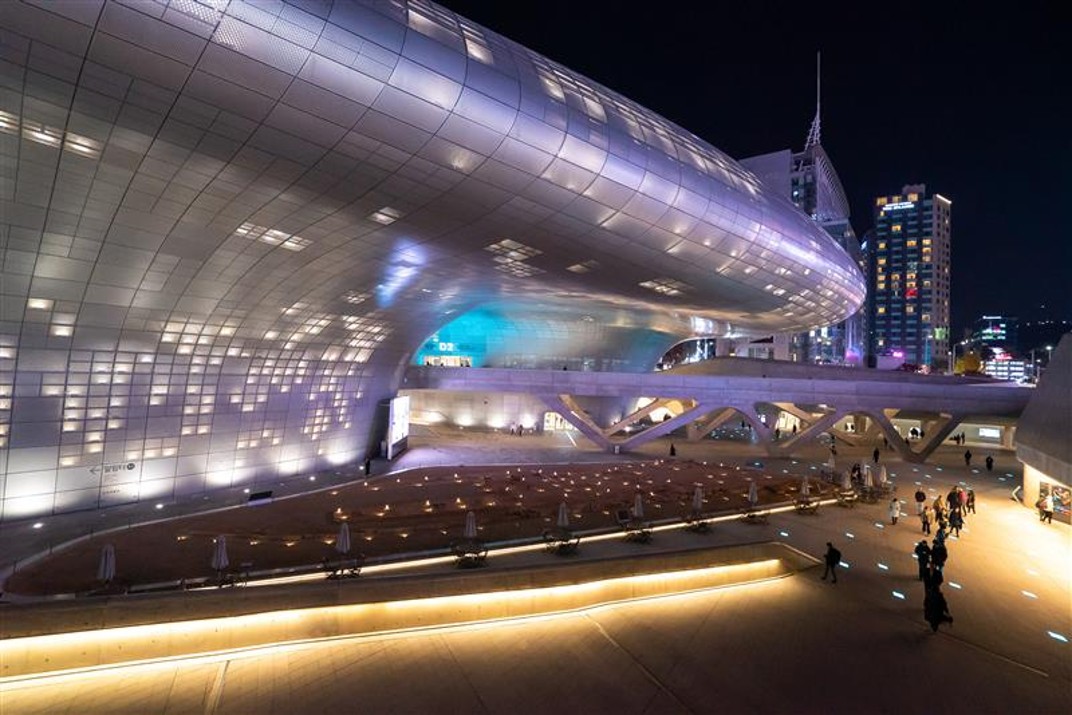
Exterior view of DDP / Image courtesy of the Design Miami website
Design Miami Seoul 2026 opens with a VIP
Preview on August 31, followed by its public presentation from September 1
through 6 on the first floor of the Design Lab at Dongdaemun Design Plaza
(DDP). Following its Asian debut in Seoul last year, the event returns to the
city for its second edition.
Design Miami is a global platform for
collectible design, connecting design galleries, designers, collectors, and
cultural institutions from around the world. Rather than conventional
industrial design or mass-produced goods, it focuses primarily on 20th- and
21st-century furniture, lighting, ceramics, craft, and objects distinguished by
their designers’ individual formal languages, production methods, rarity, and
historical significance.
Although collectible design often retains a
practical function, it is distinct from ordinary household goods. Its value is
shaped by who designed and produced it, the materials and techniques used,
whether it is a unique work or part of a limited edition, and the exhibitions
and collections through which it has passed. It also shares a market structure
similar to that of the art world: specialist galleries discover designers,
exhibit and sell their work, and collectors and museums acquire it.
Since its launch in Miami in 2005, Design
Miami has expanded to Paris and, in 2025, presented its first Asian exhibition
in Seoul.
The 2026 global schedule begins in Seoul,
followed by Paris in October and Miami in December. The Seoul edition is
particularly noteworthy for its attempt to connect Korean and Asian design,
craft, and regional making cultures with the international collectible design
market.
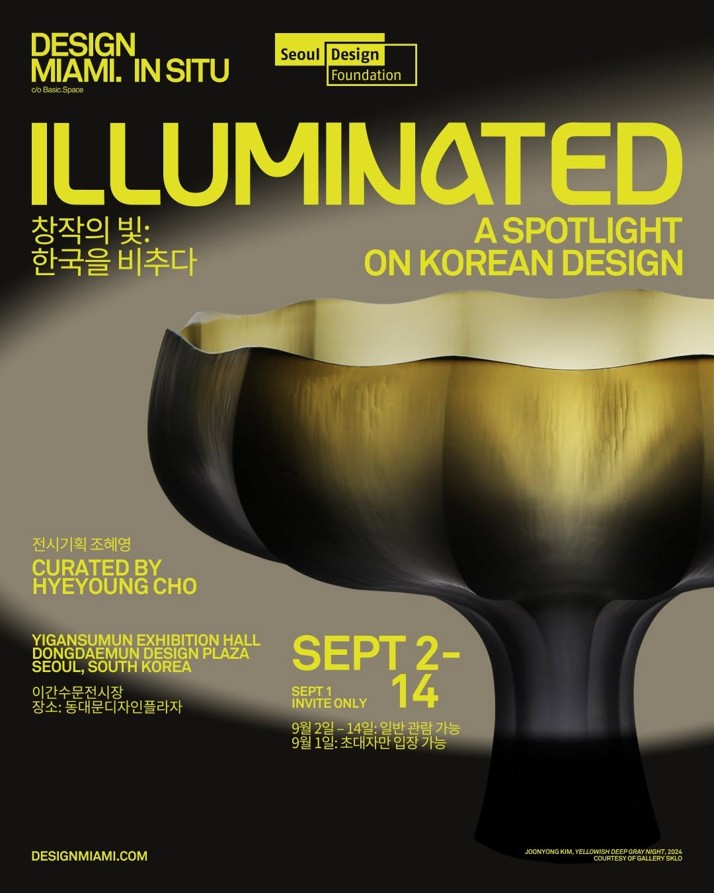
Official poster for Design Miami Seoul Edition 2025 / Image courtesy of the Dongdaemun Design Plaza (DDP) Facebook
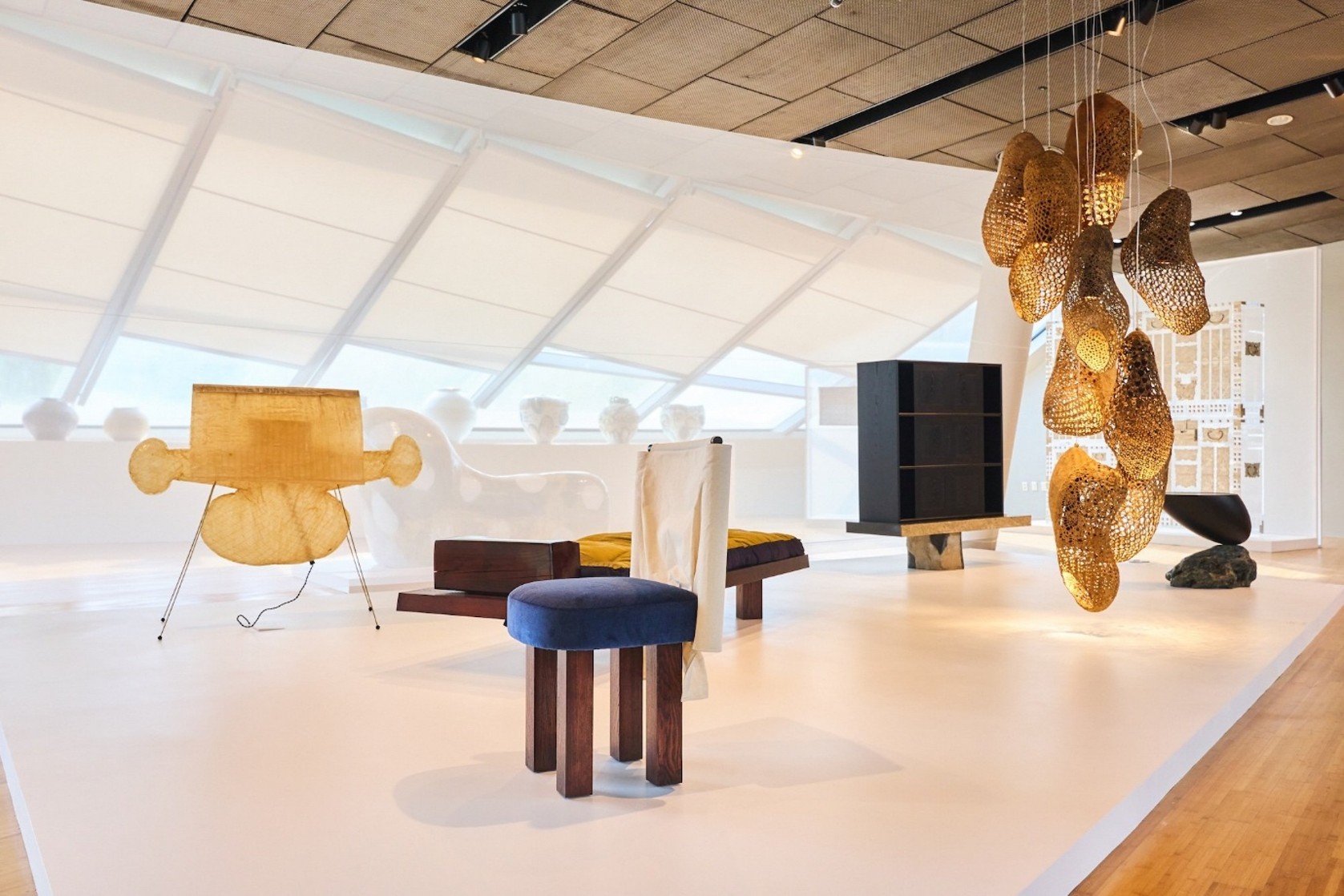
Installation view of Design Miami.In Situ | Seoul 2025, 《Illuminated: A Spotlight on Korean Design》. Photo by Ilda Kim. Courtesy of Design Miami
The 2025 Inaugural Edition
Spotlighting Korean Design
The inaugural Seoul edition last year
consisted of a single curated exhibition titled 《Illuminated:
A Spotlight on Korean Design》. Presented as part of “Design
Miami.In Situ”, a program dedicated to highlighting regional design cultures,
the exhibition featured approximately 170 works by 71 Korean designers and
artists.
The exhibition focused on the wide range of
materials that have shaped Korean design and craft, including wood, metal,
ceramics, glass, horsehair, lacquer, and hanji. Participating practitioners
from different generations included Byung Hoon Choi, known for his sculptural
furniture; Kyeok Kim, who presented lacquered lighting; glass artist Joon Yong
Kim; and horsehair craft artist Dahye Jeong.
The primary objective of the 2025 edition
was to introduce Korean design to an international audience. It demonstrated
how traditional materials and craft techniques are being transformed within
contemporary design while drawing attention to Korean designers whose work had
not yet received sufficient recognition internationally.
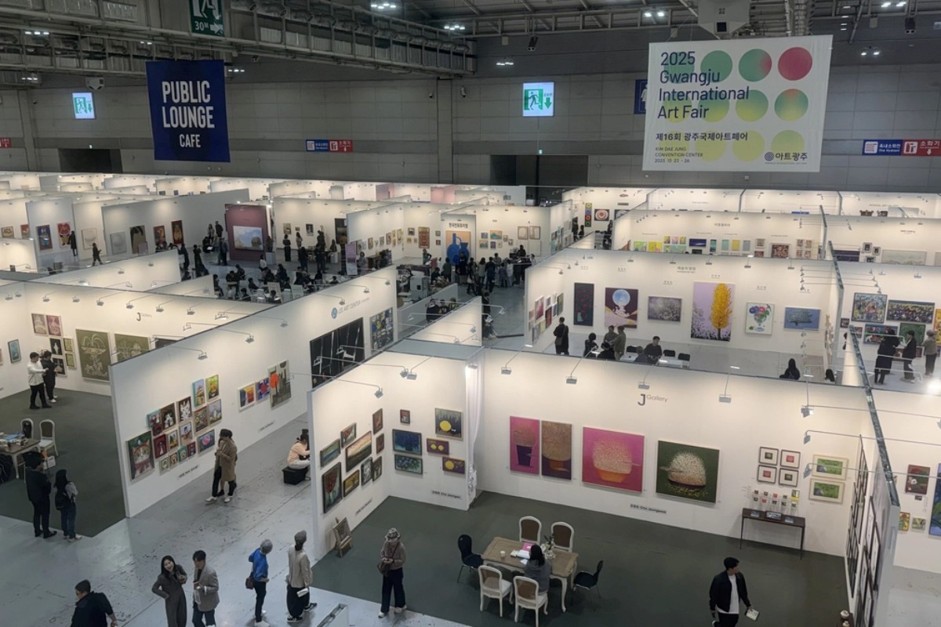
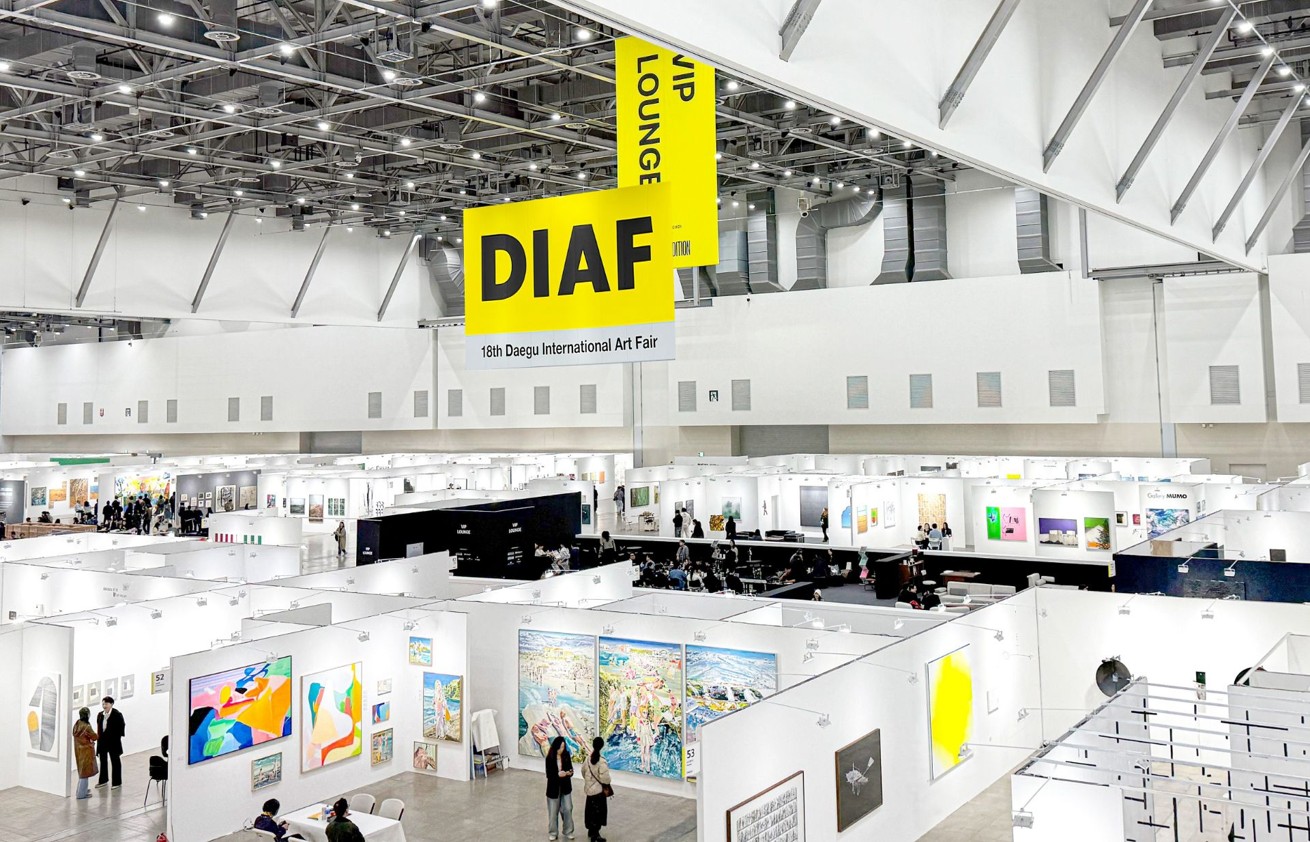
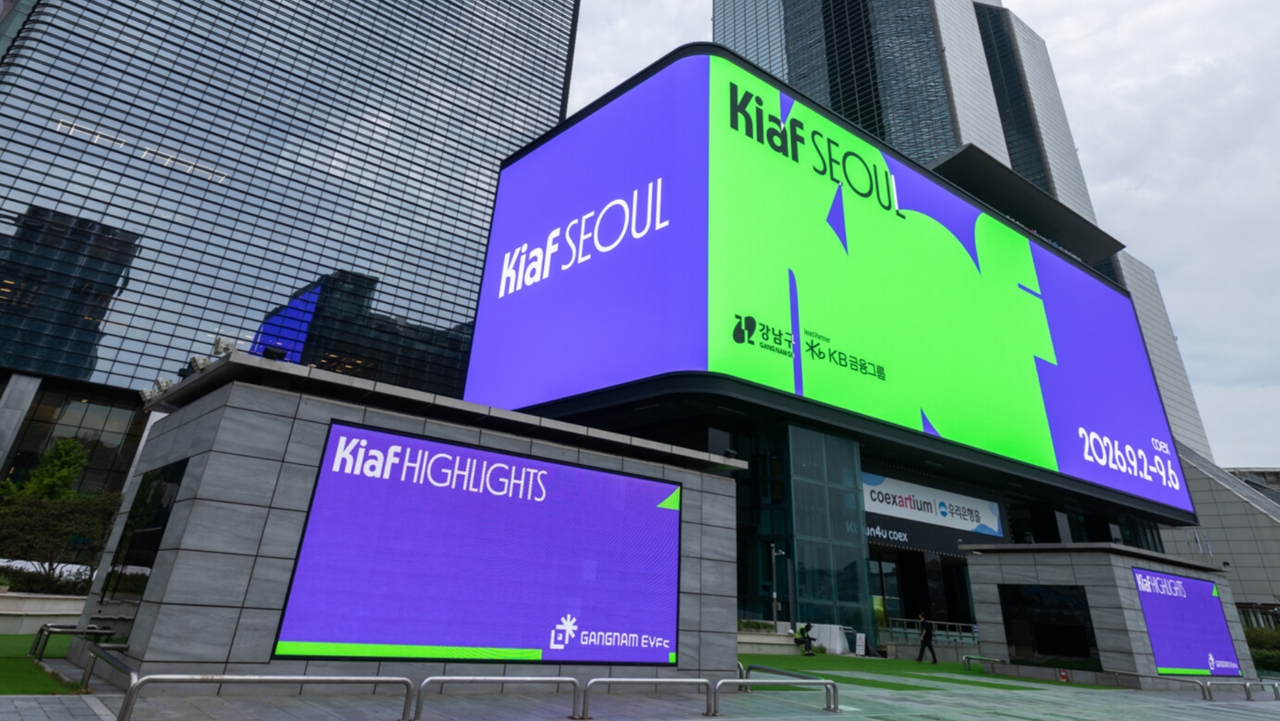
Its timing alongside Kiaf and Frieze Seoul
was also strategically significant. By taking place when galleries, collectors,
and museum professionals from around the world were visiting Seoul, the event
created an opportunity for international audiences to experience Korean art, design,
and craft together.
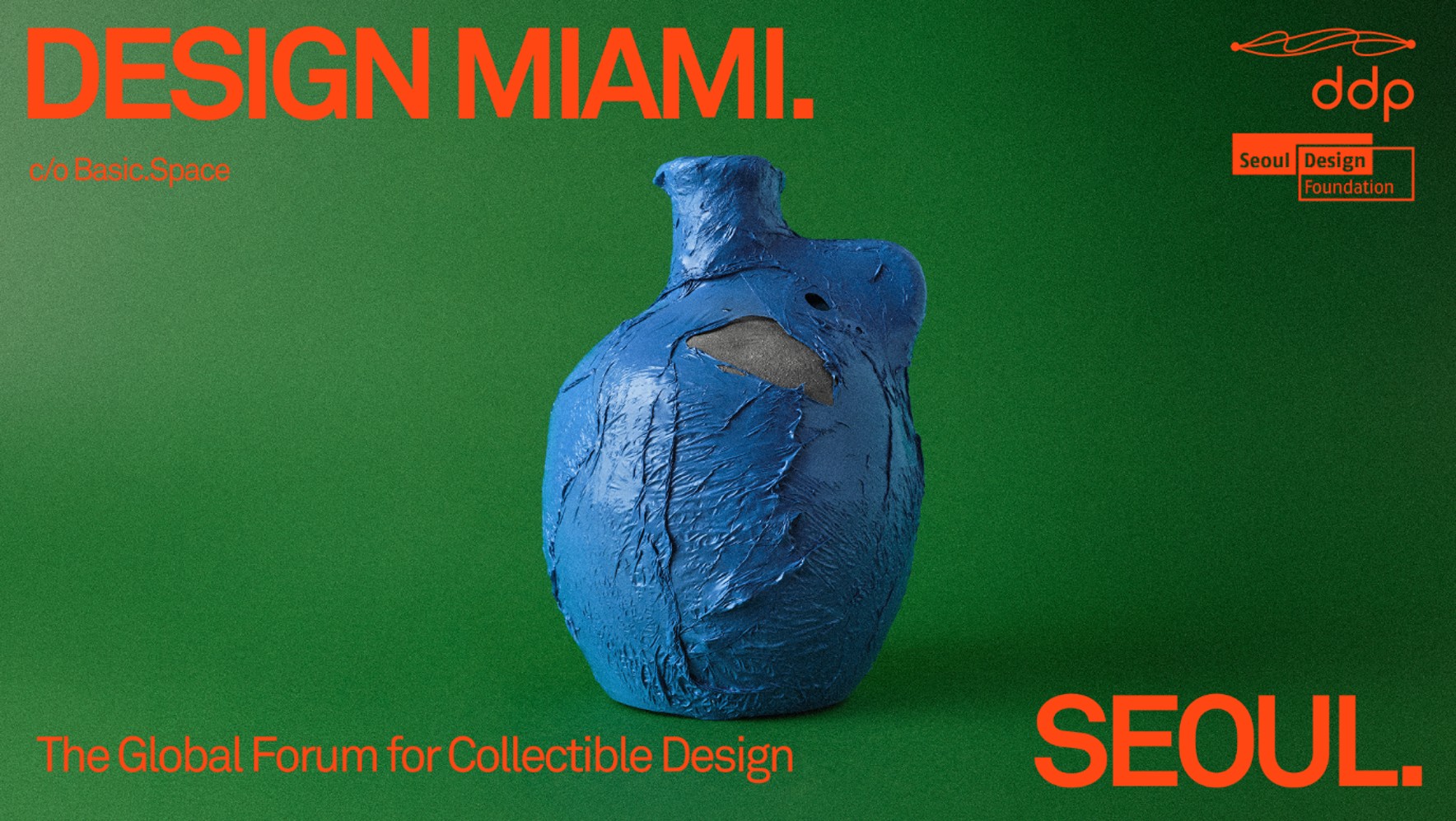
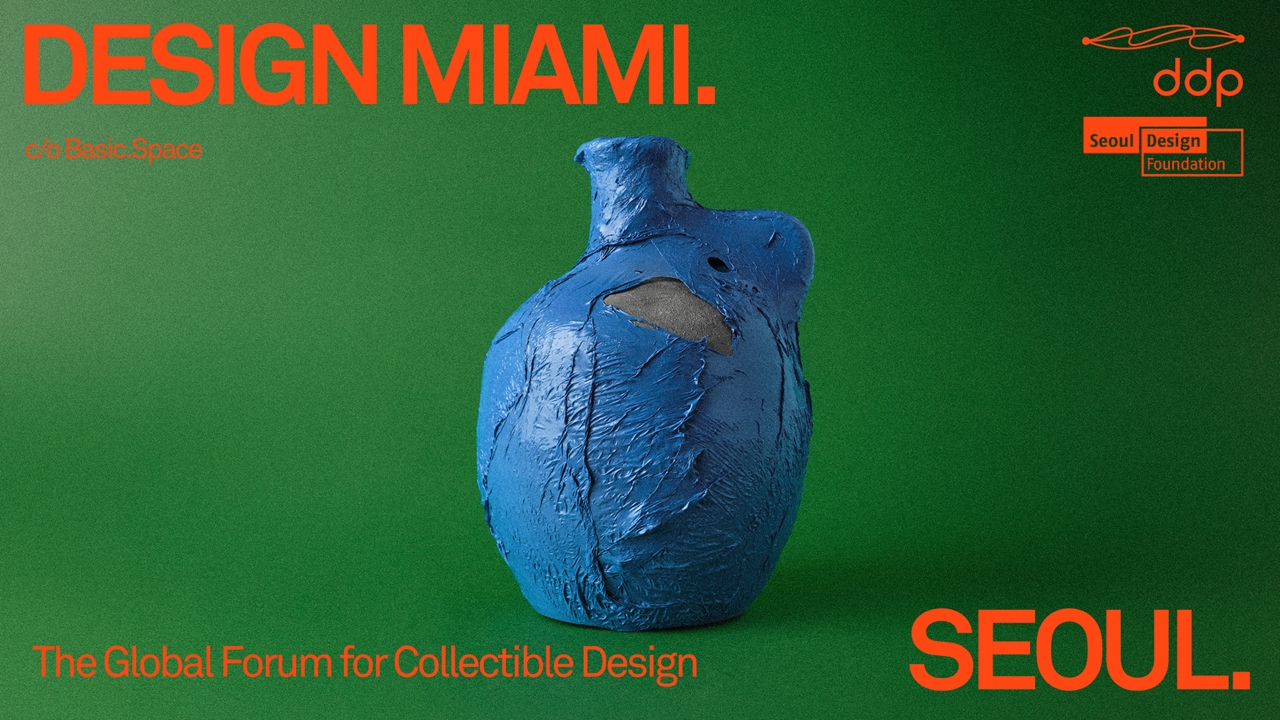
Official poster for Design Miami Seoul 2026 / Image courtesy of the Design Miami website
Expanding into a
Market-Oriented Platform in 2026
The most significant feature of this year’s
Design Miami Seoul is the considerable expansion of its structure.
While last year’s event was a single
curated exhibition introducing Korean design, this year’s edition has developed
into an international collectible design platform bringing together design
galleries, studios, designers, companies, cultural institutions, and collectors
from Korea and abroad.
The Seoul Metropolitan Government and the
Seoul Design Foundation described the 2025 event as an opportunity to present
Korean design to the world. They have positioned the 2026 edition as an
expanded platform where exhibitions, collecting, discourse, and exchange can
take place together.
The event consists of three main exhibition
programs: the Gallery Program, featuring design
galleries and studios from around the world; In Situ,
introducing contemporary design from Korea and selected regions of Asia; and
the Partner Program, presenting collaborations
between companies and designers. These are accompanied by design talks, VIP
tours, an opening reception, and networking programs.
The newly established Gallery Program is a
key element in the event’s shift toward a more market-oriented platform. Last
year’s edition primarily functioned as an exhibition of curated works. This
year, specialist galleries and design studios participate directly, presenting
works and engaging with collectors. The event is therefore moving beyond simply
introducing Korean and Asian design to international audiences and beginning to
develop a market function that connects the presentation of works with collecting
and sales.
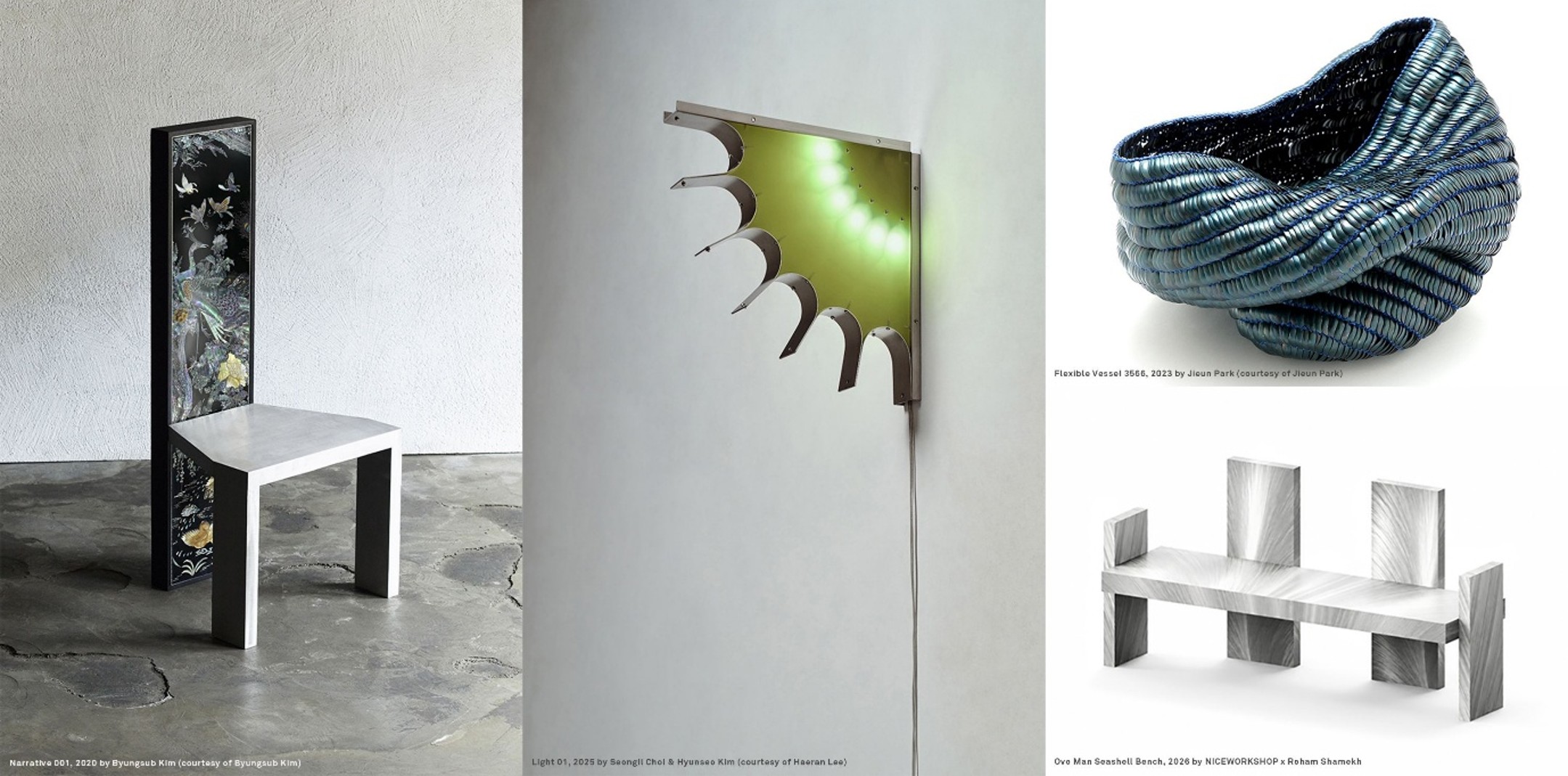
(From left) Byungsub Kim, Narrative 001, 2020 (courtesy of Byungsub Kim); Seongil Choi and Hyunseo Kim, Light 01, 2025 (courtesy of Haeran Lee); Jieun Park, Flexible Vessel 3566, 2023 (courtesy of Jieun Park); NICEWORKSHOP x Roham Shamekh, Ovo Man Seashell Bench, 2026 / Images courtesy of the Design Miami website.
Korean and Asian Design in
Dialogue through “Resonance”
This year’s theme is 《Resonance: Design in Dialogue》. It examines how different times and places, materials and cultures,
traditions and technologies form relationships through design and develop into
new experiences.
While last year’s 《Illuminated》 concentrated on bringing Korean design into view and facilitating
its discovery, this year’s edition expands its focus to the relationships and
exchanges generated through design. Through a wide range of works, it explores
how tradition and modernity, craftsmanship and digital technology, and regional
making cultures and the international market can be interconnected.
Thirty-six designers and studios
participate in In Situ, the thematic exhibition. Moving beyond last year’s
exclusive focus on Korean design, the program also introduces practitioners
from selected Asian regions, including Japan and Taiwan. Through works spanning
lighting, furniture, ceramics, craft, and sculptural design, the exhibition
surveys a number of currents within contemporary Korean and Asian design.
Among the Korean participants, Jungmo Kwon
combines hanji, walnut, brass, and LED technology to reinterpret the
traditional hanok window as contemporary lighting. LEJE applies mother-of-pearl
inlay and natural lacquer to forms produced through 3D printing. By combining
digitally fabricated structures with traditional craft techniques requiring
extensive handwork, the studio brings technology and craftsmanship together
within a single object.
Ilhoon Roh presents lighting works made
with carbon fiber, optical fiber, LED, and aluminum. Hwantae Kim, Byungsub Kim,
Hyun-hee Kim, and Sangwoo Koo reinterpret traditional memories and materials
through the language of contemporary furniture.
Japanese architect and ceramic artist Yuki
Nara presents works combining traditional ceramics with digital design, while
the Taiwanese platform Designsurfing also participates. The exhibition
additionally includes works by five Korean finalists for the 2026 LOEWE
FOUNDATION Craft Prize: Coco Sung, Jieun Park, Jongin Lee, Somyoung Lee, and
Soohyun Cho.
In these works, tradition is not confined
to repeating forms from the past. Materials such as hanji, lacquer,
mother-of-pearl, and ceramics are combined with new production technologies and
reconfigured within contemporary spaces and ways of living. Alongside the
individual achievements of Korean design, this year’s In Situ offers an
opportunity to compare the different ways in which craft traditions across Asia
are being transformed into contemporary design.
The Partner Program:
Collaborations between Companies and Designers
Another defining feature of the 2026
edition is the participation of companies not simply as sponsors, but as
co-producers of exhibitions and projects.
Lead Partner Samsung Electronics presents a
collaborative series pairing works by Korean artists with custom frames created
for the OLED TV S95H. Through the relationships between screen and frame,
digital image and physical object, the project explores how technology and
artistic creation can be integrated into a single visual language.
Furniture brand Alloso presents 《Layers of Resonance》, in which seven design teams reinterpret the sofa through different
materials and production methods.
In 《Remaining
Things》, Teo Yang Studio reconfigures the materials
and spatial sensibilities of the hanok within the contemporary urban
environment of Seoul. DANSK, Ayantu, the LOEWE FOUNDATION, and Range Rover also
participate as partners.
The technologies and production resources
of companies can enable forms of experimentation that designers may find
difficult to pursue within their individual working environments. At the same
time, the balance between corporate technologies and branding on one side and
independent design experimentation on the other will be an important aspect of
the Partner Program to consider.
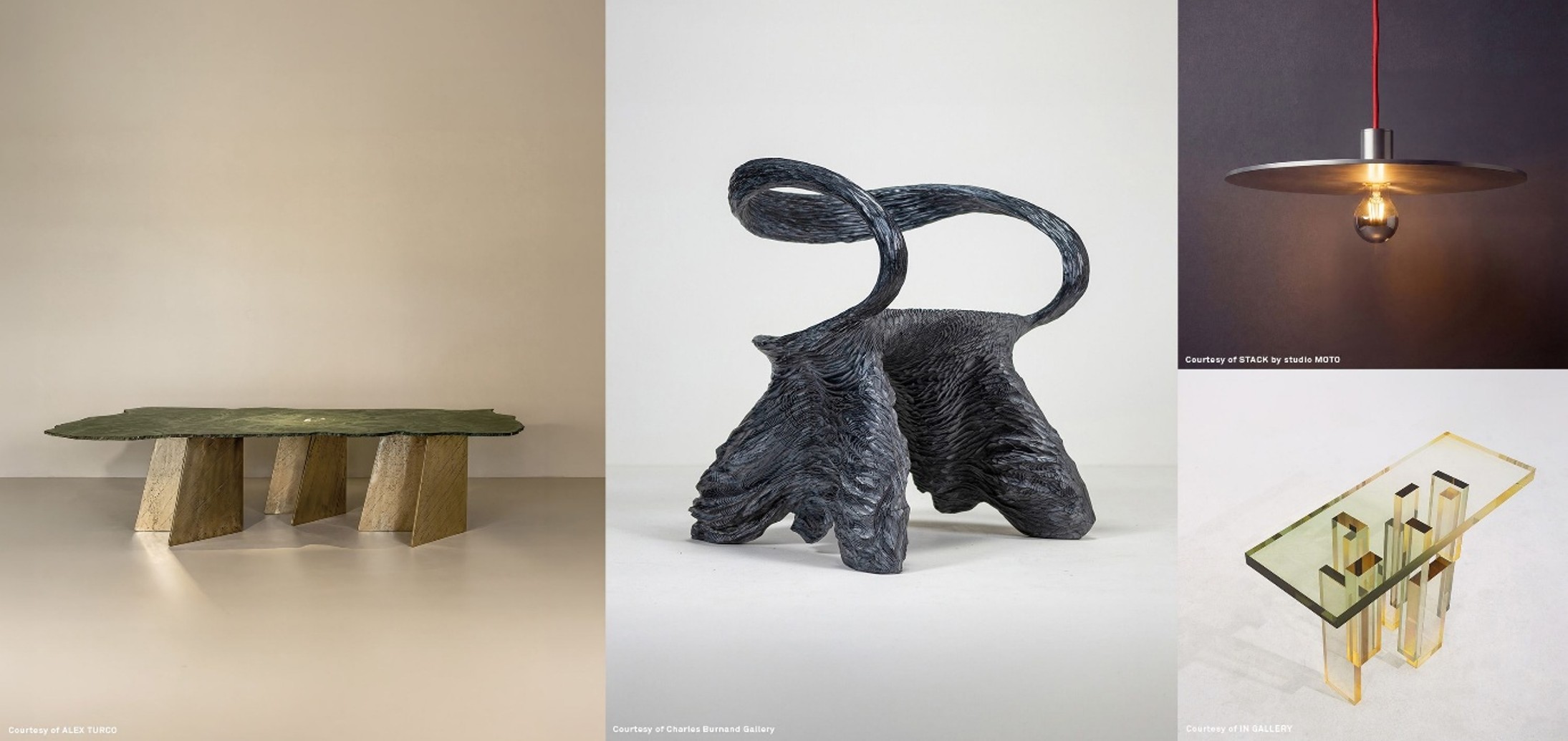
(From left) ALEX TURCO ART GALLERY, Charles Burnand Gallery, IN GALLERY, SIDE GALLERY, STACK, and Vagujhelyi / Images courtesy of the Design Miami website.
Collectible Design Presented by
Six Galleries and Studios
Six Korean and international galleries and
design studios participate in the newly established Gallery Program.
London-based Charles Burnand
Gallery presents 《Material Echoes》, exploring how materials convey memories of time and culture. The
presentation includes works made from a diverse range of materials, including
ceramics, bronze, carved wood, resin, recycled textiles, and crocheted copper
wire.
Featuring artists from Korea, China,
Europe, and the United States, the exhibition includes Jan Waterston’s ‘Primitive
Excavations’ series and other works that reinterpret traditional production
techniques through the language of contemporary design. The final English
titles of individual works should be confirmed against the official captions
accompanying the event’s press images.
New York-based design studio Vagujhelyi
presents the Postura Collection, comprising
sculptural objects and furniture produced in bronze and stainless steel. The
collection exemplifies a defining characteristic of collectible design: its
position between functional furniture and autonomous sculpture.
Other participants include ALEX TURCO ART
GALLERY, Barcelona-based SIDE GALLERY, Ghent-based STACK by studio MOTO, and
Seoul’s IN GALLERY. Each presents furniture, lighting, sculptural objects, and
material-led practices from a distinct perspective.
Although the number of participants remains
modest, the direct presence of international design galleries and studios
presenting works and meeting collectors in Seoul creates a clear distinction
from last year’s edition.
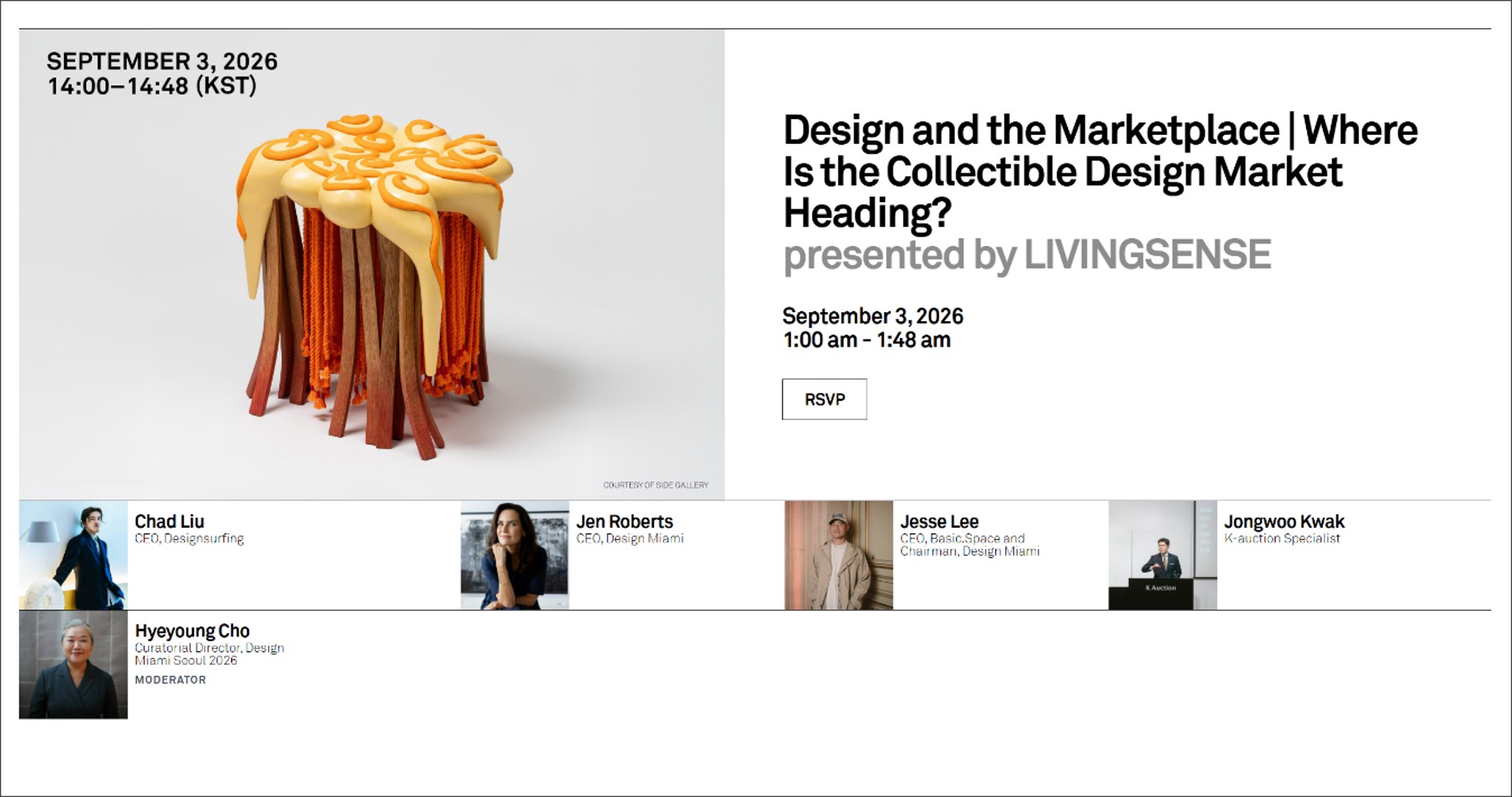
“Design Miami Talks Seoul.” / Image courtesy of the Design Miami website
Discussing the Current State of
the Collectible Design Market
Alongside the exhibitions, “Design Miami
Talks Seoul,” addressing the market and future of collectible design, will take
place at the DDP Design Hall on September 3.
The first session, “Where Is
the Collectible Design Market Heading?”, brings together Chad
Liu, CEO of Designsurfing; Jen Roberts, CEO of Design Miami; Jesse Lee,
Chairman of Design Miami; and Jongwoo Kwak, a specialist at K Auction.
Moderated by Hyeyoung Cho, Curatorial Director of Design Miami Seoul, the
session will examine changes in the global market and the potential of
collectible design in Asia.
The sessions that follow will explore how
creativity produces new experiences, design in the digital age, and changes in
technology and production environments. By bringing together designers,
gallerists, companies, and collectors, the talks extend the event beyond the
display of works to address the production, distribution, collection, and
valuation of design.
VIP tours, an opening reception, and
networking programs will also be held. These programs are intended to create
tangible opportunities for Korean designers to build relationships with
international galleries, institutions, and collectors.
New Possibilities for
Collecting in Seoul
Design Miami Seoul 2026 moves one step
beyond last year’s inaugural edition, which focused on introducing Korean
design. It establishes a Gallery Program, expands the geographical scope of In
Situ to selected parts of Asia, and brings corporate collaborations, market
discourse, and international exchange together within a single event.
It would be premature to conclude, after
only its second edition, that Seoul has become a center for collectible design
in Asia. With just six participating galleries and studios, this year’s event
is better understood as an early-stage test of the market potential for
collectible design in Seoul than as a fully established marketplace.
What matters is whether the event leads to
actual sales, attracts new collectors, and generates sustained exchanges with
international galleries and institutions. Beyond the event itself, Seoul will
need to cultivate specialist galleries and a collector base capable of
continuously discovering and researching designers while professionally
managing production histories, editions, prices, and provenance.
Nevertheless, the expansion of an event
that began last year as an exhibition of Korean design into a platform
connecting collecting and sales with discourse and exchange represents a
significant development.
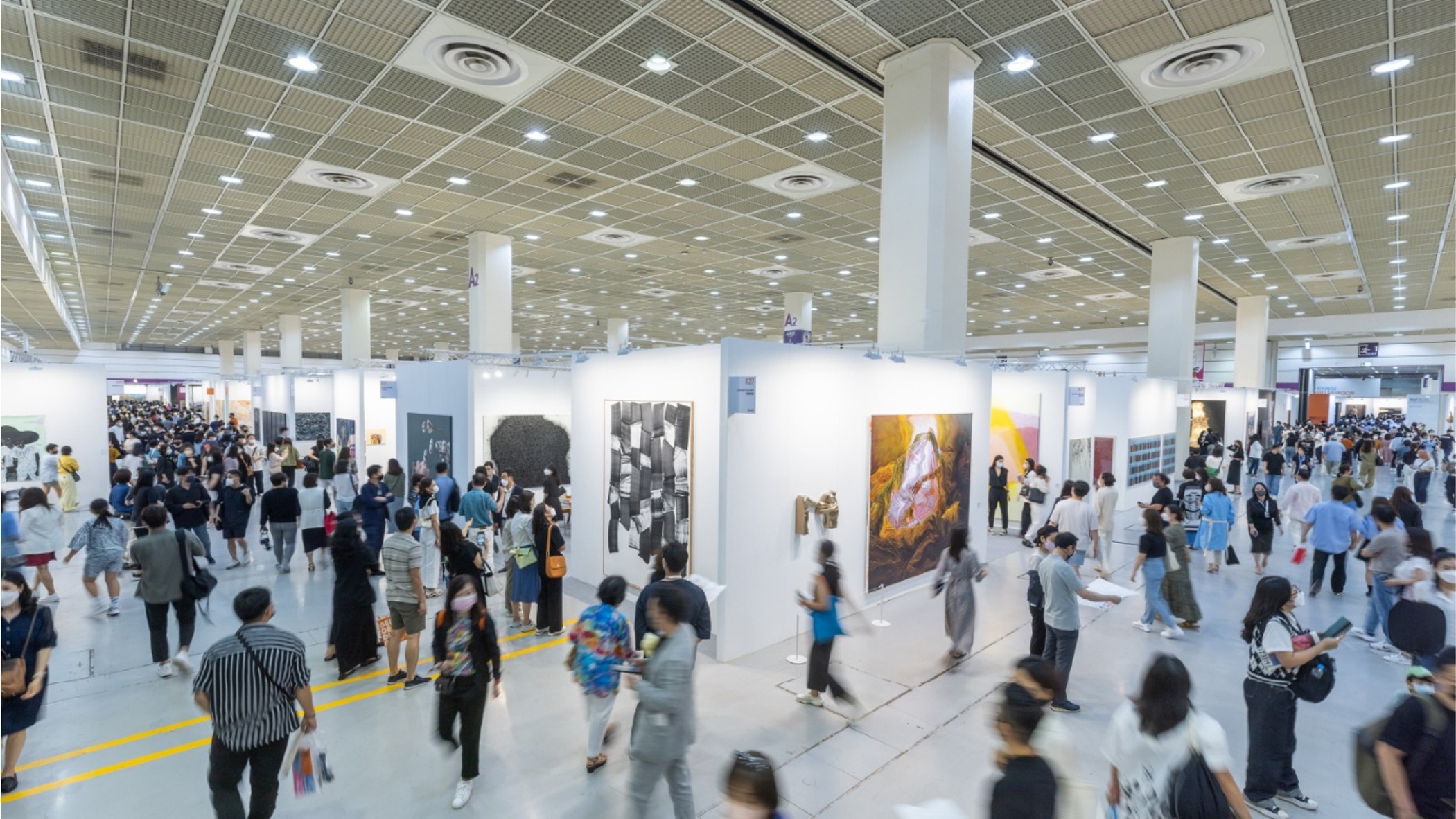
During the same week as Kiaf and Frieze
Seoul, another field of design will unfold at DDP through furniture and
lighting, ceramics and craft, technology and material. Design Miami Seoul 2026
will offer an opportunity to examine how contemporary Korean and Asian design
can establish meaningful connections with the international collectible design
market.
Design Miami Seoul 2026
VIP Preview: August 31, 2026
Public Days: September 1–6, 2026
Venue: Design Lab, 1F, DDP
Theme: 《Resonance:
Design in Dialogue》
Main Programs: Gallery Program, In Situ,
Partner Program, Design Miami Talks, and VIP Programs
Website: Design Miami Seoul 2026 —
Official Fair Page