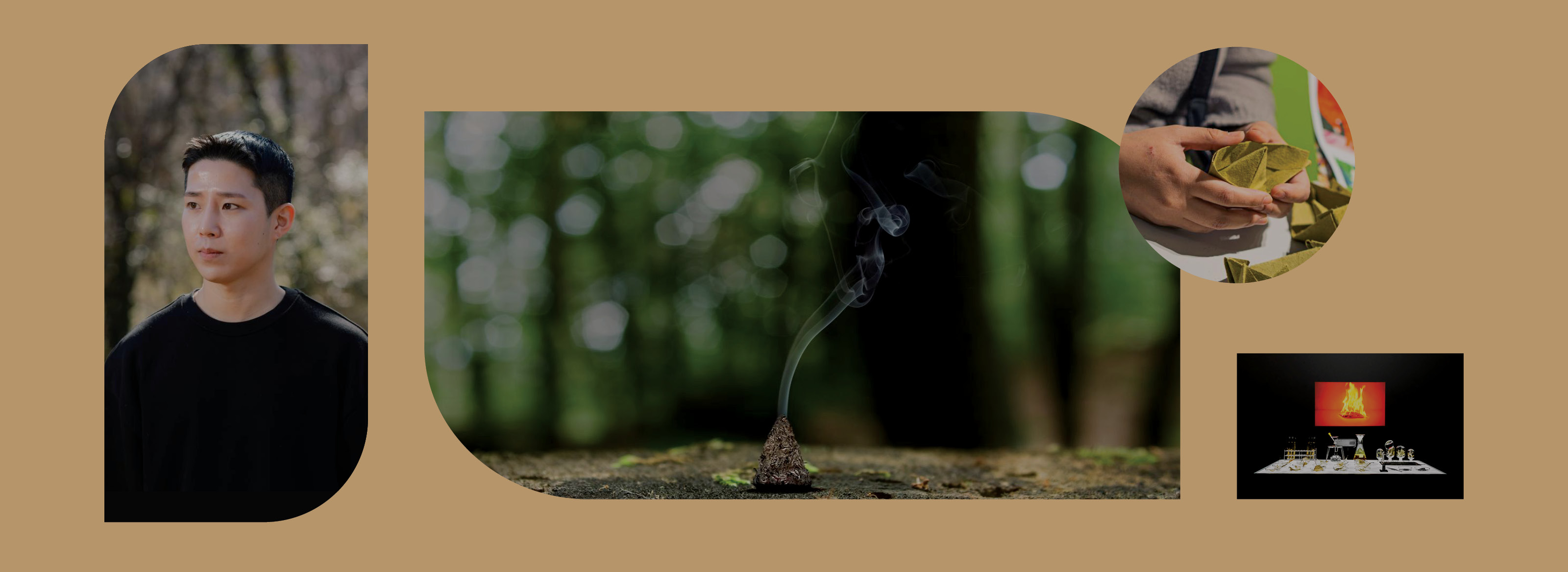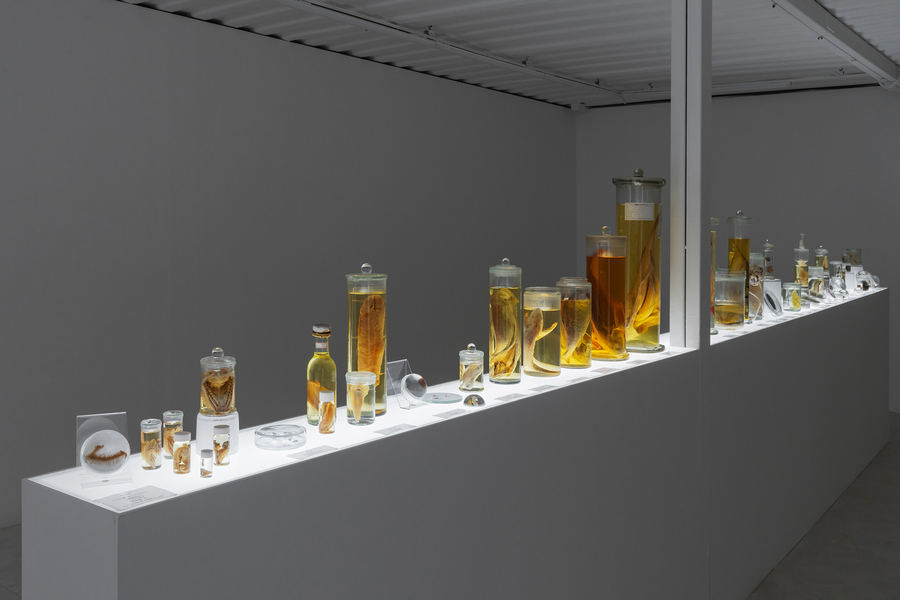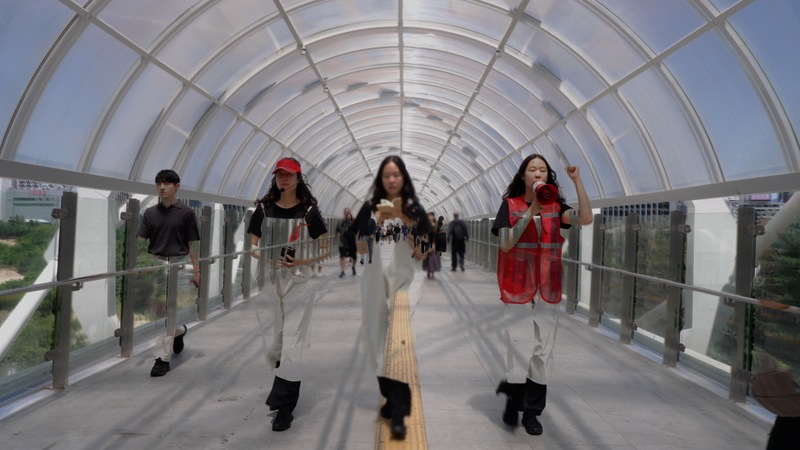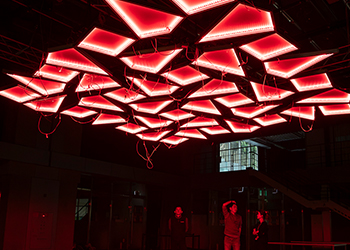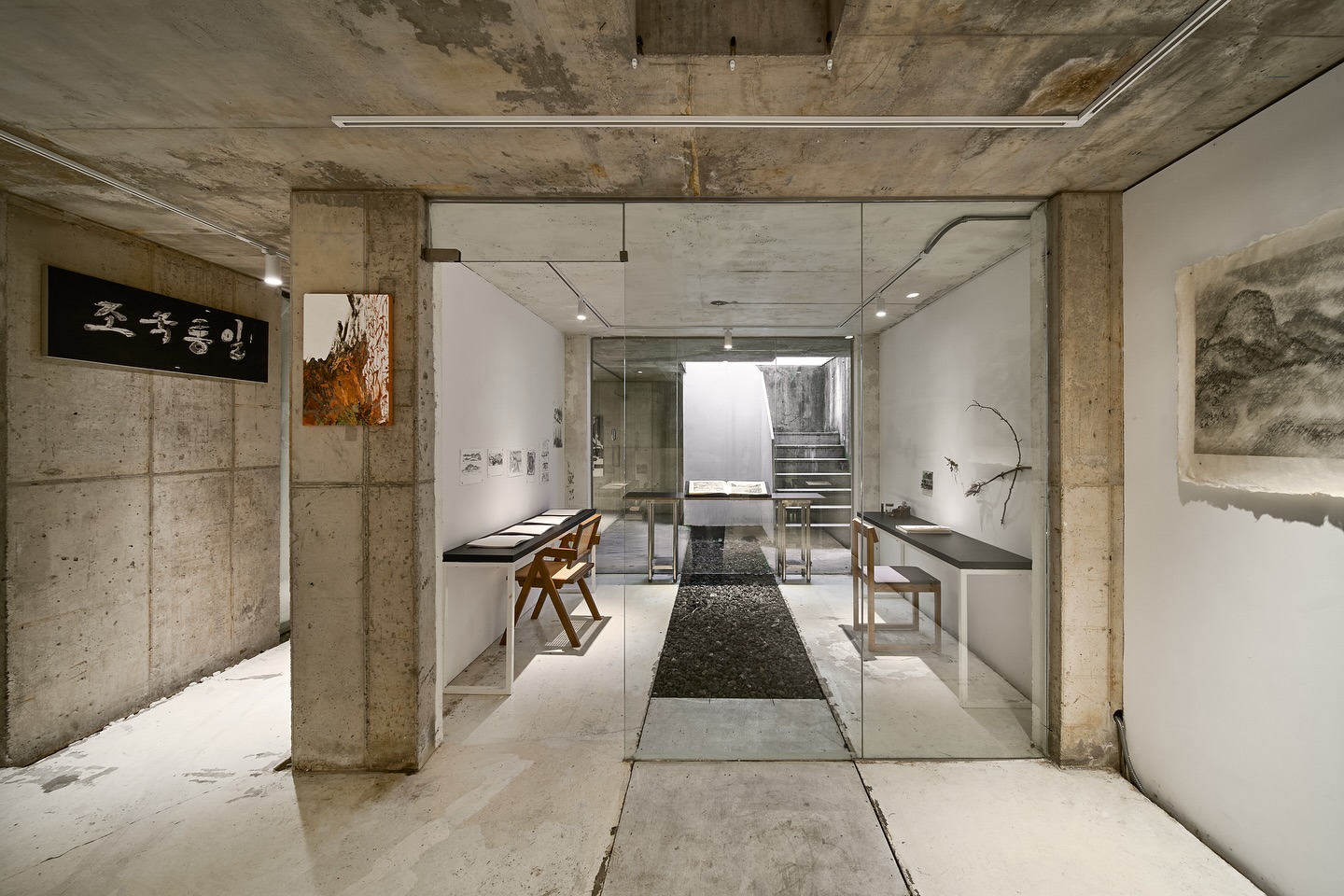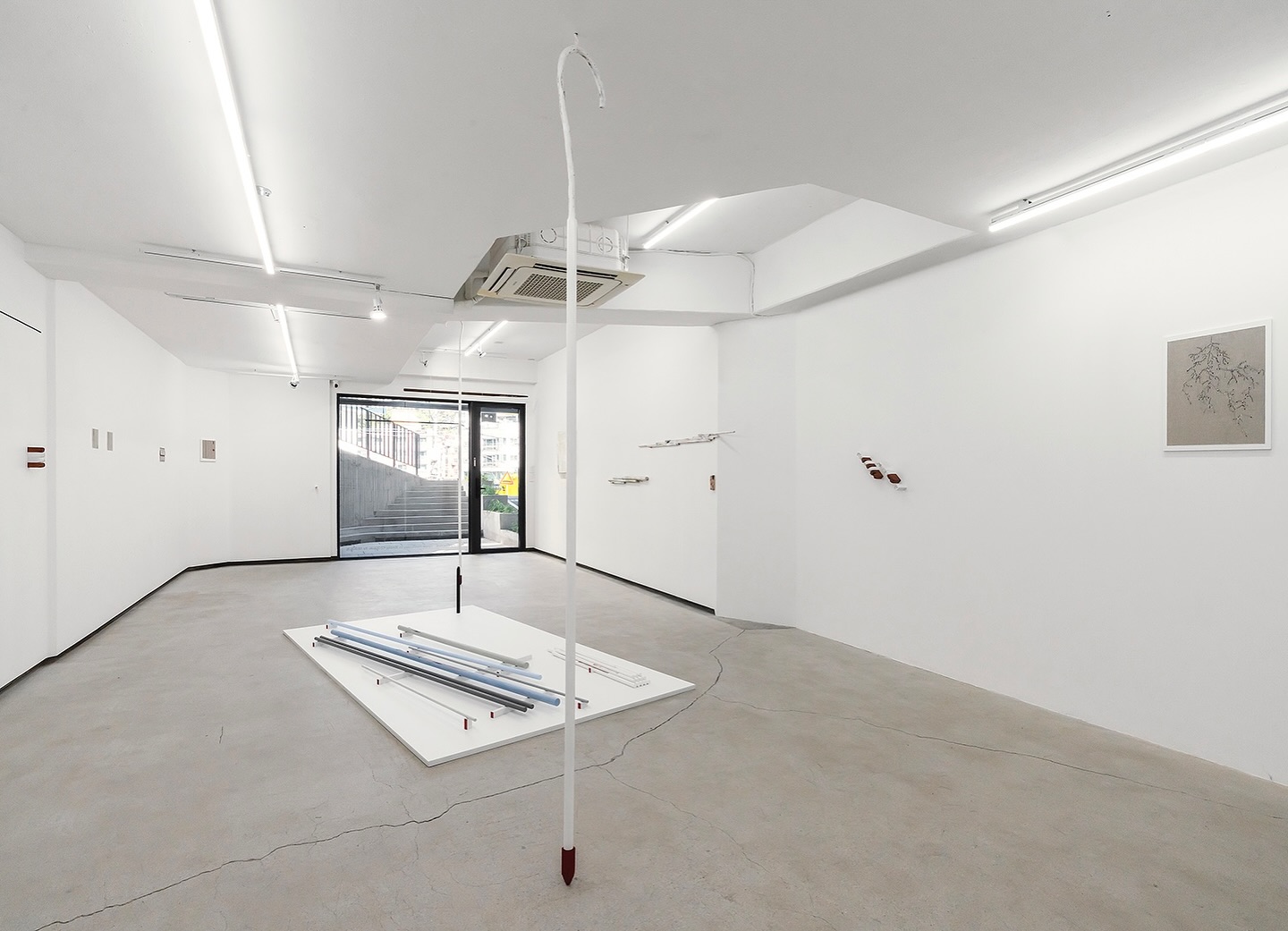
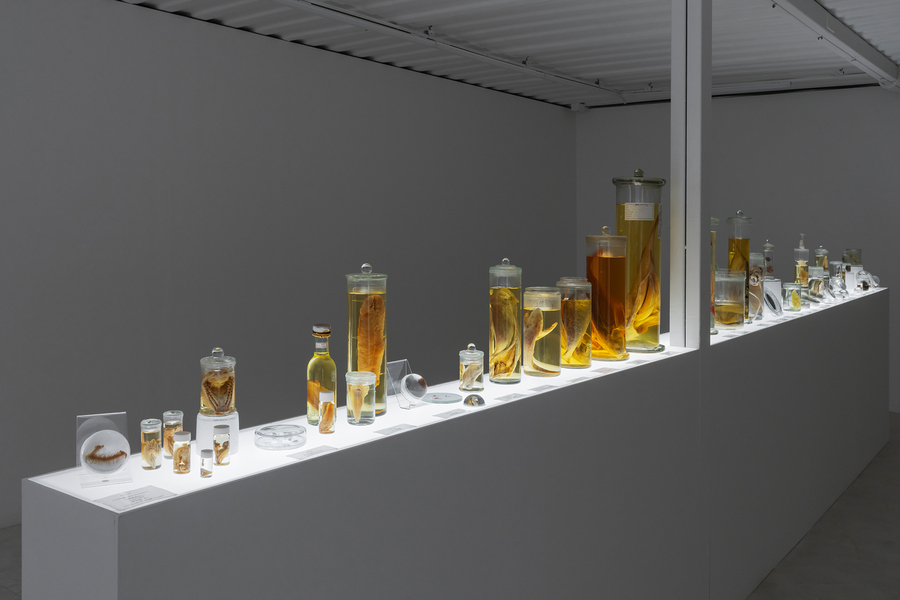
 Installation view of 《Annotations 주 注》 ©PS CENTER
PS
CENTER presents a solo exhibition 《Annotations 주
注》 by artist Lee Soyo, on view through November 7.
Lee
Soyo’s background is distinctive: she trained in psychology and went on to
study both art and the natural sciences. Working within the methods of
scholarly research, she fuses artistic and scientific knowledge to forge a
singular artistic practice. This formation likely led her to adopt biological
specimens—materials of the natural sciences—as central subjects.
Specimens
that retain traces of life while no longer living capture the artist’s
aesthetic attention and likewise provide a frame for probing issues such as the
‘objectivity of scientific knowledge’ and the ‘identity of nonhuman beings.’
Appearing
as if the laboratory has been moved into the gallery, Lee’s works arrange
preserved specimens together with explanatory texts and photographs in a
measured, deliberate manner, guiding viewers through a maze of knowledge and
interpretation. Yet her practice does not merely visualize scientific
knowledge. Narratives that traverse the boundaries of life, knowledge, and art
dismantle fixed systems of meaning and pose questions about how we understand
the world.
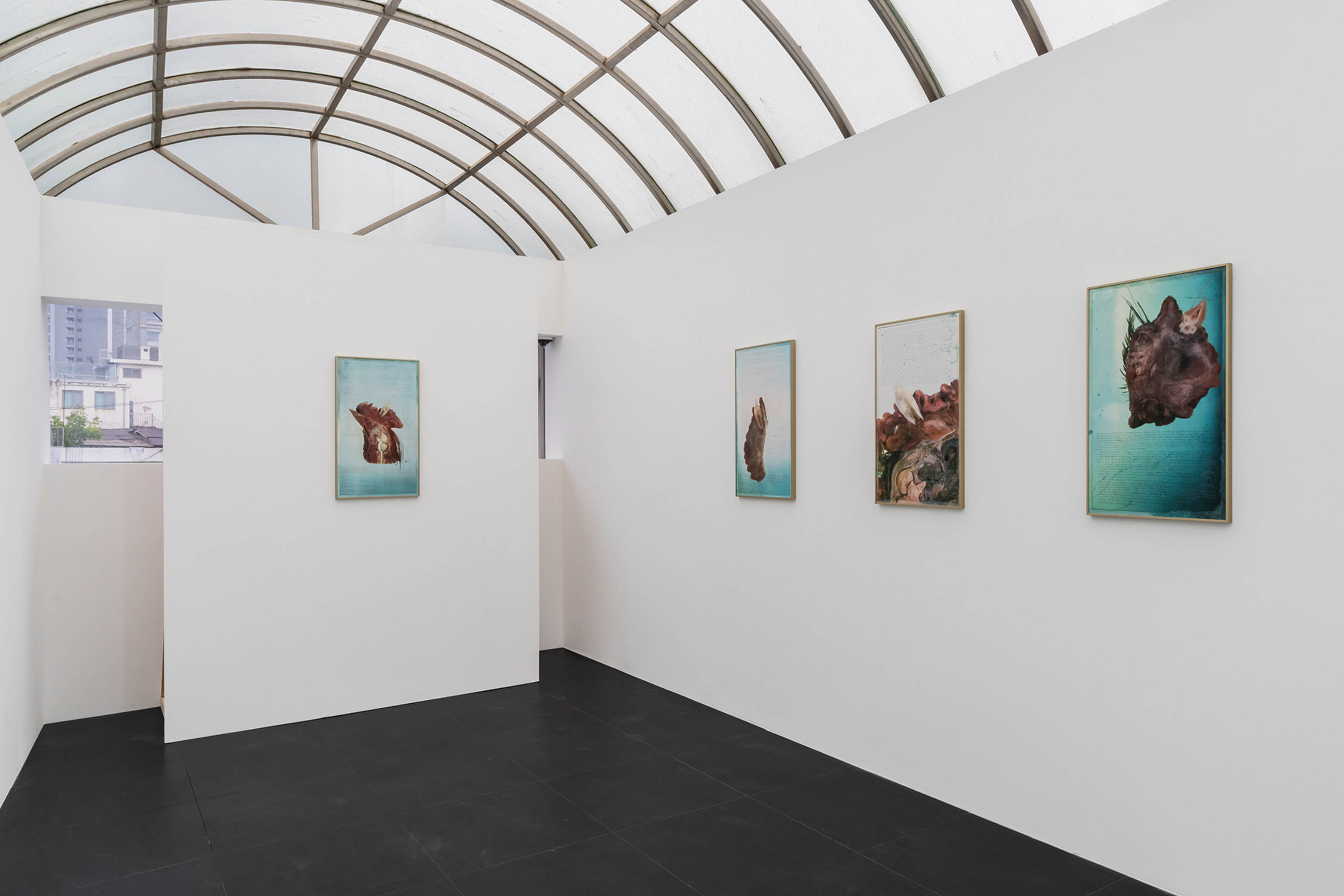 Installation view of 《Annotations 주 注》 ©PS CENTER
《Annotations
주 注》 record the artist’s research-driven journey into
the production and circulation of biological knowledge as revealed in
historical materials. Annotation—typically a device that extends meaning and
opens new interpretive possibilities, most often in textual form—here becomes
an artistic stance.
The
exhibition comprises three works created in the mode of visual ‘annotation,’
each derived from analysis of biological materials produced in 18th–19th‑century Britain, the United States, and Korea. While each piece
addresses the essence and properties of the ‘specimen’ in different ways,
together they experiment with what kinds of ‘annotations’ an artist can
produce.
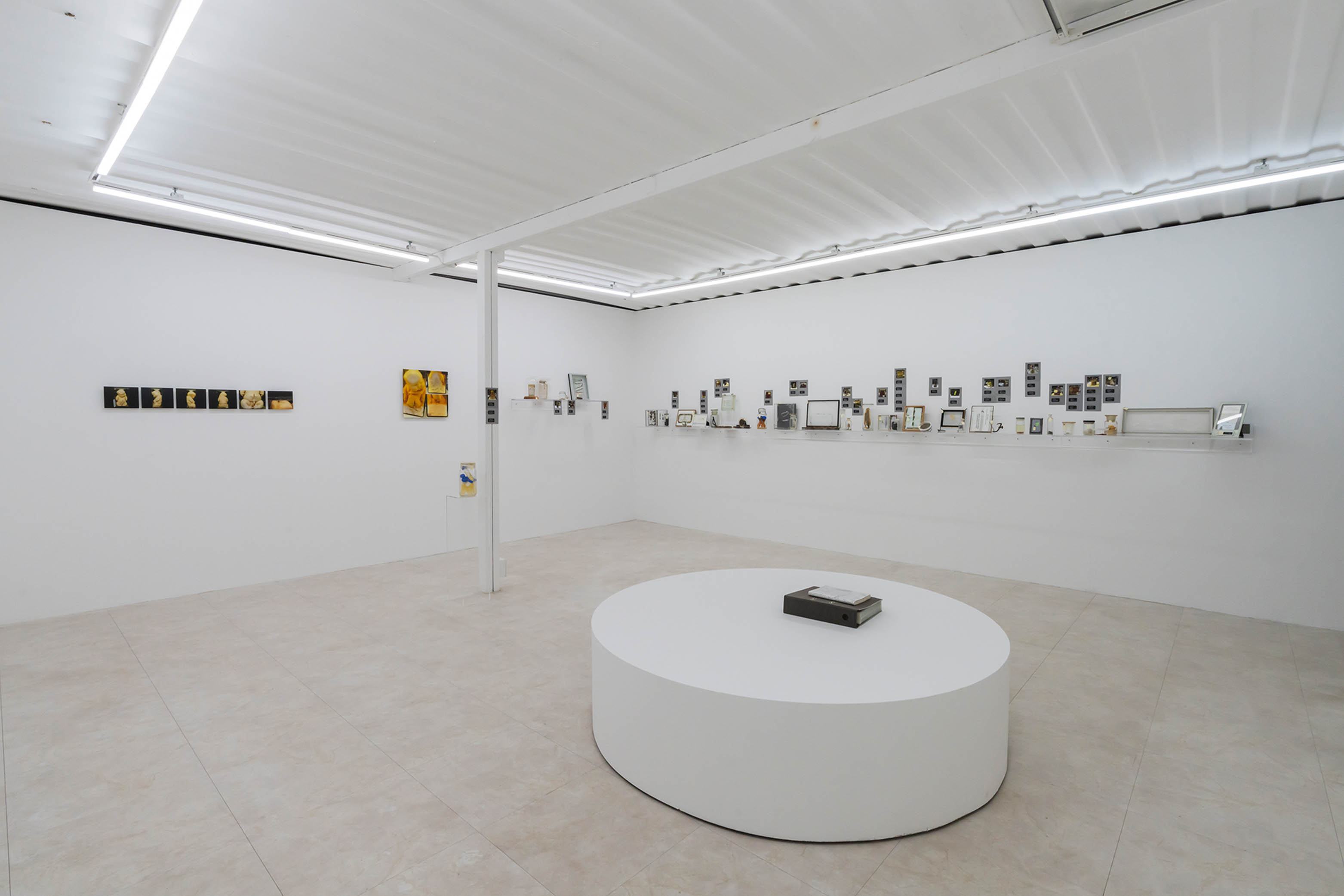 Installation view of 《Annotations 주 注》 ©PS CENTER
《Annotations
주 注》 is an experimental space that probes the
boundaries between scholarship and art, past and present, human and nonhuman.
The character “注” in the exhibition title contains the
water radical, evoking senses such as ‘to pour or apply water.’ This semantic
nuance aligns naturally with the wet specimens and marine subjects of the ‘Jasan-eo-bo’
series and conjures the essential, flowing force of water that accompanies any
account of life.
Water,
which places diverse species and humans on a common plane and invites a supple
perspective, resonates with the artist’s approach: gently overturning
established boundaries and fixed viewpoints to forge new relations and
meanings. More than a visual experience, this exhibition offers an intellectual
journey that prompts reflection on how we know the world and reconsiders the
role and possibilities of contemporary art.