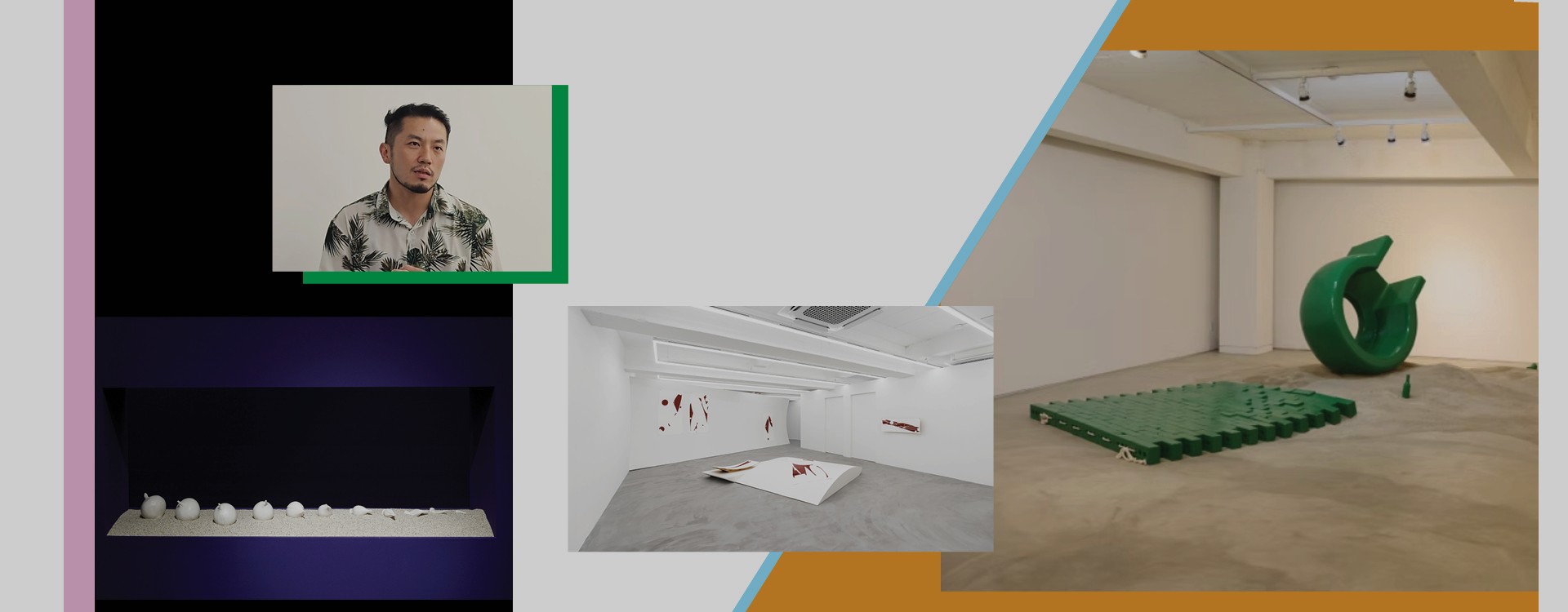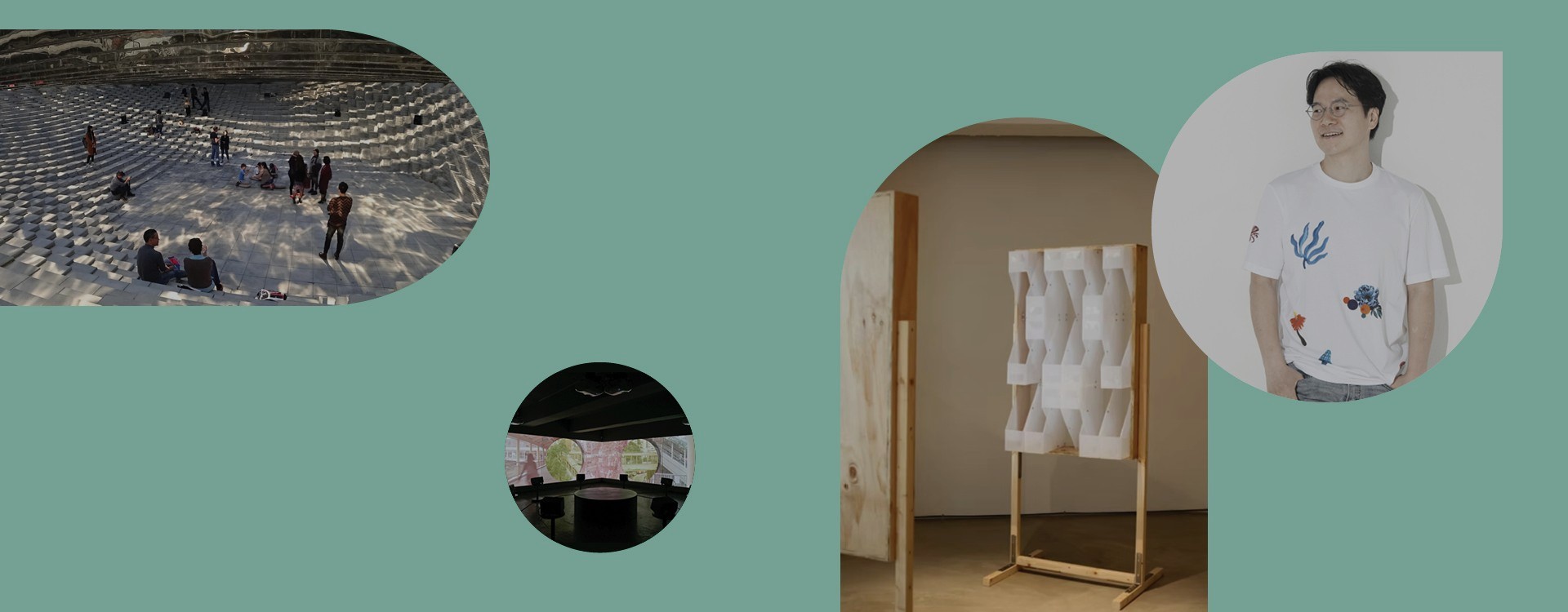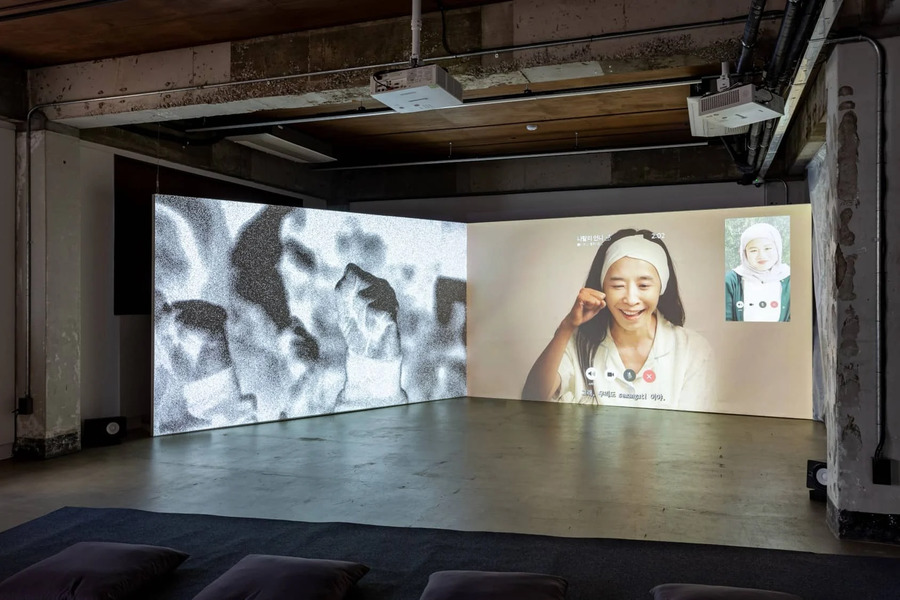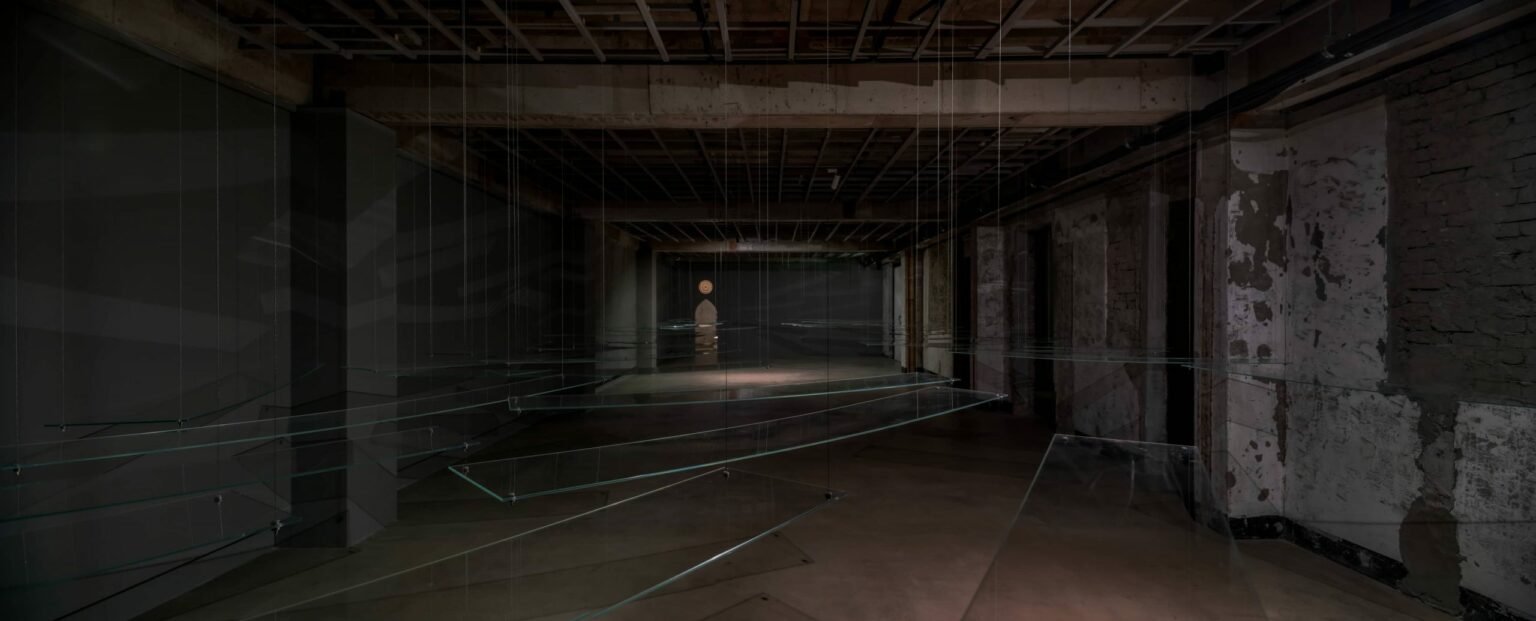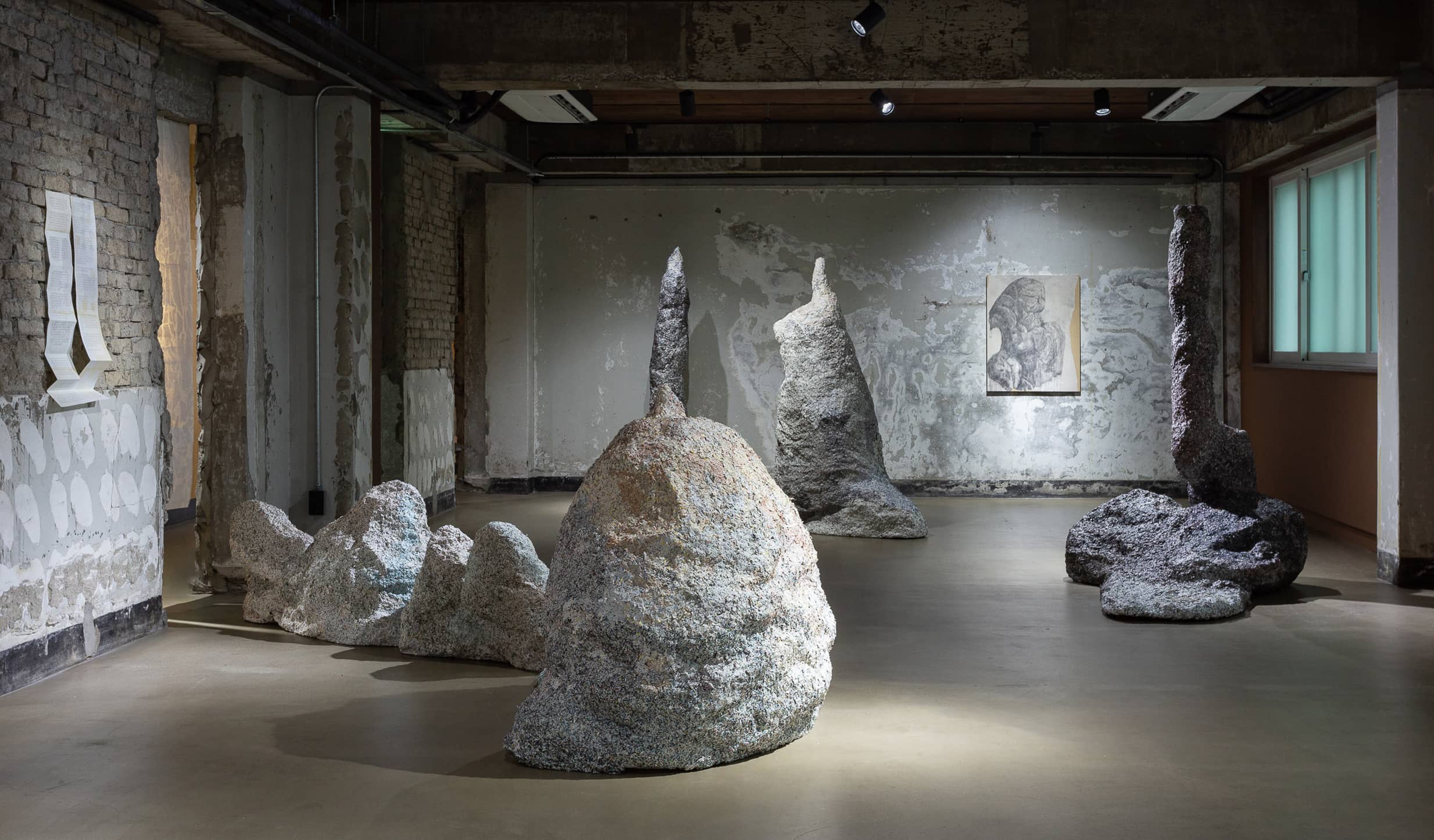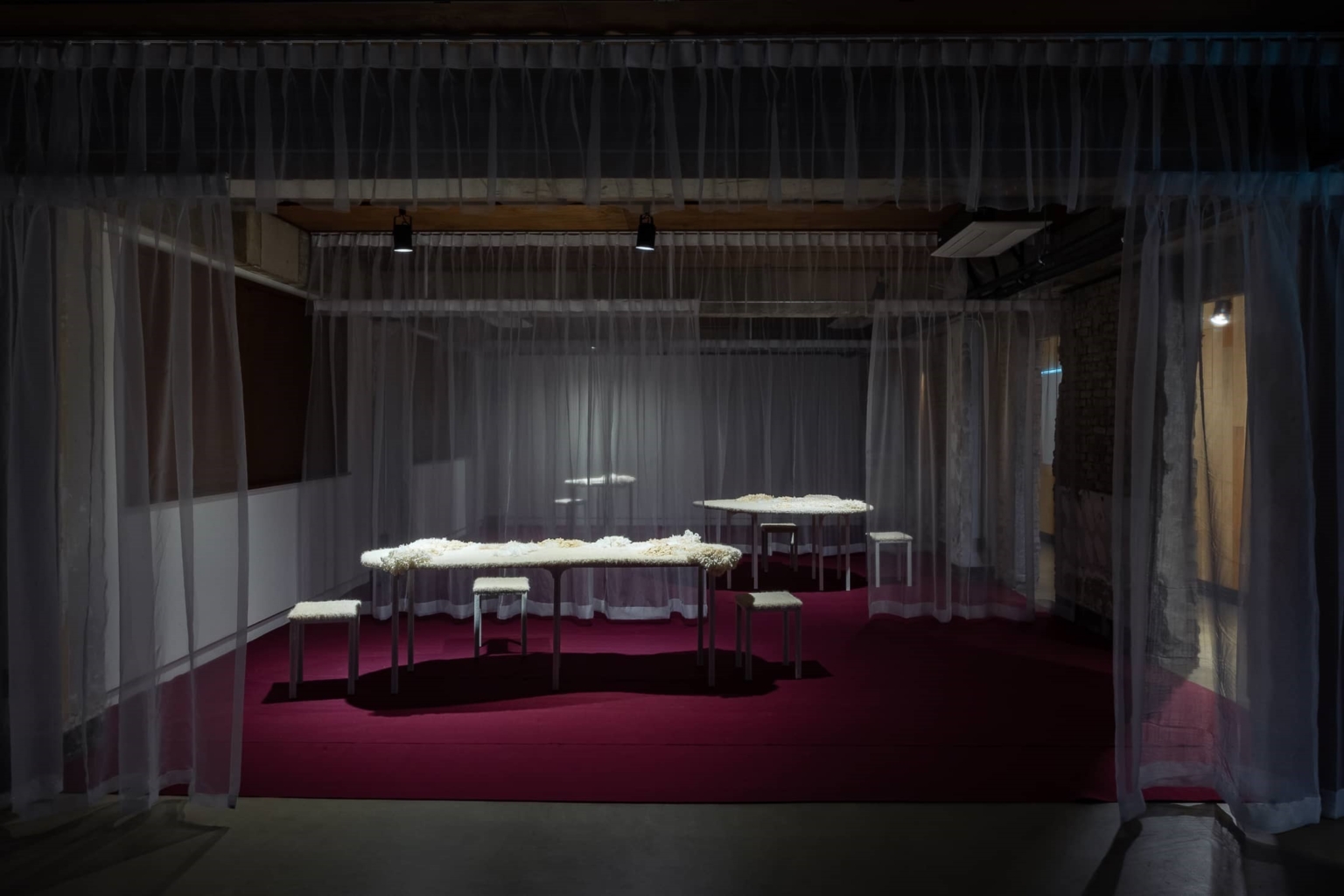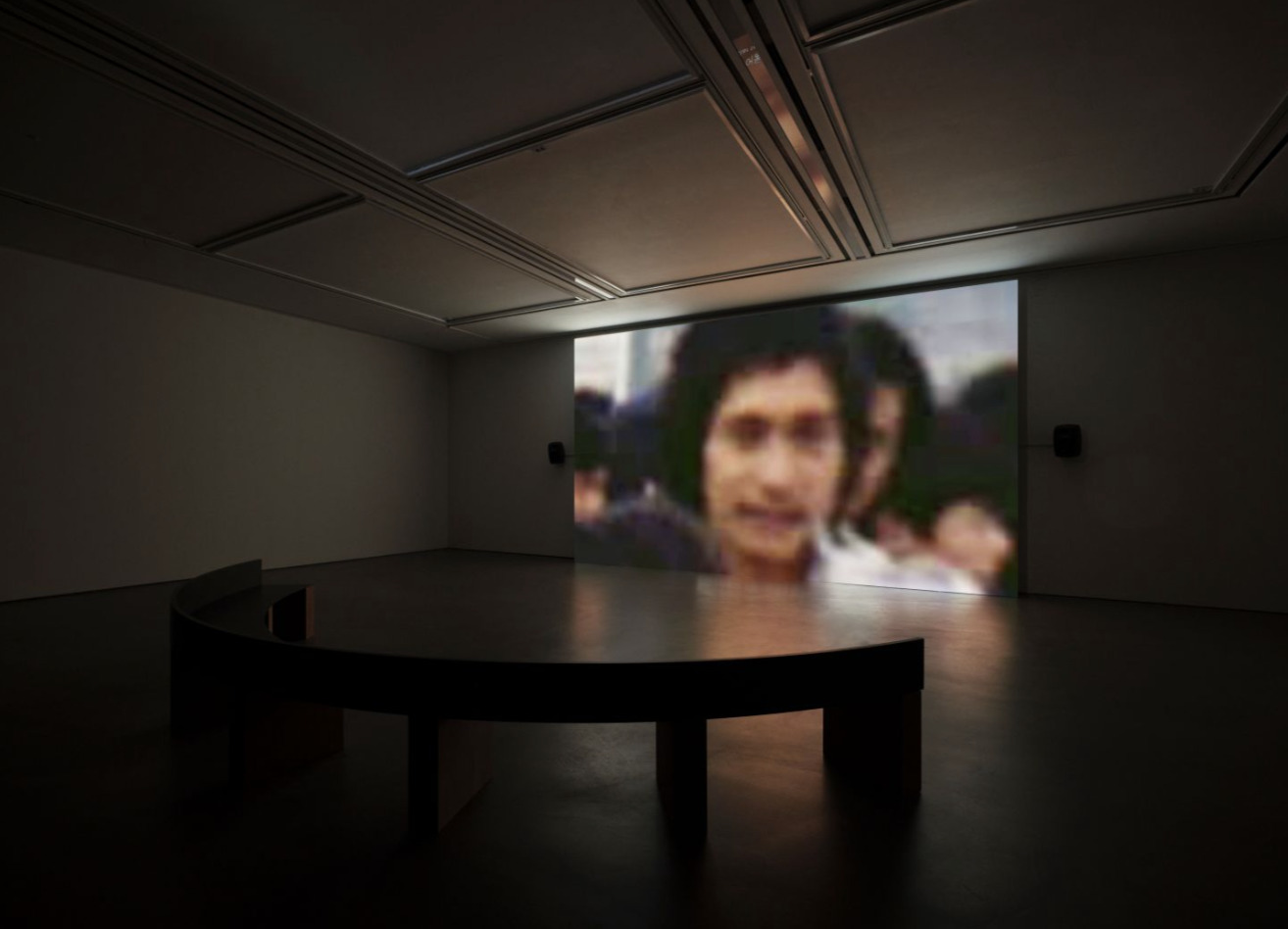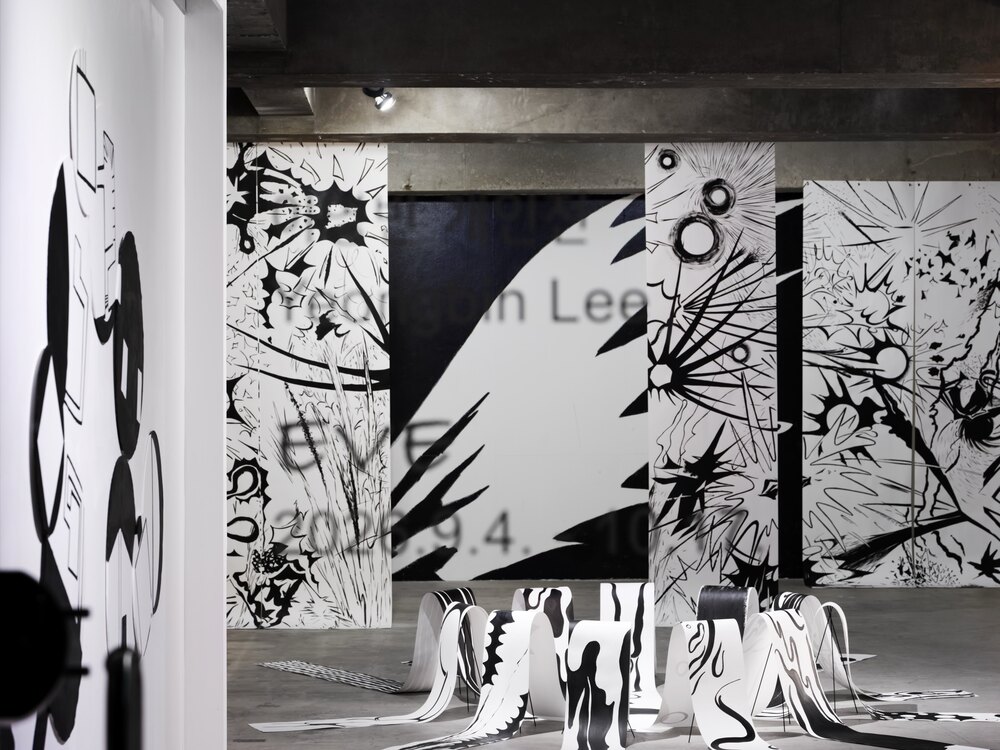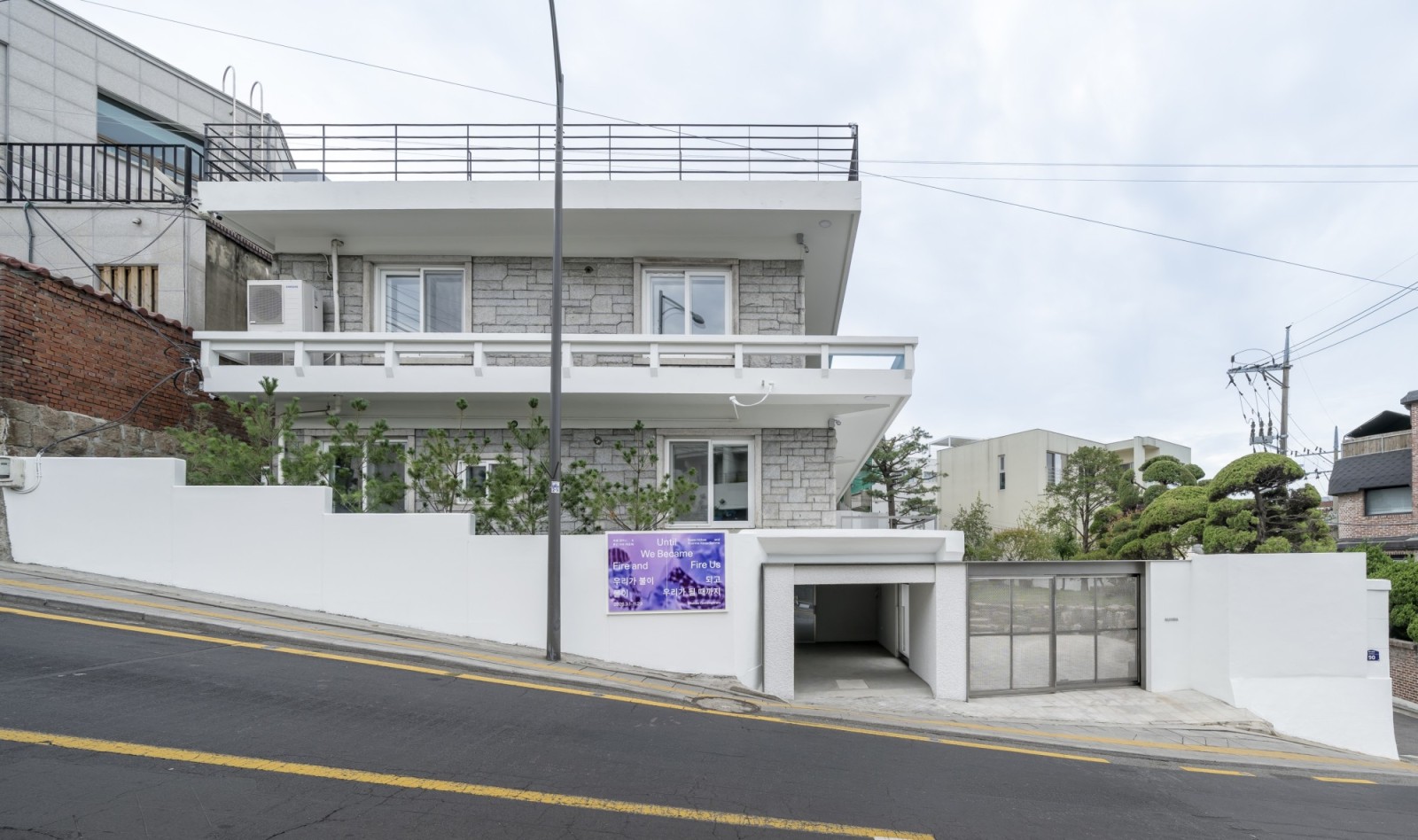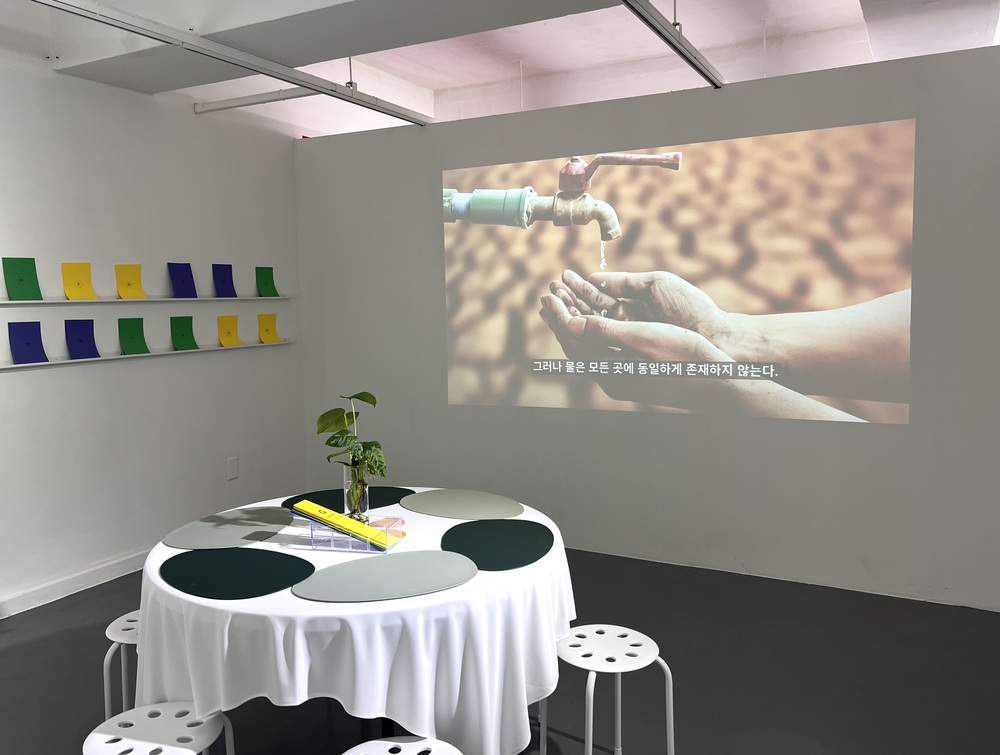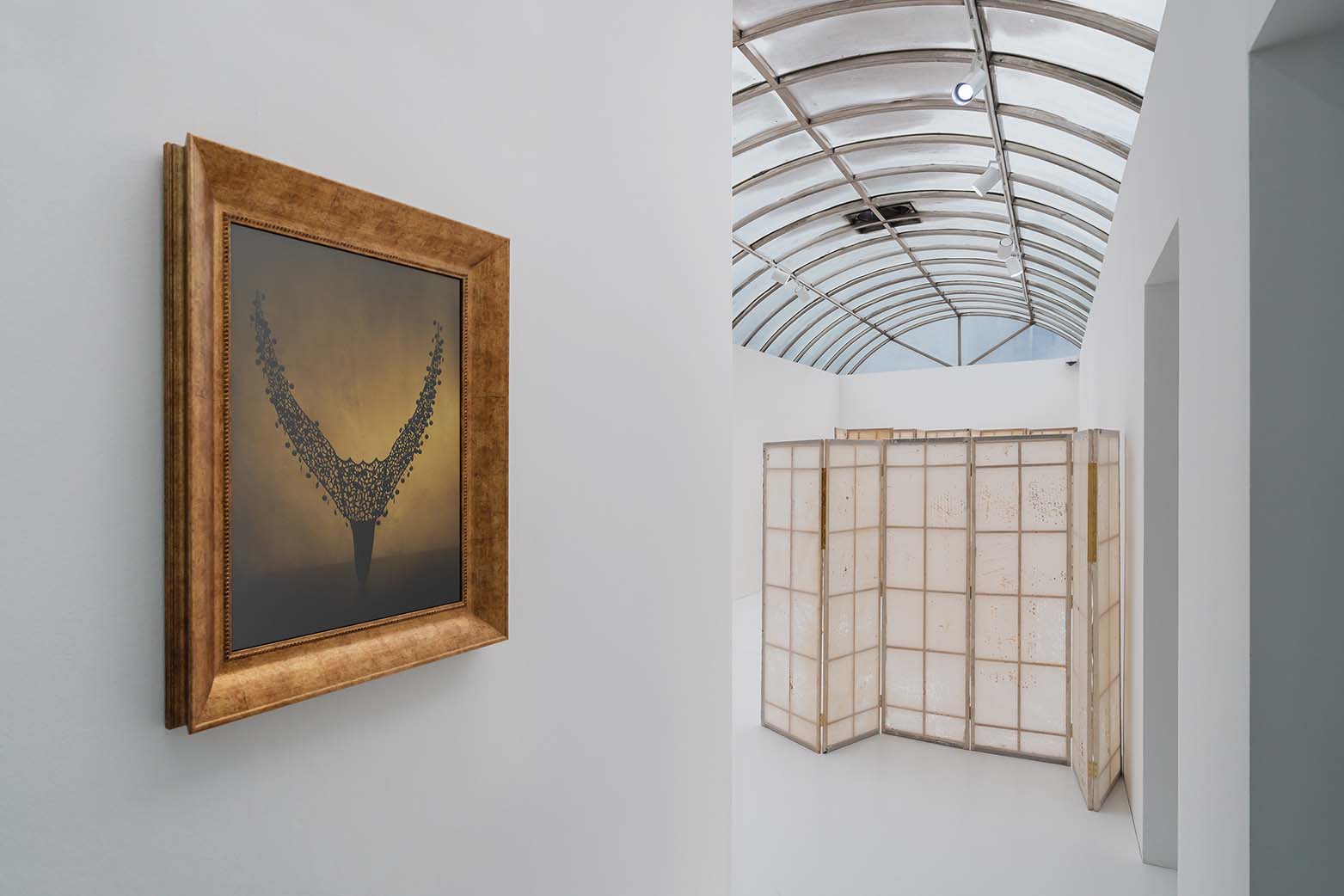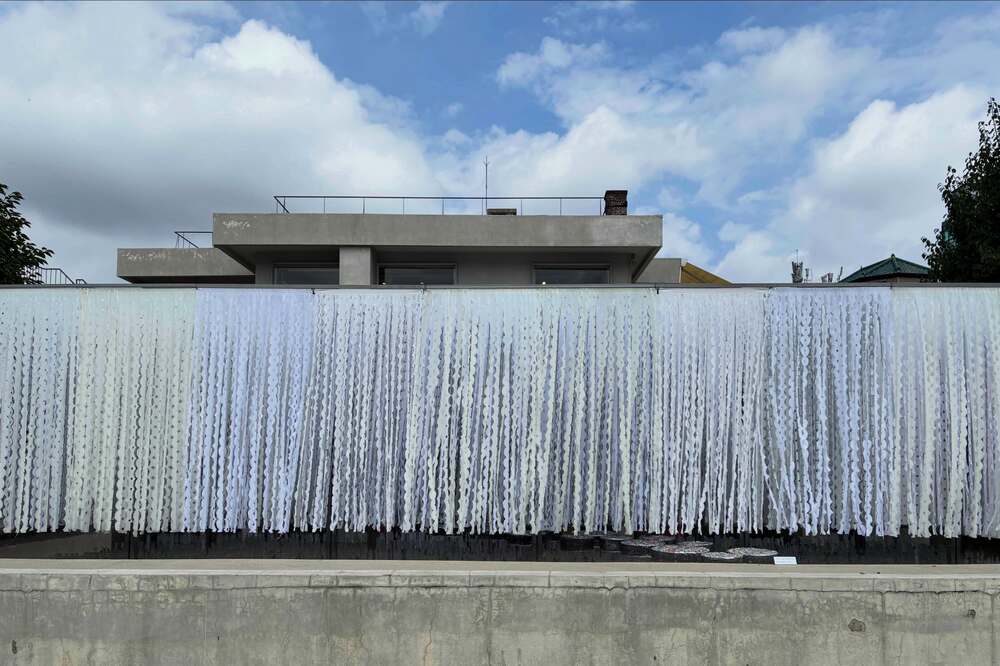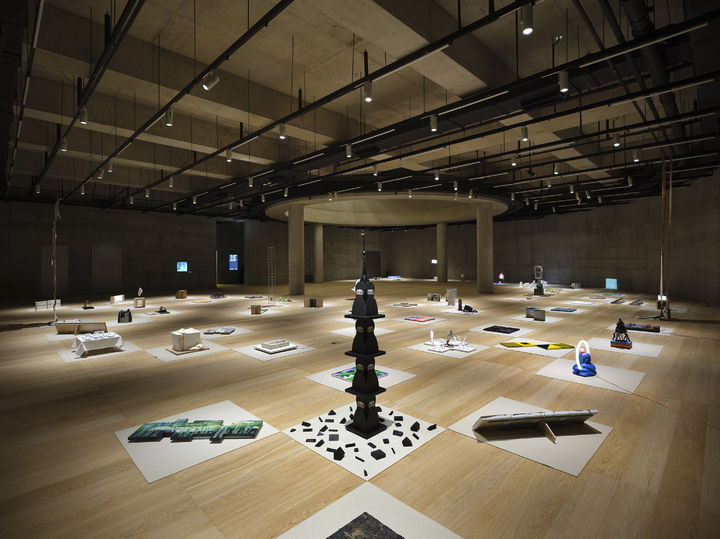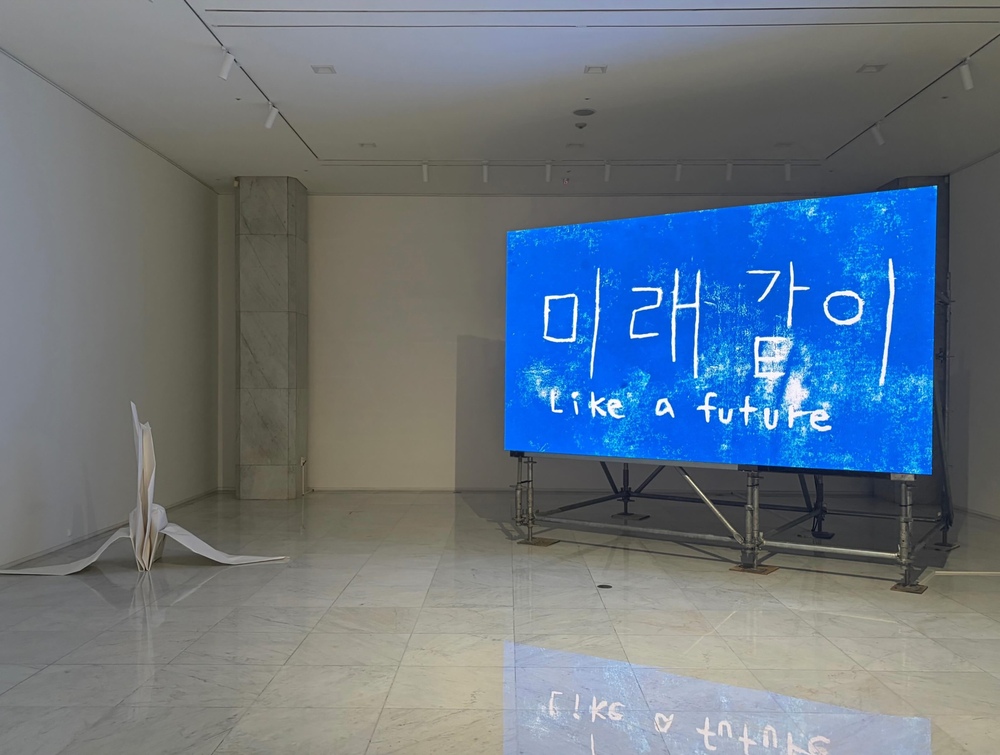

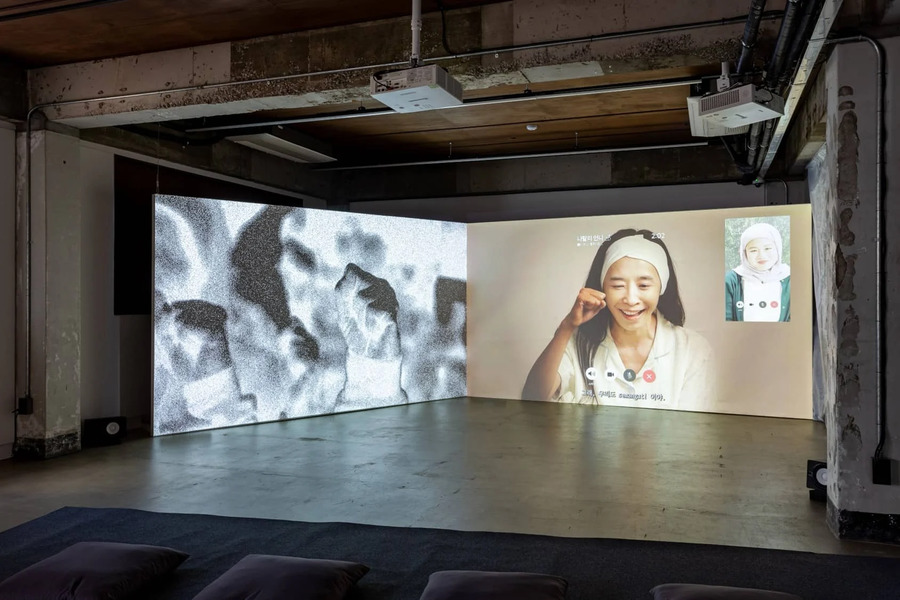
Installation view of 《Desir Angin》 ©Art Center Art Moment
Art Center Art Moment presents a solo
exhibition 《Desir Angin》 by
artist Lee Heekyung, on view through January 10, 2026.
Lee Heekyung conducts research on the lives
and backgrounds of Asian migrants settled in Korean society, working primarily
with video and drawing. She focuses in particular on how the multilayered
identities of migrant women are articulated—identities shaped by the cultural
and historical contexts embedded in individual micro-histories, as well as by
the multiple social layers of their places of arrival.
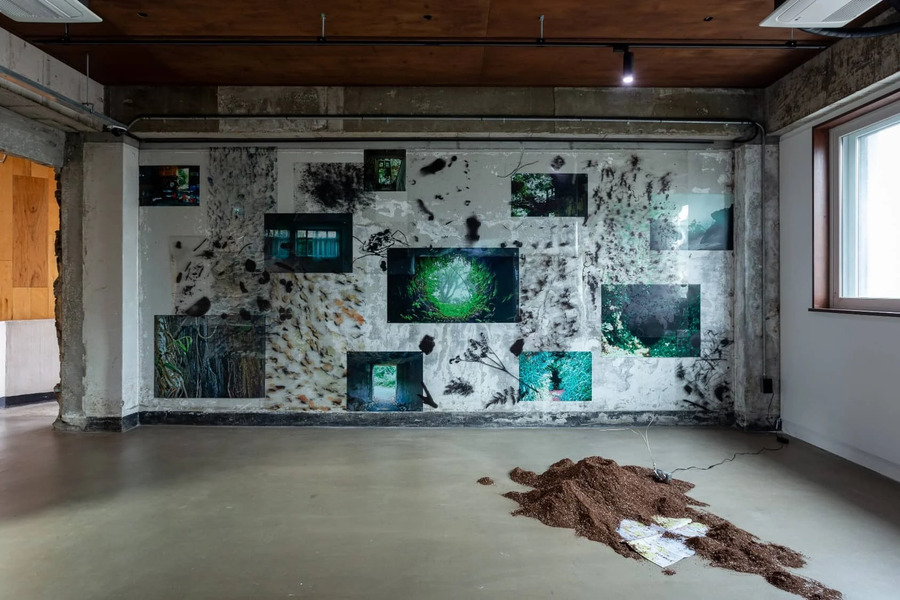
Installation view of 《Desir Angin》 ©Art Center Art Moment
This exhibition, 《Desir
Angin》, likewise addresses women in migration. From the
distant past to the present, movement has followed the trajectories of power
and capital. Voyages and flights undertaken for territorial expansion, forced
mobilization, processions of the displaced, and the transportation of extracted
resources—these have now given way to voluntary migrant labor, systems of
logistics and aviation, and forms of tourism centered on consumption and
experience.
This exhibition suggests that such grand
terms are not distant abstractions, and that within these histories are women
who build their lives close to us. To foreground this, the artist delves into
caves located across Jeju, Indonesia, Hong Kong, and the Philippines. These
caves are apertures carved into the land to connect people and goods, capital
and power, across nations.
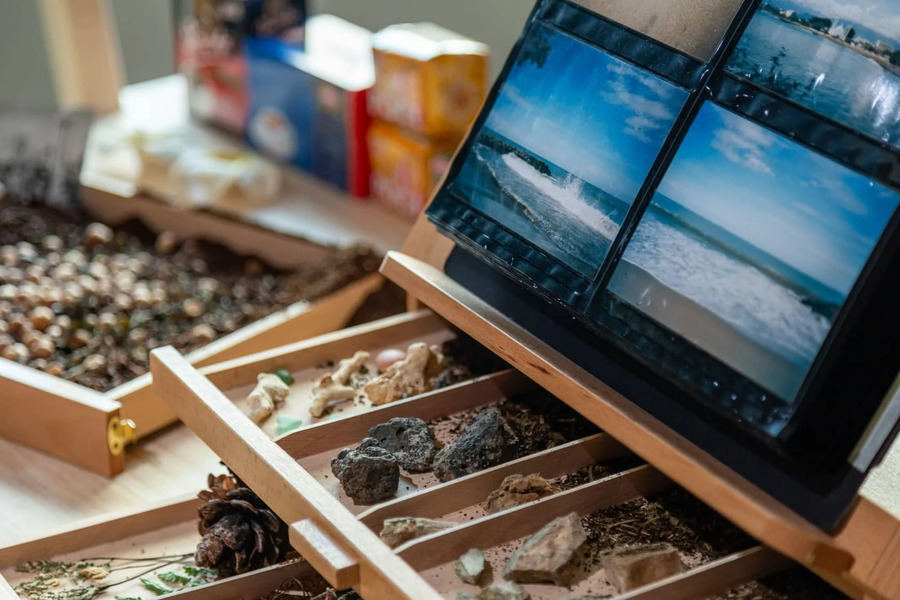
Installation view of 《Desir Angin》 ©Art Center Art Moment
The artist looks closely at the lives of
women who sustain their livelihoods by using these sites. Moving back and forth
between here and there to claim rights they were never granted, these women
repurpose the holes created by history in their own ways. While such boldness
may be obscured by labels like “migrant worker” or by institutional
distinctions between legality and illegality, for these women, what matters is
the possibility of a better environment—even if nothing unfolds exactly as
intended.
In this way, the women transform the
space-time they inhabit—colonial histories, the industry of migrant labor, and
lived realities alike—into concrete passages of life. In the exhibition space,
their voices resonate. Neither fully belonging to the smooth narratives of
history and reality nor entirely escaping them, these voices drift through the
cave-like gallery, suspended in between.